

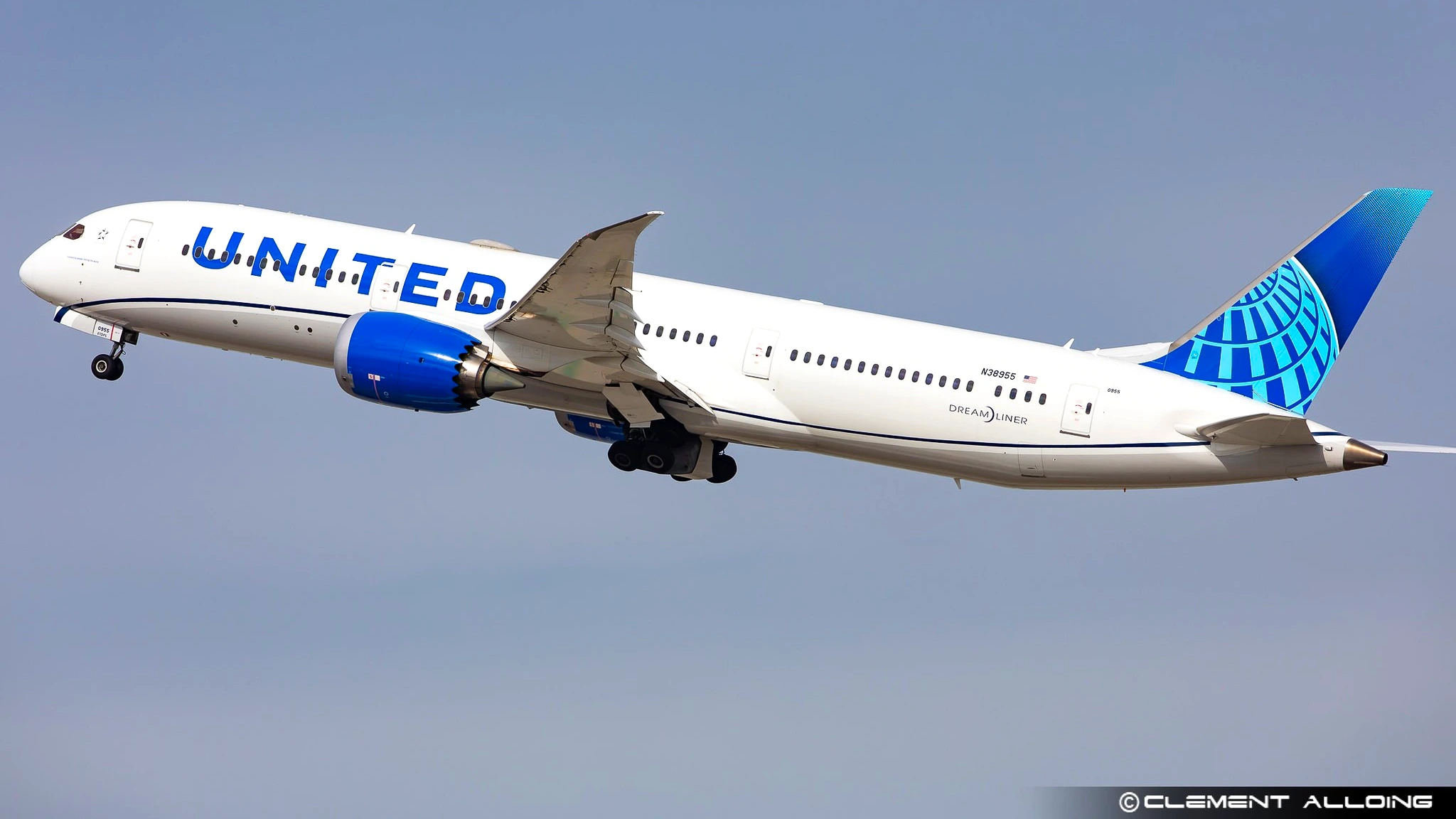
CHICAGO- A federal court dismissed a lawsuit filed by 65 Jewish passengers against United Airlines (UA) over alleged antisemitic treatment during a diverted flight from Newark Liberty International Airport (EWR) to Ben Gurion Airport (TLV) on April 22, 2023.
The passengers sued over nonrefundable lodging losses, missed religious and family events, emotional distress, and property loss or damage following the incident.
The court ruled that the Montreal Convention, which governs international air travel liability, preempts all state and federal claims, even when the Convention itself does not provide any remedy or alternative.
Since the passengers did not suffer “bodily injury” as defined under the treaty, United Airlines secured a dismissal with prejudice. The court never ruled on the merits of the case. Even if every allegation were true, the law does not allow passengers to sue under federal or state law in this scenario.
United Airlines Antisemitism Lawsuit
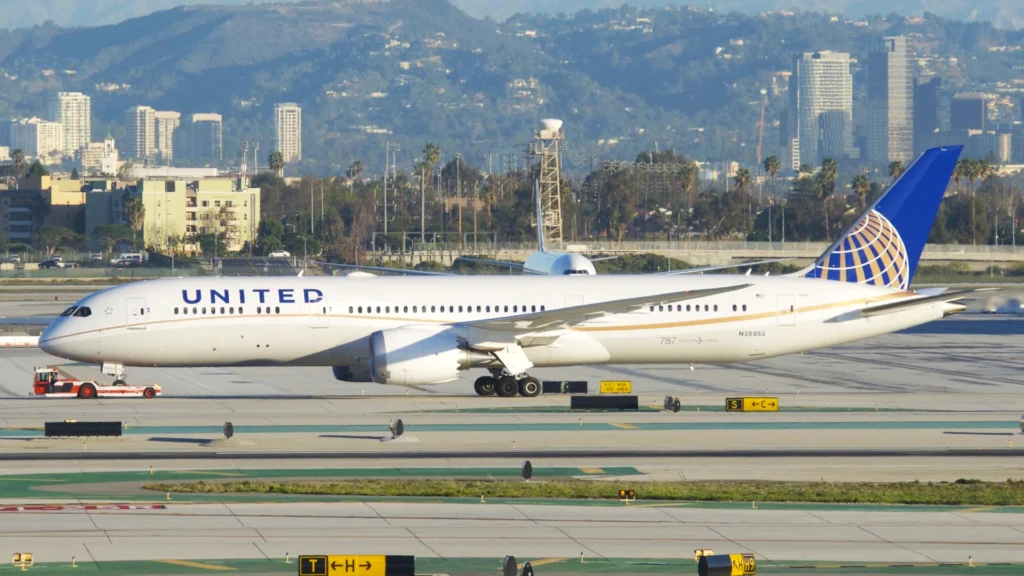
United Airlines (UA) Flight 90 was bound for Tel Aviv (TLV) ahead of Israel’s Memorial Day and Independence Day when an elderly passenger briefly sat in a flight attendant jump seat roughly three hours into the journey.
The airline diverted the aircraft back to Newark (EWR) and removed the passenger. According to the complaint, a flight attendant told other passengers to blame the removed individual and referred to him as “one of them,” an alleged reference to Jewish passengers.
After landing at EWR, passengers remained onboard for approximately 3 hours. The plaintiffs claimed that crew members denied requests for water, citing low supplies.
As reported by View from the Wing, this claim raises questions, since airlines typically carry emergency provisions for extended delays, and the aircraft had completed less than half of its scheduled transatlantic route.
Once deplaned, passengers waited an additional three hours before United Airlines (UA) issued hotel and meal vouchers.
During this period, several staff members allegedly made further antisemitic remarks directed at the group.
The passengers then filed suit seeking compensation for nonrefundable lodging losses, missed religious and family events, emotional distress, and some property loss or damage.
Why Lawsuit Failed Under International Law
The Montreal Convention is a multilateral treaty that establishes uniform rules for airline liability on international flights.
It imposes strict liability for passenger injuries and deaths, meaning claimants do not need to prove airline negligence or intent. However, the treaty limits compensable harm to “bodily injury” and caps damages even in qualifying cases.
The court determined that the passengers’ specific claims of dehydration, hunger, thirst, insufficient food and water, and general discomfort did not meet the bodily injury threshold under the Convention.
For losses tied to the delay itself, the court held that emotional distress and humiliation fall outside the treaty’s scope.
Because the Montreal Convention preempts all other legal avenues for international flights, even when the Convention itself offers no remedy or alternative, the plaintiffs had no path to pursue their claims under federal or state law.
The court did not evaluate whether the alleged antisemitic conduct actually occurred. It simply ruled that even if everything the passengers alleged were true, the law provides no basis to sue.
United Airlines (UA) also attempted to argue that the incident did not constitute an “accident” under the treaty, which would have provided another basis for dismissal. However, the airline submitted this argument too late for the court to consider it.
Passenger Rights on International Flights
The ruling highlights a significant gap in passenger protections under international aviation law.
The Montreal Convention is widely regarded as passenger-friendly due to its strict liability framework, but it excludes claims based on emotional harm, discrimination, and poor service quality.
This structure means that passengers on international flights have limited legal recourse when airlines engage in alleged misconduct that does not result in physical injury.
The treaty’s liability caps also remain a point of concern in cases involving clear physical harm.
In separate incidents, a 4-year-old child burned by scalding tea on a United Airlines (UA) flight and a JetBlue Airways (B6) passenger burned by dry ice provided by a flight attendant both faced capped compensation.
Critics argue that these caps reduce the financial incentive for airlines to improve safety and service standards. Where lack of care exists, capped liability provides little motivation to change behavior.
The dismissed lawsuit underscores a hard reality for international air travelers.
No matter how severe the alleged mistreatment, the absence of bodily injury effectively closes the courthouse door under current treaty law, and even when bodily injury does occur, damages remain capped at levels some consider insufficient.
Stay tuned with us. Further, follow us on social media for the latest updates.
Join us on Telegram Group for the Latest Aviation Updates. Subsequently, follow us on Google News
