

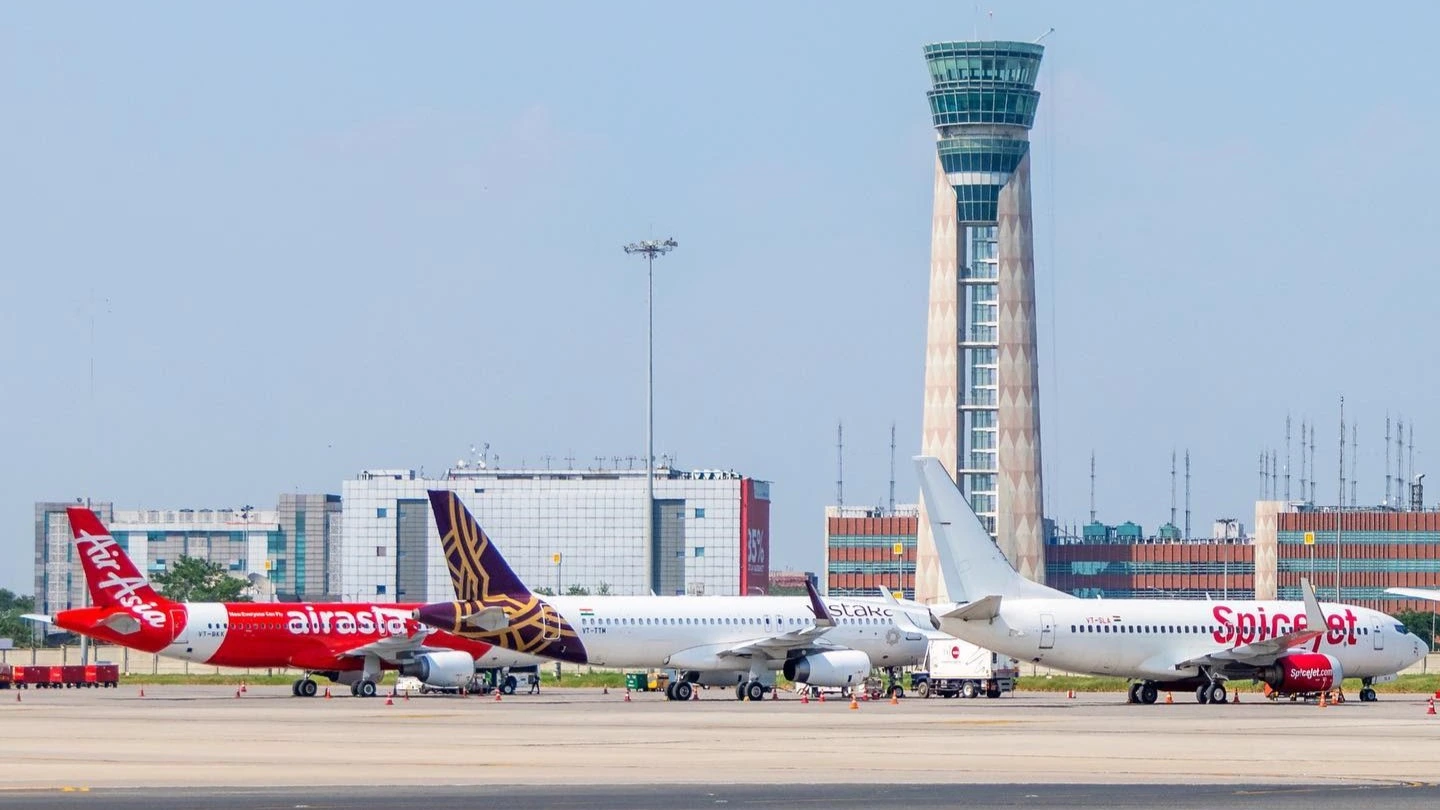
DELHI— India’s civil aviation sector is set to test a new hub and spoke model on the Delhi Airport (DEL) and Varanasi Airport (VNS) route, aiming to simplify passenger transfers and improve connectivity.
The initiative, supported by Air India (AI), will begin trial operations from June 1 as part of a broader strategy to strengthen India’s position as a global aviation hub.
The pilot program will allow passengers traveling through Delhi and Varanasi to complete immigration and customs procedures at their origin or destination airport rather than at intermediate hubs.
This shift is expected to reduce transit time and eliminate repetitive processing steps for both inbound and outbound travelers, The Hindu Business Line reported.
New Hub and Spoke Model Launch
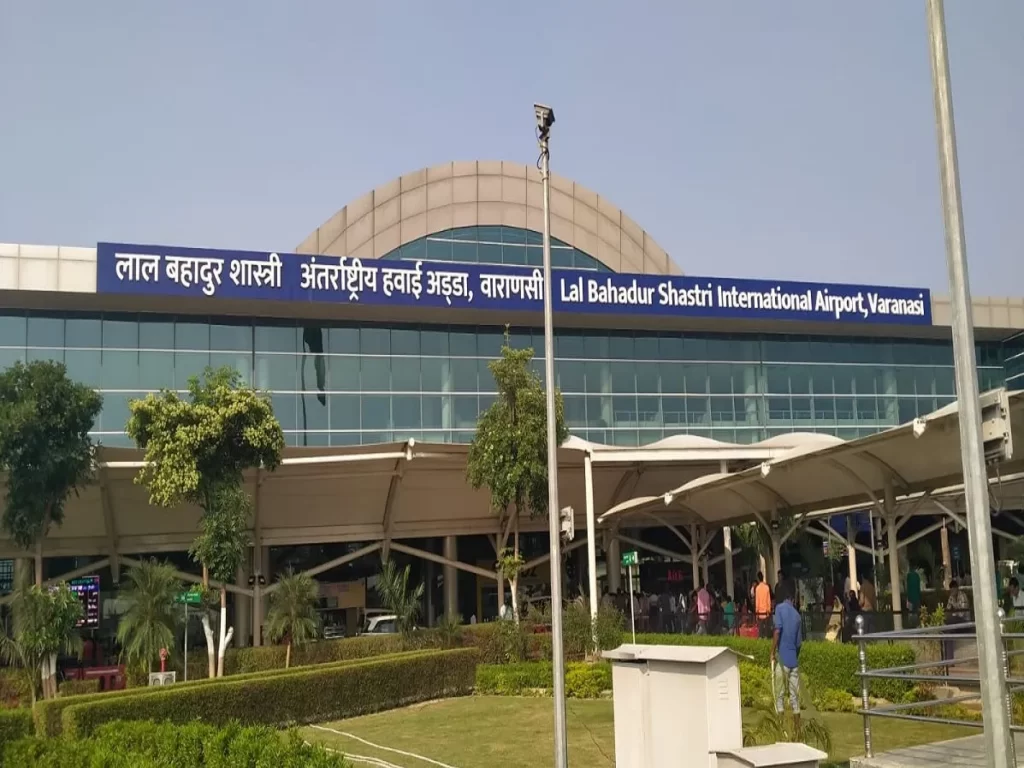
The Ministry of Civil Aviation has selected Delhi and Varanasi as the first test points for implementing hub and spoke operations.
Authorities plan to refine procedures during the trial phase before expanding the system to other major airports such as Mumbai and Bengaluru.
Civil Aviation Minister Ram Mohan Naidu Kinjarapu recently reviewed operational readiness and conducted on-ground inspections at Delhi Airport.
Officials focused on passenger flow, infrastructure readiness, and system integration required to support seamless transfers.
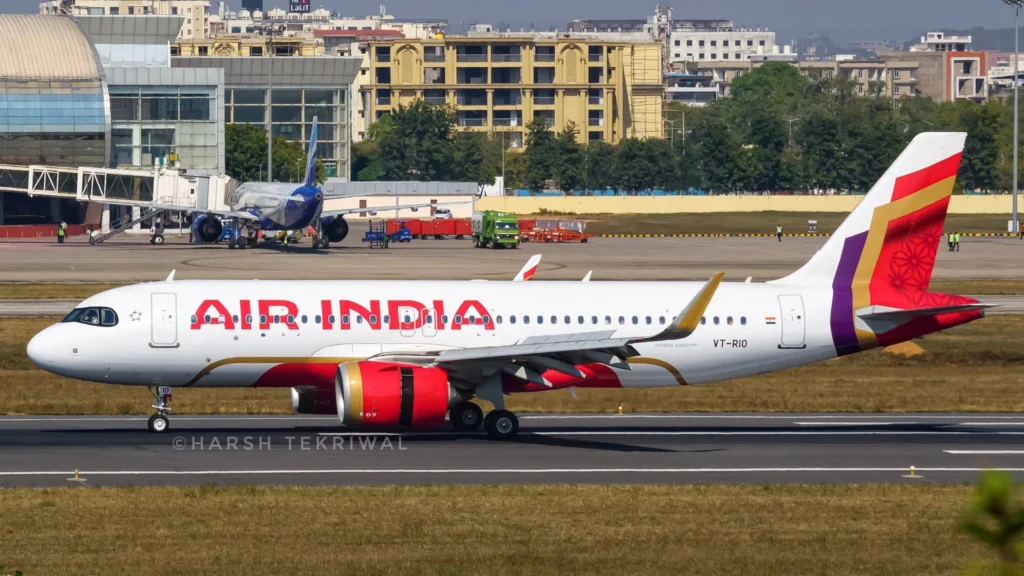
Air India will lead the initial rollout, with further participation expected from other carriers once the system stabilizes. The airline is currently aligning its passenger processing systems to support the new framework.
Campbell Wilson, Chief Executive Officer & Managing Director, Air India, commenting on this new initiative, said:
This is a transformative step for Indian aviation. We would like to thank the Hon’ble Prime Minister for his vision, to make India a global aviation hub and develop the entire aviation ecosystem. The hub-and-spoke model will not only strengthen connectivity but also ensure optimal use of airport infrastructure developed across the country. We thank the Minister of Civil aviation for championing the entire Hub and Spoke model which will create a strong multiplier effect and act as a catalyst for India’s broader growth.”
Campbell Wilson, Chief Executive Officer & Managing Director, Air India
While P. Balaji, Group Head – Governance, Risk, Compliance and Corporate Affairs, Air India, said:
The introduction of international hub-and-spoke connectivity from Varanasi underscores our focus on expanding India’s global aviation footprint beyond metros. It will provide tremendous boost to international travellers from India’s Tier 2 and tier 3 cities by cutting down travel time, while making travel seamless and convenient.”
P. Balaji, Group Head – Governance, Risk, Compliance and Corporate Affairs, Air India
Passenger Process Changes
Under the current system, international passengers must complete immigration and customs at the first or last point of entry in India.
This process often requires baggage collection, security checks, and re-check-in for connecting domestic flights, increasing travel time and inconvenience.
The new model will shift these formalities to spoke airports such as Varanasi. Passengers departing internationally from regional cities will complete all checks locally before connecting through major hubs like Delhi.
Similarly, inbound passengers arriving in India will clear immigration and customs at their final destination rather than at the first port of entry.
This adjustment aims to streamline passenger journeys and reduce congestion at major airports.
India’s Network Expansion Plans
The government intends to expand the hub and spoke model based on the outcome of the Delhi–Varanasi trial. Airports, including Mumbai, Bengaluru, and Rajkot, are expected to join the network in later phases.
Officials believe the model can reduce traffic leakage to foreign hubs, particularly in West Asia and Europe, where Indian passengers often connect onward.
A significant share of outbound traffic currently relies on foreign carriers for long-haul connectivity.
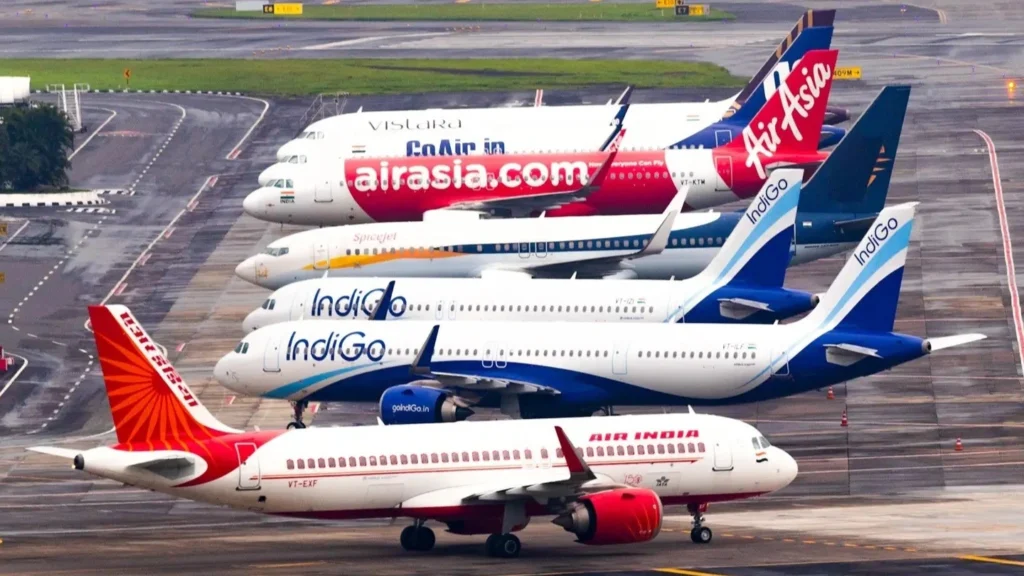
The initiative also aligns with large aircraft orders placed by Indian airlines, which are expected to support higher capacity and improved domestic-international linkages.
Enhancements to airport infrastructure, signage, and digital platforms like DigiYatra are underway to support the rollout.
Government estimates suggest that strengthening India’s aviation network through such initiatives could contribute nearly USD 1.4 trillion to the economy and create up to 16 million jobs by 2047.
Stay tuned with us. Further, follow us on social media for the latest updates.
Join us on Telegram Group for the Latest Aviation Updates. Subsequently, follow us on Google News
