

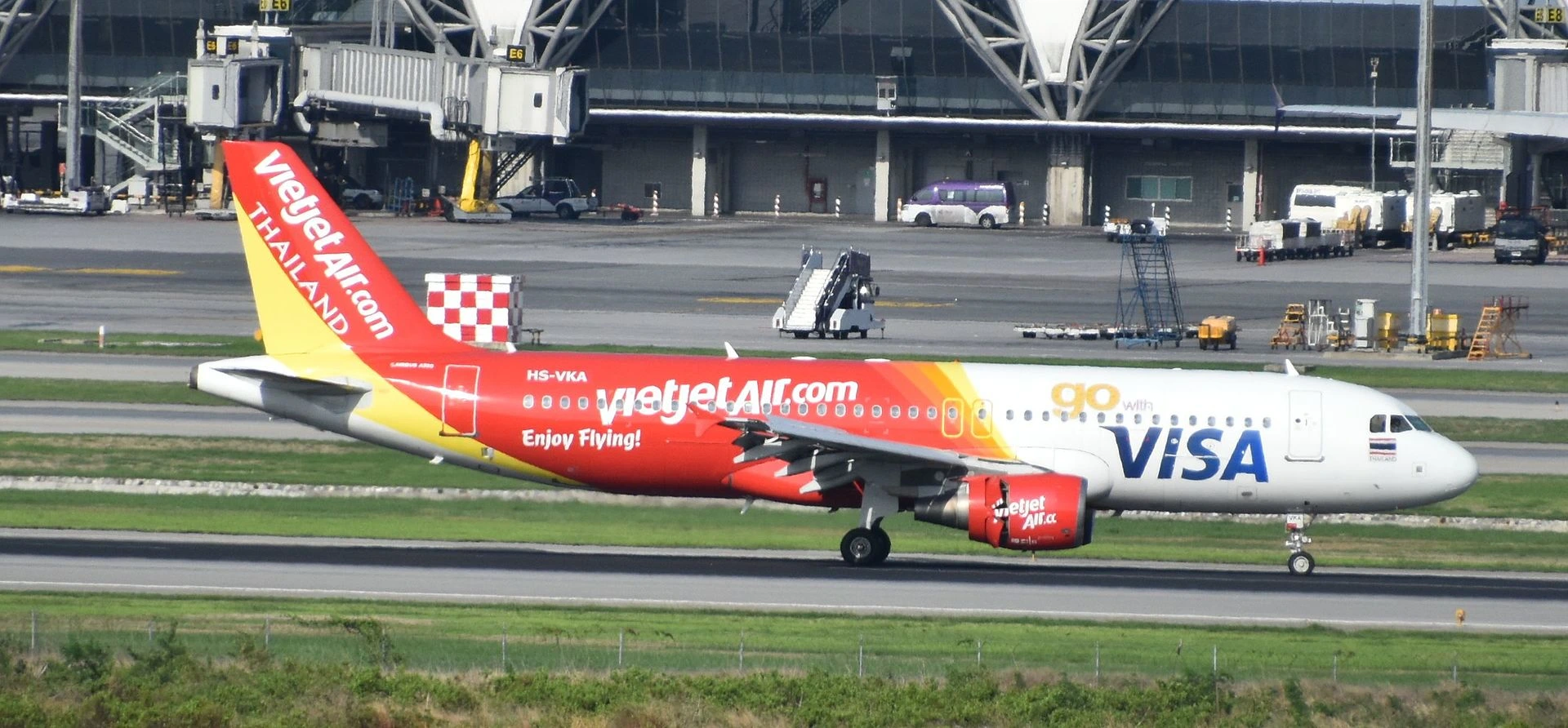
HO CHI MINH CITY- Vietjet (VJ) has signed a finance lease agreement with SPDB Financial Leasing (SPDBFL) for 10 COMAC C909 narrow-body aircraft.
The deal positions the Vietnamese budget carrier to introduce Chinese-made jets on routes connecting Vietnam and China, including five newly announced services linking Hanoi (HAN) and Ho Chi Minh City (SGN) with Chinese cities.
The agreement was exchanged during Vietnam’s President To Lam’s state visit to China at the invitation of Chinese President Xi Jinping. Vietjet (VJ) currently operates 135 aircraft, predominantly Airbus models, and holds orders for nearly 600 jets from Boeing and Airbus.
The COMAC C909 lease marks a strategic diversification of the airline’s fleet composition beyond its traditional Western suppliers.
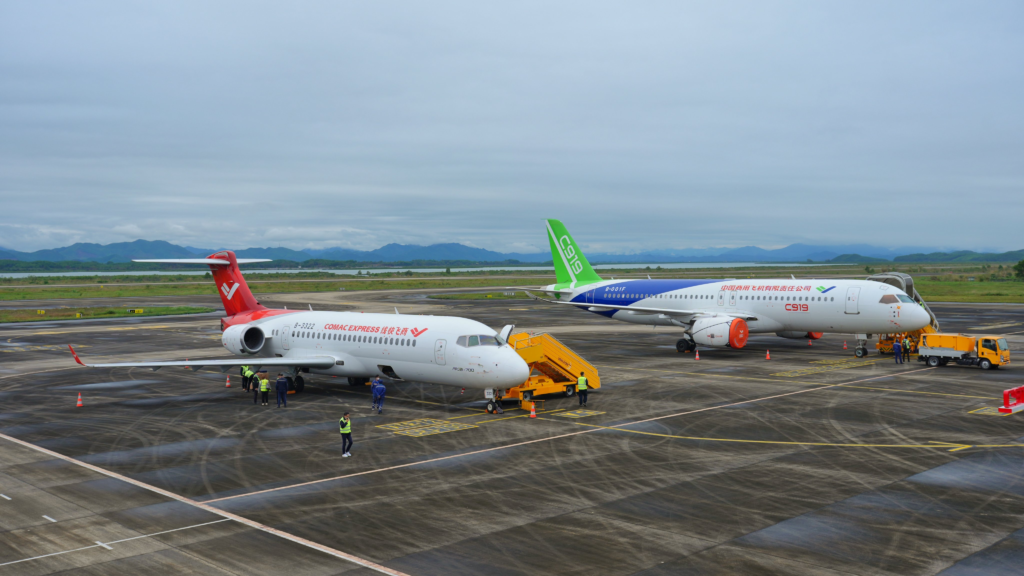
Vietjet Leases COMAC C909 Jets
The finance lease agreement between Vietjet and SPDBFL covers 10 COMAC C909 aircraft. SPDB Financial Leasing is a subsidiary of Shanghai Pudong Development Bank, one of China’s leading financial institutions with significant experience in large-scale project financing.
Vietjet did not disclose the financial terms of the deal. The airline previously operated two COMAC jets under an arrangement with Chengdu Airlines (EU). This new agreement represents a substantial expansion of that relationship, shifting from an operational trial to a structured finance lease at a larger scale.
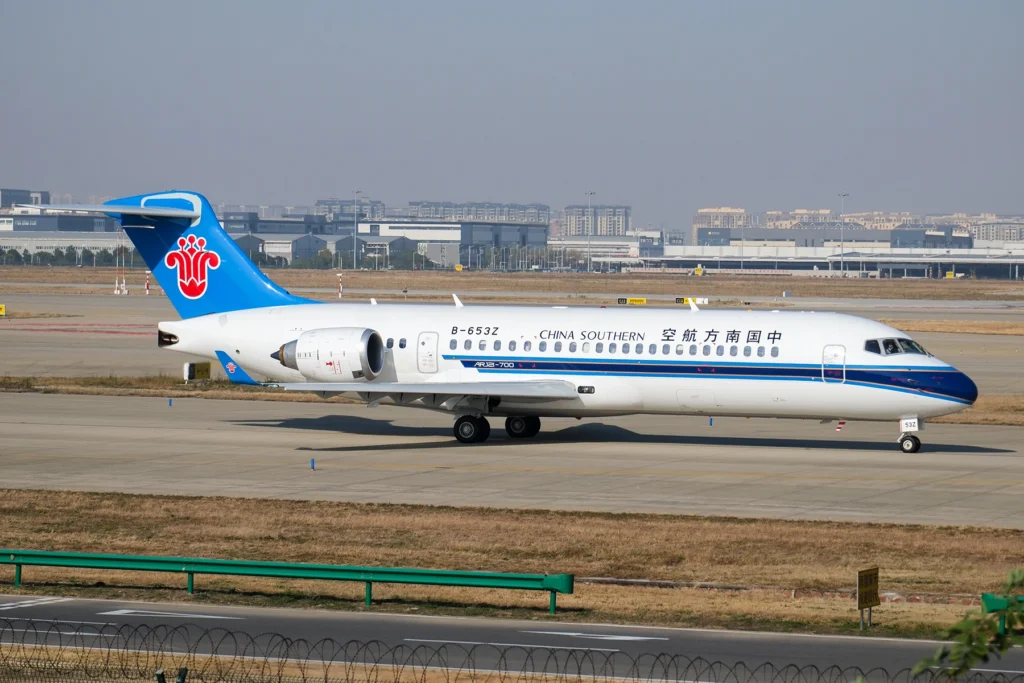
Shanghai-based COMAC developed the C909 as part of its strategy to challenge the dominance of Airbus and Boeing in the global aircraft market.
The manufacturer has relied primarily on orders from Chinese domestic airlines and smaller operators across Southeast Asia, including carriers in Vietnam, Cambodia, Brunei, Laos, and Indonesia. Vietnam approved the operation of the C909 in its airspace last year following Chinese President Xi Jinping’s visit to Hanoi.

Five New Vietnam-China Routes Announced
Alongside the leasing agreement, Vietjet announced five new routes between Vietnam and China. These services connect key economic and tourism centers in both countries.
The new routes include Hanoi (HAN) to Hangzhou (HGH), Hanoi (HAN) to Enshi (ENH), Hanoi (HAN) to Huangshan (TXN), Ho Chi Minh City (SGN) to Guilin (KWL), and Ho Chi Minh City (SGN) to Huangshan (TXN).
Among these, the Hanoi to Enshi and Ho Chi Minh City to Guilin routes have been operational since early April 2026.
The new services support the ongoing Vietnam-China Tourism Cooperation Year and aim to promote trade, investment, and cultural exchanges between the two nations.
Strategic Significance of the SPDB Partnership
The cooperation between Vietjet and SPDBFL reflects a broader trend of deepening financial and aviation linkages between Vietnamese and Chinese enterprises. For Vietjet, the partnership diversifies its financial resources beyond traditional Western lessors and enhances its access to international capital markets.
SPDBFL brings structured aircraft leasing and financing expertise that supports Vietjet’s long-term fleet growth strategy. The arrangement allows the airline to optimize capital deployment while scaling operations on high-demand regional routes.
Vietjet’s ambition to become a multinational aviation group drives its expanding international flight network. The COMAC C909 introduction on Vietnam-China routes adds operational flexibility and strengthens bilateral air connectivity in a corridor with growing passenger demand.
Diplomatic Context Behind the Deal
The agreement was exchanged at the Embassy of Vietnam in Beijing in the presence of Vietnam’s Deputy Prime Minister Phan Van Giang, senior government officials, and representatives of leading enterprises from both countries. President To Lam’s visit to China was his first overseas trip since being elected state president, signaling the strategic importance Vietnam places on its relationship with Beijing.
The deal forms part of broader efforts to strengthen the Vietnam-China Comprehensive Strategic Cooperative Partnership. Aviation and financial cooperation between the two countries continues to expand as both governments prioritize economic integration and regional connectivity.
