

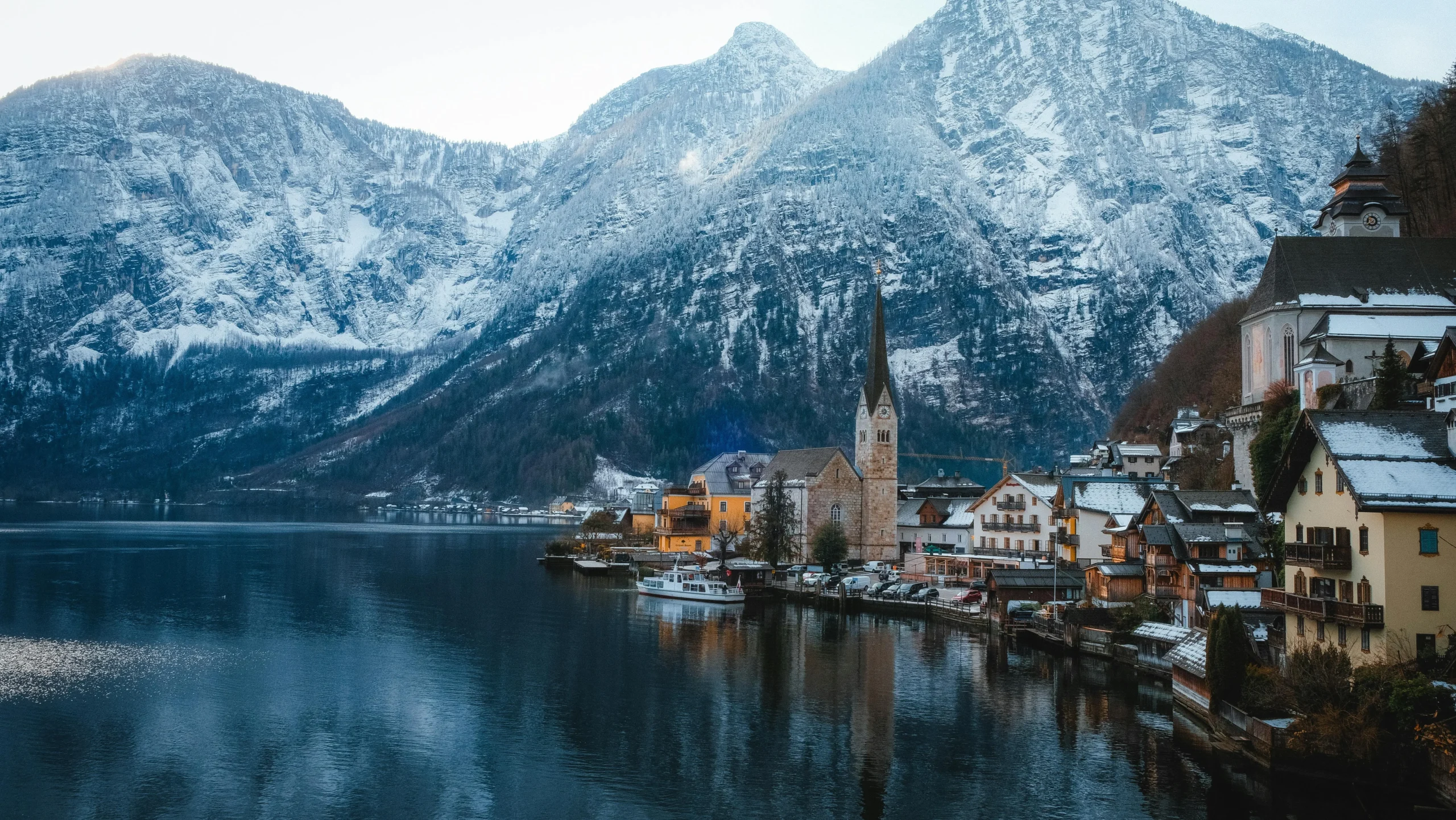
In 2026, self-care is no longer seen as a luxury; it’s become a core factor in deciding where to live, work, and even travel.
According to the latest Self-Care Index by William Russell, the best countries for self-care are those that strike a strong balance between healthcare access, mental well-being support, lifestyle infrastructure, and overall life satisfaction.
Best Countries for Self-Care in 2026
The ranking is based on multiple indicators, including access to mental health professionals, healthcare spending, availability of wellness facilities like spas and walking trails, and how satisfied people feel with their lives overall.
Here are the top 10 countries for self-care in 2026, explored in detail.
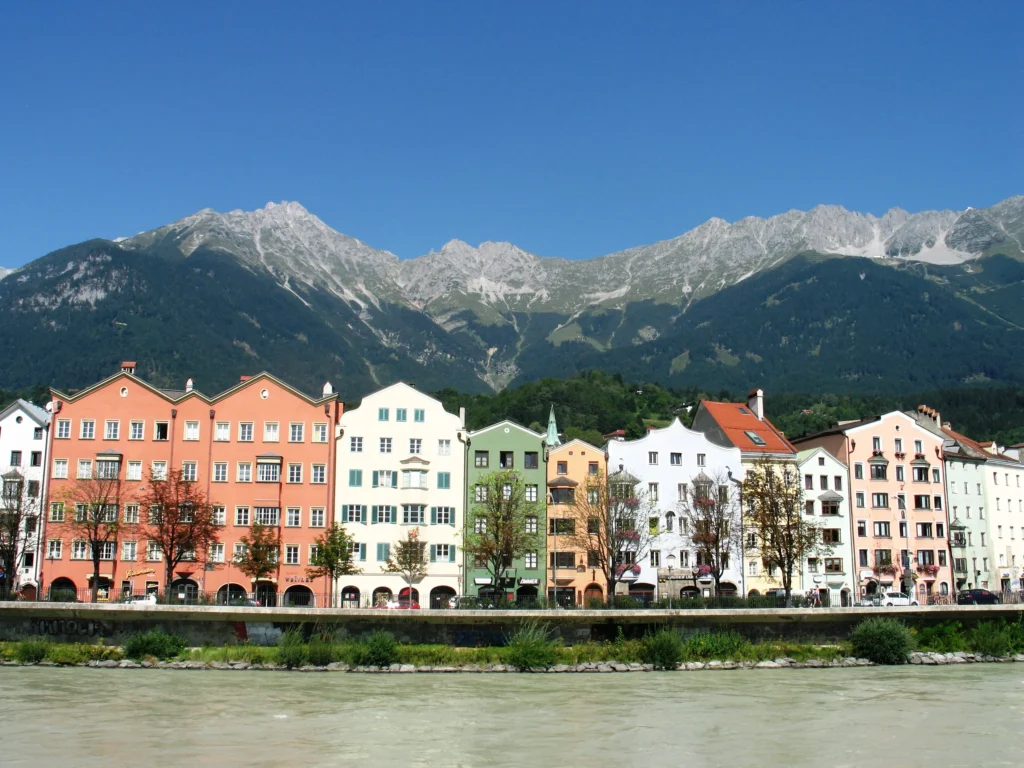
1. Austria
Austria takes the top position, and it’s not particularly surprising once you look at the numbers. The country stands out for its strong healthcare system and heavy investment in public health, with spending reaching around 11.8% of GDP – well above the global average.
What really sets Austria apart, though, is its exceptional access to mental health professionals. With one of the highest densities of specialists globally, individuals can access psychological support far more easily than in most countries.
Beyond healthcare, Austria offers a lifestyle that naturally supports self-care. The country is filled with alpine walking trails, thermal spas, and wellness resorts that encourage relaxation and outdoor activity. Cities like Vienna blend culture, green spaces, and accessibility in a way that makes maintaining a balanced lifestyle feel almost effortless.
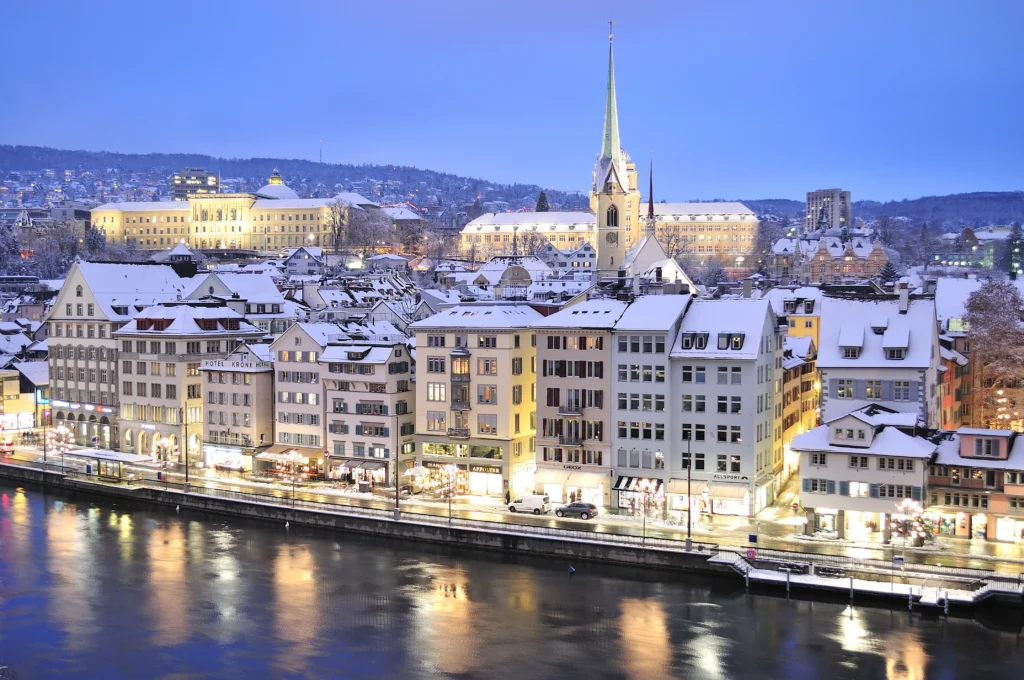
2. Switzerland
Switzerland follows closely behind, combining natural beauty with a deeply ingrained wellness culture.
The country is known for its pristine environment, mountains, lakes, and clean air, all of which contribute to physical and mental well-being. But beyond that, Switzerland invests heavily in healthcare, with spending levels similar to Austria.
It also has one of the highest densities of high-quality wellness facilities, including spas and retreats. Life satisfaction levels are consistently high, reflecting not just material wealth but overall quality of life.
Self-care in Switzerland often revolves around prevention rather than cure. Whether it’s hiking in the Alps, maintaining a structured work-life balance, or accessing top-tier healthcare, the country offers a holistic approach to well-being.

3. Finland
Finland shares third place and is widely regarded as one of the happiest countries in the world.
One of its strongest advantages is the connection between nature and mental health. Finland has an abundance of accessible forests, lakes, and walking trails, encouraging residents to spend time outdoors regularly.
Life satisfaction scores are among the highest globally, supported by strong social systems, low inequality, and a culture that values balance over burnout.
Self-care here is deeply cultural—sauna traditions, quiet time in nature, and a focus on simplicity all contribute to a lifestyle that prioritises well-being without feeling forced or commercialised.
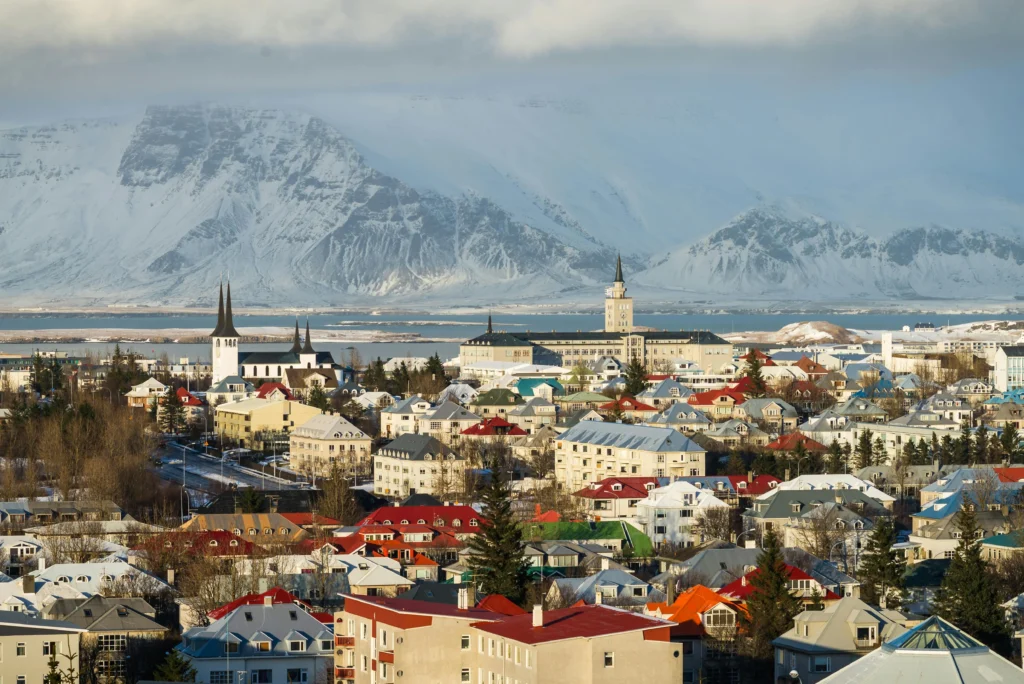
4. Iceland
Iceland also shares third place and offers a slightly different but equally powerful self-care environment.
The country records one of the highest life satisfaction scores globally, reflecting strong social cohesion and quality of life.
Iceland stands out for its exceptional number of wellness facilities, particularly spas, with geothermal bathing being a central part of daily life.
Living here means being constantly surrounded by dramatic landscapes, volcanoes, waterfalls, and glaciers, which naturally encourage outdoor activity and mental clarity. While the climate can be harsh, the lifestyle is centred around resilience, community, and well-being.
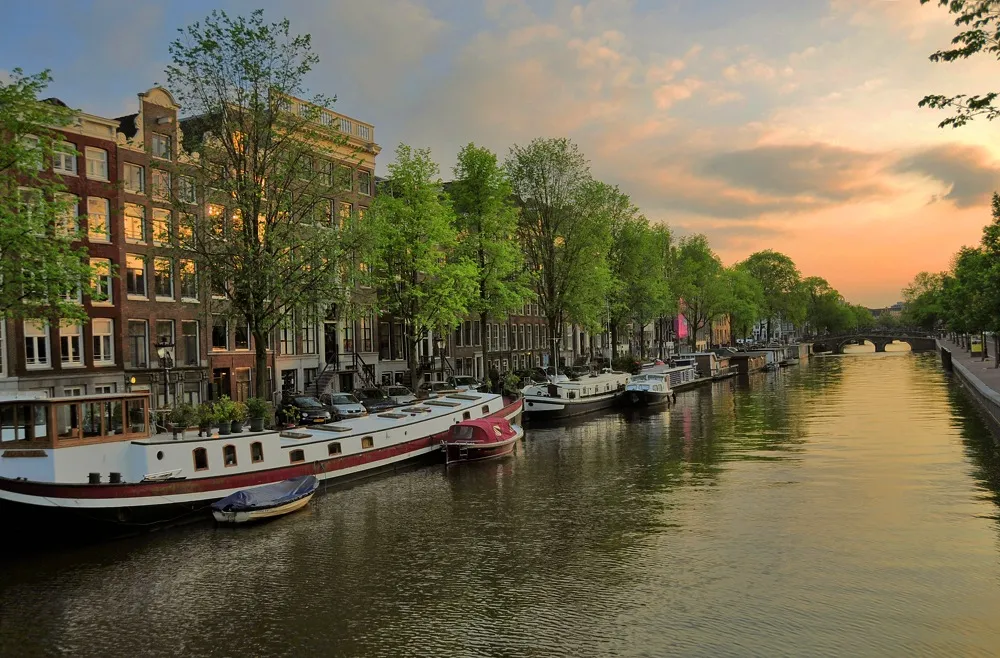
5. Netherlands
The Netherlands ranks fifth, largely due to its excellent healthcare system and balanced lifestyle.
The country consistently scores highly in healthcare quality and accessibility, ensuring that residents can access both physical and mental health services with ease.
What makes the Netherlands unique is its everyday lifestyle design. Cities are built for cycling, green spaces are integrated into urban areas, and work-life balance is strongly emphasised.
Self-care here isn’t something people have to schedule – it’s built into daily routines, whether it’s cycling to work, spending time outdoors, or maintaining flexible working hours.
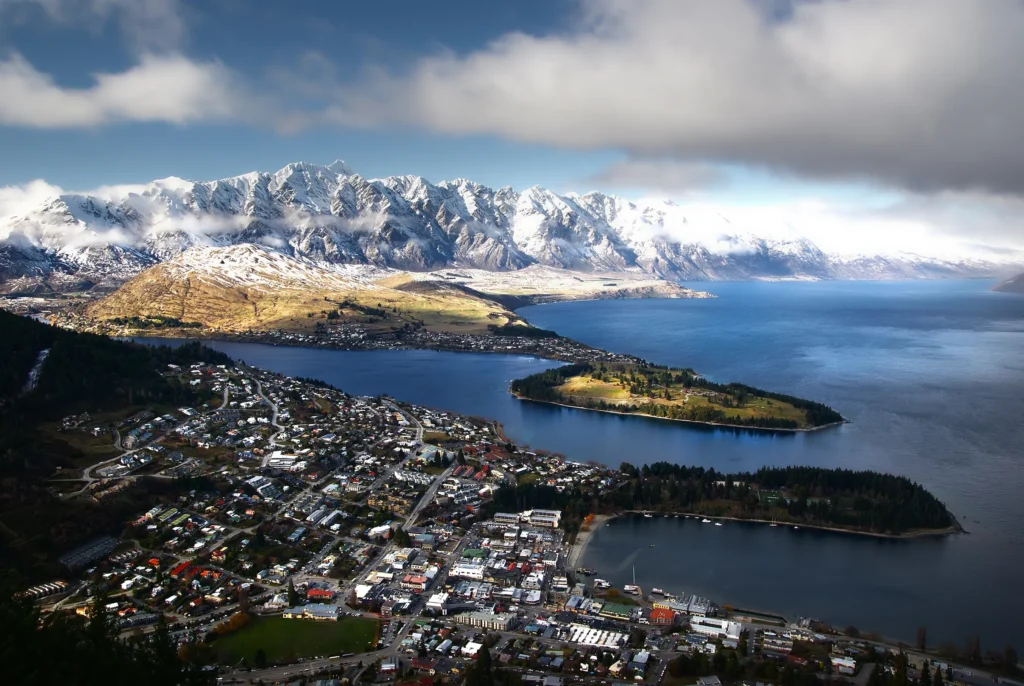
6. New Zealand
New Zealand ranks sixth and is often seen as one of the most naturally beautiful places to live.
The country offers a strong combination of healthcare access, outdoor lifestyle, and overall life satisfaction.
New Zealand’s environment plays a huge role in its self-care appeal. From beaches to mountains, residents have easy access to nature, which encourages physical activity and mental well-being.
The pace of life is also slower compared to many developed nations, allowing people to prioritise balance. This makes it particularly attractive for those looking to escape high-pressure environments.
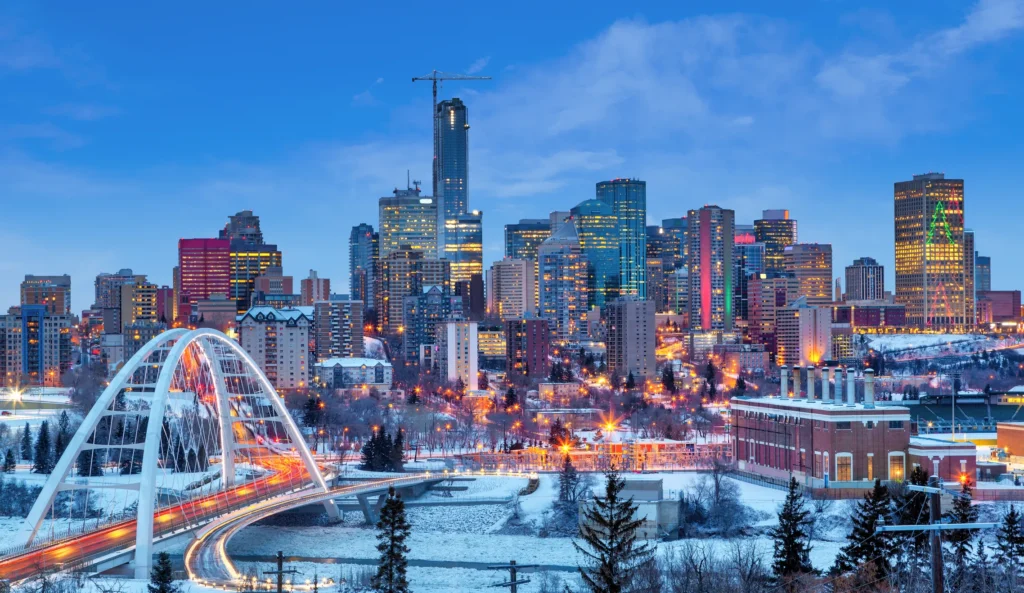
7. Canada
Canada ranks seventh, offering a strong mix of healthcare, nature, and quality of life.
The country has a well-developed healthcare system and a high number of mental health professionals, making support more accessible.
Canada’s vast natural landscapes – forests, lakes, and national parks – also play a major role in promoting self-care. Outdoor activities such as hiking, skiing, and camping are widely accessible.
Combined with a relatively high standard of living and social stability, Canada provides an environment where well-being can thrive.
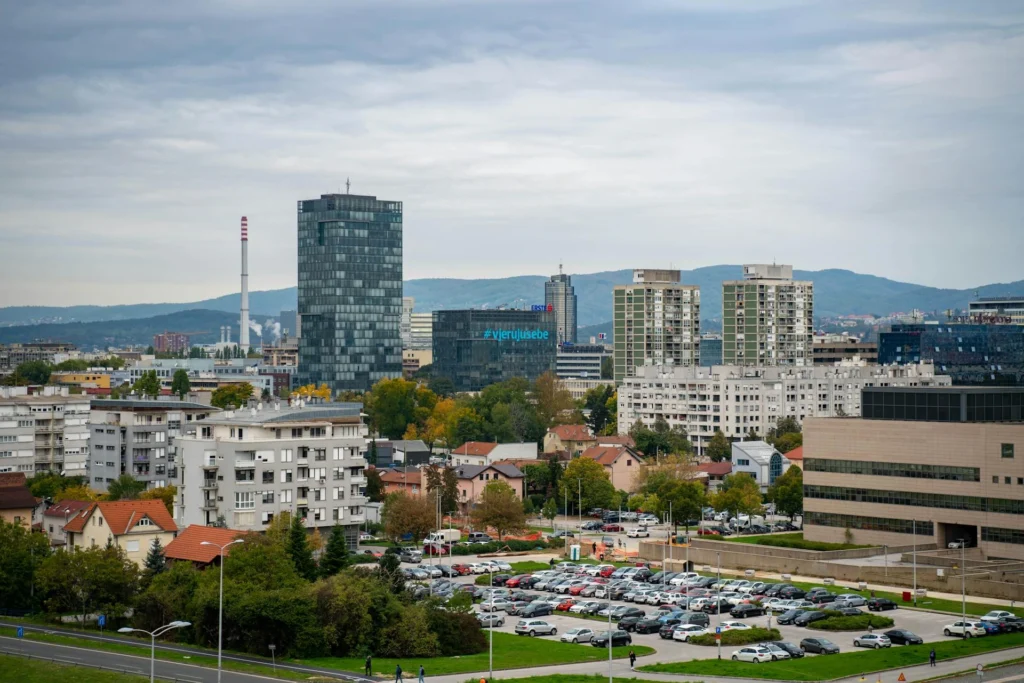
8. Australia
Australia ranks eighth, driven by its strong healthcare system and outdoor lifestyle.
The country has a high number of mental health professionals and invests significantly in healthcare infrastructure.
What makes Australia particularly appealing is its climate and geography. Beaches, parks, and open spaces are part of everyday life, encouraging physical activity and relaxation.
Work-life balance is also prioritised, with flexible working arrangements becoming increasingly common. This allows residents to integrate self-care into their daily routines.
9. Norway
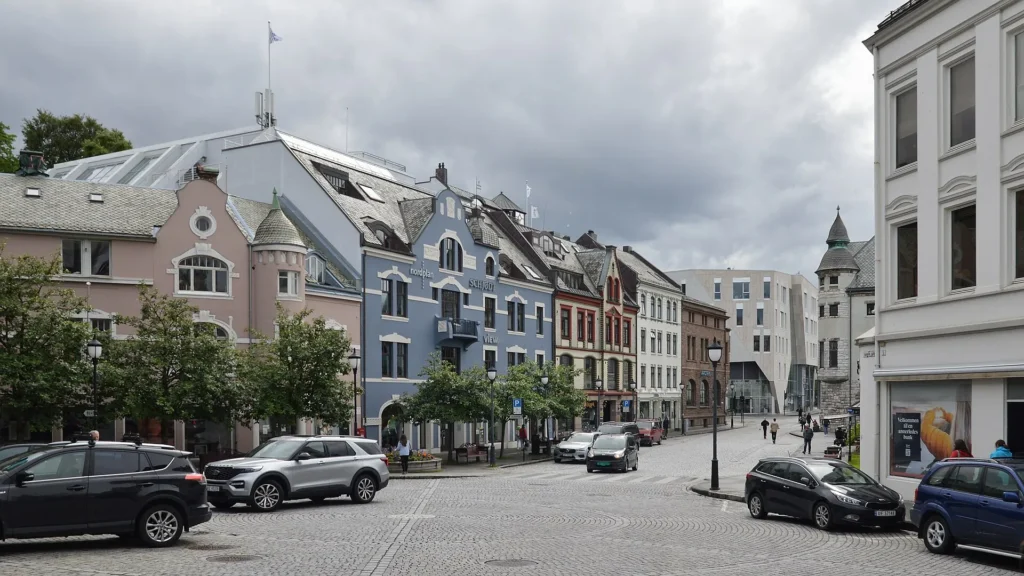
Norway ranks ninth, offering a strong welfare system and an exceptional natural environment.
The country scores highly in life satisfaction, reflecting strong social support, low inequality, and a high standard of living.
Norway also has a high number of accessible walking trails, encouraging outdoor activity as part of daily life.
Self-care here is closely linked to simplicity – spending time in nature, maintaining a balanced routine, and benefiting from strong public services.
10. Denmark
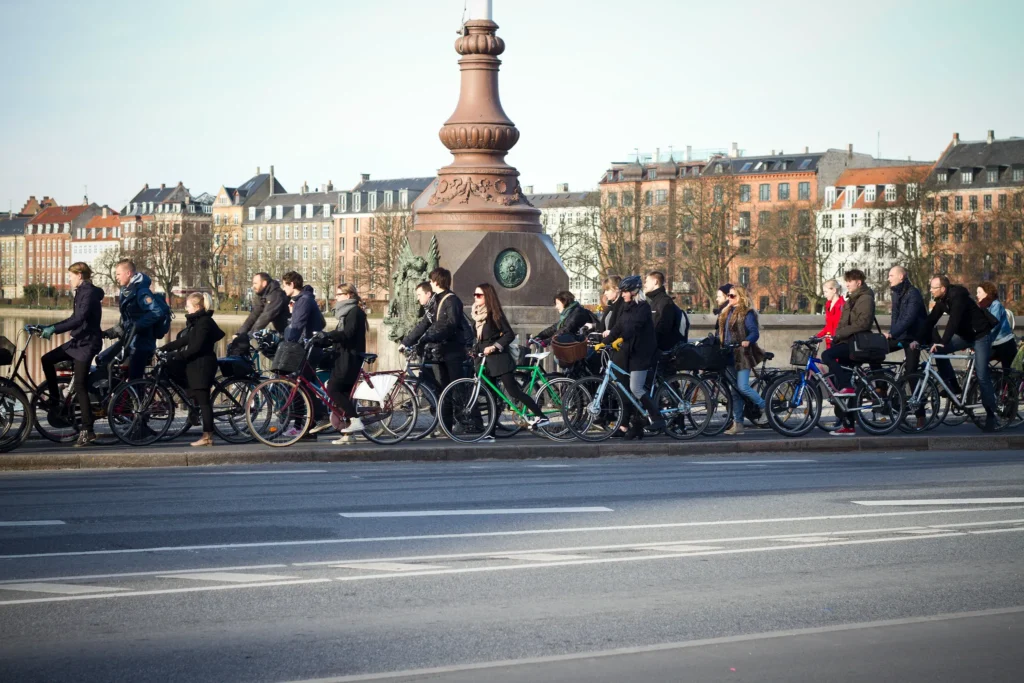
Denmark completes the top 10, known for its emphasis on happiness and lifestyle balance.
The country offers strong healthcare, social support systems, and a culture that prioritises well-being.
Denmark also stands out for its outdoor accessibility, with one of the highest numbers of walking trails per capita.
The concept of hygge, a focus on comfort, relaxation, and simple pleasures, plays a major role in everyday life. This cultural approach makes self-care feel natural rather than forced.

Bottom Line
The 2026 Self-Care Index from William Russell makes one thing very clear – the best countries for self-care are not just wealthy, they are intentionally designed for well-being.
Across the rankings, a few common themes stand out. Strong healthcare systems, easy access to mental health support, and a deep connection to nature all play a crucial role.
Ultimately, self-care in 2026 is less about individual habits and more about the environment. When a country makes well-being accessible through healthcare, nature, and balanced living, it becomes far easier for individuals to prioritise their own health.
Best Countries for Self Care FAQs
It’s a ranking system that evaluates countries based on healthcare access, mental health support, wellness infrastructure, and life satisfaction.
They combine strong social systems, high life satisfaction, and easy access to nature, all of which support mental and physical well-being.
Austria ranks first due to its strong healthcare investment, high availability of mental health professionals, and overall lifestyle balance.
Stay tuned with us. Further, follow us on social media for the latest updates.
Join us on Telegram Group for the Latest Aviation Updates. Subsequently, follow us on Google News
