

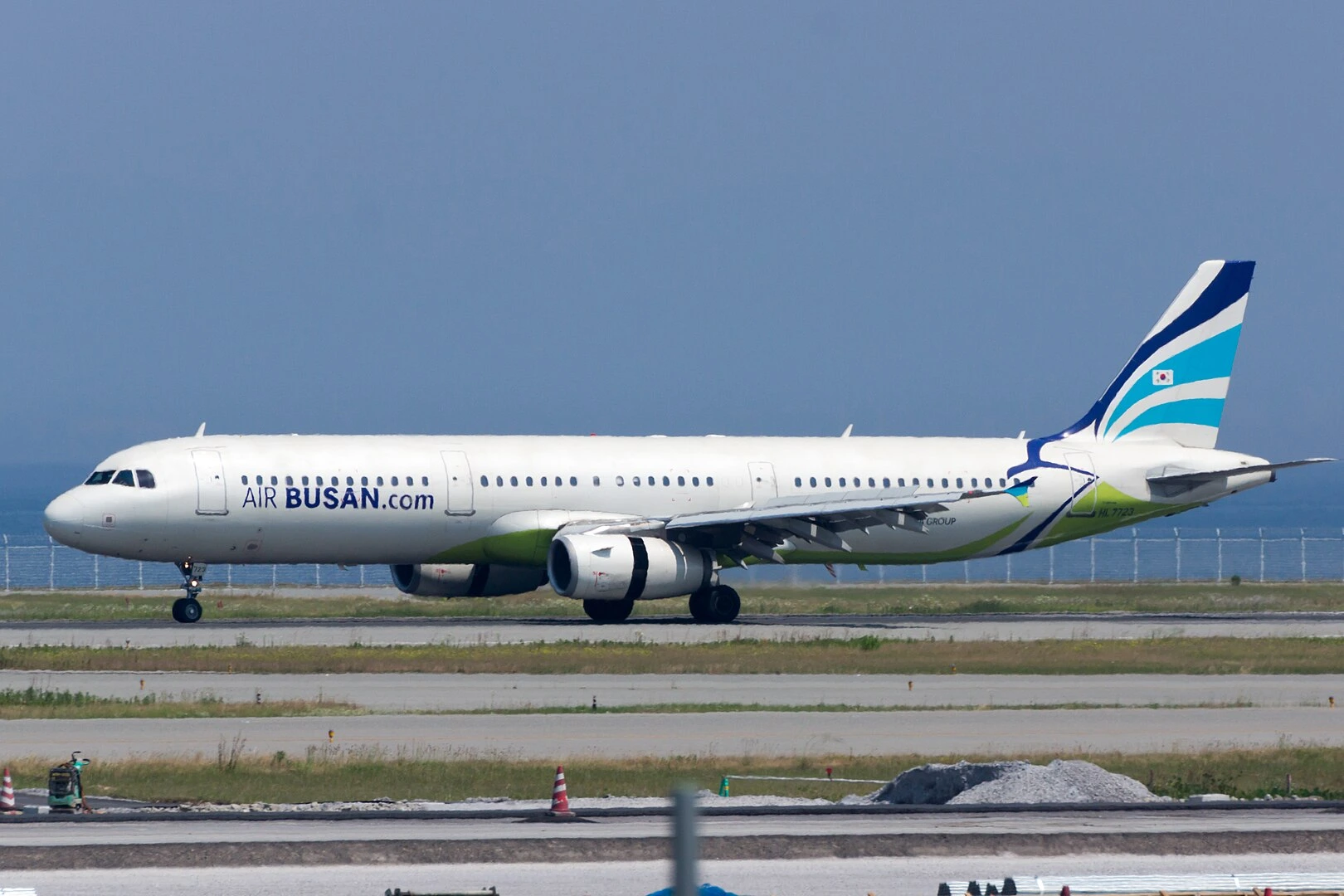
SEOUL– South Korean low-cost carriers T’way Air (TW) and Air Busan (BX) have adjusted their flight schedules to Thailand as rising jet fuel prices continue to pressure airline operations.
The changes affect major passenger routes between Seoul Incheon International Airport (ICN), Bangkok Suvarnabhumi Airport (BKK), Daegu International Airport (TAE), and Busan Gimhae International Airport (PUS). Airlines have introduced reductions, suspensions, and fare adjustments to manage escalating operational costs.

T’way Air Cuts
T’way Air has announced a significant reduction in its Seoul–Bangkok operations due to financial pressure from rising fuel costs. The airline will continue daily flights between Incheon and Suvarnabhumi only until May 9.
From May 10 to July 14, T’way Air will reduce the route to two weekly flights, reflecting a sharp capacity adjustment. This move directly impacts peak travel demand between South Korea and Thailand during the summer travel season.
The airline has also suspended all flights between Daegu (TAE) and Bangkok until July 15, further tightening its Thailand network. In addition, T’way Air increased its passenger fuel surcharge from 1,900 baht to 2,850 baht.
The carrier is also implementing temporary workforce measures. It plans to furlough cabin crew members without pay in May and June under a voluntary participation program.
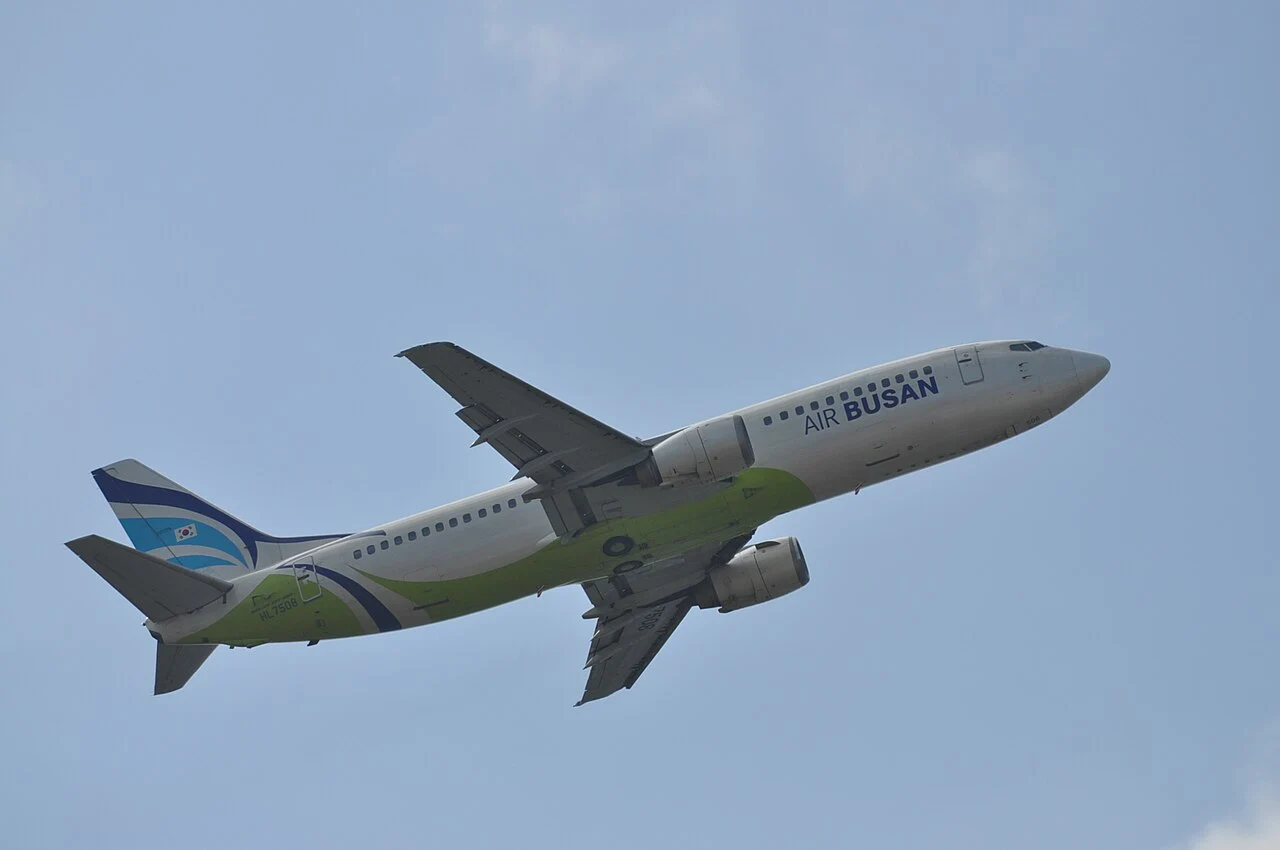
https://commons.wikimedia.org/wiki/File:Air_Busan_Boeing_737-400.JPG
Air Busan Changes
Air Busan has also scaled back its Thailand operations due to the same cost pressures. The airline has cancelled six scheduled daily flights between Bangkok (BKK) and Busan (PUS) on May 13, 16, 20, 23, 27, and 30.
These cancellations reflect operational adjustments to manage fuel-related expenses and maintain route profitability. The airline continues to monitor demand and cost conditions before making further schedule decisions.
Air Busan raised its fuel surcharge from 2,000 baht to 2,700 baht starting April 1. The carrier attributed the increase to ongoing volatility in global jet fuel prices and unstable market conditions.
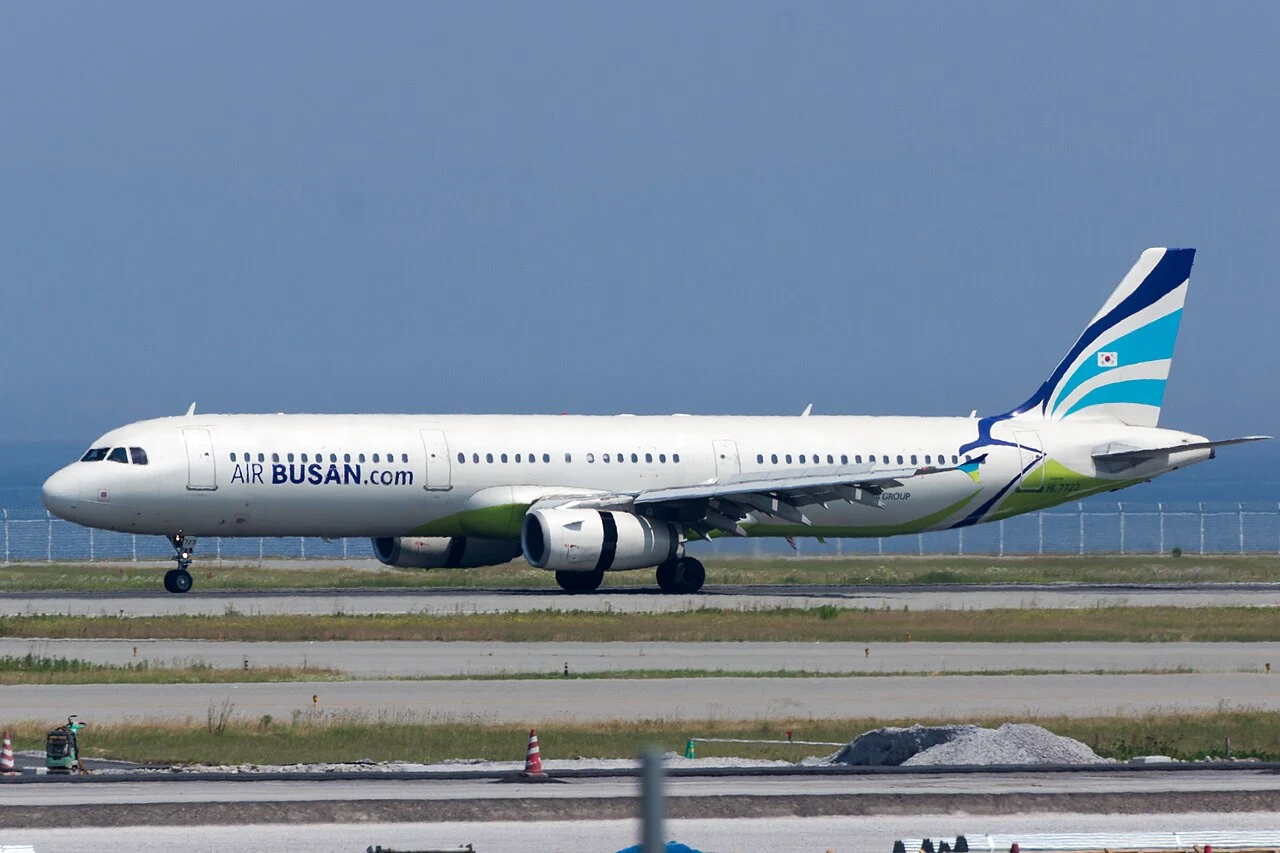
https://commons.wikimedia.org/wiki/File:Air_Busan,_A321-200,_HL7723_(17645522973).jpg
Industry Cost Pressure
South Korean low-cost airlines are facing similar financial strain across multiple international routes beyond Thailand. Industry reports indicate that routes to destinations such as the United States and Vietnam are also under review for potential adjustments.
Carriers are balancing capacity cuts with demand recovery trends in the post-pandemic travel environment. However, sustained fuel price pressure continues to challenge profitability across the sector.
Analysts note that low-cost models are particularly sensitive to fuel fluctuations due to limited fare flexibility. Airlines are therefore relying on route optimization, surcharge adjustments, and temporary workforce measures.
The current changes highlight a broader trend of operational recalibration among Asian budget carriers. Airlines are expected to remain cautious in expanding capacity until fuel prices stabilize.
Stay tuned with us. Further, follow us on social media for the latest updates.
Join us on Telegram Group for the Latest Aviation Updates. Subsequently, follow us on Google News
