


DELHI- Dubai has restricted foreign airlines to one daily flight to its airports until May 31, 2026, amid the ongoing Iran crisis. Indian carriers, which had planned more flights to Dubai than airlines from any other country, face the steepest losses.
The Federation of Indian Airlines (FIA), representing IndiGo (6E), Air India (AI), and SpiceJet (SG), has urged the Indian government to push Dubai authorities to lift the restrictions.
If the curbs remain, the FIA has asked India to consider reciprocal measures against Dubai-based carriers Emirates (EK) and flydubai (FZ).
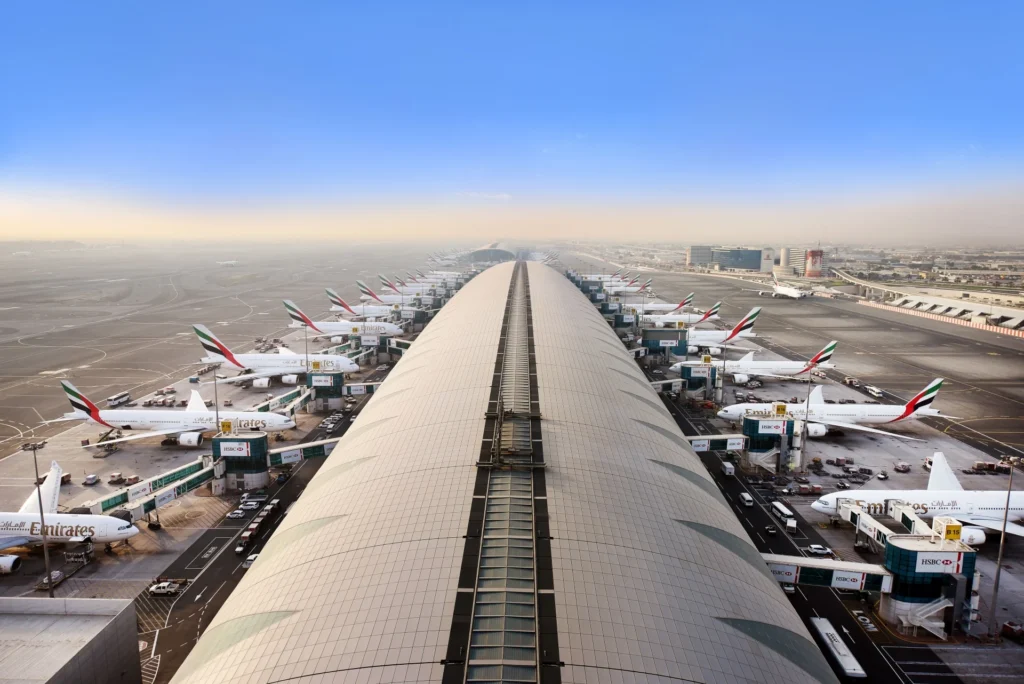
Indian Airlines Allowed One Daily Flight to Dubai
Dubai Airports informed airlines in a private email on March 27 that carriers would be limited to one round trip per day to Dubai International Airport (DXB) and the smaller Al Maktoum International Airport (DWC) during the summer season from April 20 to May 31. The restriction extends curbs that were first implemented after the Iran conflict began.
According to schedule data from aviation analytics firm Cirium, Indian carriers had planned significantly more flights to DXB than any other country’s airlines during April and May.
Air India (AI) and its budget arm Air India Express (IX) had scheduled over 750 flights into DXB during that period. IndiGo (6E) had planned 481 flights, while SpiceJet (SG) had scheduled 61.
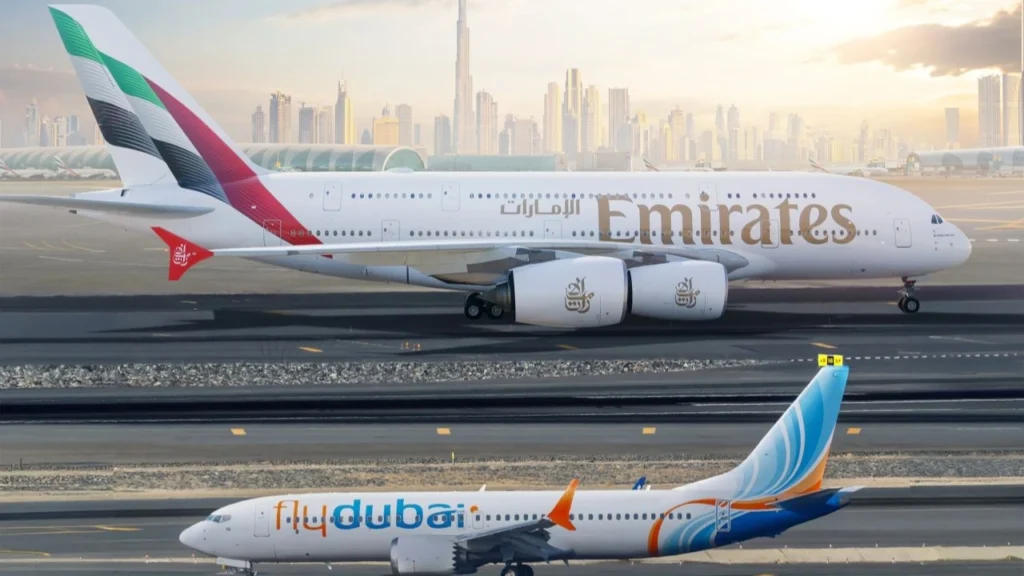
The one-flight-per-day cap limits each foreign carrier to just 30 or 31 flights per month. By contrast, Emirates (EK) and flydubai (FZ) continue to operate hundreds of flights daily, according to Flightradar24 data.
The FIA has formally flagged this disparity to the Indian government, calling it an uneven playing field that could cause “substantial” revenue losses for Indian carriers.
IndiGo (6E) confirmed in a statement to Reuters that the restrictions had “significantly constrained” its operations. The airline had an approved summer schedule of 15 daily flights from India to Dubai (DXB) and said a large portion of its aircraft and capacity is now underutilized, Reuters reported.

Why Indian Carriers Are the Hardest Hit
India was the single largest source of passengers for DXB in 2025, with 11.9 million travellers passing through the airport.
This deep traffic relationship explains why Indian carriers had planned far more flights to Dubai than airlines from any other country, making them disproportionately exposed to the capacity freeze.
Other major international carriers such as Lufthansa (LH), Singapore Airlines (SQ), and British Airways (BA) had scheduled far fewer Dubai flights before the crisis and have suspended all services to DXB until at least May 31. These airlines are redirecting capacity toward non-stop Asia-Europe routes, where strong demand has pushed fares higher.

Existing Pressures on Indian Aviation
Indian carriers were already dealing with significant financial stress before the Dubai restrictions. They have been banned from using Pakistani airspace since last year, following military tensions between India and Pakistan.
This ban forces aircraft onto longer routes to Western destinations, raising fuel costs and reducing operational efficiency.
Higher global fuel prices have added further pressure. The Dubai cap compounds these existing challenges, leaving carriers like IndiGo (6E) and Air India (AI) managing both route and revenue disruptions simultaneously.
What the FIA Is Asking For
The FIA, in its March 31 letter to the Indian government, made two specific requests. First, it asked Indian authorities to engage directly with Dubai to have the restrictions lifted.
Second, it asked that if the restrictions remain, India consider imposing reciprocal measures on Dubai carriers, specifically Emirates (EK) and flydubai (FZ), which currently face no such limits at Indian airports.
Flydubai (FZ) stated that its schedules were approved by the relevant authorities, while Emirates (EK) did not comment.
Stay tuned with us. Further, follow us on social media for the latest updates.
Join us on Telegram Group for the Latest Aviation Updates. Subsequently, follow us on Google News
