

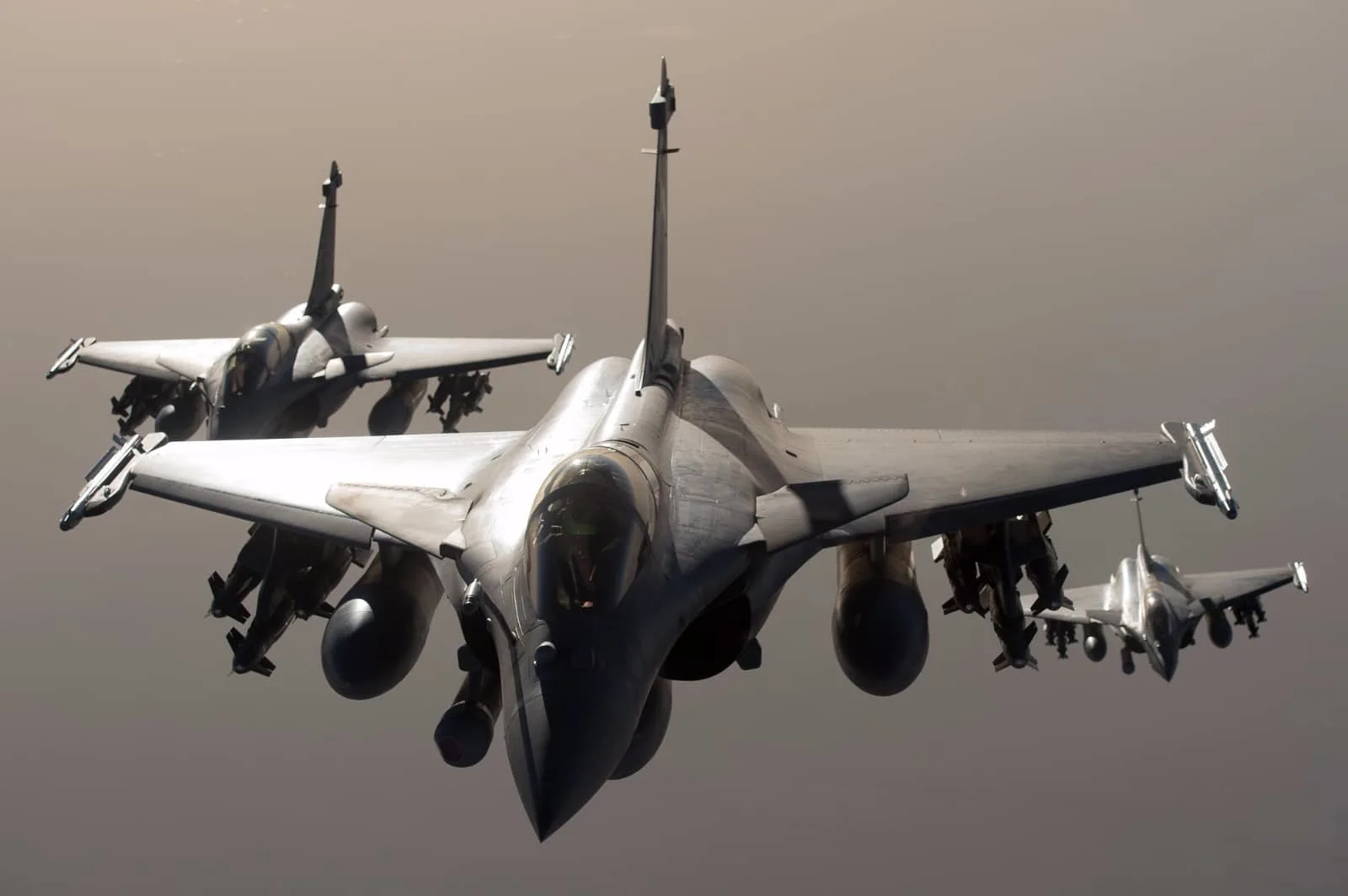
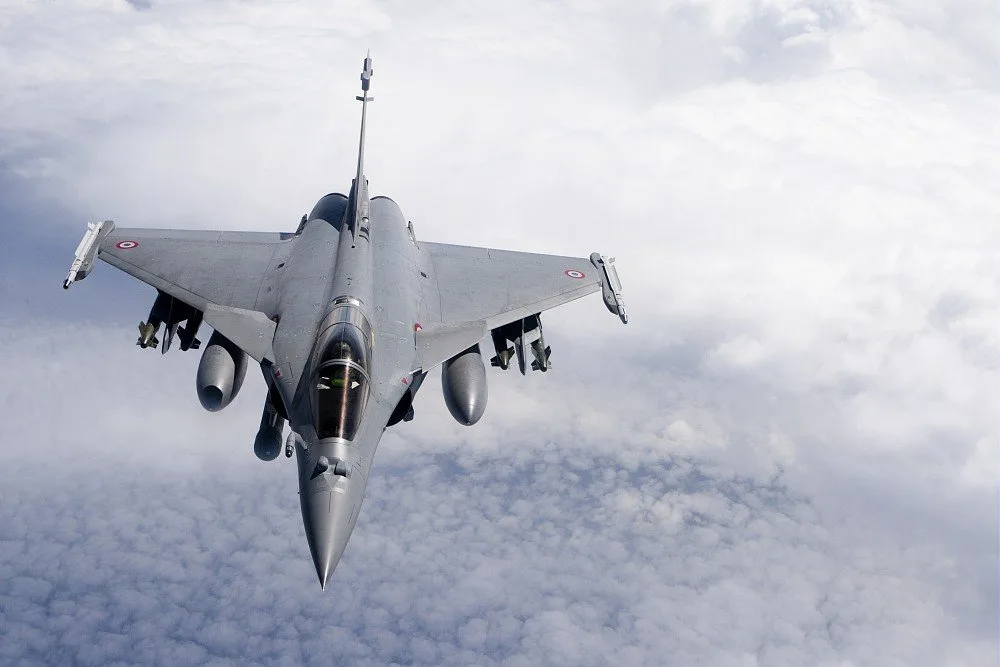
NEW DELHI— The ongoing debate around India’s Rafale acquisition has intensified as concerns emerge over restricted access to critical fighter aircraft software. The Indian Air Force, operating from New Delhi, faces growing scrutiny over whether the deal delivers full operational value.
Dassault Aviation, the manufacturer behind the Rafale jets, has reportedly limited access to key source codes that govern radar, mission systems, and electronic warfare capabilities. This development has sparked a wider policy and defense discussion about long-term technological dependence and sovereignty.
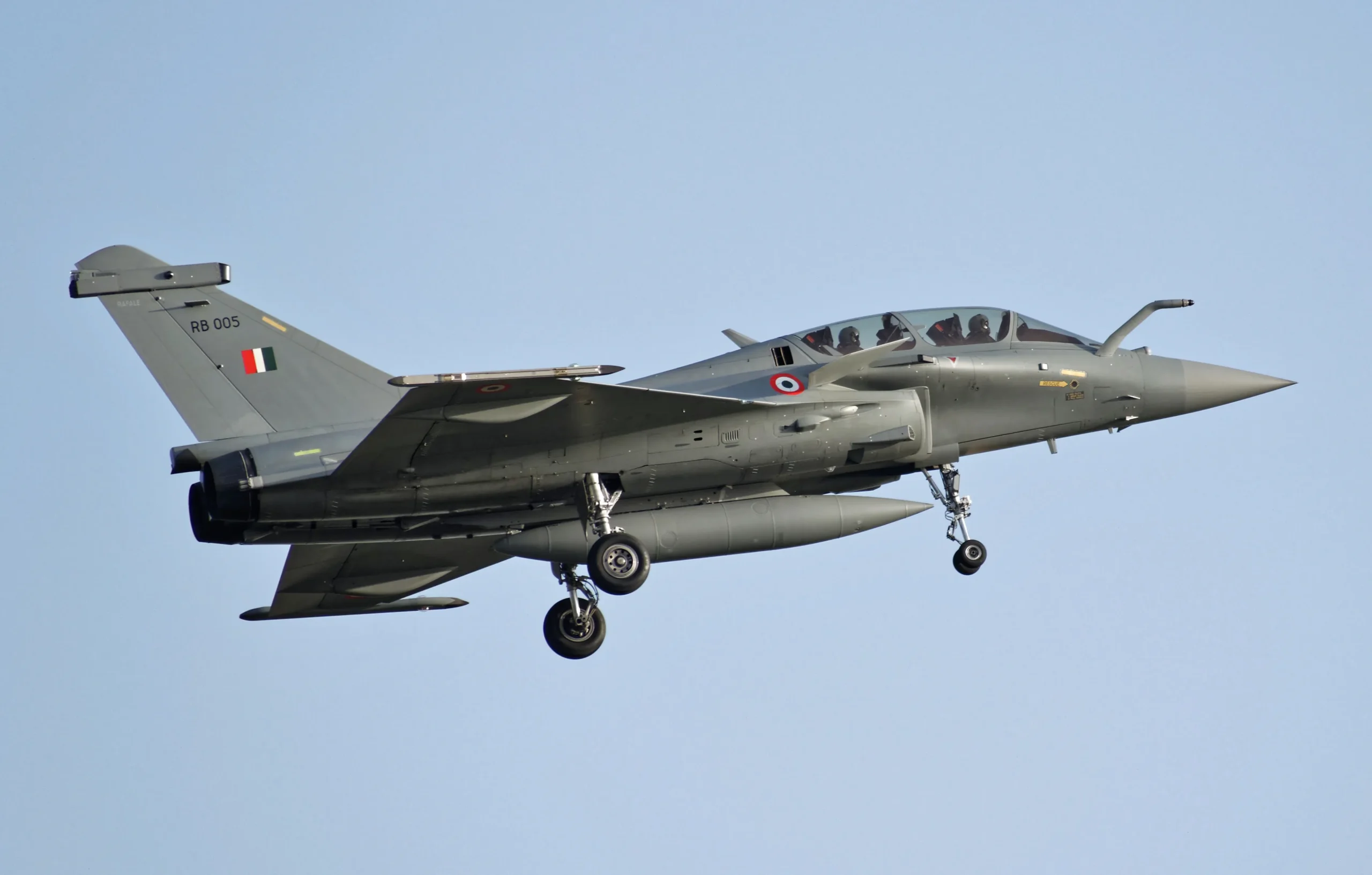
Rafale Software Access Limits
Modern fighter aircraft rely heavily on software, which contributes nearly 30 to 40 percent of total system value. When original equipment manufacturers restrict access to source code, buyers effectively receive partial operational control despite full financial commitment.
As aircraft systems become more advanced, software will account for an even greater share of capability and cost. This trend increases the strategic importance of securing meaningful access to mission-critical code.
Restricted access limits a country’s ability to upgrade systems independently. It also reduces flexibility in adapting aircraft to evolving combat scenarios.
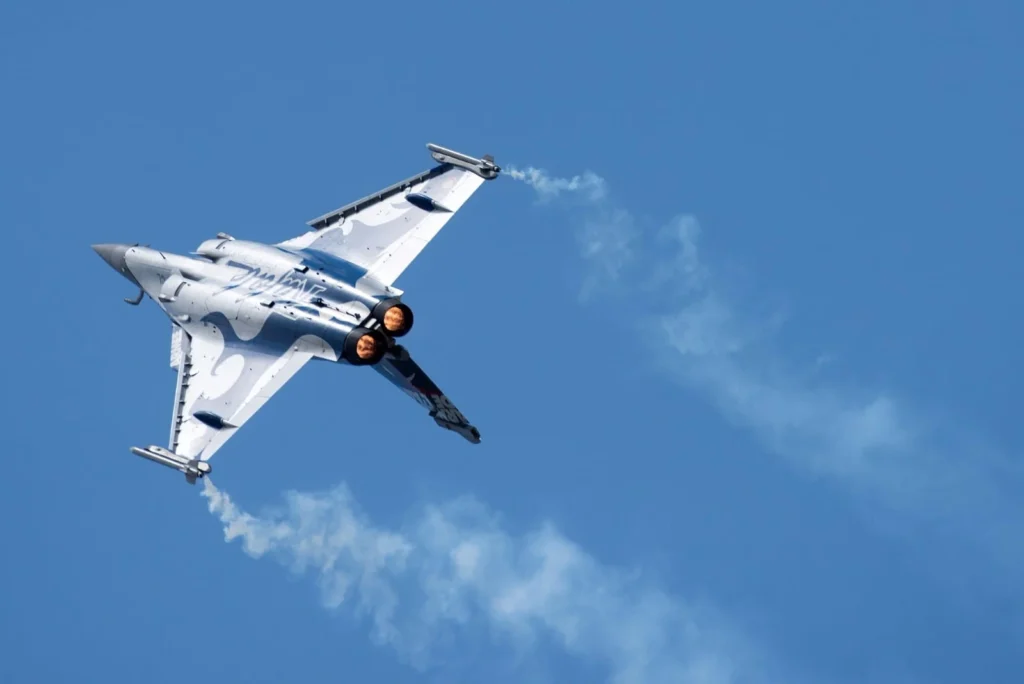
OEM Dependency Risks
Limited software access creates long-term reliance on the manufacturer for upgrades and modifications. Each change in weapons integration or tactical systems requires approval and support from the original developer.
This dependency can delay operational readiness and increase lifecycle costs. Software modifications do not add tangible assets, yet they demand recurring financial investment.
According to The Eurasian Times, there is also a risk that manufacturers may restrict the integration of third-party weapons. This limitation can directly affect combat versatility and strategic autonomy.
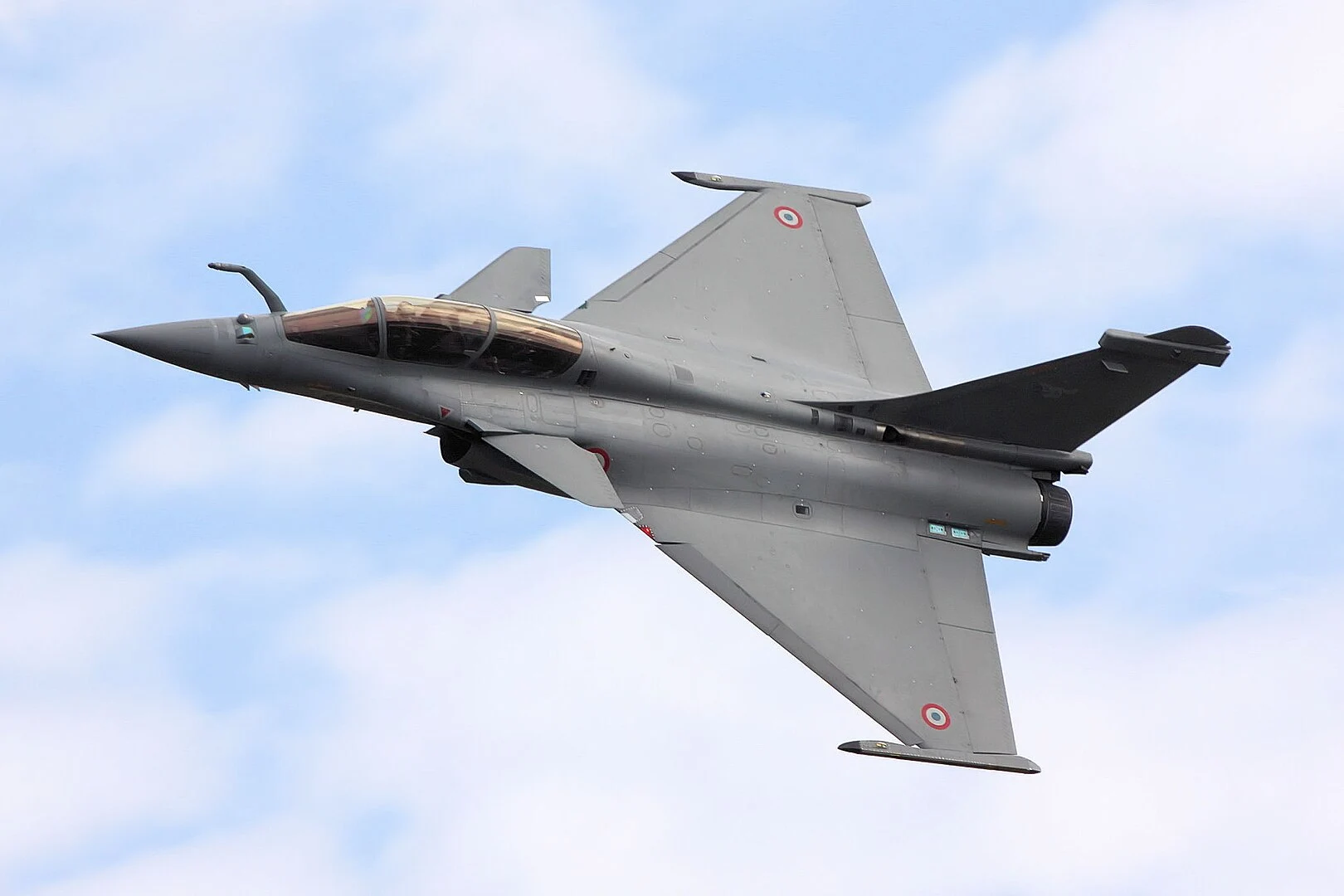
Source Code Access in Fighter Jets
Fighter aircraft software follows a layered architecture, separating hardware interaction from mission-level applications. Lower layers handle sensors and avionics, while higher layers define combat behavior and pilot interface.
Complete source code transfer is rare due to security and intellectual property concerns. However, partial access through programming interfaces is common and allows controlled integration of new systems.
Such interfaces provide limited visibility into underlying code structures. They may not support future technologies like drone coordination or advanced networked warfare without further expansion.
There is also a risk of hidden limitations within the software. Past experiences have shown that integration issues can remain undetected until operational testing, potentially affecting mission outcomes.
India’s past experience with incompatible weapon systems highlights the importance of flexible software access. Early detection and modification rights are critical for maintaining readiness.
Bottom Line
India’s Rafale acquisition debate underscores a broader issue in modern defense procurement. Software access now defines operational independence as much as hardware capability.
Experts argue that future agreements must include clear provisions for scalable and affordable access to required software layers. Without such safeguards, nations risk long-term dependency and reduced combat effectiveness.
A balanced approach that protects manufacturer interests while ensuring buyer autonomy will be essential for sustainable defense partnerships.
Stay tuned with us. Further, follow us on social media for the latest updates.
Join us on Telegram Group for the Latest Aviation Updates. Subsequently, follow us on Google News
