


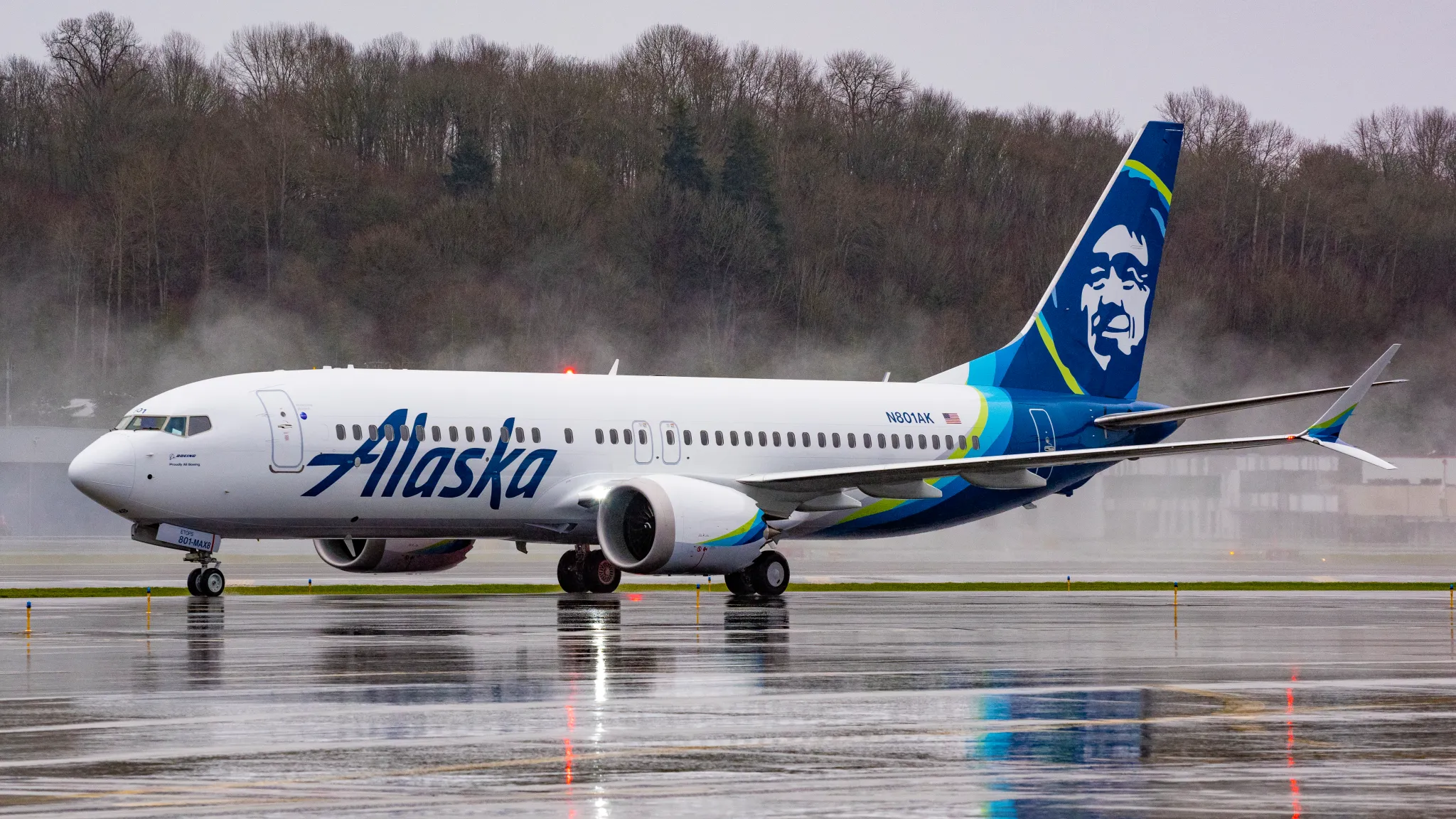
SEATTLE— Police were called to meet an Alaska Airlines (AS) flight after a passenger allegedly triggered a smoke alarm by vaping mid-air. The incident occurred on board a Boeing 737 MAX 9 operating from Seattle-Tacoma International Airport (SEA) to Sacramento International Airport (SMF).
The aircraft departed at around 9:20 a.m. for a short-haul journey, but the situation escalated at cruising altitude when a lavatory smoke detector was activated. The crew followed safety protocols and requested law enforcement presence upon arrival.

Alaska Airlines Bans Passenger for Vaping
Air traffic control audio revealed that the flight crew reported the issue while en route. The pilot requested authorities to meet the aircraft, stating that a passenger had used a vaping device inside a lavatory.
Electronic smoking devices are strictly prohibited during flights due to safety concerns. These devices contain lithium batteries, which can pose a fire hazard if they malfunction or overheat.
Airlines allow passengers to carry such devices in cabin baggage only, but their use onboard is banned. The activation of a smoke detector is treated as a serious safety event, requiring immediate crew attention.

Flight Lands Safely in Sacramento
The flight landed safely in Sacramento shortly after 11 a.m, The Independent reported. Local law enforcement officers were present at the gate to address the situation involving the passenger.
Alaska Airlines confirmed that the individual was identified and removed following arrival. The airline also stated that the passenger has been banned from future travel with the carrier.
The airline commended its crew for handling the incident professionally. It also apologized to other passengers for any inconvenience caused during the flight.

FAA Rules on Vaping
The Federal Aviation Administration maintains strict regulations regarding smoking and vaping onboard aircraft. The use of e-cigarettes and similar devices is considered a federal offense.
Authorities emphasize that such actions are not only unsafe but also illegal. Smoke alarms on aircraft are highly sensitive and are designed to detect even small traces of smoke or vapor.
A similar safety concern was reported recently on a Virgin Australia flight, where a vaping device ignited during descent. Emergency crews were placed on standby as a precaution.
Bottom Line
These incidents highlight the risks associated with lithium battery-powered devices in confined aircraft environments. Airlines continue to reinforce awareness among passengers regarding these restrictions.
The aviation industry treats onboard fire risks with the highest level of seriousness. Even minor incidents can escalate quickly, making strict compliance with safety rules essential.
Stay tuned with us. Further, follow us on social media for the latest updates.
Join us on Telegram Group for the Latest Aviation Updates. Subsequently, follow us on Google News
