

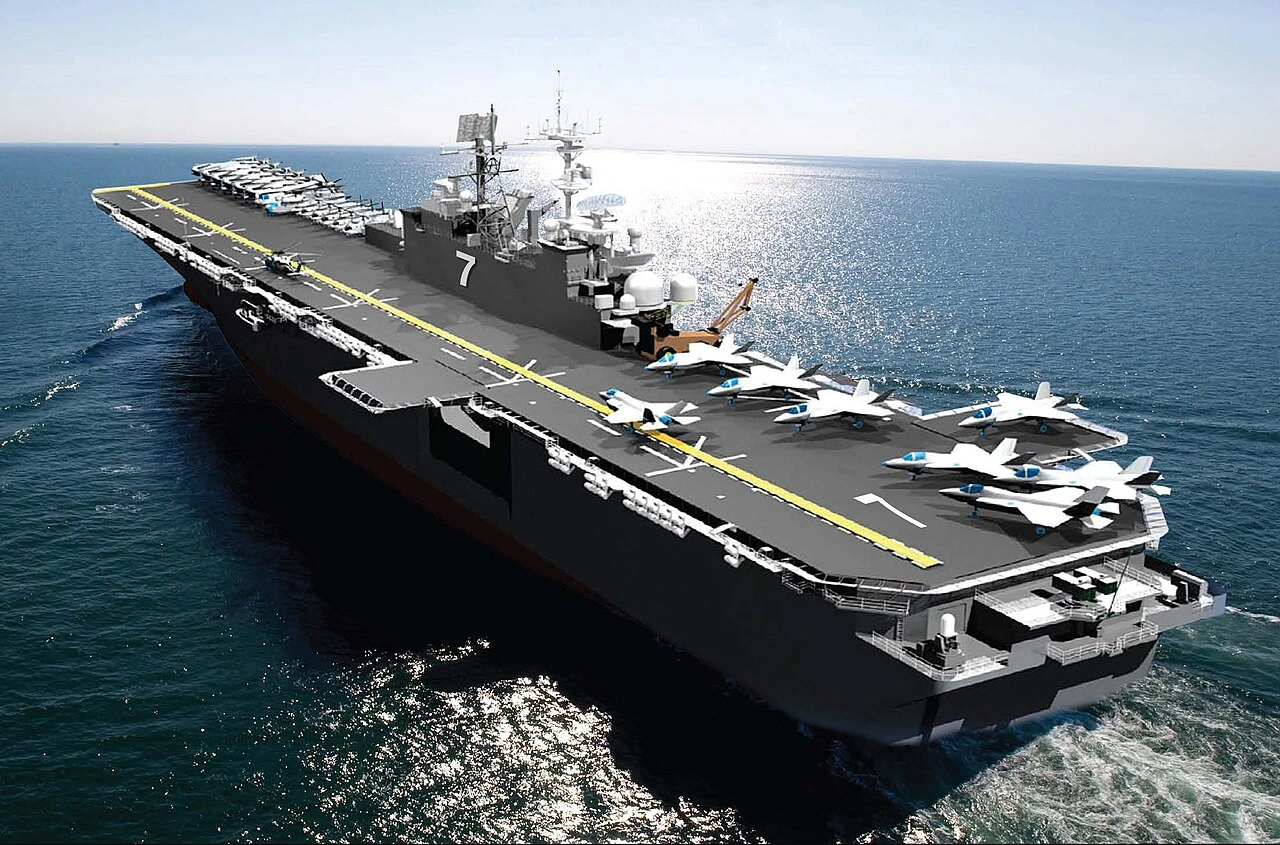
Naval power has always been integral to national defence and global influence. Historically, large fleets of battleships and cruisers defined maritime dominance. Today, naval aviation does much of the heavy lifting. Aircraft at sea extend the reach of surface fleets, providing reconnaissance, interdiction, anti-submarine warfare, and force projection far beyond the horizon.
In 2026, the distribution of naval aircraft remains a powerful indicator of which nations command the seas with both scale and capability.
Naval aviation wings include fixed-wing combat aircraft, maritime patrol planes, and helicopters assigned to carrier, amphibious, and surface fleets.
While some navies operate large fleets of surface combatants and submarines with modest air arms, others have invested heavily in airborne capability. Analysing naval aircraft numbers offers a compelling window into contemporary maritime strength.
Largest Navy in the World by Fleet Size in 2026
Below are the top 10 largest navies in the world in 2026, ranked by naval aircraft fleet size, reflecting both breadth and operational scope.
1. United States
Naval Aircraft (Approx. 2,500+)
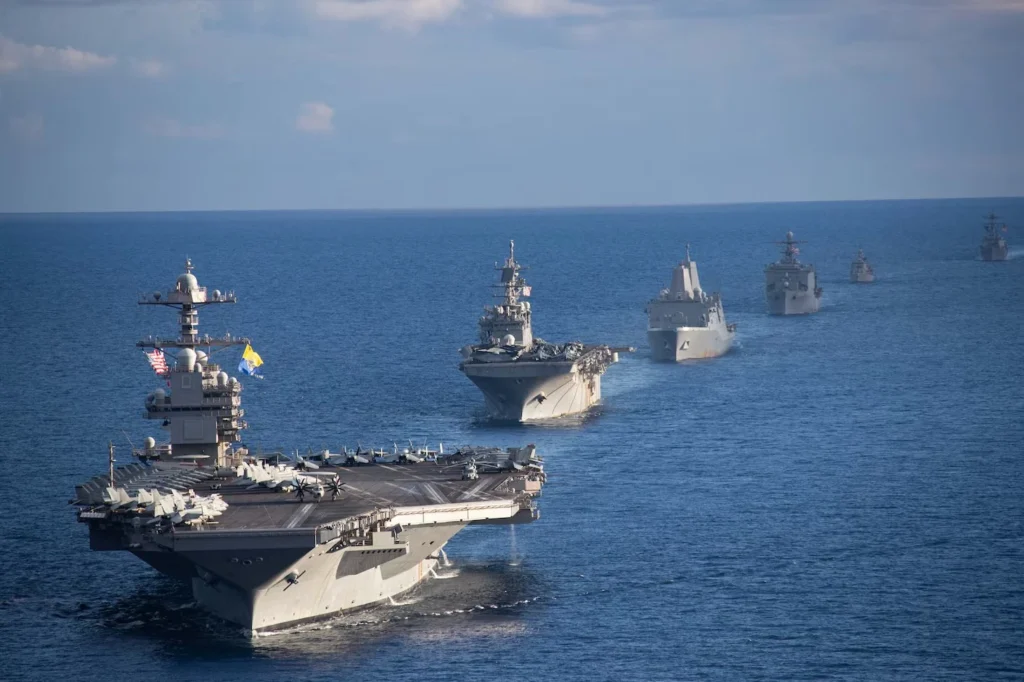
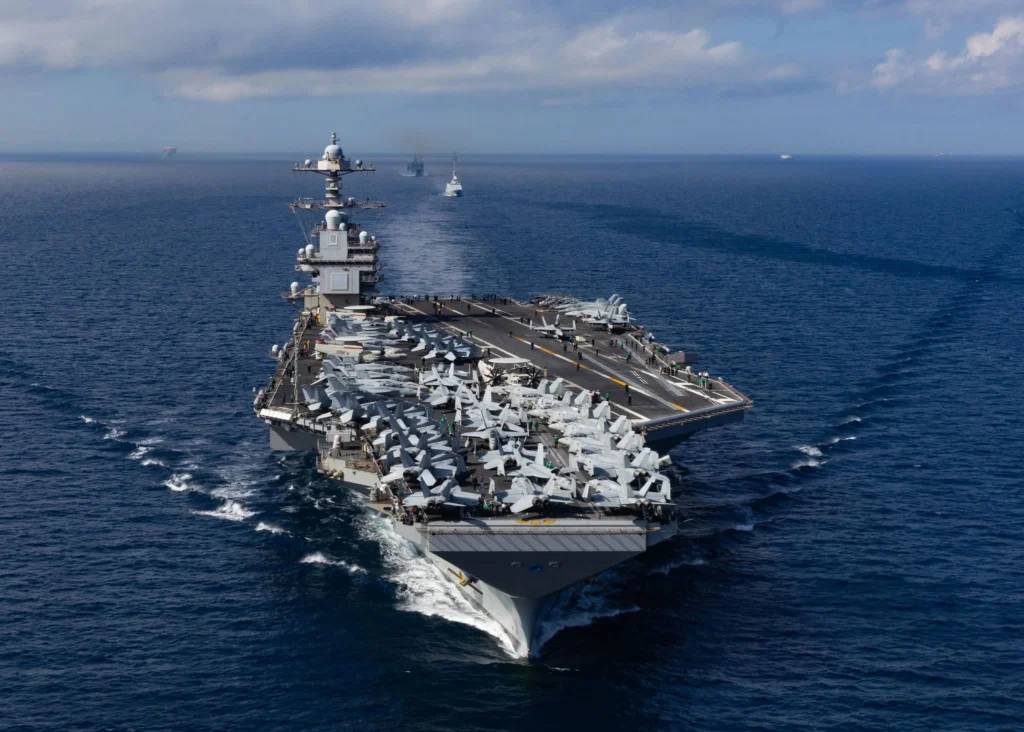
The United States Navy stands unchallenged globally, both in carrier strike capability and sheer aviation muscle. Its fleet of approximately 2,484 naval aircraft, including carrier-borne fighters, airborne early warning platforms, anti-submarine helicopters, and specialised reconnaissance planes, remains larger than all other top navies combined, World Population Review reported.
At the core of U.S. naval aviation are its aircraft carriers, such as USS Gerald R. Ford and USS Nimitz, which serve as floating airbases capable of projecting power anywhere on the planet. Carrier Air Wings combine F/A-18 Super Hornets, E-2 Hawkeyes, EA-18G Growlers, and MH-60R/S helicopters into a flexible, multi-mission force.
Beyond carriers, the U.S. deploys naval patrol aircraft like the P-8 Poseidon for long-range maritime surveillance, and tiltrotor MV-22 Ospreys that support amphibious forces. This sprawling air component underpins the U.S. Navy’s ability to dominate not just the sea surface, but the airspace above and maritime approaches below.
2. China
Naval Aircraft: ~436
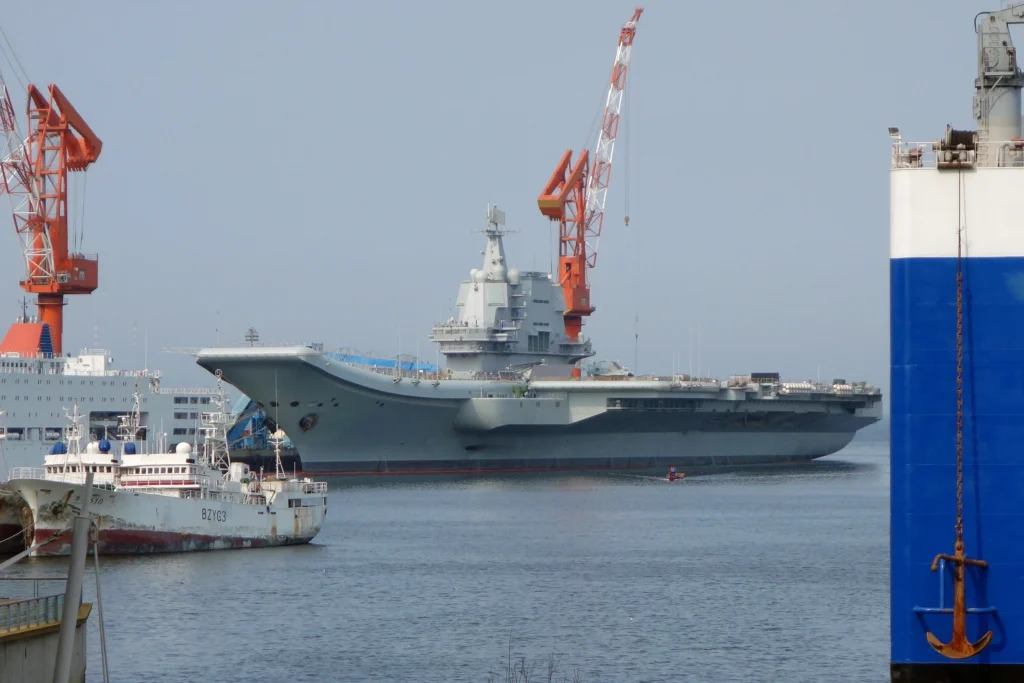
China’s naval aviation arm has undergone rapid expansion over the past decade. With approximately 436 aircraft, the People’s Liberation Army Navy’s air component has become a central pillar of Beijing’s maritime strategy. Aircraft carriers like Liaoning and Shandong now host carrier-based fighters, while future carriers under construction promise further growth.
Much of China’s naval aviation inventory consists of J-15 fighter jets adapted for carrier operations, as well as shipborne helicopters for anti-submarine warfare and search-and-rescue. Maritime patrol aircraft extend China’s surveillance reach over the South China Sea and beyond.
Together with investments in surface combatants and submarines, China’s naval aviation expansion reflects its aim to project power across regional waters and into open ocean environments, challenging traditional dominance by Western navies.

3. Japan
Naval Aircraft: ~291
Japan’s Maritime Self-Defence Force operates one of the region’s most capable naval aviation fleets, with around 291 aircraft. While Japan’s post-war constitution limits offensive operations, its naval air arm remains crucial for coastal defence, patrol, and anti-submarine missions.
Japan’s carriers, often termed helicopter destroyers, such as the Izumo-class, now deploy fixed-wing STOVL fighters (F-35B) and an array of maritime helicopters. Combined with advanced airborne patrol aircraft, Japan’s naval aviation network enhances anti-submarine warfare, early warning, and joint operations with allies.
Facing an increasingly contested maritime domain, Japan’s naval aviation supports deterrence and rapid response across the East China Sea and wider Pacific.
ALSO READ: Top 10 Largest Army in the World by Aircraft Fleet Size in 2026
4. India
Naval Aircraft: ~258
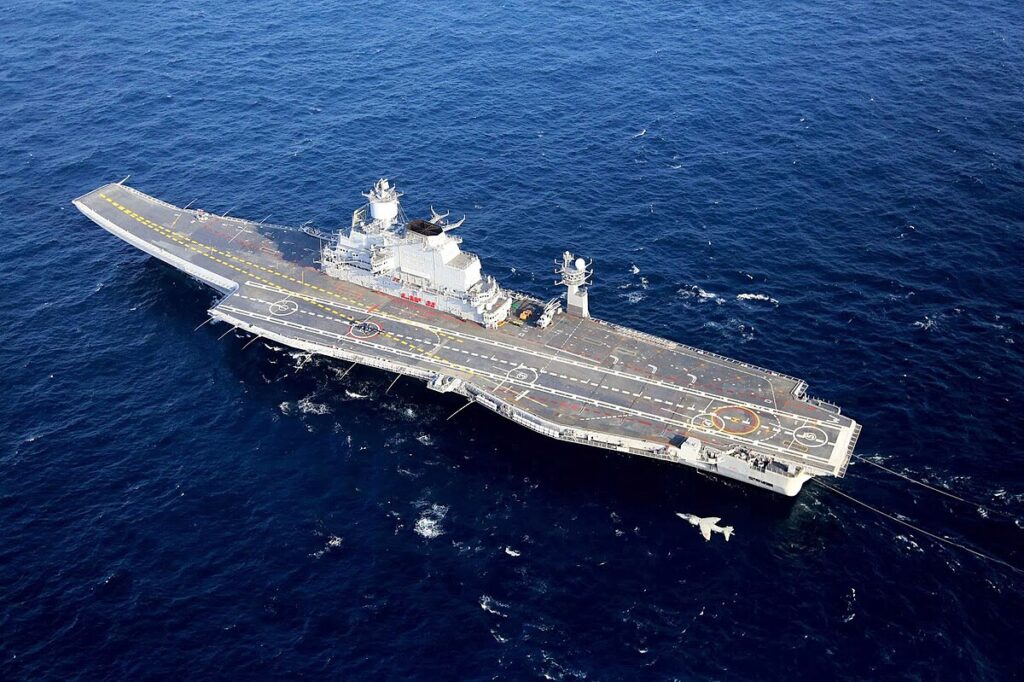
India’s naval aviation fleet, with around 258 aircraft, reflects its strategic focus on the Indian Ocean Region. India operates aircraft carriers like INS Vikramaditya and its indigenous carrier INS Vikrant, which host a mix of carrier fighters, airborne early warning aircraft, and helicopters.
Indian naval helicopters perform critical roles in anti-submarine warfare, search and rescue, and maritime patrol. Fixed-wing naval patrol aircraft extend India’s surveillance over key sea lanes, while multi-role jets provide defensive cover for surface task groups.
With growing attention on regional security and partnership operations, India’s naval aviation plays a central role in projecting influence and monitoring critical maritime corridors.
5. France
Naval Aircraft: ~170
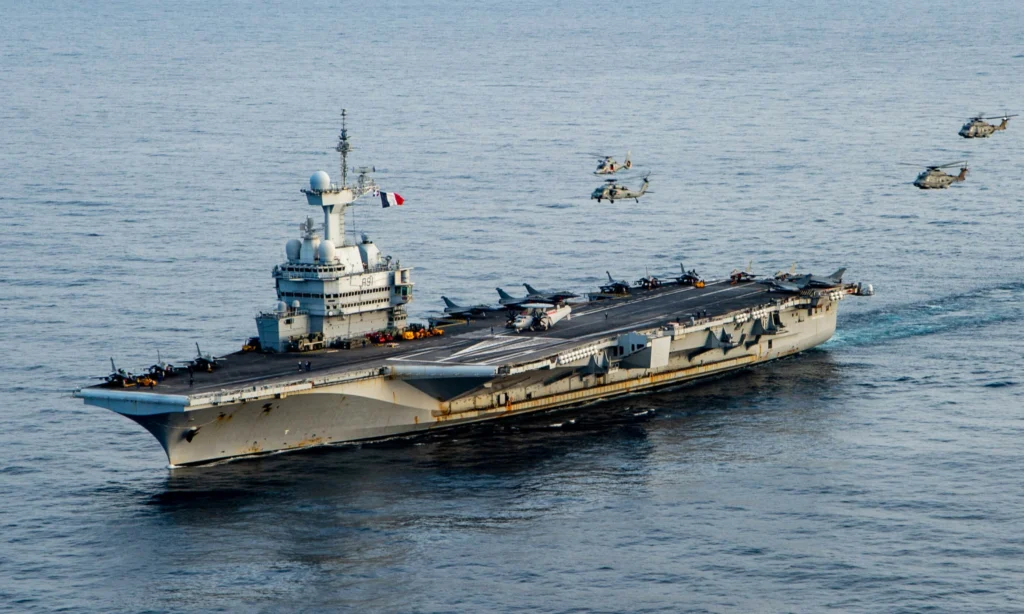
France maintains around 170 naval aircraft, anchored by the nuclear-powered aircraft carrier Charles de Gaulle. This carrier operates Rafale M fighters alongside E-2C Hawkeyes and NH90 helicopters, enabling strike, surveillance, and maritime security missions worldwide.
France’s naval aviation is designed for independent power projection, supporting operations in Europe, Africa, and the Middle East. French patrol aircraft and shipborne helicopters contribute to anti-submarine warfare, security patrols, and multinational coalition missions.
Though smaller than those of the world’s largest navies, France’s naval aviation remains highly capable and globally deployable.
6. Mexico
Naval Aircraft: ~140
Mexico has 138 aircraft in its naval fleet. The Mexican Navy is primarily built to secure the country’s long coastline and its large Exclusive Economic Zone. Its core mission revolves around coastal defense, countering illegal activities such as drug trafficking and illegal fishing, and responding to natural disasters with humanitarian aid.
In recent years, it has also taken part in multinational exercises like RIMPAC and UNITAS, signaling a push toward better coordination with allied forces and a broader regional role beyond its immediate waters.
Its fleet is gradually shifting away from older, second-hand U.S. ships toward newer, domestically produced vessels. At the center of its combat capability is the POLA-class frigate ARM Reformador, developed in partnership with Dutch shipbuilder Damen.
This ship marks a step forward in terms of technology, with modern radar systems and missile capabilities for both air and surface threats.
Still, the fleet relies heavily on offshore patrol vessels, especially the Oaxaca-class, which are built in Mexico and used for long-range patrol, surveillance, and interdiction. Supporting assets include smaller patrol boats, interceptors, auxiliary vessels, and a pair of tank landing ships for amphibious roles.
7. Italy
Naval Aircraft: ~121
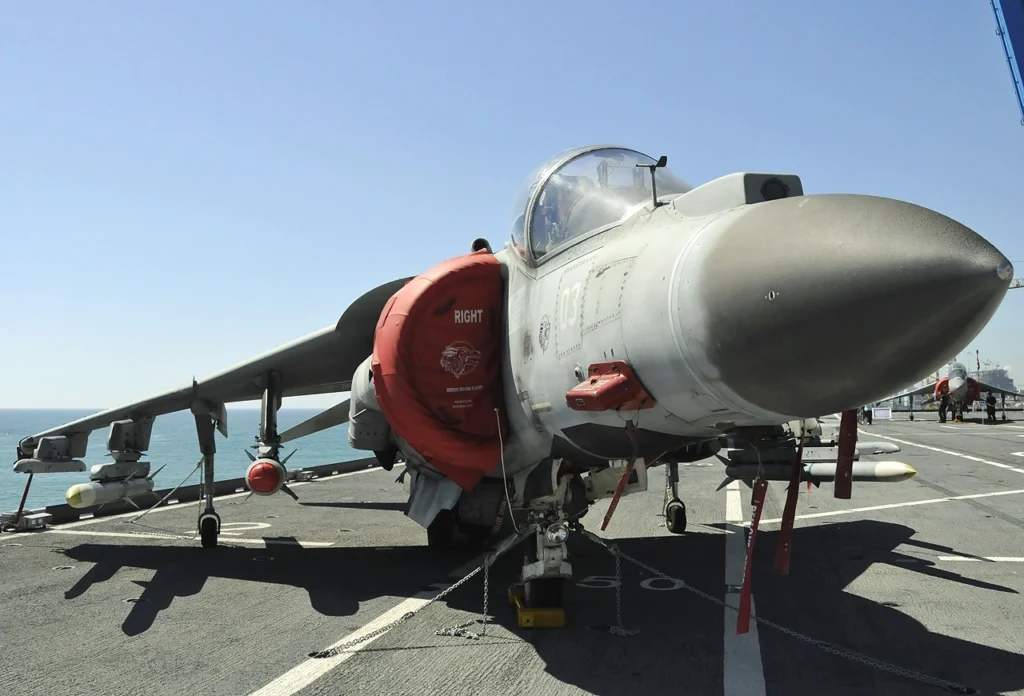
Italy’s naval aviation fleet of about 121 aircraft supports operations in the Mediterranean and beyond. Carrier-capable helicopters and fixed-wing patrol aircraft form the core of its maritime air arm.
Italian naval aviation emphasises anti-submarine warfare, coastal surveillance, and search-and-rescue operations. Its aircraft integrate closely with surface task groups and NATO missions in Europe, reflecting Italy’s strategic position at the crossroads of southern Europe, North Africa, and the Middle East.
ALSO READ: Largest Air Forces in the World by Pilots in 2026

8. United Kingdom
Naval Aircraft: ~93
The Fleet Air Arm is the aviation branch of the Royal Navy. It delivers air power wherever it is needed, across sea, land, and air operations.
With an advanced fleet of close to 100 aircraft and highly trained personnel, the Fleet Air Arm helps maintain the UK’s global reach and operational strength.
What sets it apart is its ability to operate from aircraft carriers and ships. These mobile bases allow helicopters and jets to deploy worldwide, giving the Royal Navy flexibility, speed, and extended reach.
The Fleet Air Arm uses modern aircraft such as the F-35 Lightning II, Merlin helicopters, and Wildcat helicopters.

9. South Korea
Naval Aircraft: ~71
South Korea’s naval aviation branch operates roughly 71 aircraft. While smaller in number, these aircraft are tasked with key roles in a tense regional security environment, including anti-submarine patrol and coastal surveillance.
South Korea’s fleet consists largely of maritime helicopters deployed from surface ships, reflecting its focus on protecting sea lanes and responding to threats in nearby waters. Naval aviation remains a critical force multiplier for the Republic of Korea Navy.
10. Brazil
Naval Aircraft: ~58
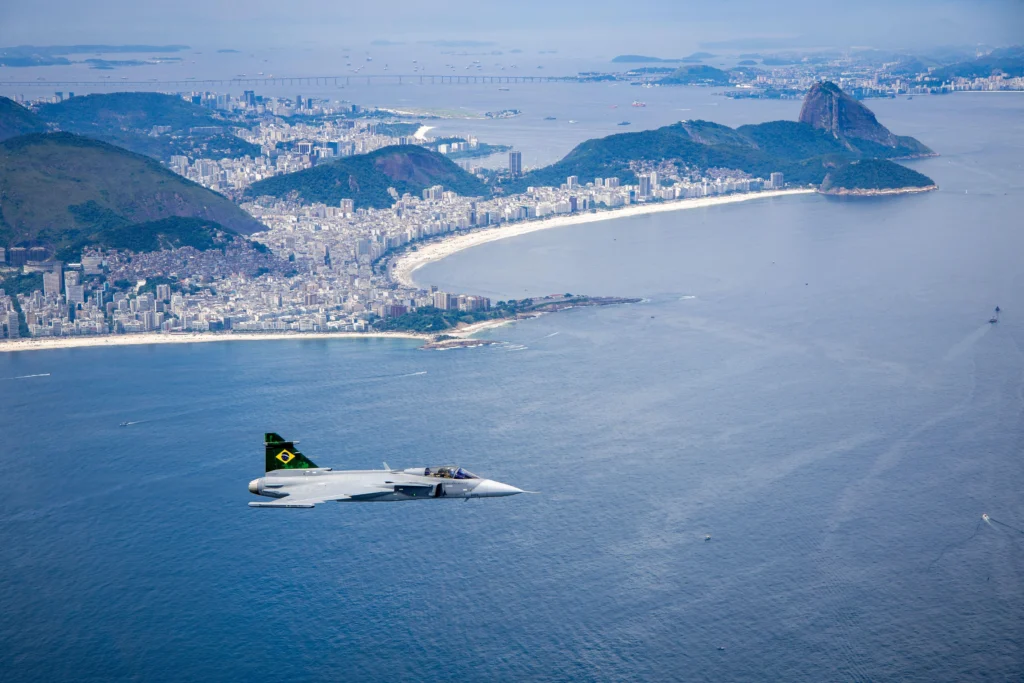
The Brazilian Navy is the maritime branch of Brazil’s Armed Forces, responsible for defense, law enforcement, and management of the country’s extensive maritime domain, often called the “Blue Amazon.”
It operates a mix of naval, aviation, and marine forces, with its main fleet based in Rio de Janeiro and additional assets spread along the coast and major river systems like the Amazon and Paraguay basins.
Historically, the Navy played a central role in Brazil’s 19th-century consolidation and regional conflicts, reaching global prominence before declining after political upheavals.
BONUS:

14. Turkey
Naval Aircraft: ~47
Turkey fields around 47 naval aircraft, primarily helicopters that support warships and amphibious vessels. These aircraft perform maritime patrol, anti-submarine missions, and search-and-rescue operations in the Black Sea, Aegean, and Mediterranean.
Turkey’s naval aviation is tailored to regional security needs, contributing to deterrence and maritime surveillance alongside surface and submarine fleet components.
15. Pakistan
Naval Aircraft: ~45
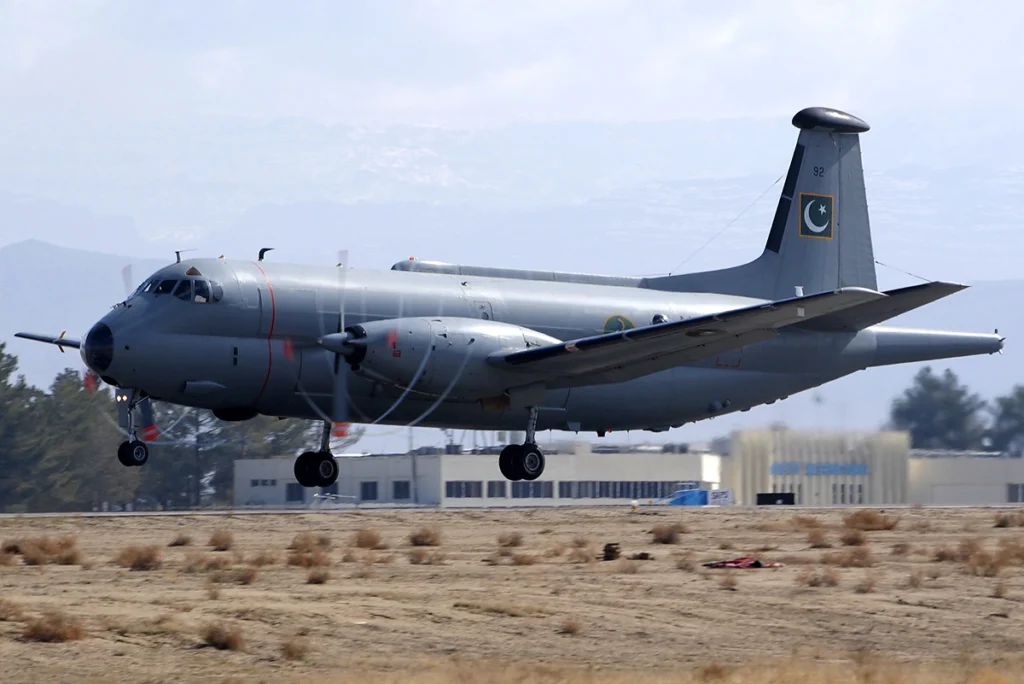
Pakistan’s naval aviation fleet of approximately 45 aircraft focuses on maritime patrol and security operations in the Arabian Sea. Helicopters and patrol planes extend the Pakistan Navy’s reach, supporting anti-submarine patrols and coastal defence.
Though modest in size, this aviation component provides Pakistan with essential capabilities for monitoring its maritime approaches and supporting surface operations.
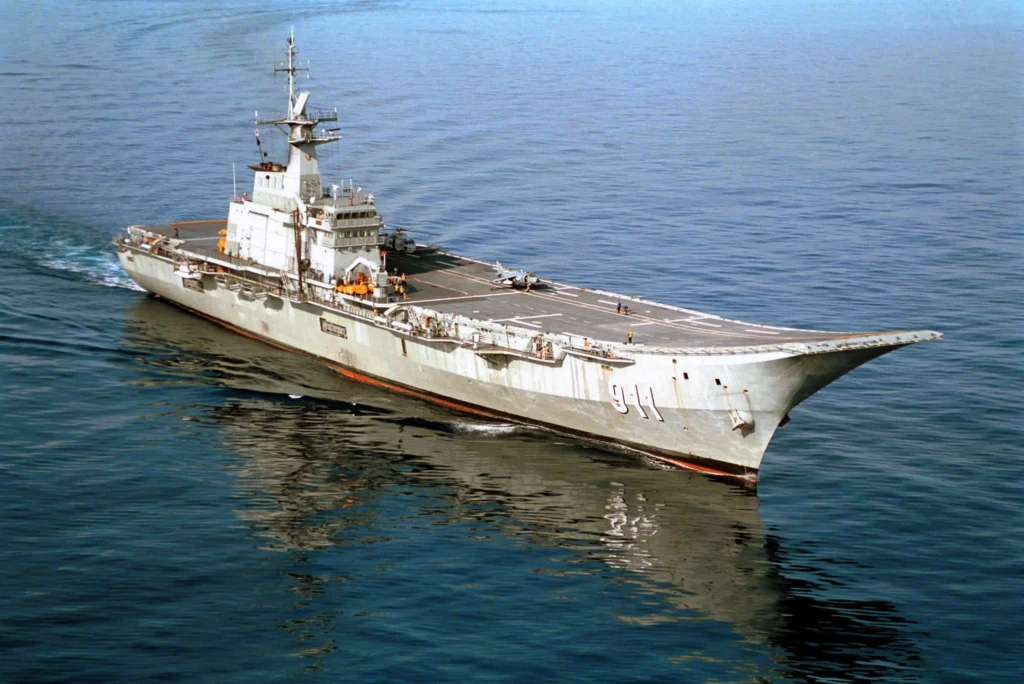
18. Thailand
Naval Aircraft: ~39
Thailand rounds out the top ten with about 39 naval aircraft. The fleet supports coastal patrol, search-and-rescue, and limited anti-submarine missions.
Its aircraft operate primarily from frigates and other surface ships, reflecting Thailand’s focus on national maritime security and regional cooperation.
Bottom Line
Naval aviation remains a cornerstone of contemporary seapower. While surface ships and submarines capture public attention, it is aircraft, from carrier-borne fighters to long-range patrol planes, that often define a navy’s operational capability and strategic reach.
These numbers don’t just represent aircraft; they represent doctrine, investment, and the evolving nature of maritime competition. Control of the seas increasingly depends on the skies above them.

Largest Navy in the World FAQs
Naval aircraft include any aviation assets operated by a navy or naval service, fixed-wing jets, maritime patrol aircraft, helicopters assigned to surface combatants and amphibious ships, and specialised surveillance aircraft.
Partially. Aircraft carriers significantly boost naval aviation numbers, especially with fixed-wing fighter wings. However, maritime patrol and helicopter fleets also contribute substantially even without carriers.
Not necessarily. Quality, technology, training, and integration with surface and submarine forces are equally important. Larger numbers increase reach and redundancy, but capability depends on multiple factors beyond size.
Stay tuned with us. Further, follow us on social media for the latest updates.
Join us on Telegram Group for the Latest Aviation Updates. Subsequently, follow us on Google News
