

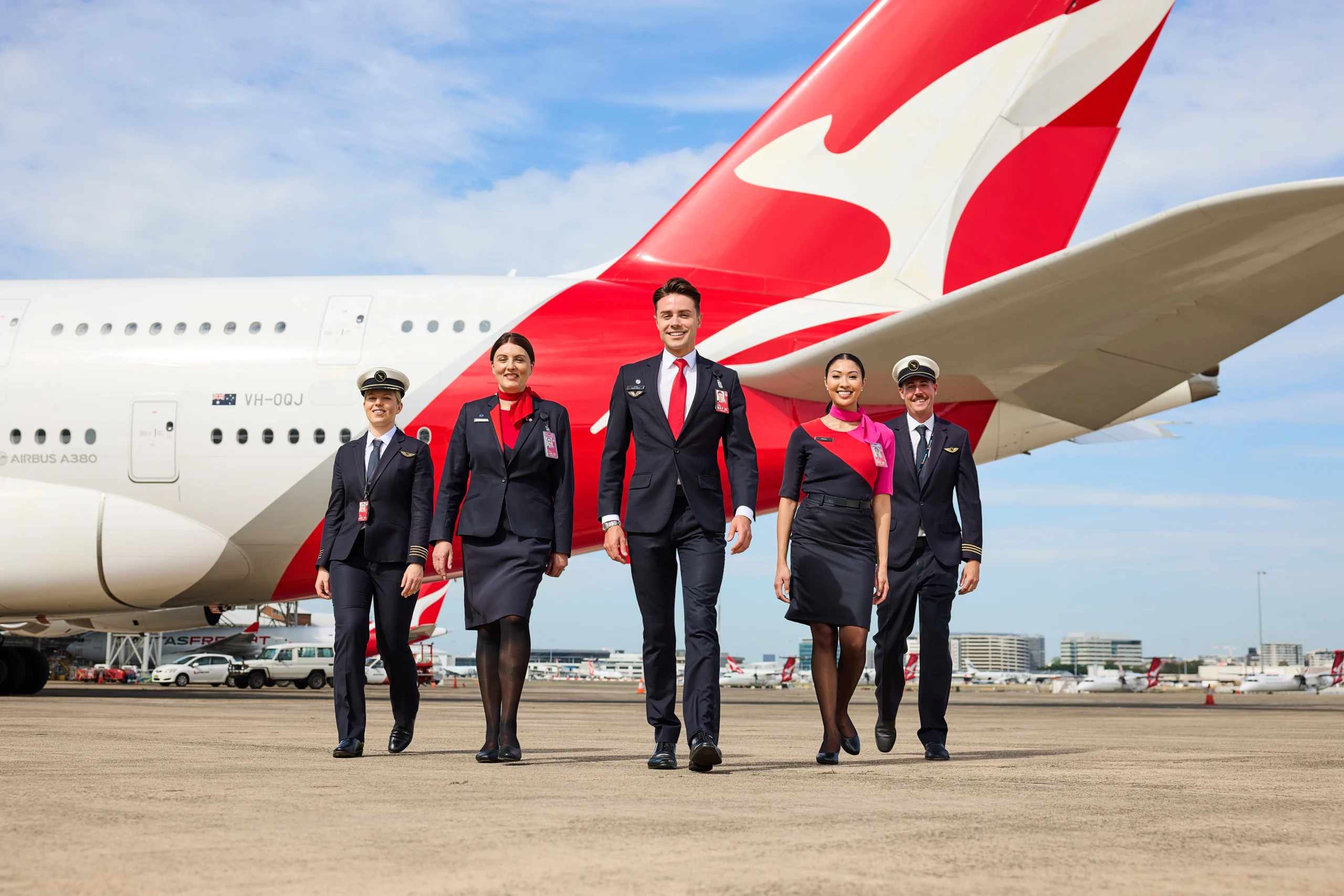
Qantas Airways (QF) is Australia’s flag carrier and one of the world’s longest-established airlines, operating a broad network that spans domestic routes and extensive international destinations across Asia, the Pacific, Europe, and the Americas.
Known for its premium service and high safety standards, Qantas places strong emphasis on customer experience and cabin professionalism. Cabin crew are responsible for safety, service delivery, and passenger care across all classes of travel, including Qantas’ long-haul and premium international operations.
In 2026, Qantas continues a structured pay and benefits framework for cabin crew, with salaries that reflect the airline’s full-service position, strong union agreements, and the Australian aviation market. Total compensation includes base salaries, flying allowances, and additional duty-based pay, with clear progression through experience and seniority.
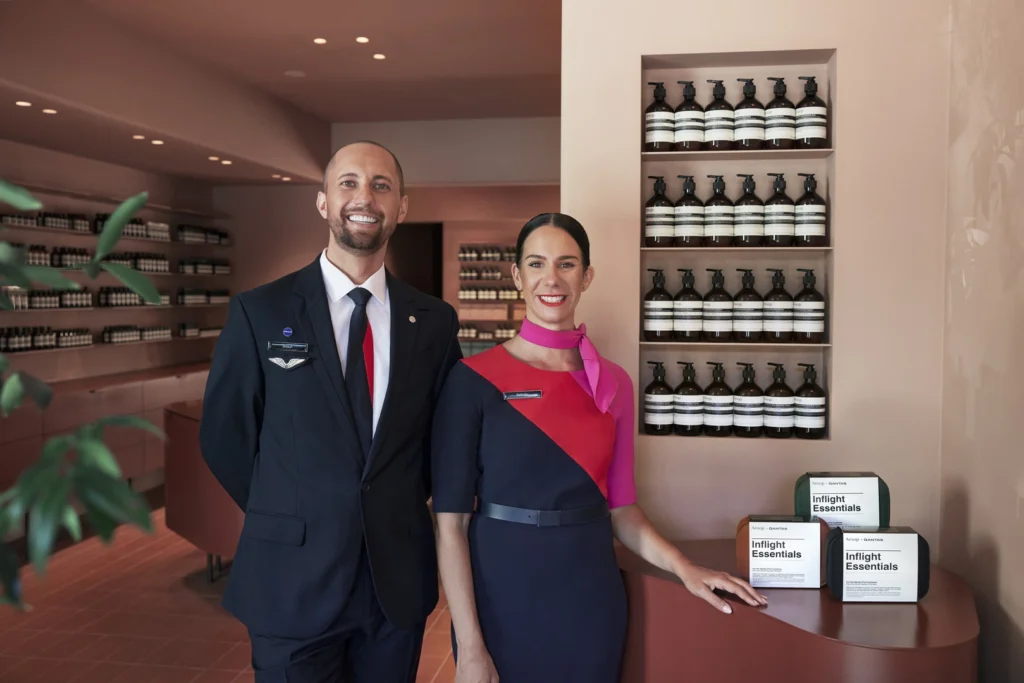
Qantas Cabin Crew Salary in 2026
In 2026, Qantas cabin crew salaries are determined by grade, years of service, route type, and flying hours. Entry-level cabin crew typically receive a base annual salary of around AUD 60,000 per year (USD 39,800 per year).
Once flying allowances and duty pay are applied, most new cabin crew earn total compensation in the region of AUD 65,000 to AUD 70,000 per year (USD 43,100 to USD 46,400 per year).
Mid-career cabin crew with several years of service and a mix of domestic and international flights usually earn between AUD 75,000 and AUD 85,000 per year (USD 49,800 to USD 56,400 per year) when base salaries and allowances are combined.
Senior cabin crew, such as lead attendants, pursers, and those with long-haul or premium cabin responsibilities, often earn around AUD 90,000 to AUD 105,000 per year (USD 59,800 to USD 69,800 per year) or more, depending on flying hours, roster patterns, and duty premiums.
Unlike purely regional carriers, Qantas cabin crew can significantly increase earnings through premium roster assignments, long-haul duty allowances, night flights, and seasonal demand, all of which contribute to higher total pay beyond base salary alone.
ALSO READ: Cathay Pacific Cabin Crew Salary in 2025

Benefits of Working as Qantas Cabin Crew
In addition to their salaries, Qantas cabin crew can leverage the following benefits.
- Base and flying allowances – Qantas cabin crew receive additional flying-hour pay and duty allowances on top of base salary, which increase total earnings according to roster intensity and flight types.
- Night, weekend, and public holiday premiums – Additional pay is provided for duties undertaken at night, on weekends, or on public holidays to recognise the irregular nature of aviation work.
- Health and medical insurance – Crew are covered by health and medical insurance plans that help manage hospitalisation, medical needs, and emergency care for themselves and eligible dependants.
- Retirement savings schemes – Qantas provides access to retirement savings plans with employer contributions via superannuation, helping cabin crew build long-term financial security beyond active flying years.
- Paid training and uniform support – New recruits receive paid initial training covering safety procedures, in-flight service standards, and emergency readiness. Required uniforms are supplied and supported, reducing personal costs for presentation.
- Paid leave and rest provisions – Paid annual leave, sick leave, and statutory holidays are provided. Rosters are designed with rest periods to support wellbeing and comply with aviation duty-time standards.
- Travel privileges and discounts – Cabin crew enjoy discounted or standby travel across the Qantas network and, often, on partner airlines. These travel benefits frequently extend to eligible family members, making personal travel more affordable.
- Employee assistance and wellbeing support – Crew have access to employee assistance programmes, counselling, and wellness resources to help manage the psychological and lifestyle demands of cabin crew life.
- Career development and progression – Ongoing development and leadership programmes support advancement into senior cabin roles, training positions, and broader operational leadership opportunities within the airline.
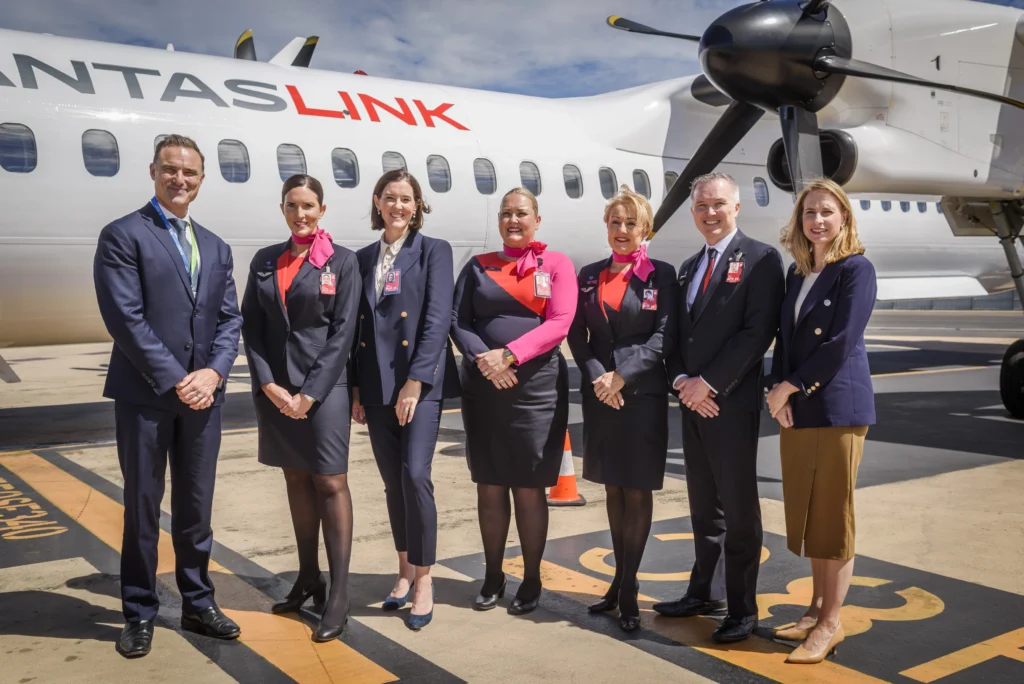
Requirements to Become Cabin Crew at Qantas
Qantas cabin crew must meet all of the following requirements to be considered for a role with the Australian flag carrier.
- Minimum 18 years of age
- Maximum height of 186cm
- Ability to reach 212cm overhead (barefoot, your fingertips must reach past 212cm, with both hands overhead at the same time)
- Unlimited Australian (and Singaporean for those based in Singapore) working rights and a passport ensuring unrestricted access to all Qantas ports of call with at least 12 months’ validity
- Sound written and verbal communication skills in the English language
- Responsible Service of Alcohol ‘Statement of Attainment’, from a Nationally Accredited Provider (or be willing to obtain at short notice)
- Ability to successfully complete a Pre-Employment Medical
- An excellent level of health and fitness, including the ability to swim 50 metres fully clothed and tread water for 3 minutes unassisted
ALSO READ: Air New Zealand Flight Attendant Salary in 2025
Recruitment Process
Qantas has the following steps in its hiring process for cabin crew.
- Online application submission – Prospective cabin crew begin by submitting a CV and personal details through Qantas’ official career site.
- Initial screening – Applications are reviewed to confirm eligibility based on age, work rights, language ability and physical standards.
- Assessment activities – Shortlisted applicants are invited to group tasks, role-plays and communication exercises designed to assess service mindset and teamwork skills.
- Personal interview – Candidates who perform well proceed to a one-on-one interview with recruiters focusing on motivation, professionalism and service orientation.
- Medical and background checks – Successful candidates must complete a comprehensive aviation medical examination and background verification.
- Training programme – Recruits attend a paid training course covering safety procedures, emergency response and service standards.
- Probationary flying and deployment – After training, the new crew operate flights under probation, with performance and adaptability monitored before confirmation.
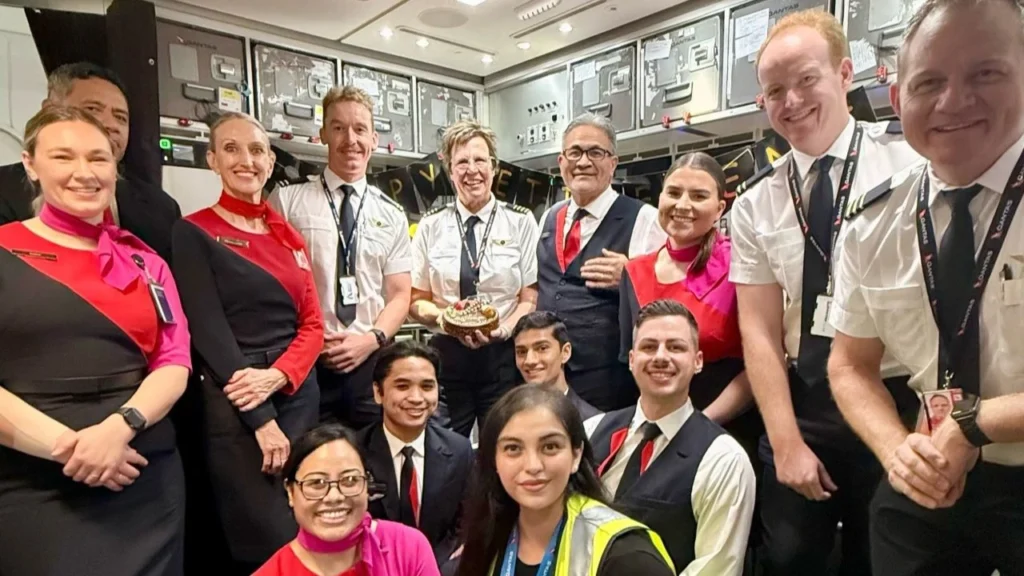
Bottom Line
A cabin crew career with Qantas in 2026 offers a competitive salary package, structured progression and comprehensive benefits in one of the most established full-service airlines in the Asia-Pacific region.
With allowances that reward flexibility and international flying, combined with travel privileges, healthcare support and long-term savings plans, the role provides a stable and rewarding career path for those passionate about aviation and service.

Qantas Cabin Crew Salary FAQs
In 2026, Qantas cabin crew typically earn between AUD 65,000 and AUD 105,000 per year (USD 43,100 to USD 69,800 per year), depending on experience, route type and allowances.
Yes. Crew receive additional flying-hour pay along with night, weekend and public holiday premiums, which enhance total earnings beyond base salary.
Fluency in English is essential, and additional language skills are advantageous for international and multicultural operations.
Stay tuned with us. Further, follow us on social media for the latest updates.
Join us on Telegram Group for the Latest Aviation Updates. Subsequently, follow us on Google News
