

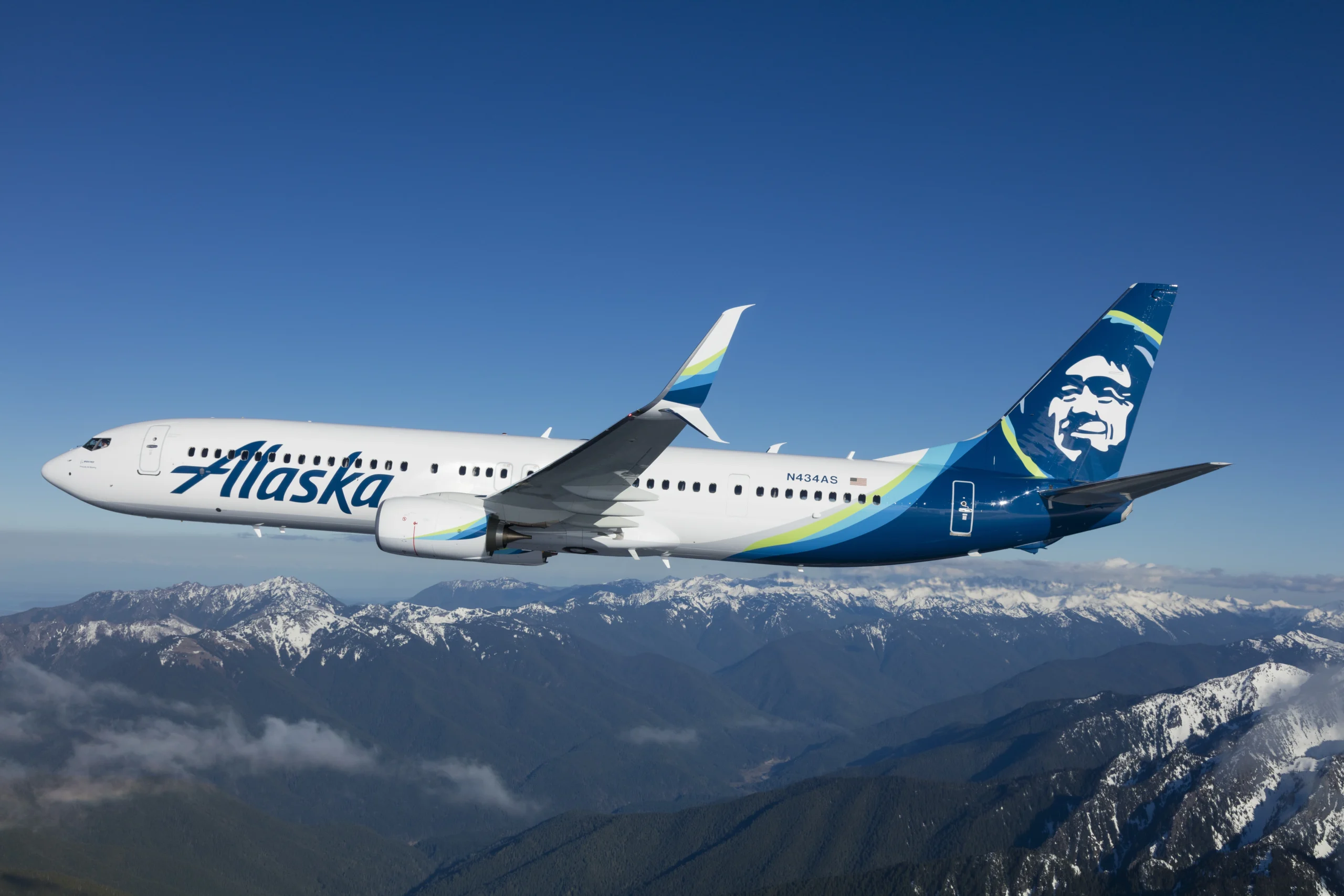
LOS ANGELES- Alaska Airlines (AS) faced scrutiny after a pilot’s unusual in-flight announcement during a disrupted journey from Liberia (LIR) to Los Angeles (LAX). The incident drew attention to how critical clear communication is during irregular operations.
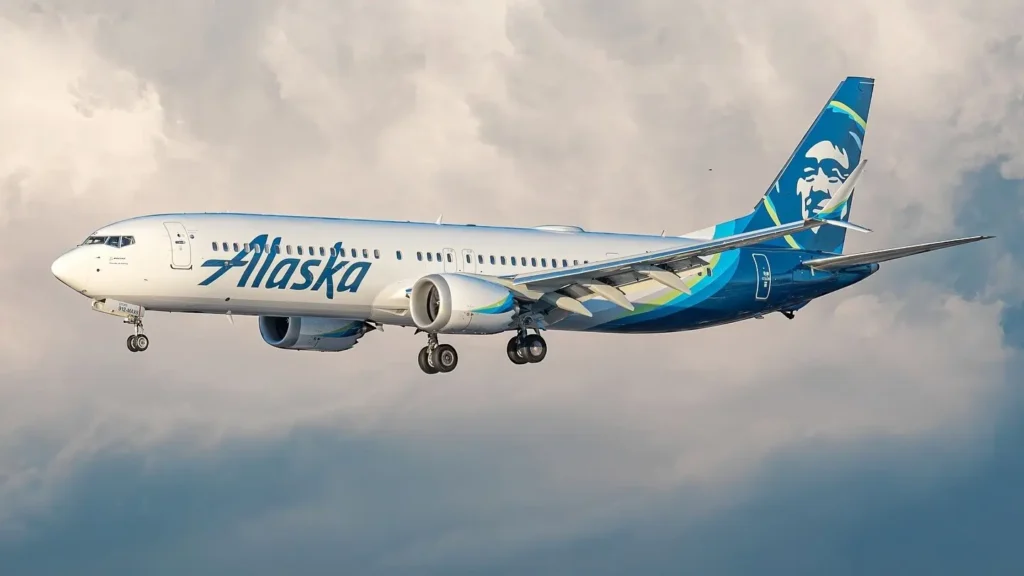
The flight, operated by a Boeing 737-900ER, was canceled after pushback due to operational constraints linked to Los Angeles (LAX) customs hours, leaving passengers confused.
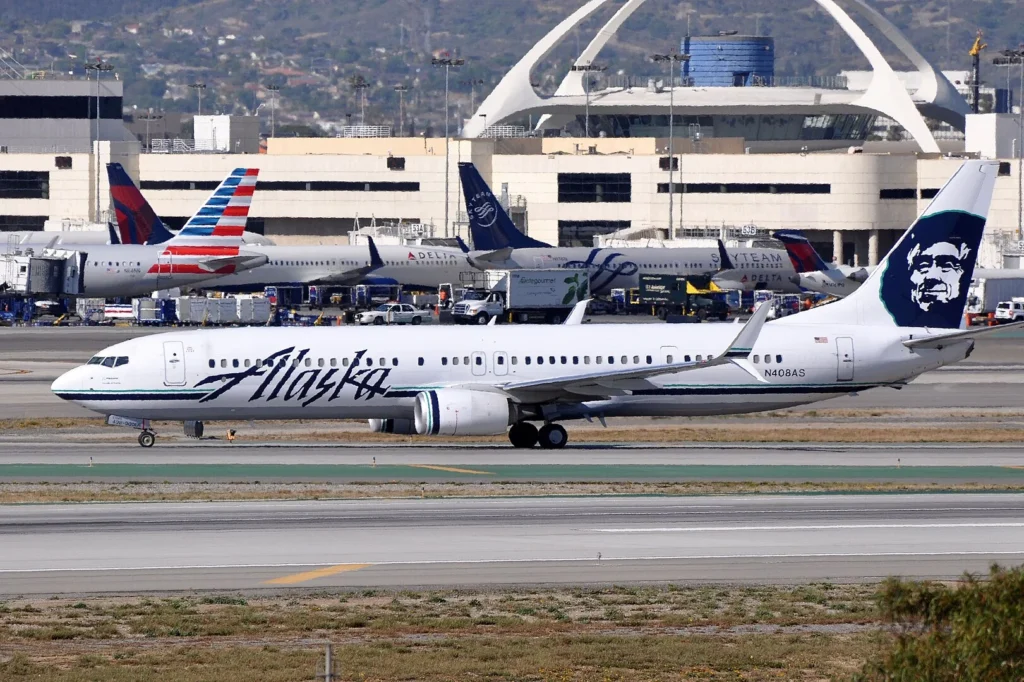
Alaska Airlines Pilot Confusing Announcement
On March 21, 2026, Alaska Airlines flight AS617 departed the gate at Liberia Guanacaste Airport (LIR) bound for Los Angeles International Airport (LAX). The aircraft began taxiing but returned to the gate before departure, leading to a full cancellation after passengers had already boarded.
During this process, the captain made an extended announcement attempting to explain the situation. The communication included references to “cryptic messages” from dispatch and confusion over a directive involving “the bridge.”
The pilot also expressed surprise about customs operations at Los Angeles (LAX), stating unfamiliarity with the airport not operating customs services late at night.
According to OMAAT, the announcement stood out not for the disruption itself, but for the way information was delivered. Instead of providing structured updates, the message reflected uncertainty and speculation, which added to passenger concern.
ALSO READ: Alaska Airlines Pilot Tried to Shut Down Engines at 31,000 Feet, New Cockpit Audio Reveals
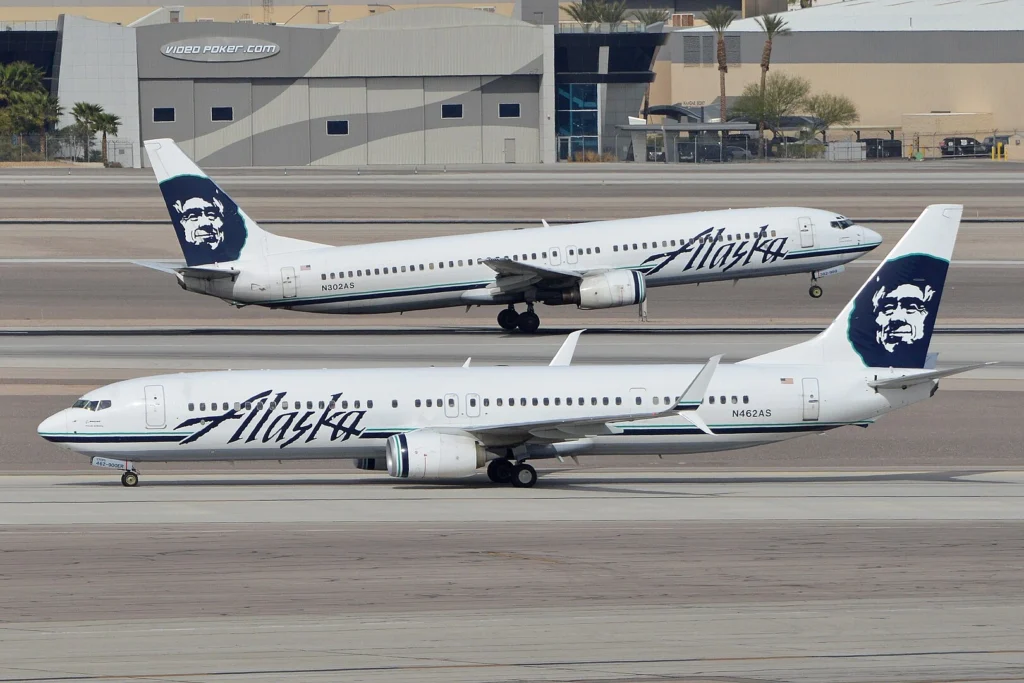
Role of Customs Operating Hours
The likely cause of the disruption was the flight’s scheduled arrival time in Los Angeles (LAX), which was close to the airport’s customs processing cutoff. Many international terminals, including Tom Bradley International Terminal, do not operate customs services 24 hours a day.
Flights arriving after customs closure cannot be processed, forcing cancellations or delays. Alaska Airlines had introduced this late evening schedule in late 2025, leaving minimal buffer for operational delays.
This scenario suggests the aircraft would have missed the customs window, making continuation impractical.
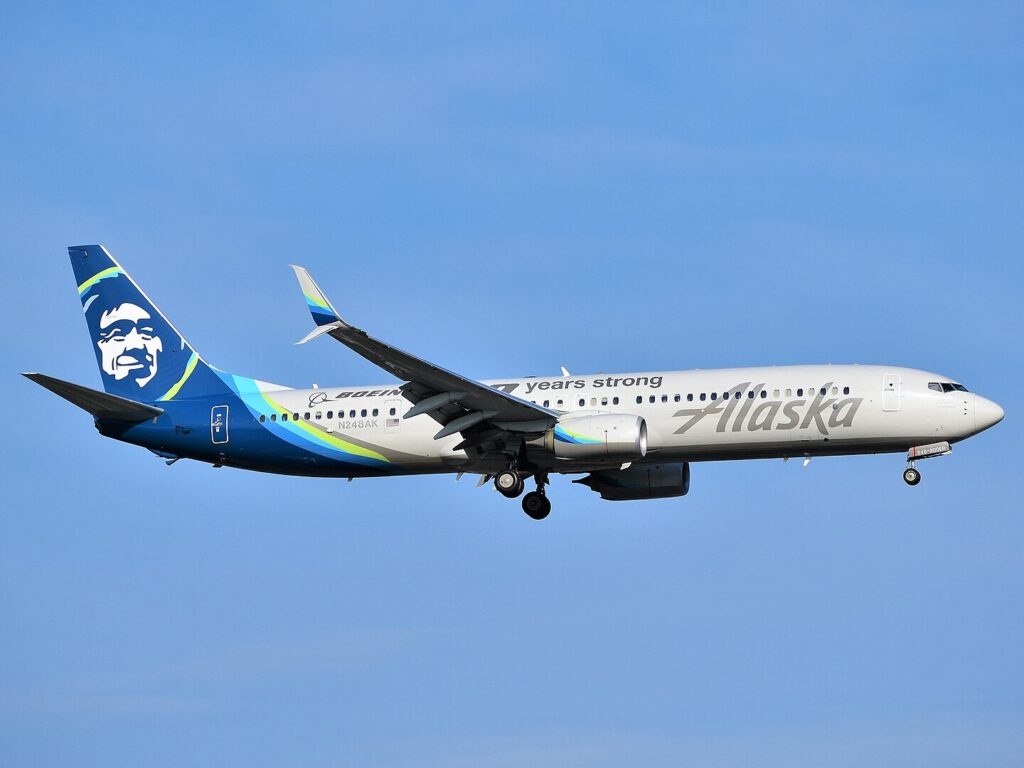
Communication Standards in Aviation
Pilot communication plays a central role during irregular operations. Passengers rely on clear, concise updates that explain the situation without causing alarm.
In this case, the captain’s unfiltered remarks, including comparisons to past extreme events and uncertainty about internal messages, deviated from standard communication practices. While transparency is important, effective communication requires filtering incomplete or unclear information.
Airlines typically train crews to provide confirmed facts, estimated timelines, and reassurance. Over-sharing uncertain details can lead to confusion and unnecessary concern among passengers.
Operational Planning and Scheduling Risks
Airlines often design schedules to maximize aircraft utilization, sometimes leaving narrow margins for delays. Flights scheduled close to airport operational limits, such as customs hours, carry a higher risk of disruption.
The Liberia (LIR) to Los Angeles (LAX) route illustrates this challenge. Even minor delays can push arrival beyond allowable processing times, triggering cancellations despite the flight being technically ready for departure.
This case highlights the importance of aligning schedules with operational constraints, especially for international routes with fixed processing windows.
Stay tuned with us. Further, follow us on social media for the latest updates.
Join us on Telegram Group for the Latest Aviation Updates. Subsequently, follow us on Google News
