

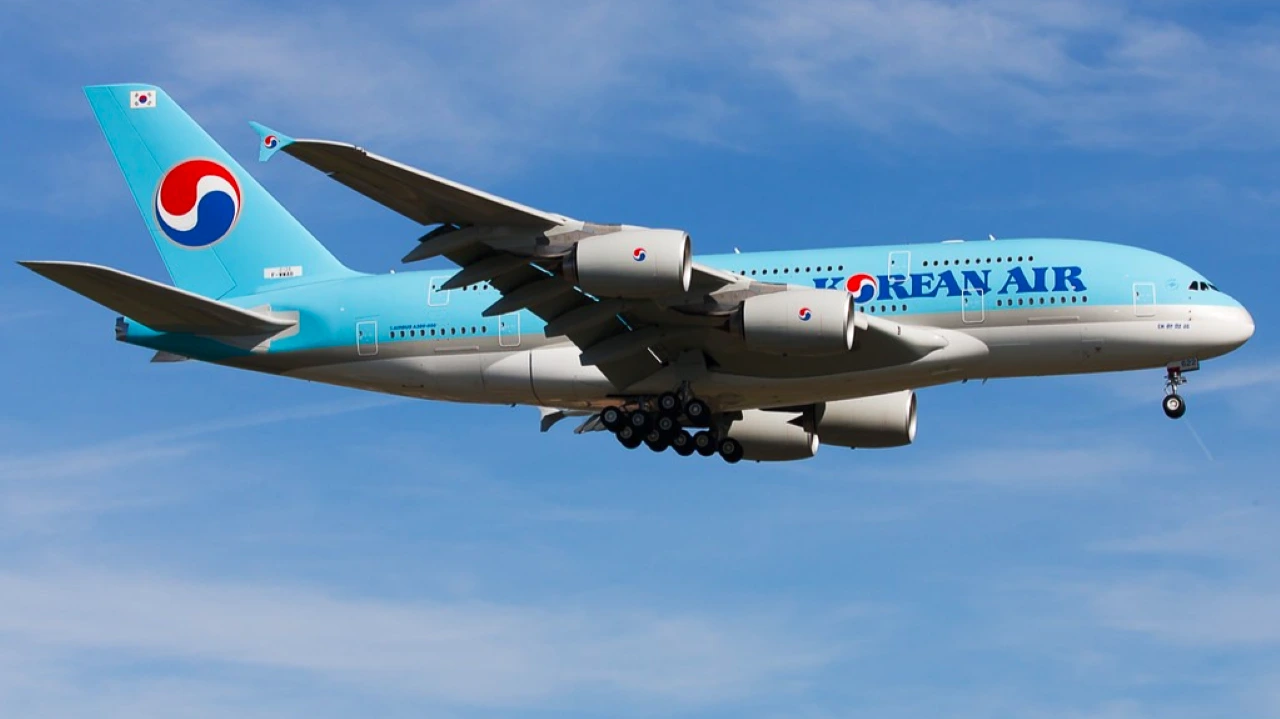
SEOUL— Korean Air (KE) has officially withdrawn its Airbus A380 operations from 11 global routes, marking a significant shift in its long-haul fleet strategy. The decision reflects changing market demand and the airline’s growing reliance on more efficient twin-engine aircraft.
The airline previously deployed its A380 fleet from its main hub at Seoul Incheon International Airport (ICN) to major destinations worldwide. However, cities such as Paris, Atlanta, and London Heathrow will no longer see the double-decker aircraft in Korean Air’s network.
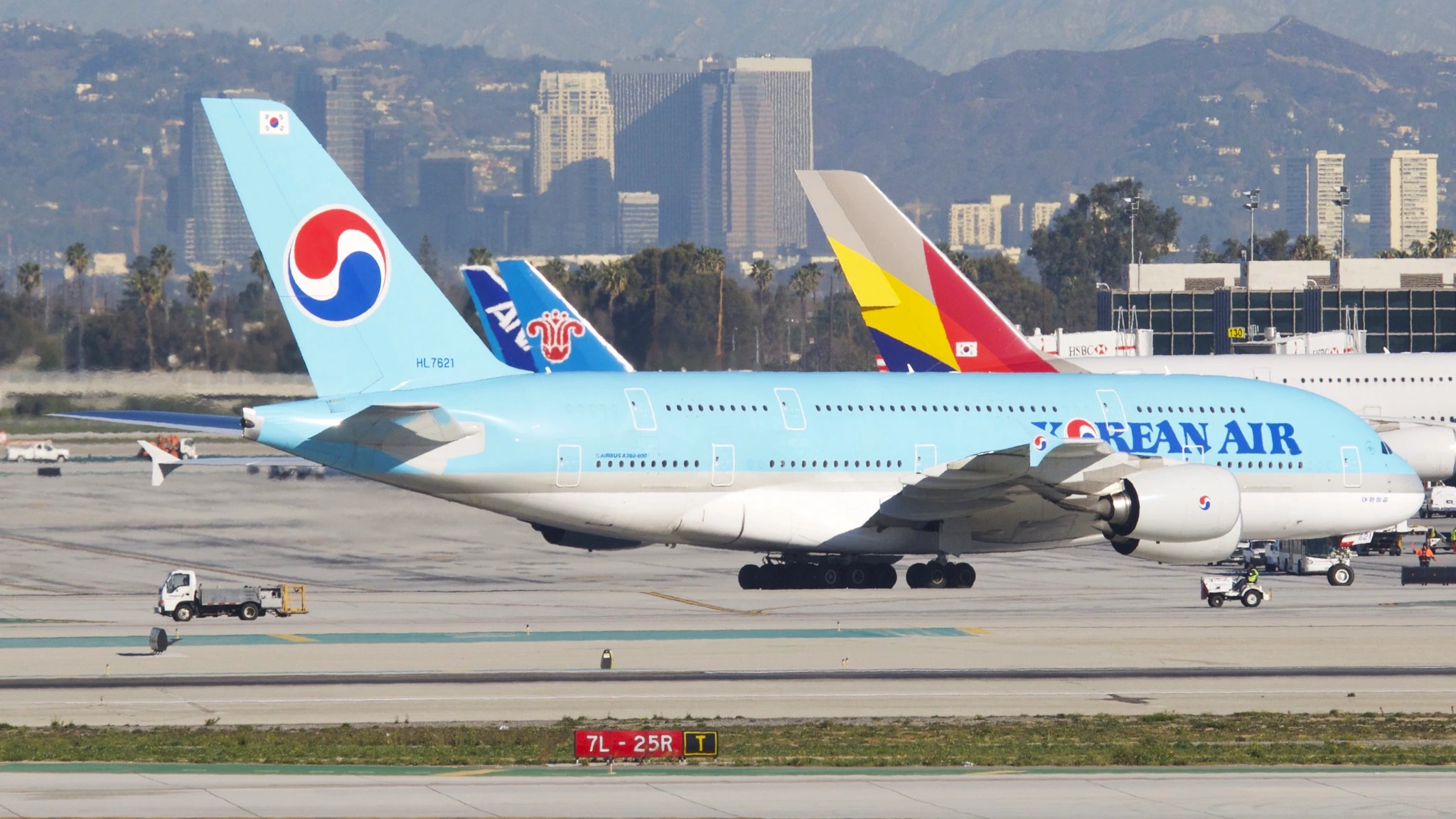
Korean Air A380 Route Cuts
Korean Air has gradually removed the Airbus A380 from several high-profile international routes between 2011 and early 2026. These include key destinations across Europe, Asia, and North America.
The affected routes include Paris, Hong Kong, Bangkok, Atlanta, Sydney, Taipei, London Heathrow, Frankfurt, Guangzhou, Beijing Capital, and Prague. Some of these routes saw only seasonal or limited A380 operations before being phased out.
The airline’s final A380 flight to Taipei concluded in February 2026, marking the last regular deployment of the aircraft. In several cases, the A380 had already been replaced years earlier due to fluctuating demand.
According to Simple Flying, Certain routes, such as Prague, saw only one-off or short-term A380 operations. Others, including Paris and Hong Kong, had consistent service for nearly a decade before discontinuation.
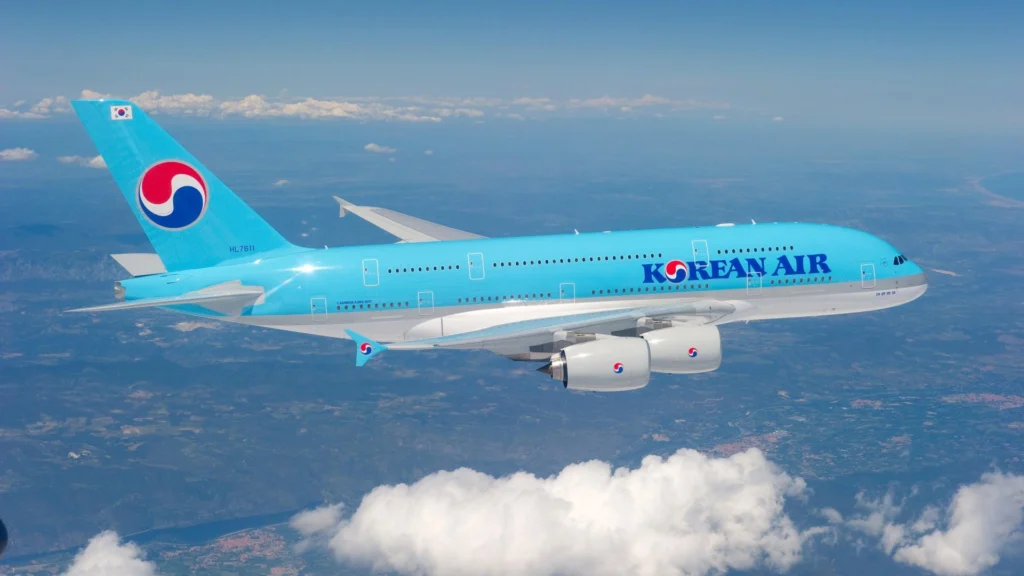
Korean Air’s Fleet Strategy Shift
Korean Air currently operates a reduced fleet of six Airbus A380 aircraft, down from its original total of ten. The airline has already retired and scrapped four of the superjumbos as part of its fleet optimization plan.
The A380’s high capacity made it suitable for dense, high-demand routes, but changing market conditions have reduced its viability. Airlines increasingly favor smaller, fuel-efficient aircraft that offer greater scheduling flexibility.
Korean Air has transitioned many former A380 routes to the Boeing 777-300ER. This aircraft provides strong passenger capacity while also offering significant cargo capability, which has become increasingly important.
The shift aligns with broader industry trends, where airlines move away from very large aircraft. The focus now centers on efficiency, profitability, and adapting to variable passenger demand.
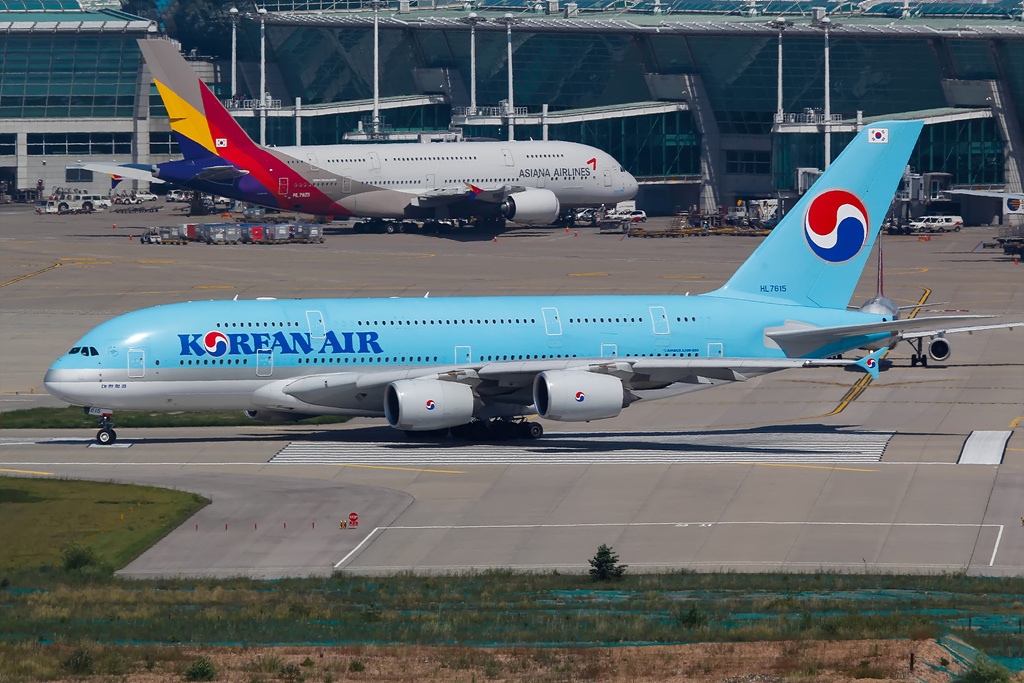
Key Route Changes
One of the most notable changes involves the Seoul–Atlanta route, previously served by the A380 until 2017. This route remains important but is now operated using smaller widebody aircraft.
Similarly, European destinations such as London Heathrow and Frankfurt no longer receive regular A380 service. The aircraft last operated on these routes before the global travel downturn in 2020.
Paris Charles de Gaulle was the airline’s most frequently served A380 destination in Europe. However, even this route has transitioned to other aircraft types in recent years.
In Asia, routes like Hong Kong and Bangkok experienced intermittent A380 service depending on seasonal demand. These routes have now fully shifted to alternative aircraft.
Korean Air’s decision highlights a long-term transition away from four-engine aircraft. While the A380 remains iconic, its role within the airline’s network continues to diminish.
Korean Air A380 Flight Schedule (From Seoul Incheon)
| Destination | Total Departures | A380 Operating Periods | Notes |
|---|---|---|---|
| Paris CDG | 2,198 | 2011–2020, limited service in 2023 | Primary European A380 route |
| Hong Kong | 1,160 | 2011–2018, 2022–2025 | High-frequency regional route |
| Bangkok Suvarnabhumi | 1,048 | 2011, 2015–2020, 2022–2025 | Strong leisure + business demand |
| Atlanta | 766 | 2013–2017 | Long-haul SkyTeam hub route |
| Sydney | 708 | 2015–2020 | Consistent long-haul deployment |
| Taipei Taoyuan | 567 | 2017–2020, 2023–Feb 2026 | Final A380 route before retirement |
| London Heathrow | 531 | 2016–2019 (seasonal) | Summer-only, variable frequency |
| Frankfurt | 510 | 2012–2013, 2025 | Intermittent deployment |
| Guangzhou | 78 | 2020–2022 | Limited use during pandemic period |
| Beijing Capital | 8 | Sept 11–18, 2011 | Very short trial run |
| Prague | 1 | March 14, 2014 | One-off event-driven flight |
Stay tuned with us. Further, follow us on social media for the latest updates.
Join us on Telegram Group for the Latest Aviation Updates. Subsequently, follow us on Google News
