

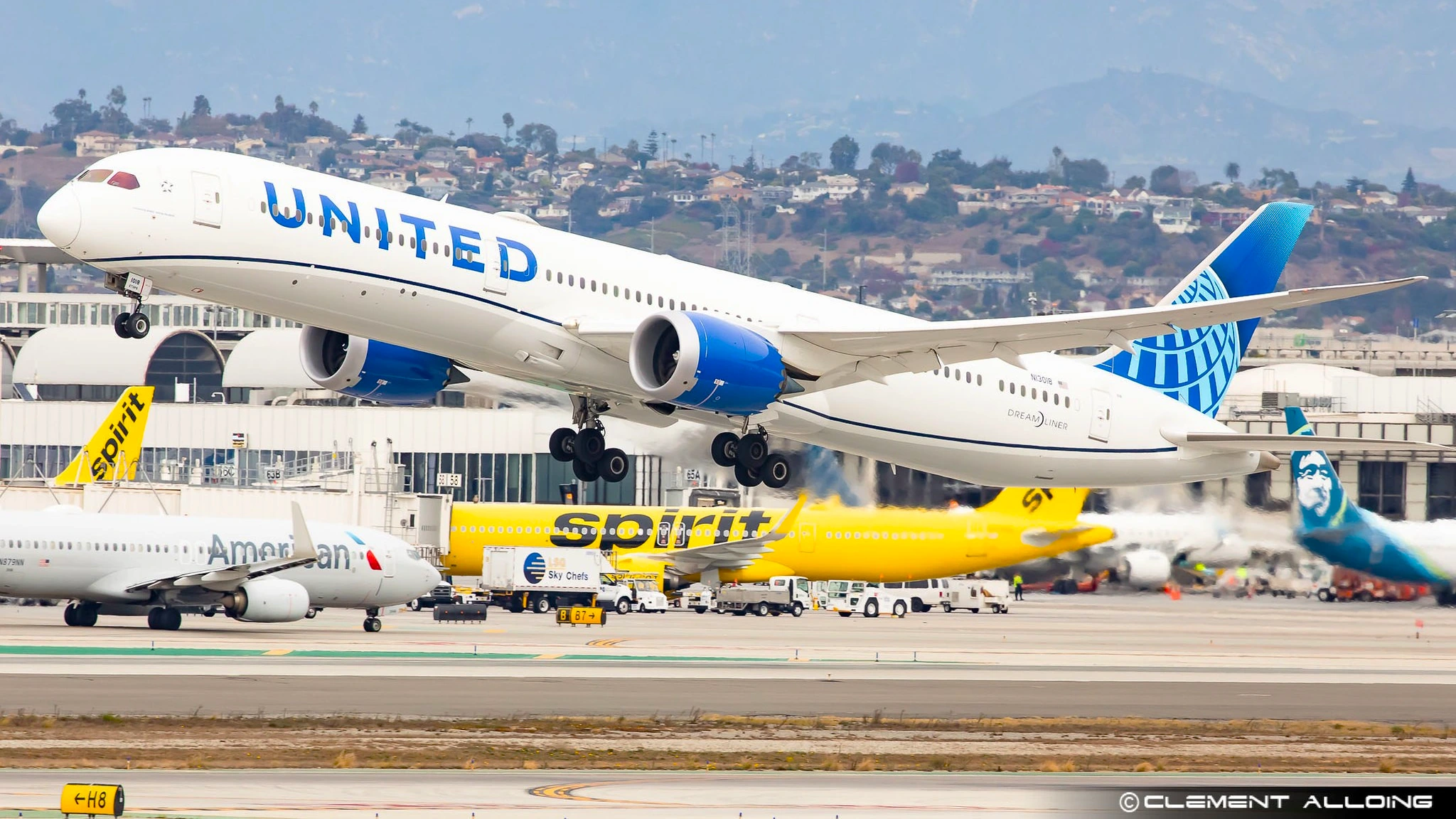
CHICAGO- United Airlines (UA) is marking a major milestone as Captain Chresten Wilson becomes the first woman to hold the airline’s top seniority position among its 18,000 pilots.
The Boeing 787 captain achieved the historic ranking while operating flights from San Francisco International Airport (SFO), highlighting progress for women in aviation during the airline’s centennial year.
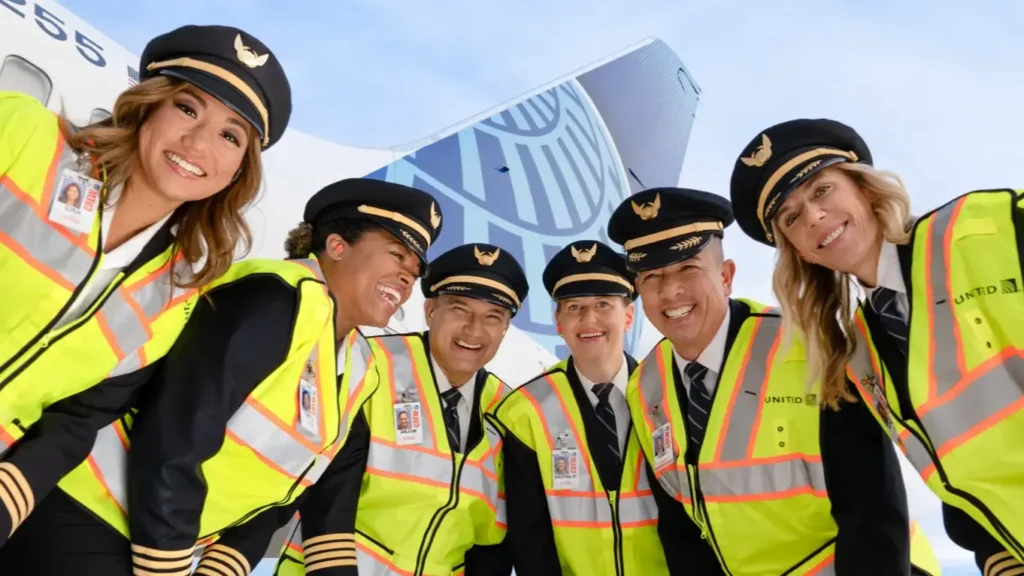
United Airlines First Senior Women Pilot
United Airlines will celebrate 100 years of operations in April, but the airline is also recognizing another important achievement in aviation history. Captain Chresten Wilson has become the first woman to reach the number one position on the airline’s pilot seniority list.
United shared Wilson’s story in a video posted on Instagram, where she was introduced to passengers preparing to board a United Airlines flight to Melbourne, Australia. The announcement was made at the gate by First Officer Lori McGibney, bringing attention to a milestone that reflects decades of gradual progress for women in aviation.
Wilson has spent more than four decades at the airline. She joined United in 1982 and has served as a captain for over 30 years. Her current role involves flying the Boeing 787, one of the airline’s most advanced long-haul aircraft, ABC7News reported.
Her journey began long before her aviation career started. Wilson recalled passing United’s flight training center in Denver as a child and deciding she would one day work there. At that time, female airline pilots were almost nonexistent in the industry.
Why Pilot Seniority Is Crucial in the Airline Industry
Airline pilot careers are structured around a strict seniority system. The pilot with the highest seniority has been employed the longest within the airline.
This ranking determines many aspects of a pilot’s career. Seniority influences base assignments, aircraft types, routes, and work schedules. Pilots with higher seniority gain priority when selecting flights, days off, and preferred aircraft.
The most junior pilots receive assignments based on remaining availability. As a result, reaching the number one seniority position gives a pilot the greatest control over their schedule and work preferences.
Wilson’s career progression reflects decades of experience across multiple aircraft types. She began as a flight engineer on the McDonnell Douglas DC-10. Over time, she served as a First Officer on the Boeing 737, Boeing 747, Boeing 757, and Boeing 767.
She later became captain on the Boeing 737, Airbus A320, Boeing 747, and Boeing 777 before transitioning to the Boeing 787.
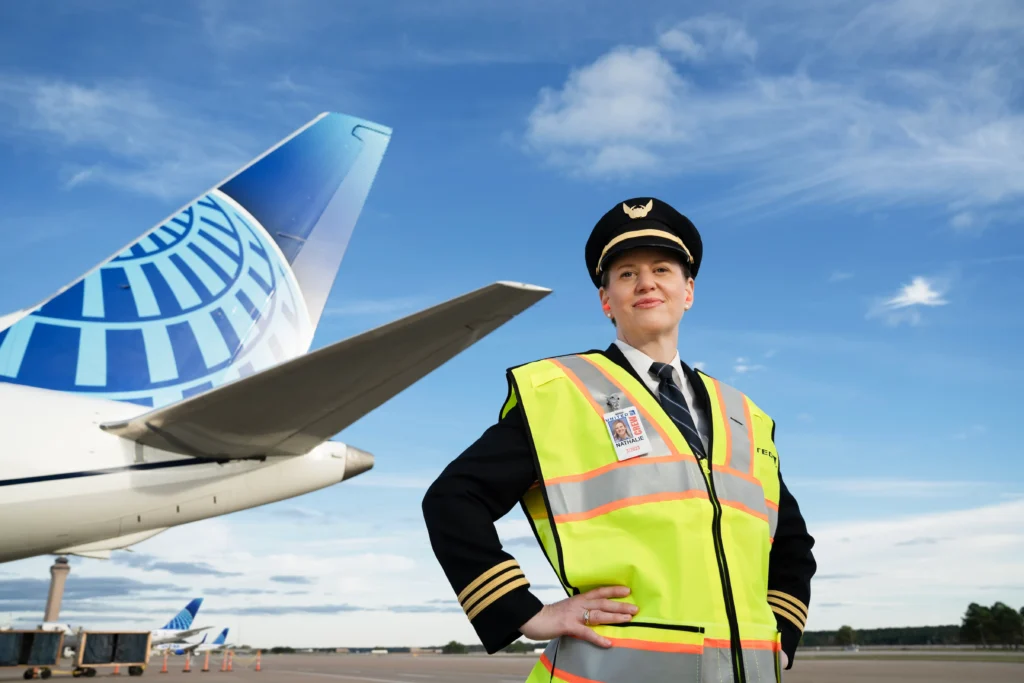
Long History of Gender Barriers in Aviation
For much of aviation history, airline cockpit positions were dominated by men. While pilot roles were restricted largely to men, cabin crew positions were often limited to women.
In earlier decades, several airlines imposed strict rules on female flight attendants. Some carriers dismissed them if they became engaged or pregnant.
Even when airlines hired male cabin crew members, they were often placed in supervisory roles with higher pay and benefits.
Southwest Airlines was one of the last carriers in the United States to restrict flight attendant roles to women. The airline argued that female sex appeal was central to its marketing strategy. A federal civil rights lawsuit in the 1980s eventually forced the airline to hire male flight attendants.
Within airline pilot unions, however, pay equity has generally been enforced through seniority systems. Pilot salaries are determined by aircraft type and years of service, meaning men and women with the same tenure earn the same pay.
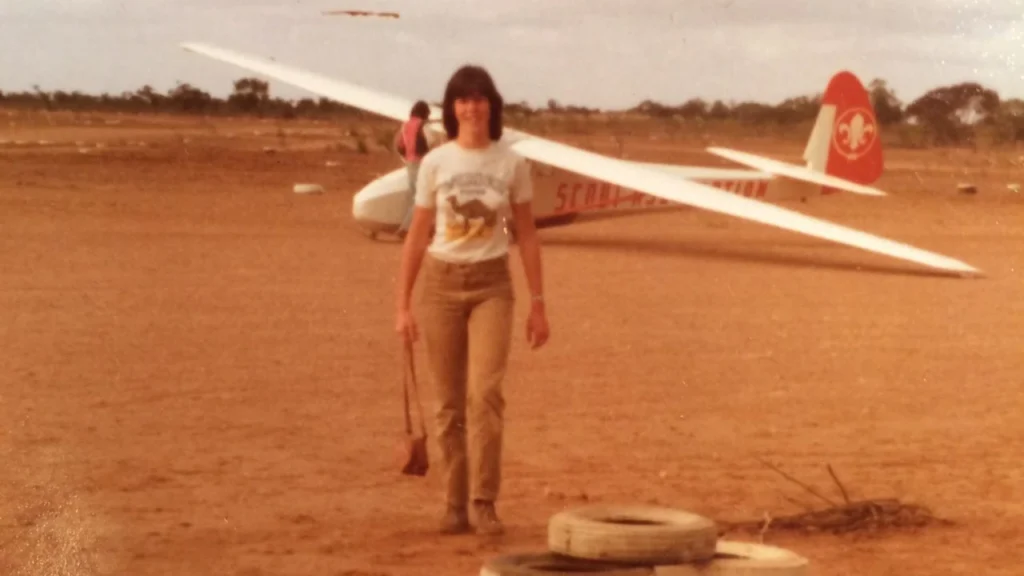
Growth of Women Pilots Remains Gradual
Despite progress, women still represent a small percentage of airline pilots globally. As of 2024, women made up about 7.5 percent of United Airlines’ pilot workforce.
Across the United States aviation industry, the gender imbalance remains even more pronounced. The Bureau of Labor Statistics reported in 2025 that roughly 93 percent of aircraft pilots in the country are men.
Some international airlines report slightly higher participation from women. Air France, for example, stated in 2024 that just over 9 percent of its pilots are female.
United Airlines first hired a female pilot in 1978 when Gail Gorsky joined the company. Gorsky later retired as a Boeing 747 captain, marking an early step toward gender inclusion in the airline’s cockpit.

United’s Pilot Training Efforts to Increase Diversity
In 2022, United Airlines launched its own flight training academy in Arizona to build a more diverse pilot pipeline.
The airline set a goal to ensure that half of the academy’s trainees would be women or people of color. The first class exceeded expectations, with around 80 percent of participants coming from those groups.
Programs like this aim to address long-standing barriers to entering the aviation profession, including high training costs and limited access to early career opportunities.
A Milestone That Few Pilots Reach
Reaching the most senior pilot position at a major airline is rare. Federal Aviation Administration regulations require airline pilots to retire at age 65.
Many pilots reach the retirement threshold before they have the opportunity to become the most senior pilot on the list. Even those who reach the position often hold it for only a short period before retirement.
For Captain Wilson, the milestone carries personal significance. She credits earlier generations of female pilots for helping open doors in a profession that remained male-dominated for decades.
Her achievement reflects both a personal career milestone and the gradual transformation of the airline industry.
Stay tuned with us. Further, follow us on social media for the latest updates.
Join us on Telegram Group for the Latest Aviation Updates. Subsequently, follow us on Google News
