

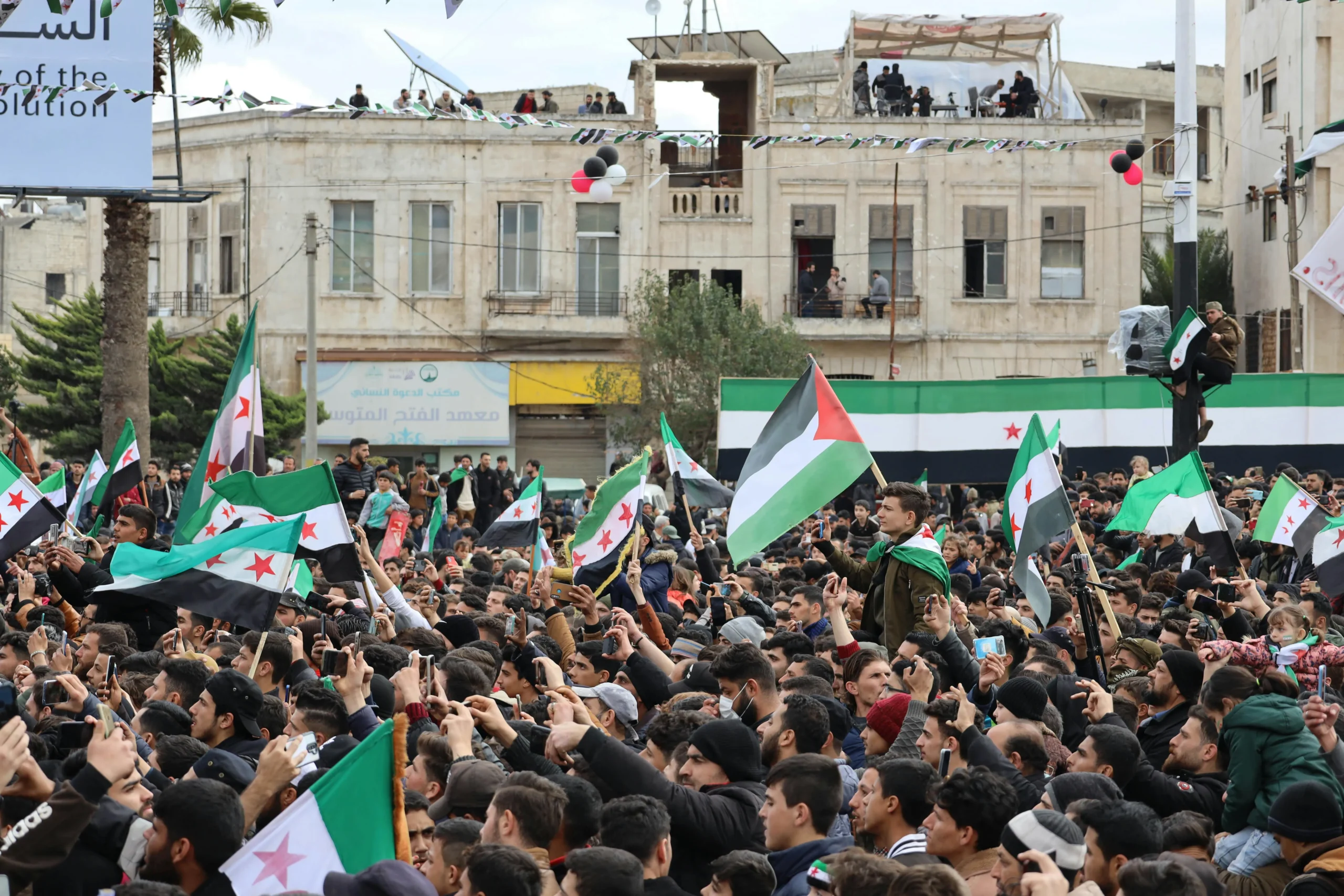
Corruption remains one of the most persistent challenges facing governments across the globe. When corruption spreads through public institutions, it weakens democracy, slows economic growth, and erodes public trust in leadership.
Each year, Transparency International releases the Corruption Perceptions Index (CPI)—a widely cited global benchmark that evaluates perceived levels of corruption in the public sector. The index scores countries on a scale from 0 (highly corrupt) to 100 (very clean) using data from multiple independent institutions.
The 2025 CPI report, released in early 2026, highlights how conflict, fragile institutions, and political instability continue to create environments where corruption can flourish. Based on the latest rankings, the following nations appear among the most corruption-affected countries in the world.
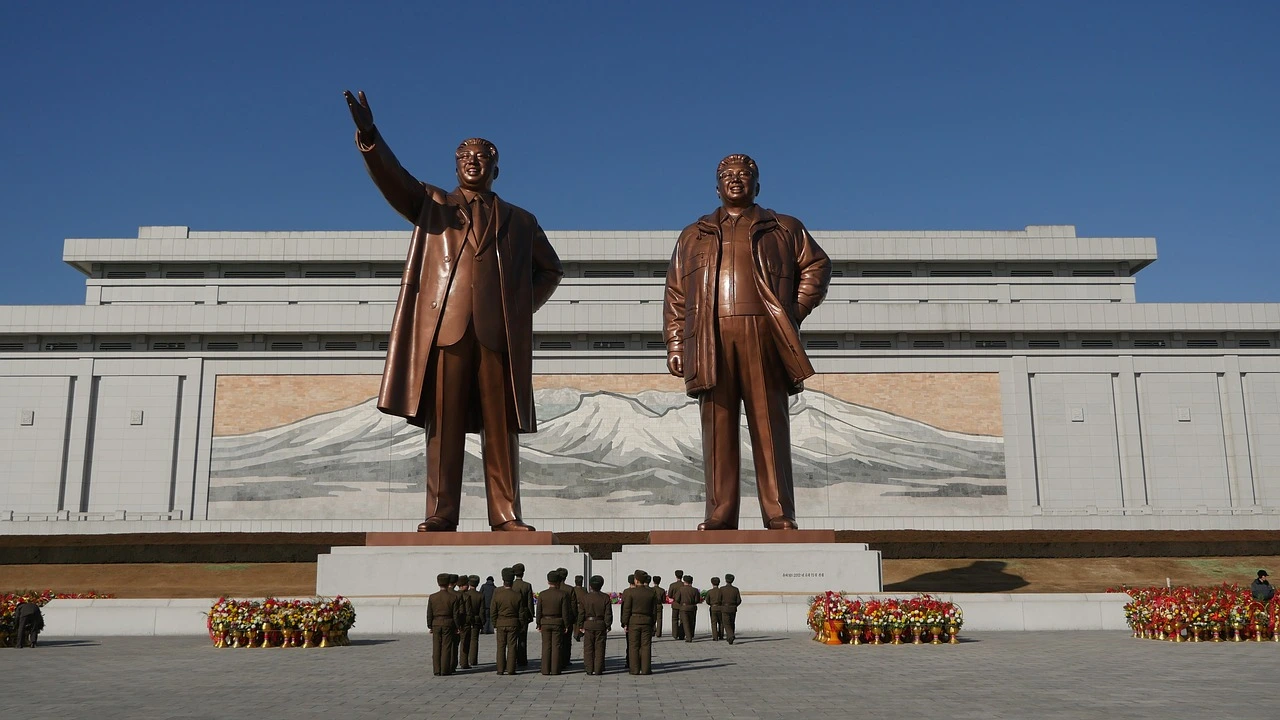
10. North Korea
North Korea consistently ranks among the most opaque countries in the world. The nation’s tightly controlled political system and limited access to reliable information make it difficult to accurately measure corruption levels.
However, analysts believe that the lack of transparency, minimal external oversight, and restricted civil liberties create conditions where corruption risks remain high.

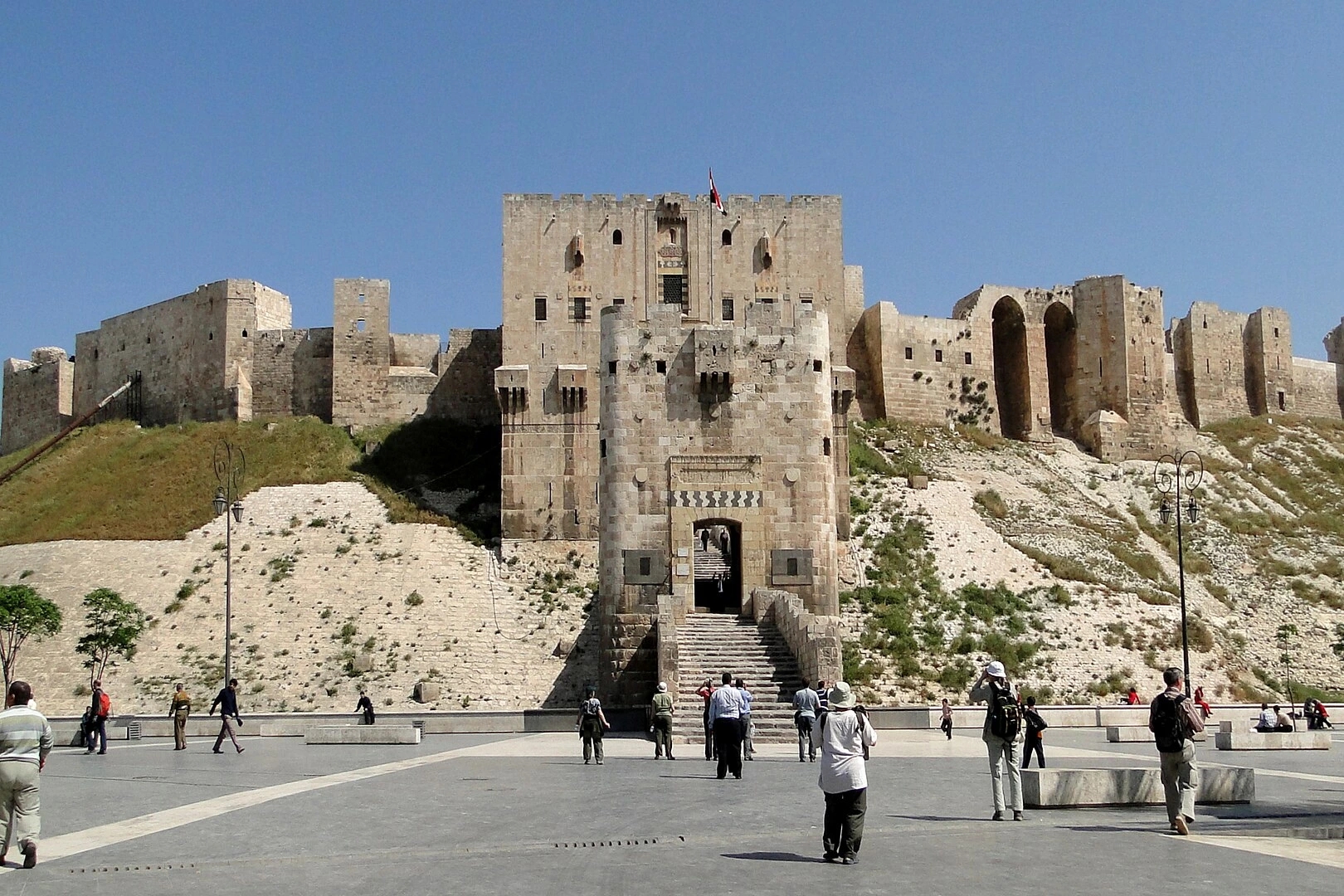
9. Syria
More than a decade of devastating conflict has severely weakened Syria’s governance structures. With institutions damaged and resources stretched thin, enforcing transparency has become extremely difficult.
The prolonged instability has created opportunities for economic crimes and corruption to spread across different sectors of government and society.

8. Nicaragua
Nicaragua has faced increasing concerns regarding democratic governance in recent years. Critics argue that weakened checks and balances within the political system have heightened corruption risks.
Limited institutional independence has made it harder to hold public officials accountable and maintain transparency in decision-making.

7. Sudan
Sudan’s ongoing political transitions and economic difficulties have complicated efforts to tackle corruption. While reform initiatives have occasionally emerged, instability has slowed progress.
Without strong regulatory frameworks and effective oversight bodies, building a transparent governance system remains a major challenge.
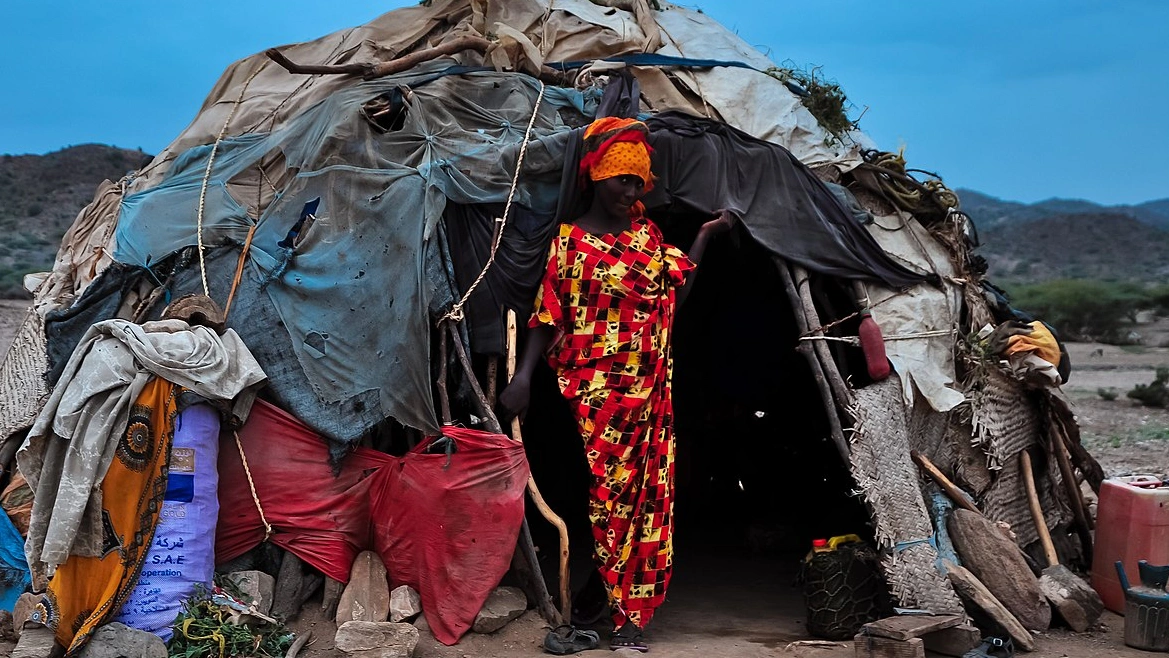
https://commons.wikimedia.org/wiki/File:Traditionalism.jpg
6. Eritrea
Eritrea operates under a highly centralized political system. Experts often point to limited press freedom and restricted civil liberties as factors that reduce public oversight of government activities.
When transparency mechanisms are weak, corruption risks tend to increase within state institutions.

5. Libya
Since the collapse of its former regime in 2011, Libya has struggled with political fragmentation. Competing administrations and rival power centers have weakened national institutions.
This fragmented governance structure has made it difficult to enforce anti-corruption measures or establish consistent regulatory oversight.
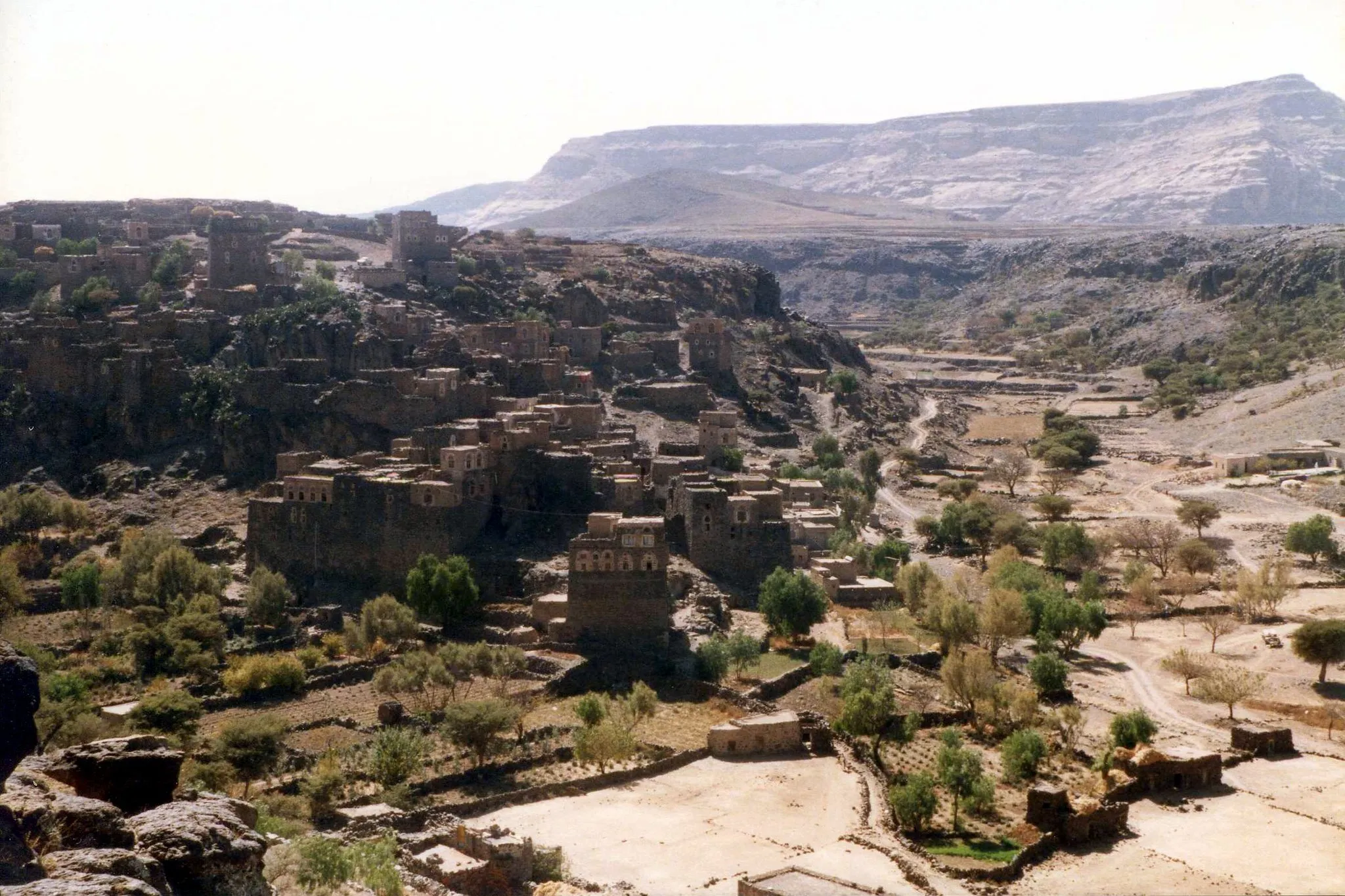
4. Yemen
Yemen’s prolonged conflict has caused a severe humanitarian and governance crisis. With government institutions weakened and oversight systems disrupted, corruption has become harder to control.
The combination of instability and limited administrative capacity makes rebuilding transparent governance an enormous challenge.

https://commons.wikimedia.org/wiki/File:Atardecer_en_la_Pen%C3%ADnsula_de_Paraguan%C3%A1,_Falc%C3%B3n_-_venezuela.jpg
3. Venezuela
Once one of Latin America’s wealthiest nations due to its vast oil reserves, Venezuela has experienced a prolonged economic and political crisis.
In recent years, corruption allegations involving state institutions and industries have repeatedly surfaced. Economic collapse and weakened institutional independence have pushed the country toward the lower end of global corruption rankings.
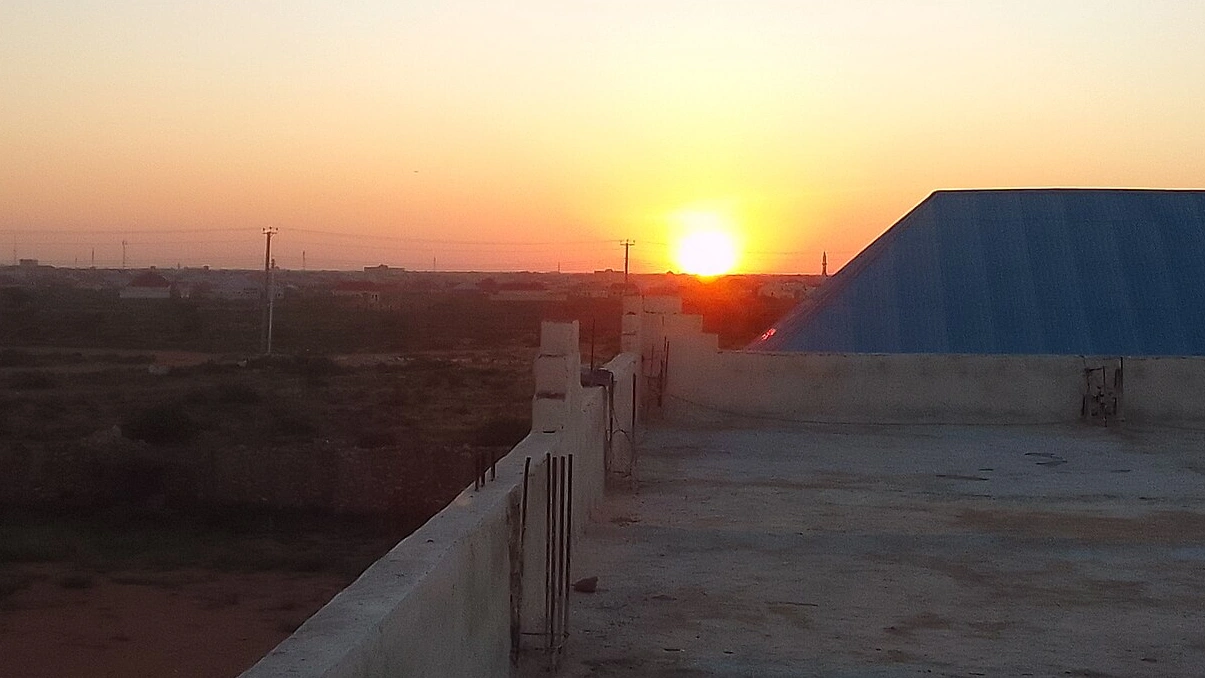
https://commons.wikimedia.org/wiki/File:Sunset_in_Somalia_beauty.jpg
2. Somalia
Somalia has faced decades of political instability and security challenges. While the government has taken steps toward rebuilding state institutions and improving financial management systems, corruption remains a significant obstacle.
Weak governance structures and ongoing security concerns continue to limit progress toward transparency.

1. South Sudan
South Sudan, the world’s youngest nation, ranks as the most corruption-affected country in the latest index. Since gaining independence in 2011, the country has struggled with civil conflict, fragile institutions, and political instability.
Despite attempts by the government and international partners to address corruption, entrenched governance challenges continue to hinder meaningful reform.
Bottom Line
The Corruption Perceptions Index, as reported in The Times of India, highlights how corruption often thrives in environments where institutions are weak, conflicts persist, and oversight mechanisms are limited.
Strengthening governance, protecting press freedom, and ensuring accountability remain crucial steps for nations seeking to combat corruption and build public trust.
While these rankings reflect serious challenges, they also serve as a reminder of the importance of continued global efforts toward transparency and responsible governance.
Stay tuned with us. Further, follow us on social media for the latest updates.
Join us on Telegram Group for the Latest Aviation Updates. Subsequently, follow us on Google News
