

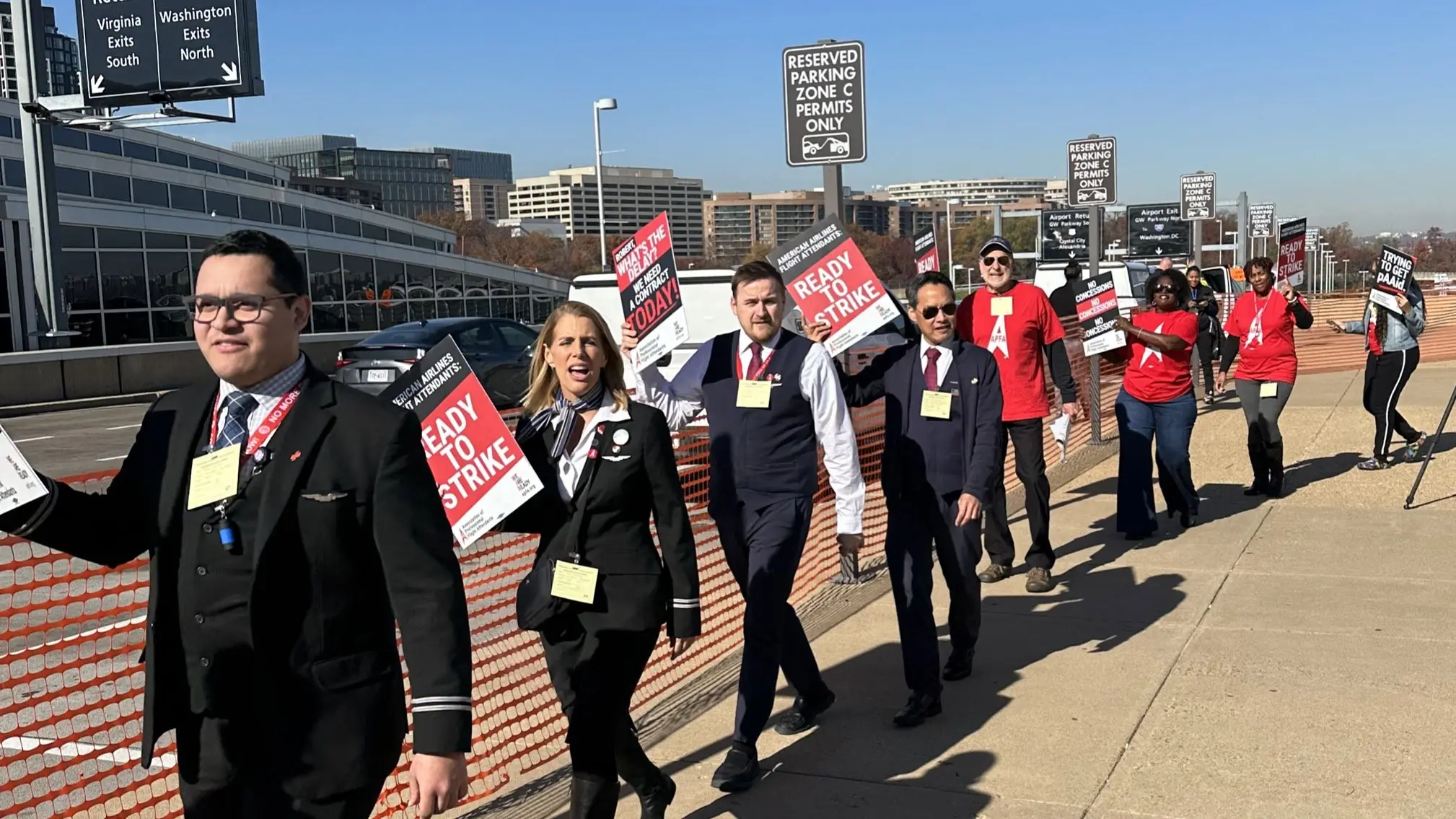
CHICAGO- United Airlines (UA) is nearing a breakthrough in contract negotiations with tens of thousands of flight attendants after nearly six years of talks. The latest mediated discussions with the Association of Flight Attendants-CWA concluded in Chicago, bringing both sides close to a tentative agreement.
The Chicago O’Hare International Airport (ORD)-based airline and the union reported notable progress during the recent week-long bargaining session. Both parties now signal that a final agreement could emerge later this month if the remaining issues are resolved.
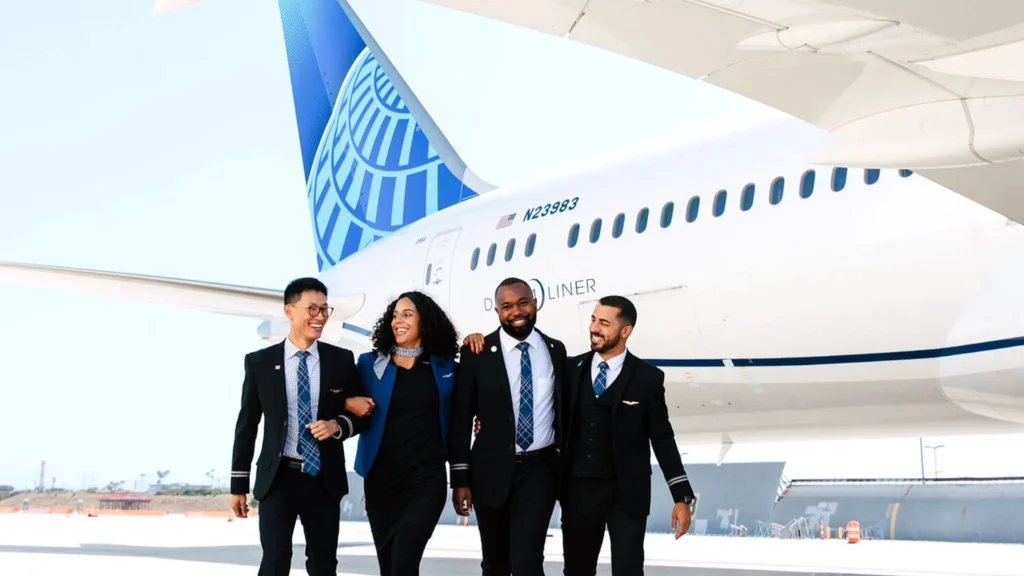
United Attendant Nears Contract Deal
United Airlines and the Association of Flight Attendants-CWA have spent years negotiating a new labor contract that would define pay structures, scheduling rules, and workplace policies for the airline’s cabin crew.
Following the latest mediated bargaining round in Chicago, both sides expressed optimism about reaching a tentative agreement. The union stated that substantial progress was made during the session and described the two sides as very close to finalizing terms.
United has also communicated internally that negotiations have advanced across several key areas. According to an internal memo reviewed by PYOK, the airline noted progress on wage rates and alignment on contract language related to redeye flight rules and sit pay.
The airline indicated that discussions focused on meeting union priorities while maintaining what it calls an industry-leading pay proposal that remains financially sustainable for the company.
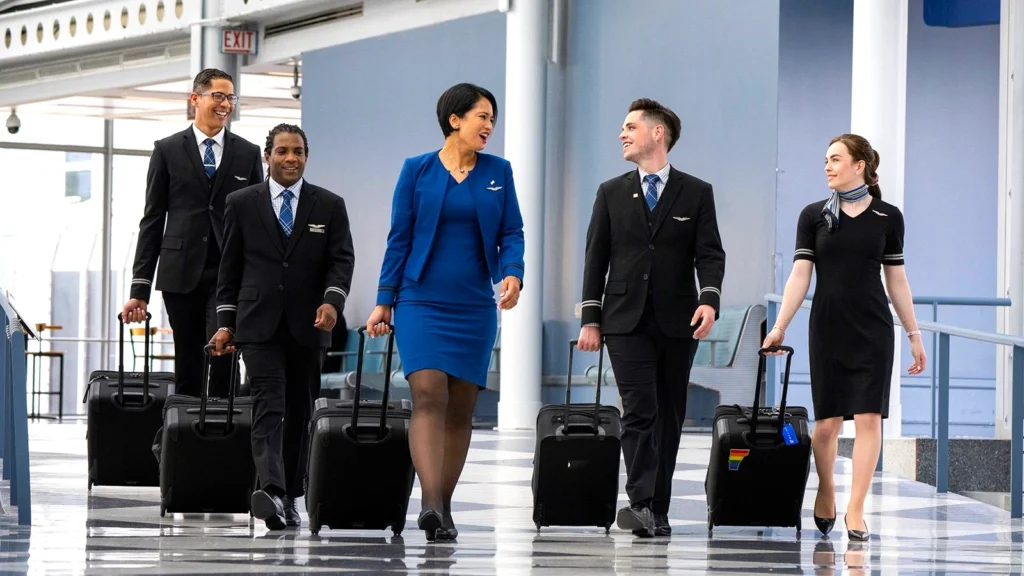
Pay Proposal Could Set Industry Benchmark
United previously told its flight attendants that its contract proposal would make them the highest-paid cabin crew among major United States airlines during the duration of the agreement.
The pay structure would apply across the workforce, from newly hired flight attendants to long-serving employees with decades of experience at the carrier.
The airline has emphasized that the proposed compensation package must remain balanced with operational costs. As a result, United has pushed for certain operational changes that it believes would offset the financial impact of higher wages.
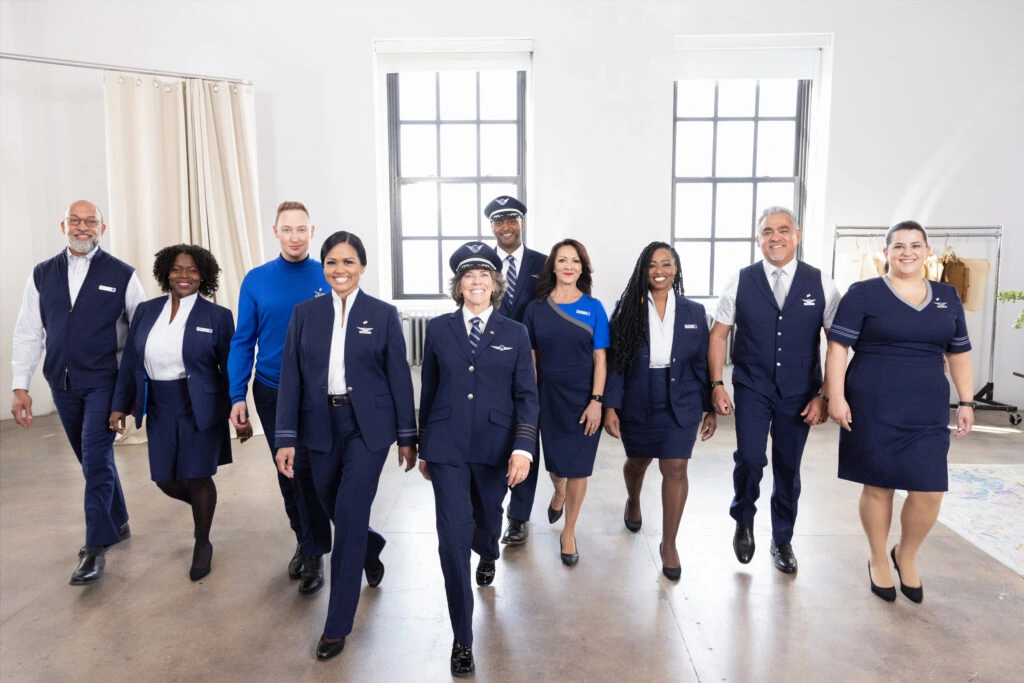
Scheduling System Remains Key Dispute
The most contentious issue in negotiations involves United’s proposal to introduce a preferential bidding system, commonly known as PBS.
Under PBS, flight attendants submit schedule preferences, and the system assigns rosters based on seniority and operational needs. Airlines argue that this system improves efficiency and reduces scheduling complexity.
Several major United States carriers already use PBS, including American Airlines (AA), Delta Air Lines (DL), and Alaska Airlines (AS). Flight attendants at Alaska Airlines are also represented by the same union, AFA-CWA.
Despite its adoption across the industry, United’s flight attendants have strongly opposed introducing the system. The union has repeatedly stated that members will not accept concessions in exchange for pay increases, making PBS a major sticking point in negotiations.
Previous Agreement Rejected by Crew
This is not the first time the airline and union have reached a tentative deal.
In mid-2024, an earlier tentative agreement was put to a vote among United’s flight attendants but was overwhelmingly rejected by members. The outcome surprised union leadership and forced negotiators to return to the bargaining table with revised demands from crew members.
United has since attempted to incorporate some of those demands into the updated contract framework. However, the airline has maintained that it cannot significantly increase overall labor costs beyond what it considers sustainable.
Potential Deal Expected Later This Month
The final round of federally mediated negotiations is scheduled to take place later this month. Industry observers expect that a tentative agreement could be announced around March 27 if remaining differences are resolved.
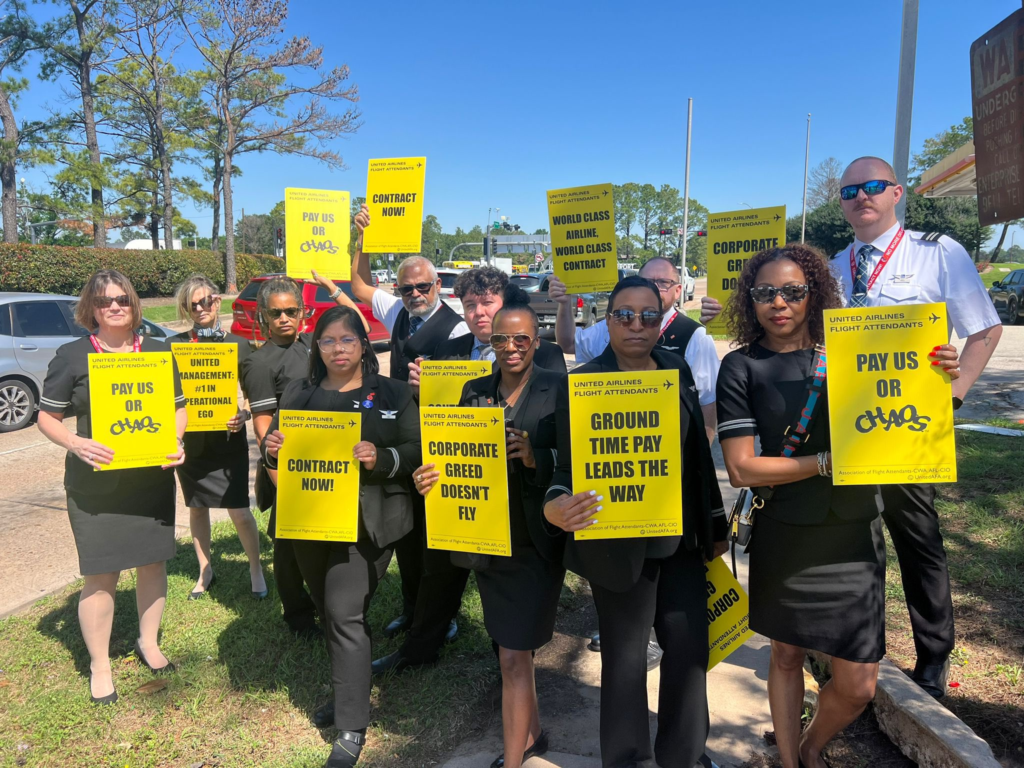
The union has already signaled the possibility of progress by postponing a planned day of action that had been scheduled for March 19. The move reflects the belief among union leaders that negotiations are approaching a conclusion.
If a tentative agreement is reached, it will still require approval through a vote by United’s flight attendants before the new contract can take effect.
Stay tuned with us. Further, follow us on social media for the latest updates.
Join us on Telegram Group for the Latest Aviation Updates. Subsequently, follow us on Google News
