


AURORA– The United States Air Force has launched a major sensor integration initiative aimed at accelerating combat decision-making across air, space, and cyber domains. Air Force Secretary Troy Meink announced the new “Ringleader” exercise series on February 23 during the Air and Space Forces Association Air Warfare Symposium in Aurora.
The announcement places renewed focus on the Department of the Air Force Battle Network, a system-of-systems architecture designed to connect aircraft, satellites, and intelligence platforms into a unified operational picture.
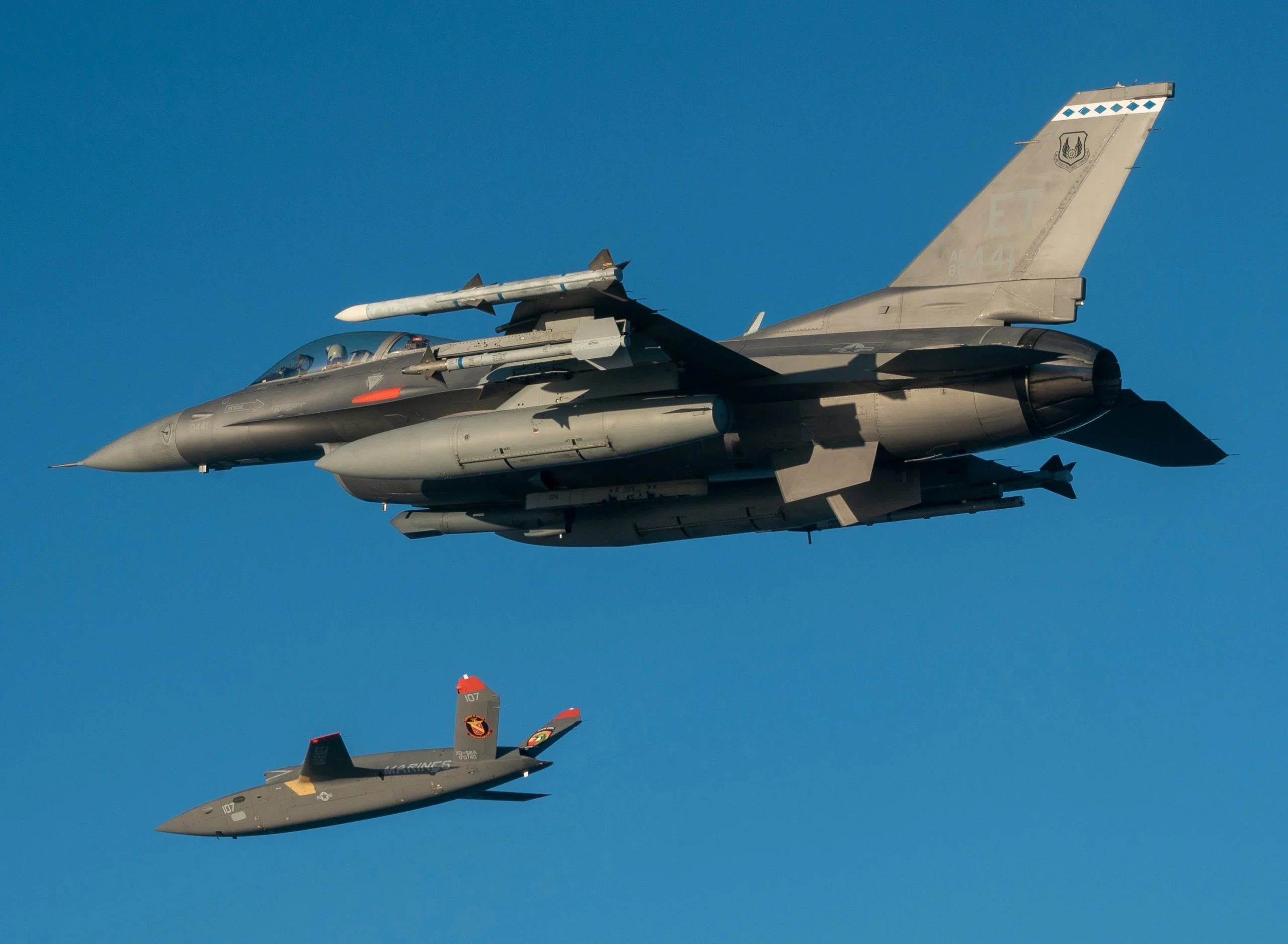
US Air Force Launches Ringleader
The Ringleader exercises will test the Air Force’s ability to pull live data from satellites, drones, and crewed aircraft, then combine that information in near real time.
Officials confirmed the drills will simulate complex scenarios such as tracking moving targets and coordinating joint strike operations.
Meink stated that the service has spent years building the software, hardware, and networking backbone required for this level of integration. The new phase will stress-test those systems under operationally realistic conditions.
Unlike earlier demonstrations, Ringleader will integrate data from across the U.S. military, commercial providers, and the intelligence community. The aim is to ensure commanders can detect, identify, track, and neutralize threats within shrinking timeframes.
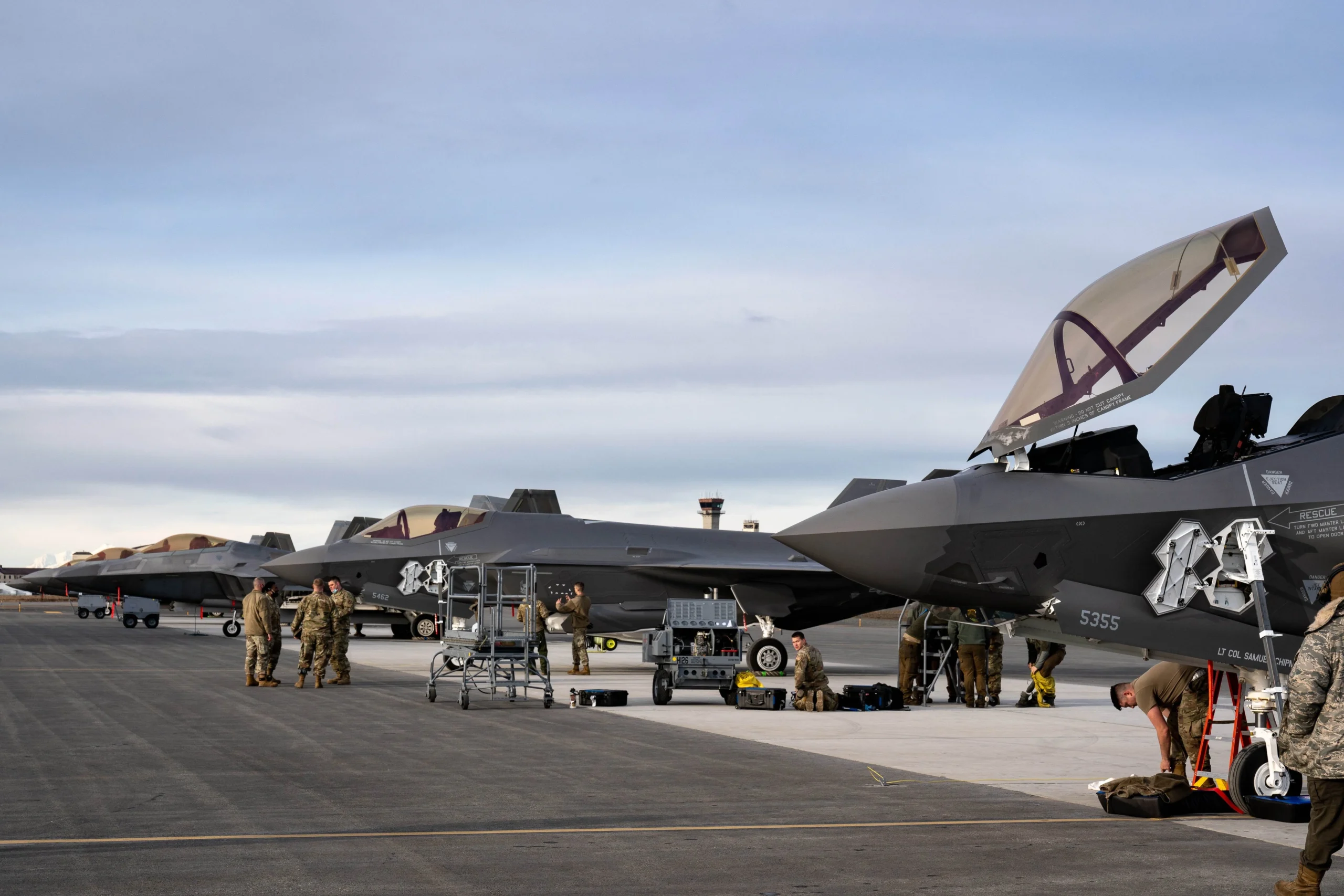
DCGS Integration Role
A central component of Ringleader will be the Air Force’s Distributed Common Ground System. Personnel from the 16th Air Force have operated this intelligence framework for more than two decades to process and analyze surveillance feeds.
The system routinely ingests data from platforms such as the General Atomics MQ-9 Reaper, the Lockheed Martin U-2 Dragon Lady, and the Northrop Grumman RQ-4 Global Hawk.
Through Ringleader, DCGS will provide global connectivity and ensure seamless information flow between on-orbit sensors and operational units.
Officials emphasized that the experiment will extend beyond moving-target indication capabilities. While the Air Force is shifting certain tracking functions from aircraft to space-based assets, the broader objective remains full-spectrum data integration.
As military sensors multiply across space and terrestrial systems, the Pentagon is now prioritizing rapid data fusion to compress the decision cycle for combat forces.

Golden Dome Alignment
The Ringleader series also aligns with wider Pentagon modernization plans, including the Golden Dome missile defense architecture.
According to Aviation Week, Chance Saltzman, Chief of Space Operations for the United States Space Force, described the initiative as a joint effort that will generate critical modeling and simulation data.
Golden Dome seeks to integrate sensors across every domain into a cohesive command-and-control framework. Michael Guetlein, the Pentagon’s lead acquisition officer for the project, has prioritized delivering an integrated command system by this summer, with additional weapon systems planned by 2027.
By conducting large-scale integration exercises now, defense leaders hope to validate technology, refine operational concepts, and identify capability gaps.
The findings could directly influence acquisition strategies and ensure that future missile defense systems operate with synchronized, multi-domain awareness.
Stay tuned with us. Further, follow us on social media for the latest updates.
Join us on Telegram Group for the Latest Aviation Updates. Subsequently, follow us on Google News
