

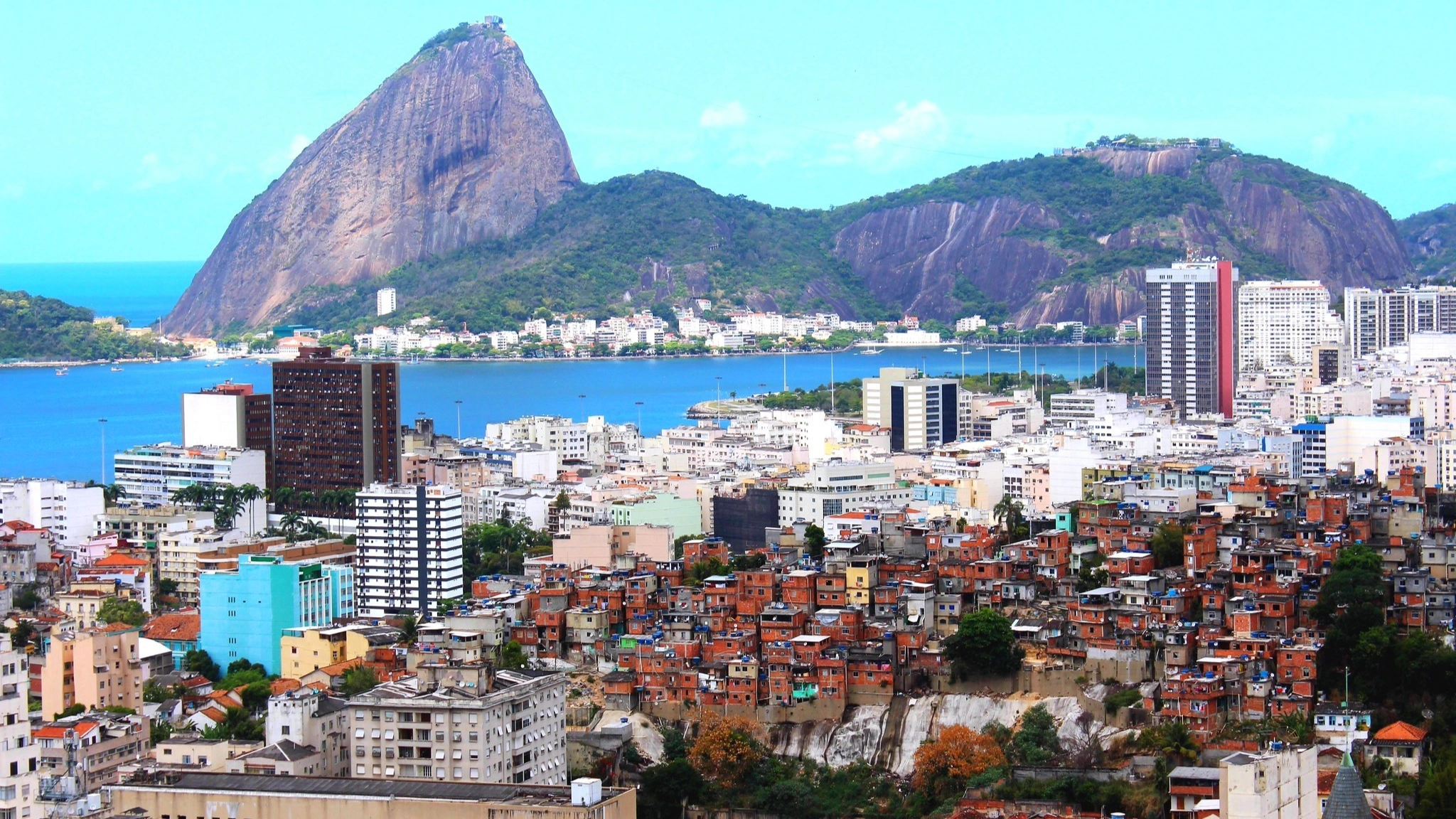
Travellers searching for meaningful cultural experiences increasingly want destinations that feel genuine rather than staged. Travellers are also asking a key question: which cities truly offer real local experiences?
A new data-driven Authenticity Index provides measurable insight into where visitors feel most immersed in genuine culture.
The study analyzed over 1.3 million online reviews across 144 cities. Researchers measured how often visitors described restaurants, attractions, markets, and cultural venues as “authentic” or “traditional,” compared with mentions of “tourist traps” or “overpriced” experiences.
Cities received an Authenticity Score out of 100 after normalizing results for fair global comparison.
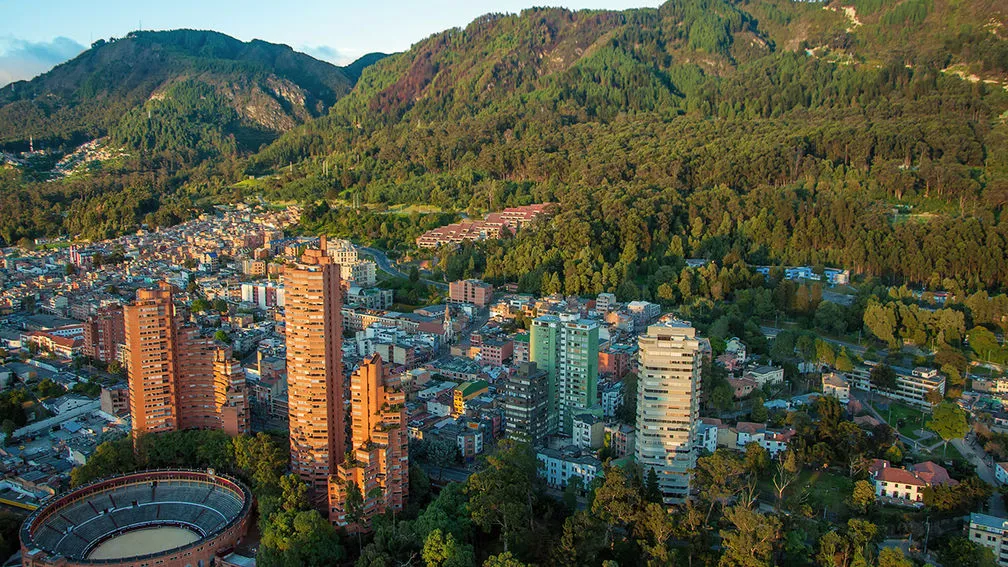
10 Authentic Cities in the World
Bogotá ranks first globally with a perfect Authenticity Score of 100. The Colombian capital blends indigenous Muisca heritage with Spanish colonial architecture, vibrant street art, and neighborhood eateries that attract residents as much as tourists.
Lima follows with a score of 70.5, supported by its deep pre-Inca history and globally respected culinary culture. Traditional cevicherías, historic districts such as Barranco, and colonial-era plazas strengthen its reputation for offering grounded experiences.
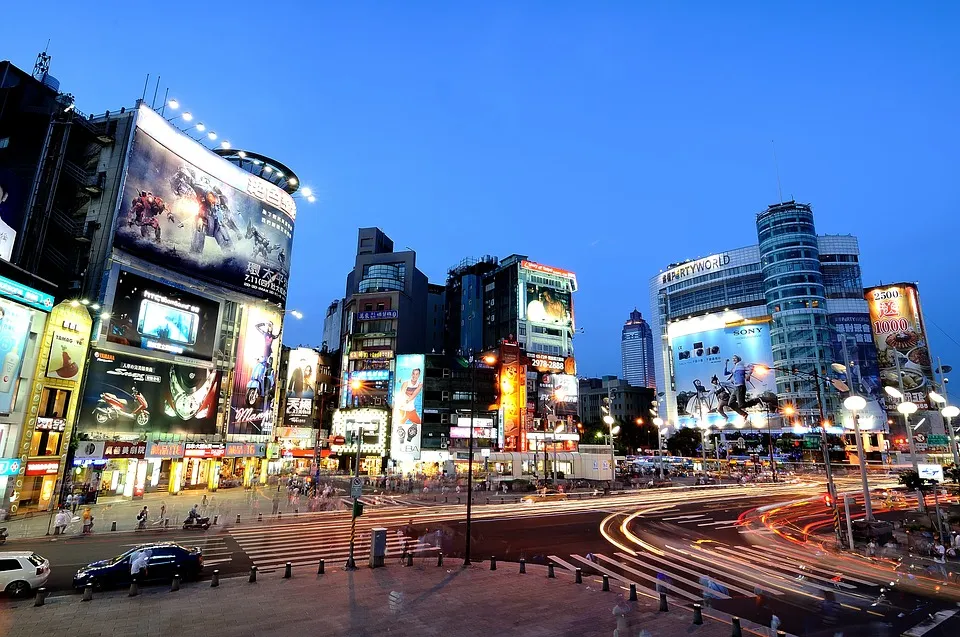
Taipei secures third place at 68.6, driven largely by its bustling night markets and preserved temples. Reviews frequently highlight Shilin and Raohe markets for maintaining traditional street food culture while serving both locals and visitors.
Muscat ranks fourth with 68.3, where coastal forts, frankincense-scented souqs, and landmarks such as the Sultan Qaboos Grand Mosque reinforce cultural continuity. Quito completes the top five at 63.5, reflecting its UNESCO-recognized Old Town and Andean heritage.
Valparaíso, Medellín, Rio de Janeiro, São Paulo, and Cairo round out the top ten. Each city combines daily life, food traditions, and neighborhood character that reviewers describe as organic rather than curated.
| Rank | City | Country | Authenticity Score / 100 |
|---|---|---|---|
| 1 | Bogotá | Colombia | 100.0 |
| 2 | Lima | Peru | 70.5 |
| 3 | Taipei | Taiwan | 68.6 |
| 4 | Muscat | Oman | 68.3 |
| 5 | Quito | Ecuador | 63.5 |
| 6 | Valparaíso | Chile | 62.7 |
| 7 | Medellín | Colombia | 59.0 |
| 8 | Rio de Janeiro | Brazil | 58.8 |
| 9 | São Paulo | Brazil | 55.7 |
| 10 | Cairo | Egypt | 54.5 |
Source: InsureAndGo
Methodology plays a key role in credibility. Analysts evaluated over 1.3 million Google Maps reviews, comparing positive authenticity mentions against negative tourist-trap descriptors.
Scores reflect the difference between authentic and inauthentic mentions, normalized to a 0–100 scale.
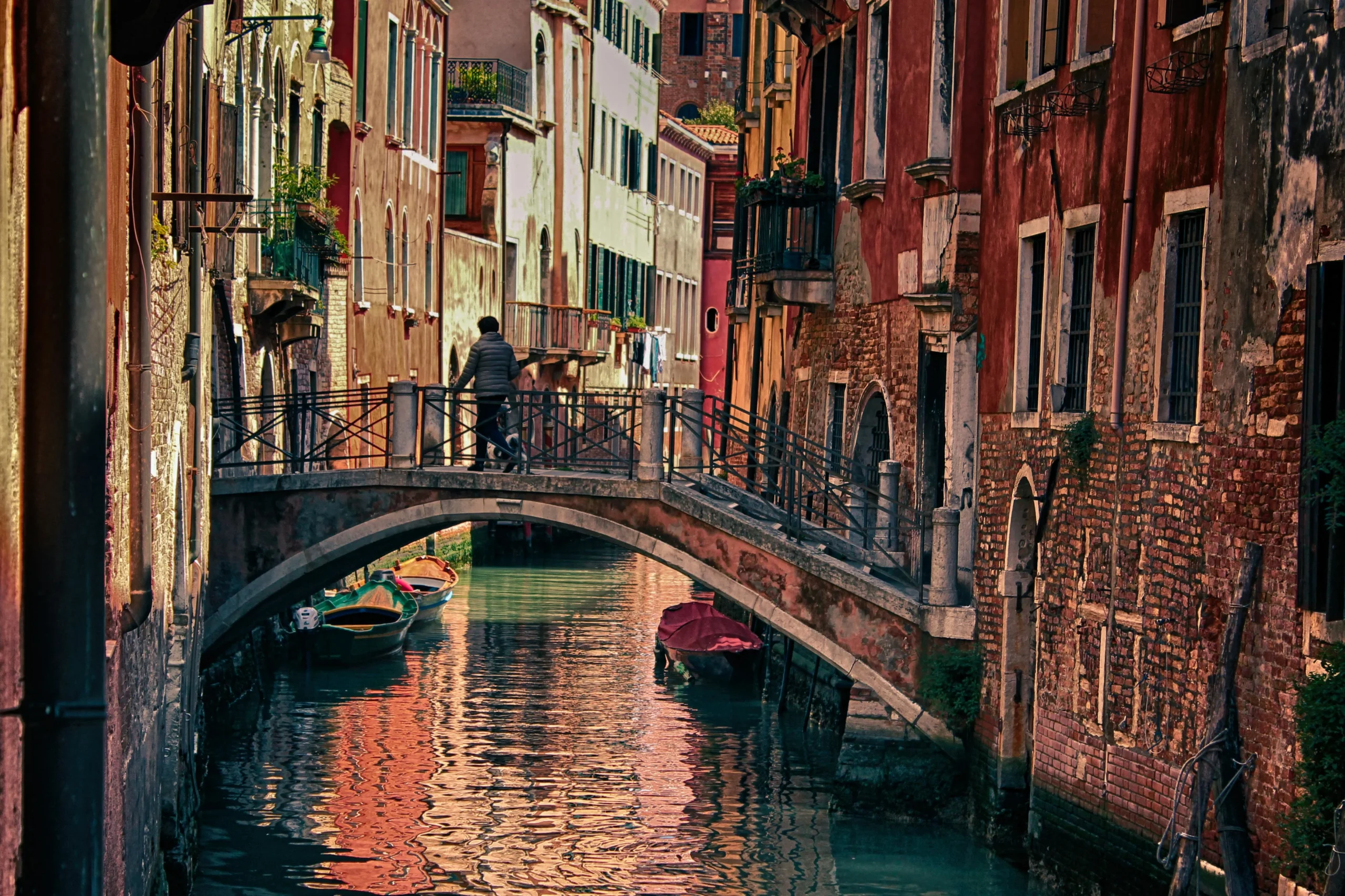
Cities With Tourist Traps
While some destinations score highly for authenticity, others receive low ratings due to perceived commercialization.
Chicago ranks lowest globally with a score of 2.0, with reviewers noting heavily commercialized downtown attractions.
Venice follows at 2.6, where visitor congestion and high-priced cafés near landmark canals contribute to perceptions of inauthenticity. Las Vegas ranks third at 2.7, reflecting its entertainment-driven identity rather than traditional cultural immersion.
Nashville and Hobart also appear among lower-ranked cities. Reviews cite branded entertainment districts and cruise-focused waterfront development as factors that dilute local atmosphere.
London, Singapore, Sydney, Brussels, Miami, New York City, Austin, Bath, and Vancouver also appear in the lower authenticity bracket. High visitor volume and premium pricing often influence traveler perception.
However, low authenticity scores do not indicate a lack of cultural value. Instead, they reflect a higher frequency of reviews describing tourist-focused infrastructure compared with everyday neighborhood experiences.
| Rank | City | Country | Authenticity Score / 100 |
|---|---|---|---|
| 1 | Chicago | United States | 2.0 |
| 2 | Venice | Italy | 2.6 |
| 3 | Las Vegas | United States | 2.7 |
| 4 | Nashville | United States | 3.8 |
| 5 | Hobart | Australia | 3.9 |
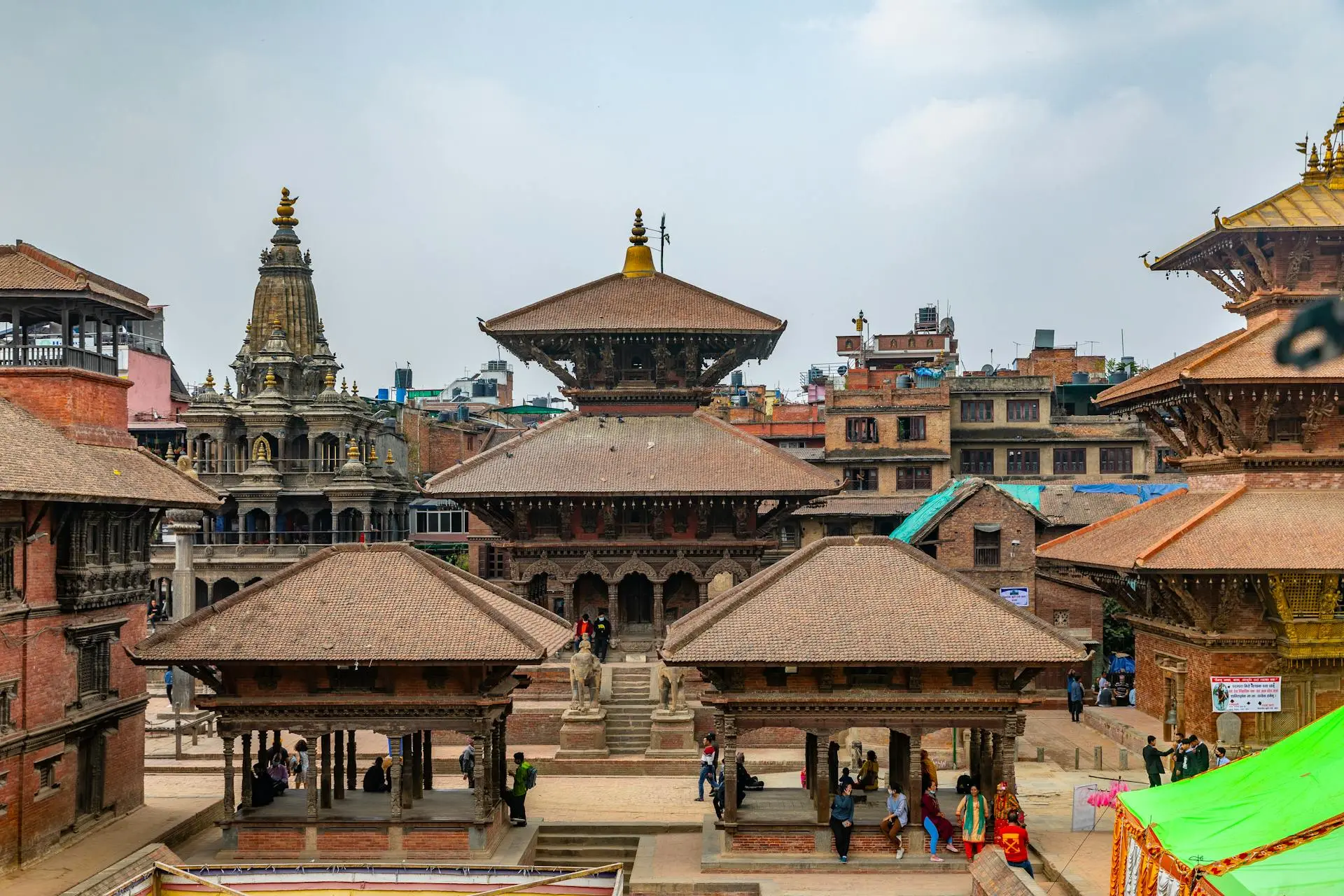
Authentic Food Capitals
The study also ranked cities based solely on gastronomic authenticity. Bogotá again leads with a perfect score of 100 for its restaurant culture, driven by street vendors serving empanadas and traditional dishes like ajiaco.
Quito ranks second with a gastronomic score of 79.2, supported by traditional Andean stews and indigenous cooking techniques. Taipei secures third at 76.4, reflecting the central role of night markets in daily Taiwanese life.
Medellín and São Paulo complete the top five. Medellín’s bandeja paisa and strong coffee-growing heritage reinforce culinary identity, while São Paulo’s immigrant-rooted neighborhoods deliver diverse but culturally grounded cuisine.
Varanasi, Rio de Janeiro, Lima, Muscat, Kathmandu, Zanzibar City, Shanghai, Da Nang, Phuket, and Singapore also perform strongly in food authenticity. Reviews emphasize family-run establishments, preserved recipes, and local ingredient sourcing.
| Rank | City | Country | Gastronomic Authenticity Score / 100 |
|---|---|---|---|
| 1 | Bogotá | Colombia | 100.0 |
| 2 | Quito | Ecuador | 79.2 |
| 3 | Taipei | Taiwan | 76.4 |
| 4 | Medellín | Colombia | 75.0 |
| 5 | São Paulo | Brazil | 71.8 |
| 6 | Varanasi | India | 69.5 |
| 7 | Rio de Janeiro | Brazil | 69.5 |
| 8 | Lima | Peru | 69.4 |
| 9 | Muscat | Oman | 67.2 |
| 10 | Kathmandu | Nepal | 66.4 |
Bottom Line
The findings highlight a broader travel trend. Modern travellers prioritize cultural immersion, neighborhood markets, traditional cooking methods, and historic continuity over spectacle.
As global travel rebounds and route networks expand, authenticity may become a competitive advantage.
Destinations that offer real cultural depth, rather than staged experiences, appear more likely to earn long-term loyalty from international visitors.
Stay tuned with us. Further, follow us on social media for the latest updates.
Join us on Telegram Group for the Latest Aviation Updates. Subsequently, follow us on Google News
