

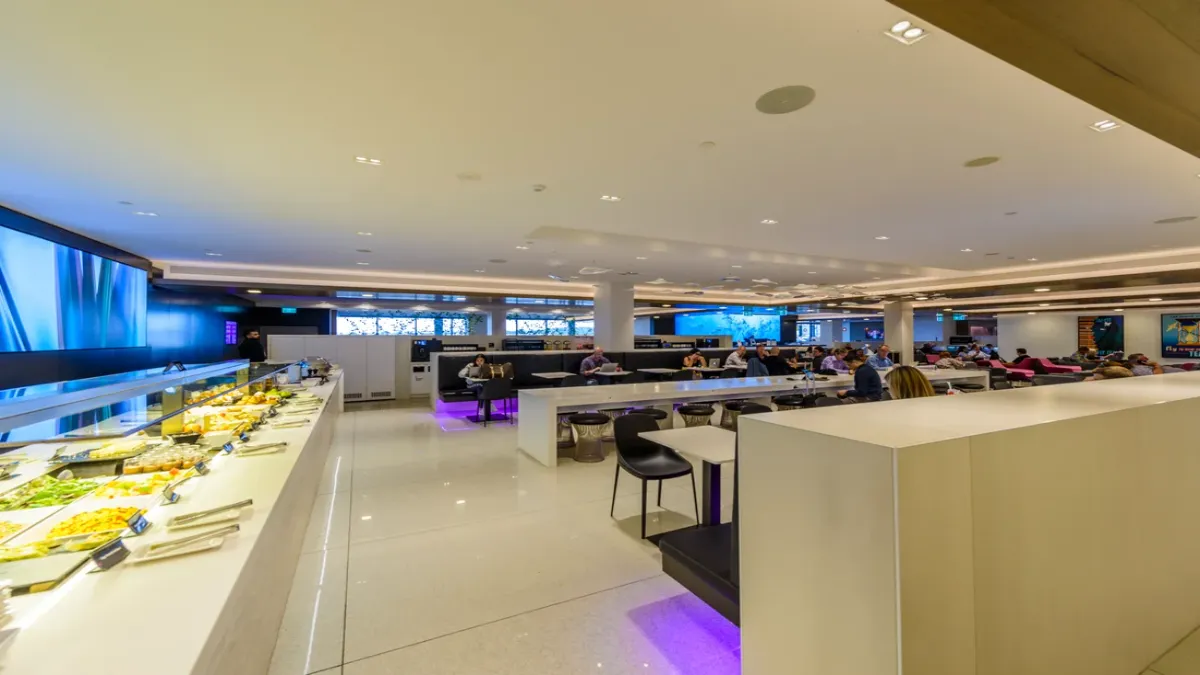
MELBOURNE, AUSTRALIA- Melbourne Airport (MEL) has unveiled plans for a major $4.5 billion expansion of its international terminal, reinforcing its position as Australia’s largest 24-hour gateway.
The announcement follows the busiest summer in the airport’s history for international travel, with record-breaking passenger volumes driving the need for additional capacity.
The expansion at Melbourne Airport comes as airlines increase services and travelers demand smoother departures and arrivals. Airport management confirmed that the multi-year, privately funded project will significantly expand check-in, baggage, gate, and waiting areas to handle sustained growth in international traffic.
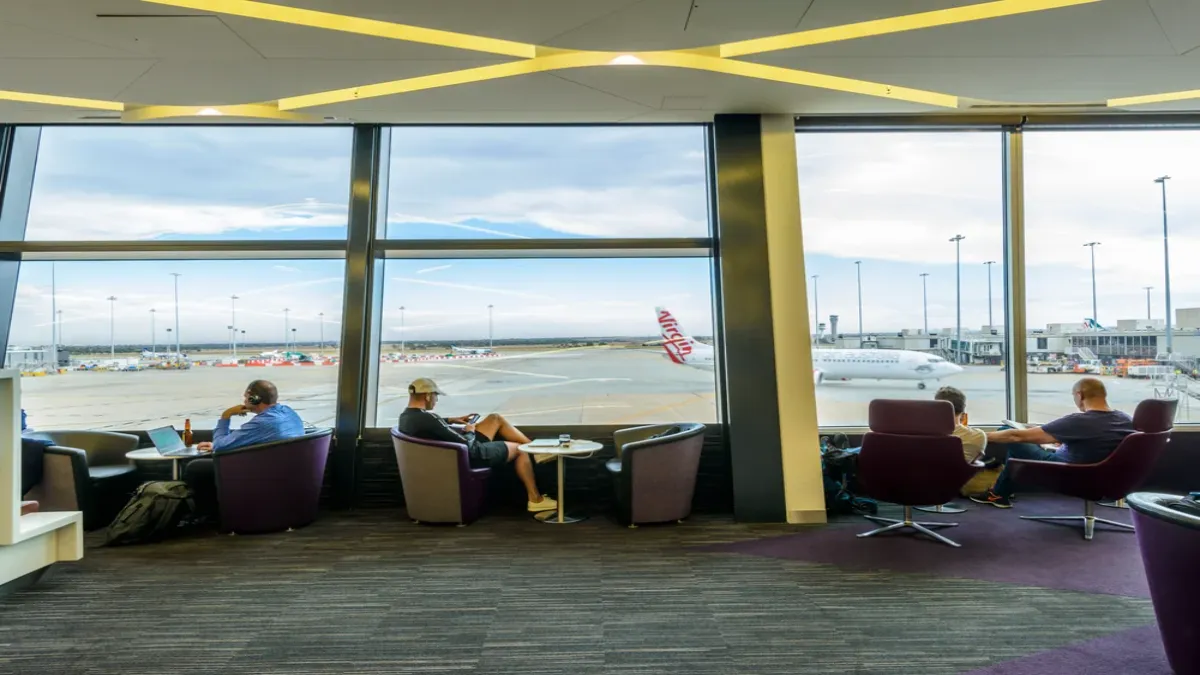
International Terminal Expansion at Melbourne
The project centers on enlarging the existing international terminal footprint to improve passenger flow and airline operations.
Plans include a substantial expansion of the check-in hall, featuring high-tech common user baggage systems that allow multiple airlines to share infrastructure more efficiently.
Baggage reclaim areas will also expand with additional carousels and more space allocated for border processing agencies. These upgrades aim to reduce congestion during peak periods while maintaining operational efficiency in a live 24-hour airport environment.
January alone saw more than 1.26 million international passengers processed through the airport, setting a new monthly record.
This surge underscores the urgency of expanding terminal infrastructure to meet both current and future demand.
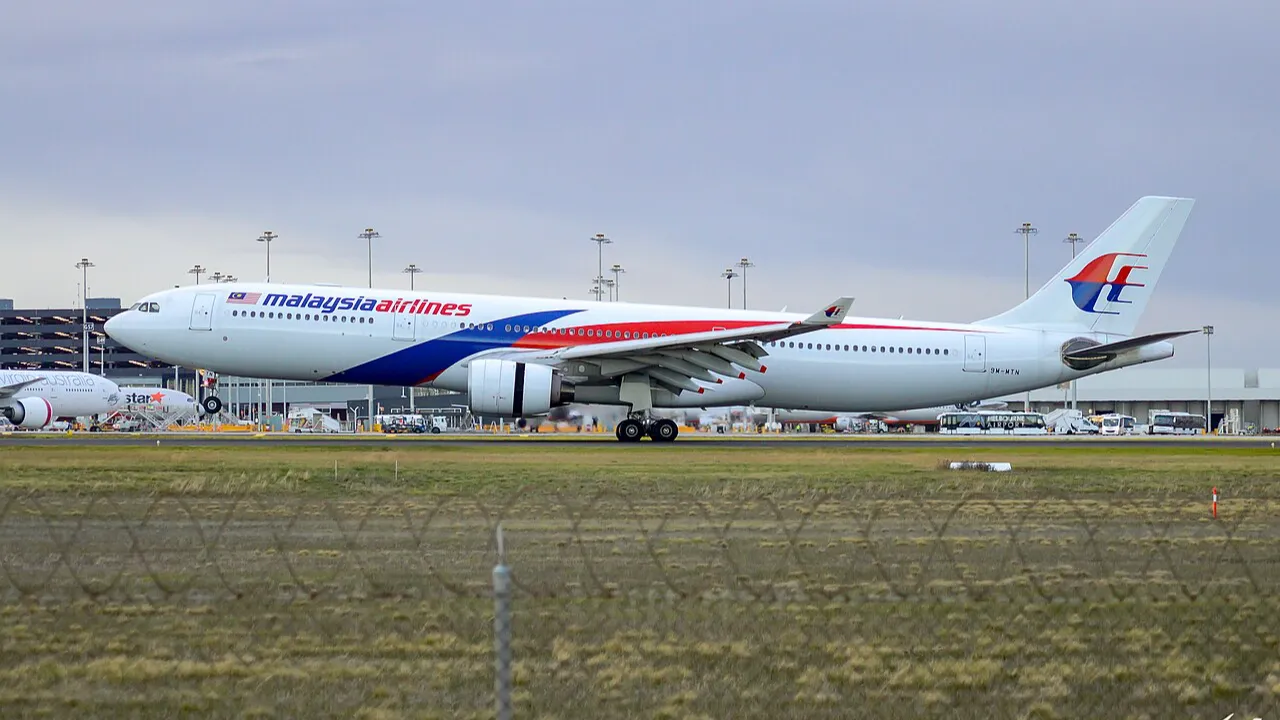
https://commons.wikimedia.org/wiki/File:Malaysia_Airlines_9M-MTN_Airbus_A330-323_Melbourne_International_Airport_(MEL_YMML)_(50367159606).jpg
Melbourne Airport: New Gates and Stands
As part of the expansion, five new gates will be added to the existing international pier. These gates will provide airlines with greater flexibility to schedule flights at preferred times and open opportunities for additional routes.
The project will also deliver five new aircraft stands capable of accommodating either five widebody aircraft or up to eight narrowbody jets.
This increase in apron capacity will enable more simultaneous aircraft movements and reduce bottlenecks during busy international bank periods.
Airport Chief Executive Officer (CEO) Lorie Argus stated that increased airfield and terminal capacity will give airlines more freedom to add flights to new and existing destinations.
She emphasized that the investment complements the airport’s third runway, which is scheduled to open in 2031.
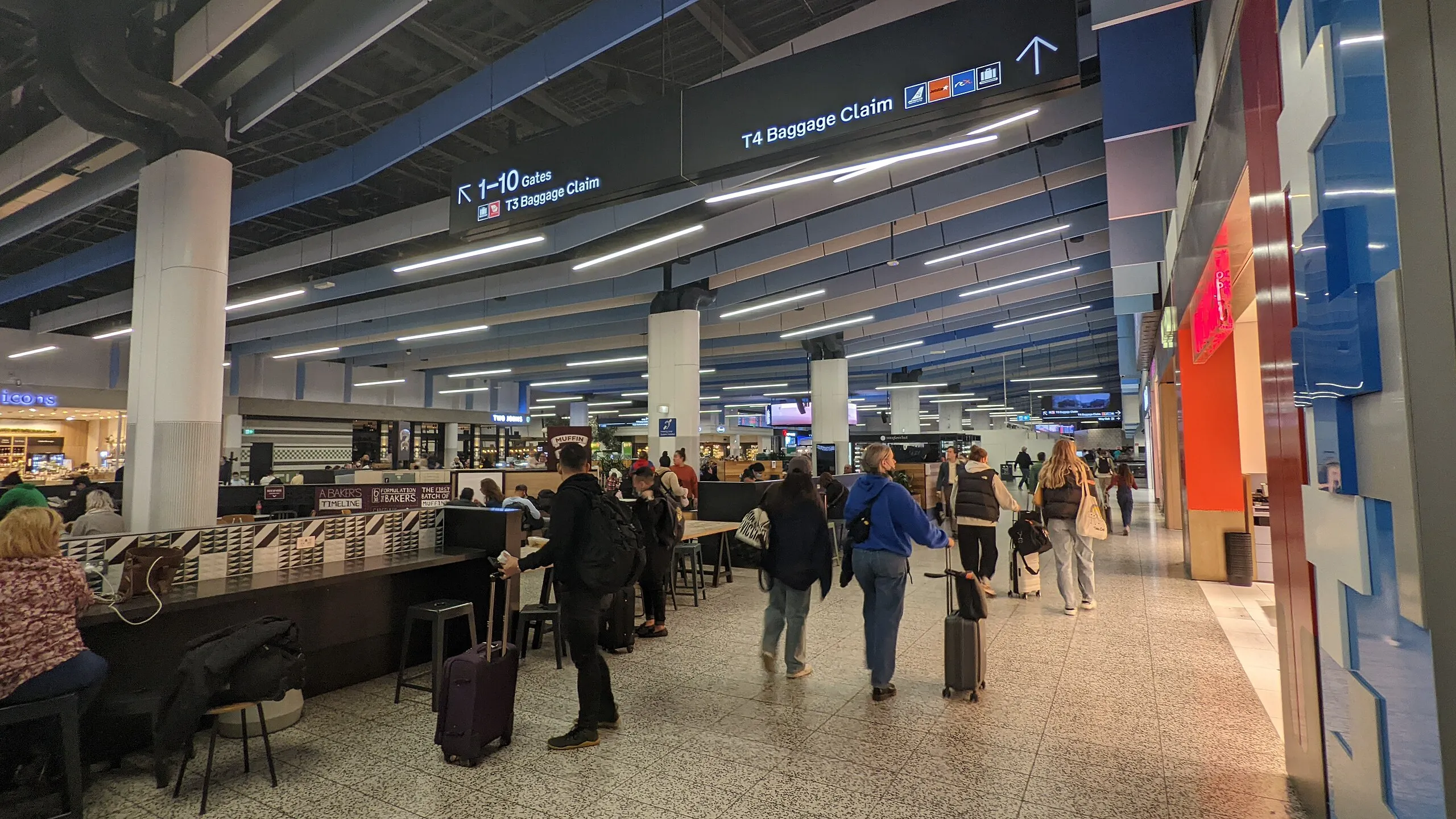
Melbourne’s Staged Infrastructure Rollout
The expansion will roll out in stages due to the complexity of building within a fully operational 24-hour airport. Construction will accelerate after the opening of new pick-up and drop-off zones within the T123 Transport Hub in September 2026, enabling the international terminal to extend into the current forecourt area.
Upgrades will also include improved waiting areas, enhanced lounge facilities, expanded retail offerings, and larger spaces for meeters and greeters. Airport management confirmed that several months of consultation with airlines shaped the design to meet operational needs while improving passenger comfort.
Assistant Minister for Citizenship, Customs and Multicultural Affairs Julian Hill welcomed the project, noting that Australian airports play a critical role in connecting families, businesses, and global markets. He added that the Australian Border Force will continue working with industry partners to streamline passenger processing as demand grows.
According to airport data, one average daily international flight contributes approximately $190 million annually to the Victorian economy. Officials believe that expanding terminal and airfield capacity will facilitate more services, strengthen trade links, and support thousands of jobs across the state.
Stay tuned with us. Further, follow us on social media for the latest updates.
Join us on Telegram Group for the Latest Aviation Updates. Subsequently, follow us on Google News
