

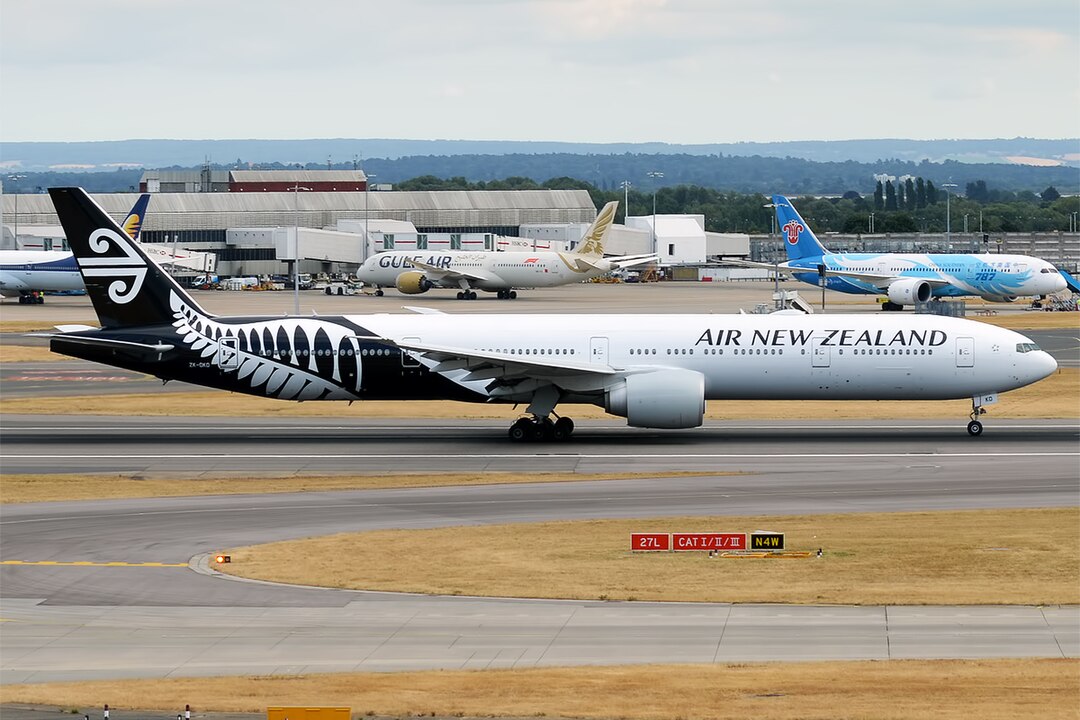
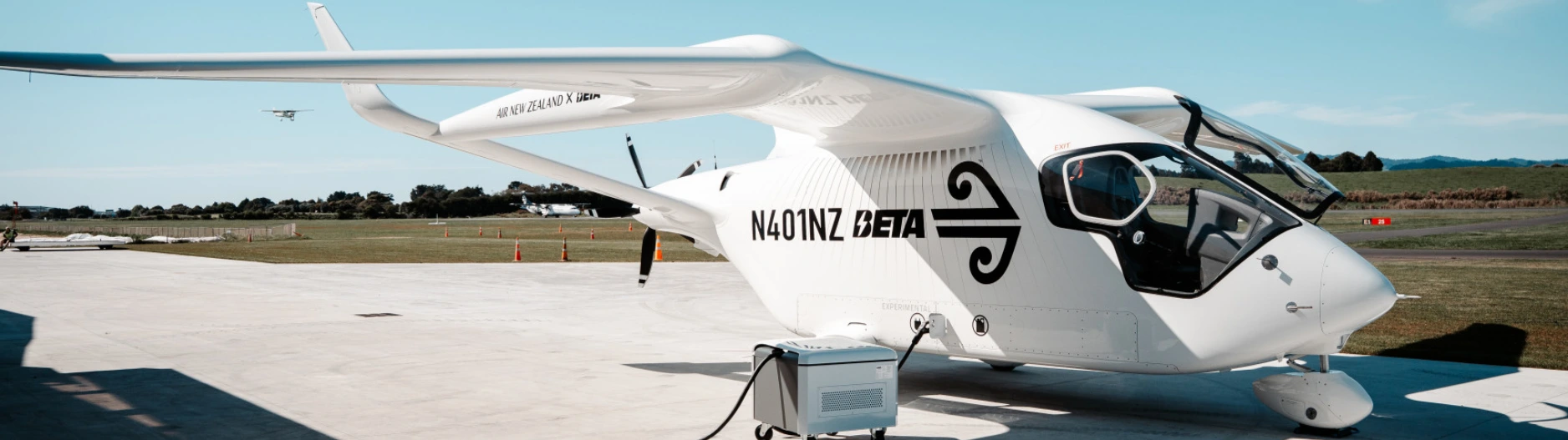
WELLINGTON– Air New Zealand (NZ) has completed trial flights of the Beta Technologies Alia CX300 electric aircraft as it evaluates the future of zero-emission aviation. The aircraft conducted extensive demonstration flights across New Zealand, including operations from Wellington Airport (WLG), before preparations began to ship it back to the United States.
The airline confirmed that the aircraft will depart from Tauranga and return to its Vermont-based manufacturer, Beta Technologies, after concluding local evaluations. While Air New Zealand has signaled potential commercial entry into service by 2028, executives stress that further technical, operational, and infrastructure assessments are required before final decisions are made.

https://commons.wikimedia.org/wiki/File:Beta_ALIA_CX300_(N916LF,_cn_BT31C-0001)_(3-25-2025).jpg
Air NZ Electric Aircraft Trials
The Alia CX300 demonstrator completed more than 100 flights during its time in New Zealand. It operated from bases in Hamilton and Wellington and visited 12 airports nationwide to simulate real-world cargo missions.
The trial focused on performance under varied weather and operational conditions. Company executives stated that the aircraft performed within its approved operational limits throughout the evaluation period.
Pilots who typically operate Boeing 777 and 787 widebody aircraft flew the electric model during the trial phase.
They described the experience as both technically challenging and professionally rewarding, highlighting the collaborative approach required for emerging aviation technologies.
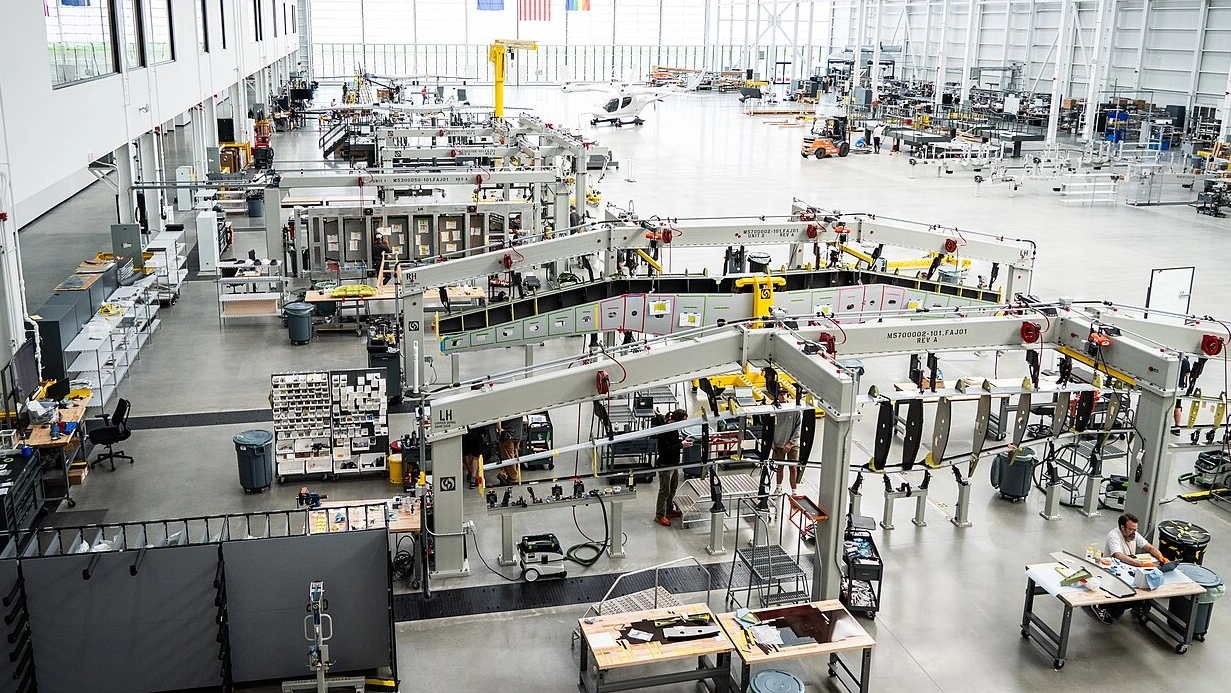
https://commons.wikimedia.org/wiki/File:BETA_Technologies_Production_Facility.jpg
Infrastructure Requirements
Air New Zealand’s leadership emphasized that infrastructure readiness will determine how quickly electric aircraft can enter commercial service. The airline worked closely with airport operators to test charging systems and power supply capabilities.
Wellington Airport supported ground operations, while Marlborough Airport upgraded a transformer to meet the aircraft’s charging demands.
Both locations installed higher-capacity outlets to enable recharging using Beta’s Minicube mobile charging unit.
The Minicube provides 65 kilowatts of charging power and can replenish the aircraft battery in approximately 90 minutes. A full-scale fixed charger is expected to deliver 320 kilowatts, significantly exceeding the output of standard electric vehicle fast chargers.
Executives noted that electric aircraft must land with sufficient energy reserves, ensuring operational safety standards align with conventional aviation requirements. These technical parameters remain central to future deployment planning.
Commercial Entry Timeline
Air New Zealand’s Next Generation Aircraft Programme is exploring the possibility of integrating the CX300 into regional cargo operations. However, certification from the US Federal Aviation Administration remains a prerequisite before any commercial launch.
The airline indicated that the current production outlook points to a potential entry into service around 2028.
Even so, Chief Executive Nikhil Ravishankar told lawmakers that it remains uncertain whether the Alia CX300 will ultimately form part of the airline’s long-term fleet solution, reported The New Zealand Herald.
Management continues to evaluate how electric aviation could reshape regional connectivity, cost structures, and emissions targets. The airline views the trial as a strategic learning phase rather than a final commitment.
Bottom Line
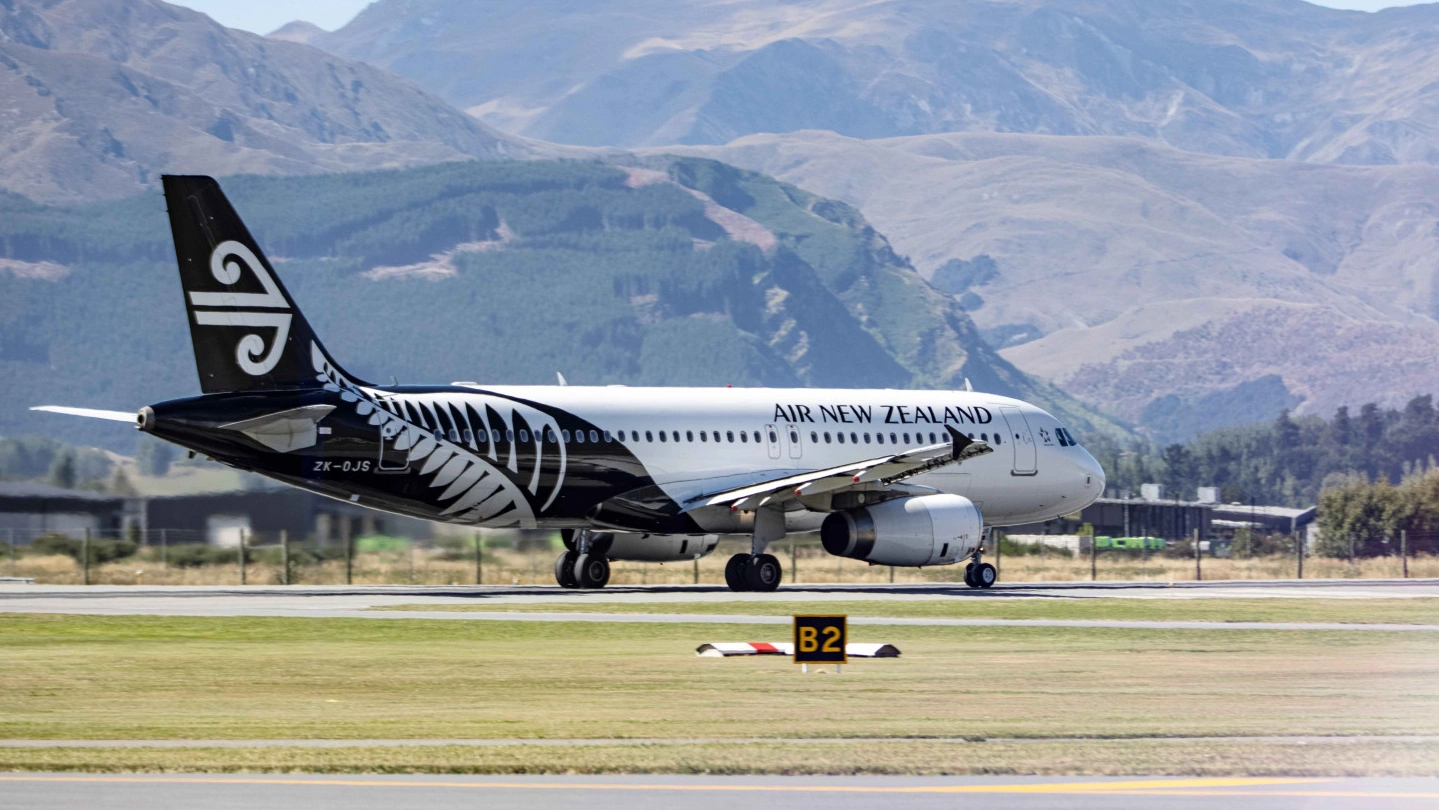
By conducting cross-country flights and testing charging logistics, Air New Zealand gathered operational data that will inform future investment decisions.
The programme reflects New Zealand’s broader ambition to remain at the forefront of sustainable aviation innovation.
Stay tuned with us. Further, follow us on social media for the latest updates.
Join us on Telegram Group for the Latest Aviation Updates. Subsequently, follow us on Google News
