

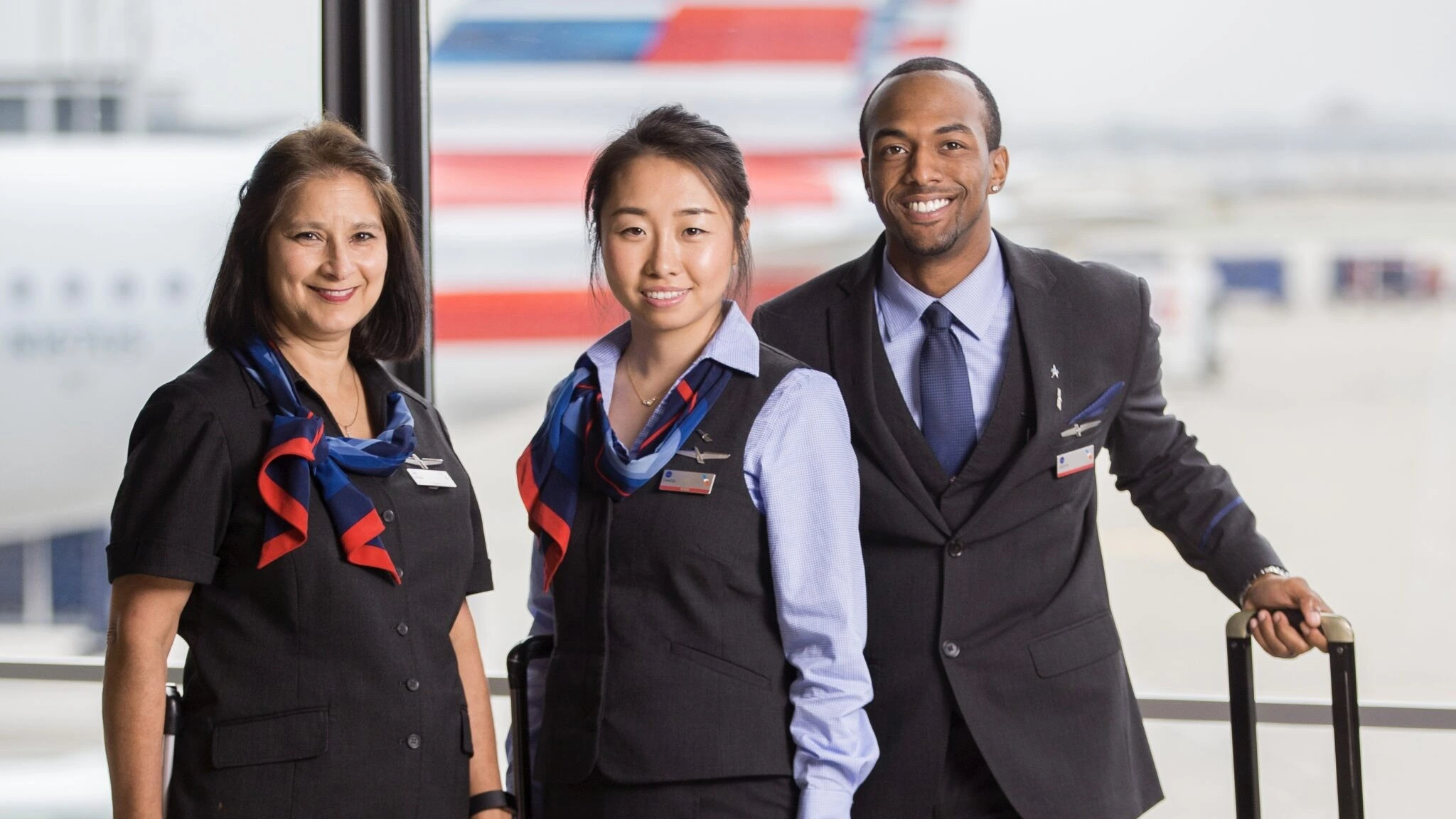
FORT WORTH- American Airlines (AA) faces growing internal pressure after its flight attendants’ union issued a unanimous vote of no confidence in CEO Robert Isom, citing weak financial results and leadership concerns.
The dispute centers on operations linked to Dallas Fort Worth (DFW), the airline’s largest hub, as unions argue current strategies have left the carrier trailing competitors.
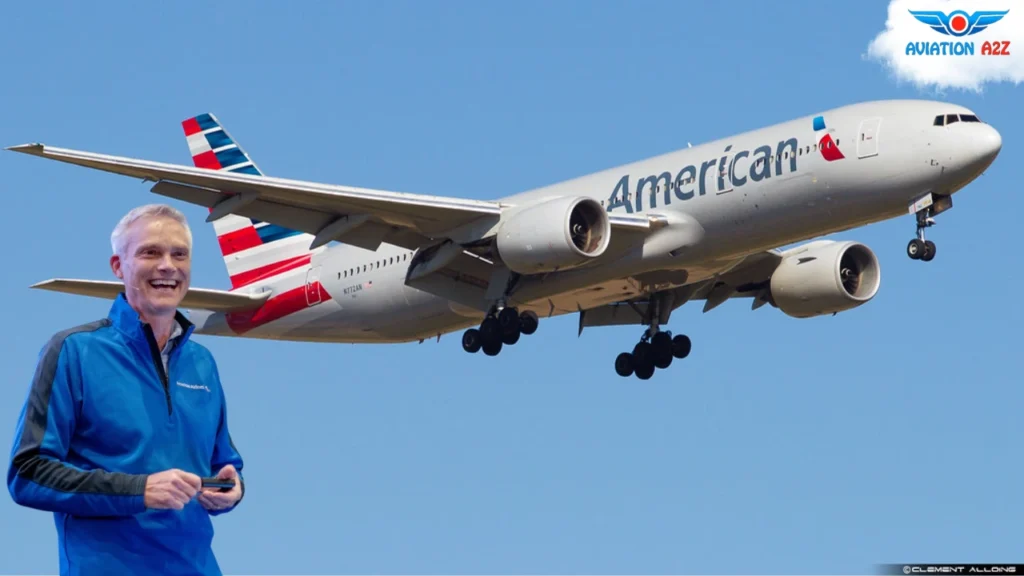
American Airlines Attendants’ No Confidence in CEO
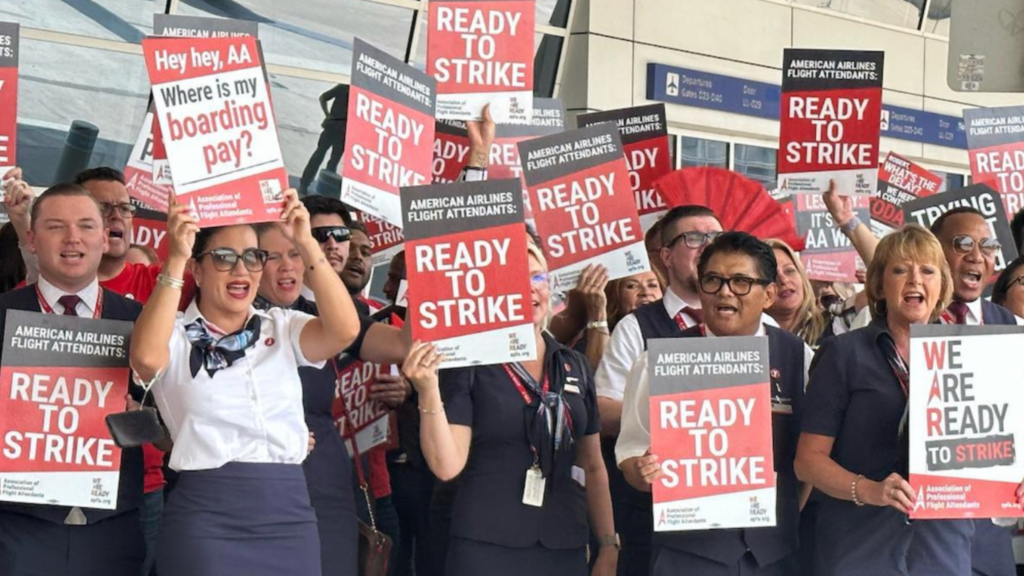
The Association of Professional Flight Attendants, representing over 28,000 crew members, formally declared a vote of no confidence against CEO Robert Isom. Union leaders argue that the airline continues to fall behind competitors while leadership fails to adjust its strategy.
APFA President Julie Hedrick stated the move followed continued financial struggles and management decisions that unions believe threaten long-term stability. Crew members expressed concern that employees may again be asked to accept concessions after years of instability and past bankruptcies.
Pressure on Isom intensified as other unions also raised concerns. The Allied Pilots Association narrowly avoided taking a similar vote but instead sought direct discussions with the airline’s board and management.
According to PYOK, union leaders increasingly view leadership change as necessary to restore competitiveness and employee confidence.
Financial Performance and Strategy Concerns
American Airlines’ profits reportedly fell sharply in 2025 compared with the previous year, alarming labor groups. Meanwhile, competitors Delta Air Lines and United Airlines continue to post stronger financial performance.
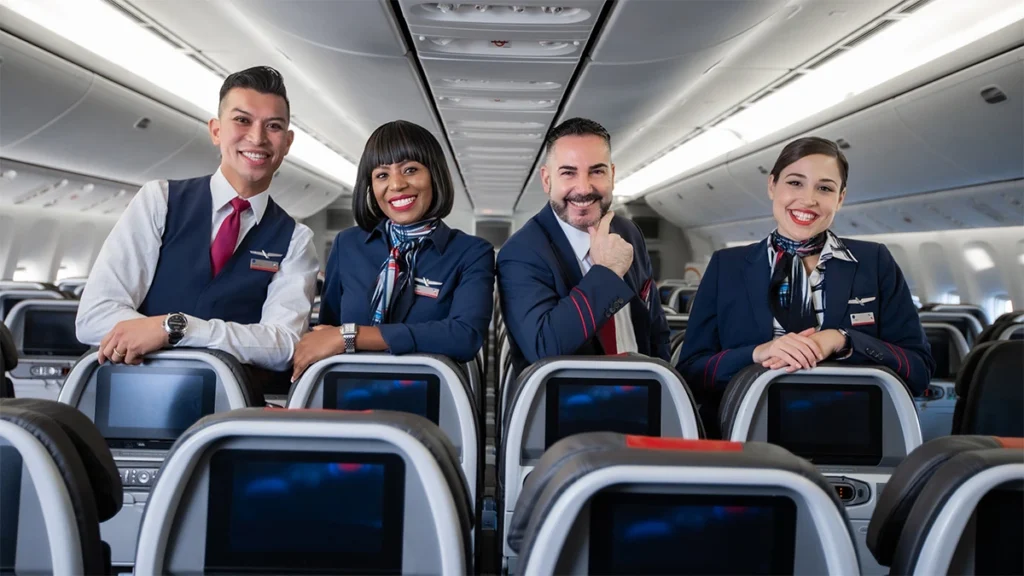
Industry analysts and union representatives point to strategic decisions that prioritized price competition rather than premium service offerings. Competitors expanded premium seating and onboard amenities, while American removed seatback entertainment screens on domestic aircraft as part of cost reduction efforts.
This approach failed to attract higher-yield customers, leaving the airline struggling to match rivals’ profitability.
Management has since signaled renewed focus on premium services, but unions argue that leadership credibility has weakened.

Leadership Background of Robert Isom
Robert Isom began his aviation career at Northwest Airlines before moving to America West Airlines, where he helped lead restructuring efforts. He later served in executive roles at US Airways and played a major operational role when US Airways merged with American Airlines.
In 2023, Isom succeeded longtime CEO Doug Parker. Since taking charge, his leadership has drawn mixed reactions, with critics pointing to operational disruptions and strategic missteps.
Isom has defended company decisions and expressed willingness to engage directly with pilot representatives to address concerns over operations, attendance policies, and business strategy.
Union dissatisfaction also grew following the departure of former Chief Commercial Officer Vasu Raja, widely viewed as the architect of American’s controversial sales and distribution strategy.
Despite criticism of that strategy, Raja reportedly received substantial compensation after leaving the airline, angering labor groups who argue management rewards contrast sharply with employee sacrifices.
What Happens Next at American Airlines?
So far, there is no indication that American Airlines’ board plans leadership changes. However, APFA leaders say they will continue coordinating with other unions to demand accountability and operational improvements.
Union leadership has made clear that replacing current leadership remains a key objective if performance does not improve.
The coming months may prove critical as management seeks to stabilize finances while unions push for strategic and leadership reforms.
Stay tuned with us. Further, follow us on social media for the latest updates.
Join us on Telegram Group for the Latest Aviation Updates. Subsequently, follow us on Google News
