

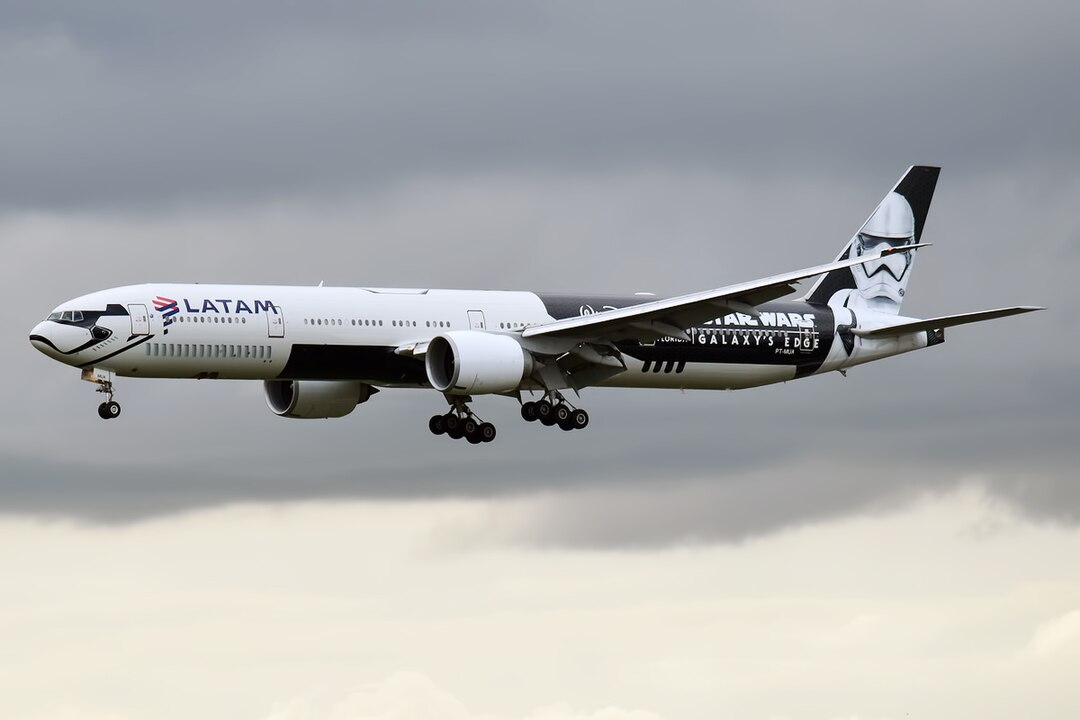
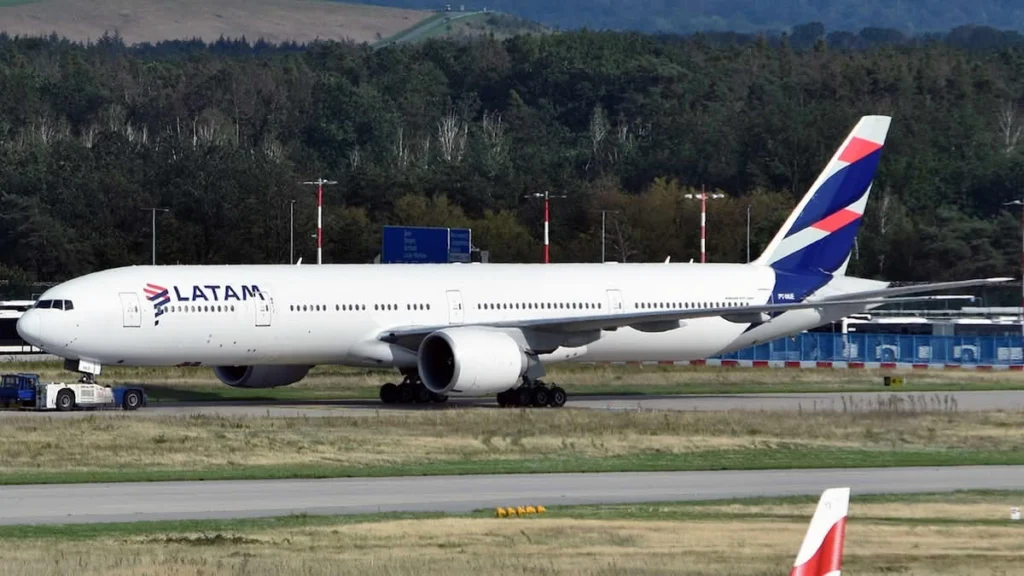
SANTIAGO- LATAM Airlines (LA) faced an accident investigation after a Boeing 777-300ER suffered a tail strike during takeoff from Milan in July 2024 due to incorrect weight calculations.
Italian investigators confirmed the aircraft used the wrong takeoff data at Milan Malpensa Airport (MXP), leading to insufficient thrust and rotation at unsafe speeds.

LATAM 777 Tail Strike Investigation
Italy’s accident investigation authority, ANSV, concluded that a 100-tonne error occurred while the crew calculated the aircraft’s gross takeoff weight before departure to São Paulo.
The final load sheet was received around ten minutes before pushback. While the correct zero-fuel weight was entered into the flight management computer, the line-training captain miscalculated gross weight by subtracting expected taxi fuel consumption incorrectly.
The result, 228.8 tonnes instead of the correct 328.4 tonnes, was verbally announced and subsequently used by both pilots.
Both pilots then entered this incorrect weight into their electronic flight bags for performance calculations.
Because both devices used the same wrong figure, cross-checking showed matching results, masking the mistake. No comparison was made with loadsheet data or flight management computer values.
Why Performance Data Became Invalid
The incorrect takeoff weight resulted in the wrong configuration and assumed temperature inputs. The flight management computer could not generate a valid takeoff solution within available runway limits, triggering a “V-speeds unavailable” message.
Despite noticing the message, the crew did not identify the reason or halt the departure. Investigators noted that calculated speeds appeared significantly lower than expected for a fully loaded Boeing 777-300ER.
Correct calculations would have produced speeds around:
- V1: approximately 172 knots
- Rotation speed: approximately 181 knots
Instead, speeds of about 145 and 149 knots were used, far below safe values.
Rotation at Low Speed Led to Tail Contact
During takeoff, rotation began at roughly 150 knots, around 30 knots below the required speed. Incorrect assumed temperature settings also reduced engine thrust output from the GE90 engines.
Four seconds after rotation started, the aircraft’s pitch reached 8.3 degrees nose-up. Tail strike protection activated, but the tail still contacted the runway at around 160 knots.
By this stage, aborting takeoff was impossible because the aircraft had exceeded decision speed, even though that speed itself was incorrectly calculated.
The aircraft struggled to respond to control inputs, surprising the two front-seat pilots.
Third Pilot Intervention Enabled Safe Departure
The cruise captain, observing the situation, ordered the selection of full takeoff thrust 12 seconds after rotation began. Engines reached maximum thrust shortly afterward.
The aircraft finally lifted off at 178 knots with only about 800 meters of runway remaining. Positive climb was achieved, and the aircraft crossed the opposite runway threshold at 155 feet.
The crew later declared urgency, dumped 72 tonnes of fuel, and safely returned to land at Milan on runway 35R.
Damage, Inspection, and Aircraft Return to Service
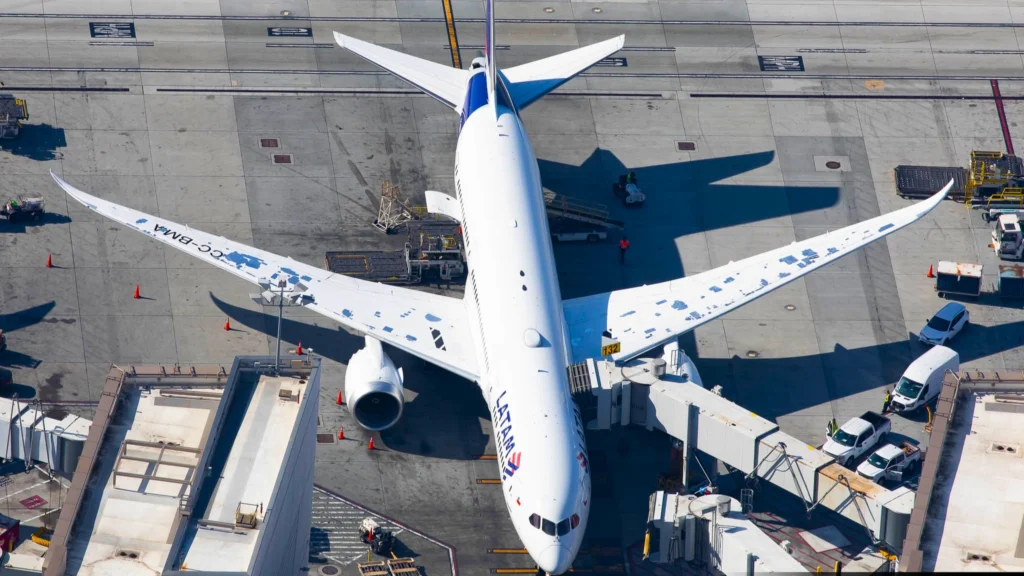
None of the 398 passengers and crew were injured. Initial inspection found damage to the tail skid, drain mast, and auxiliary power unit fire extinguishing system.
Further inspection uncovered additional structural damage, leading authorities to reclassify the event from a serious incident to an accident.
After repairs and inspections, the aircraft returned to service about seven months later.
Operational Lessons Highlighted by Investigators
The investigation emphasized several critical points:
- Independent verification of weight and performance data is essential.
- Flight crews must investigate abnormal system messages before departure.
- Cross-checking must include original data sources, not only duplicated calculations.
- Large aircraft performance margins leave little room for input errors.
The event demonstrates how a single data entry error can cascade into a high-risk situation despite functioning aircraft systems.
Stay tuned with us. Further, follow us on social media for the latest updates.
Join us on Telegram Group for the Latest Aviation Updates. Subsequently, follow us on Google News
