

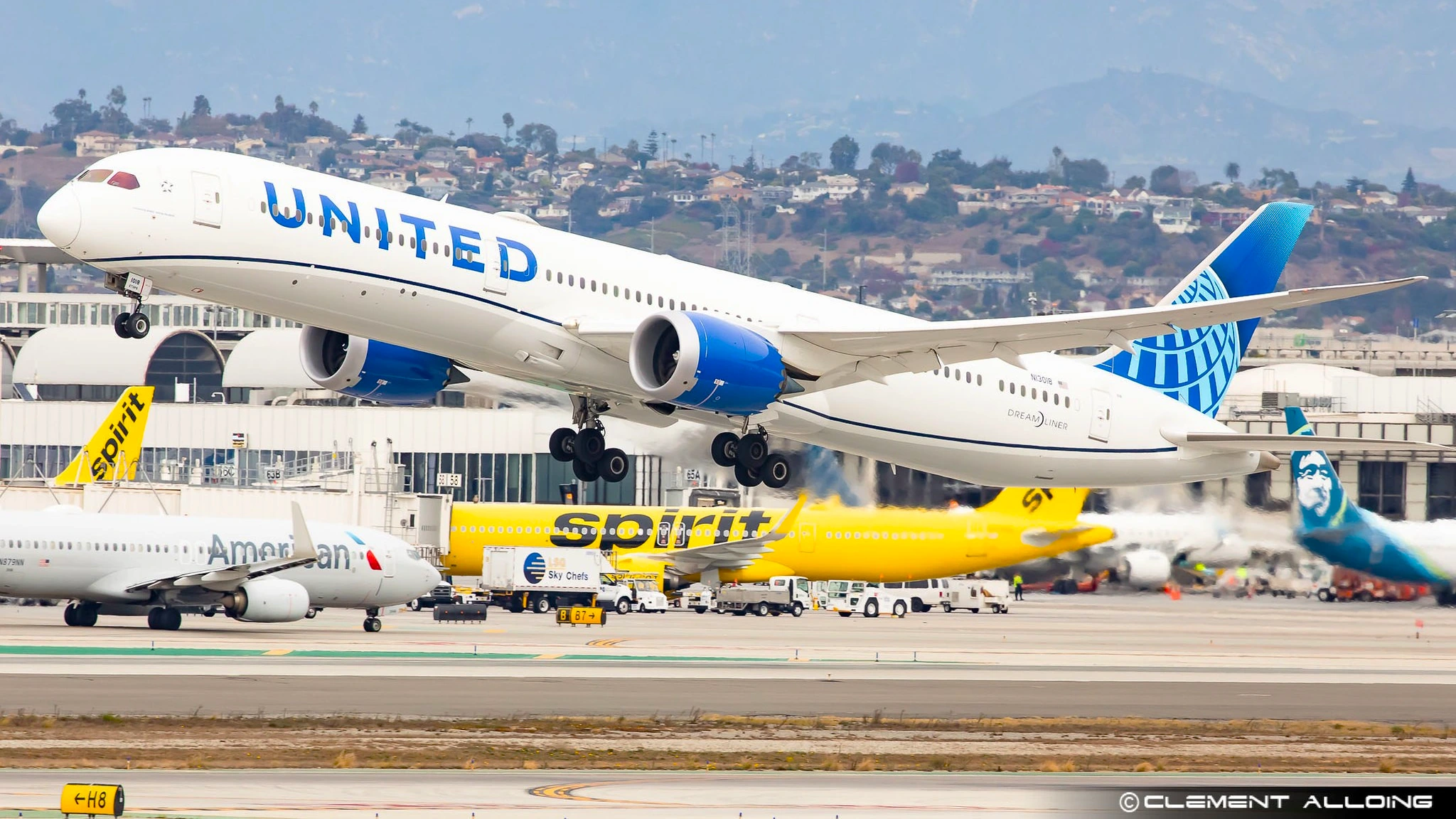
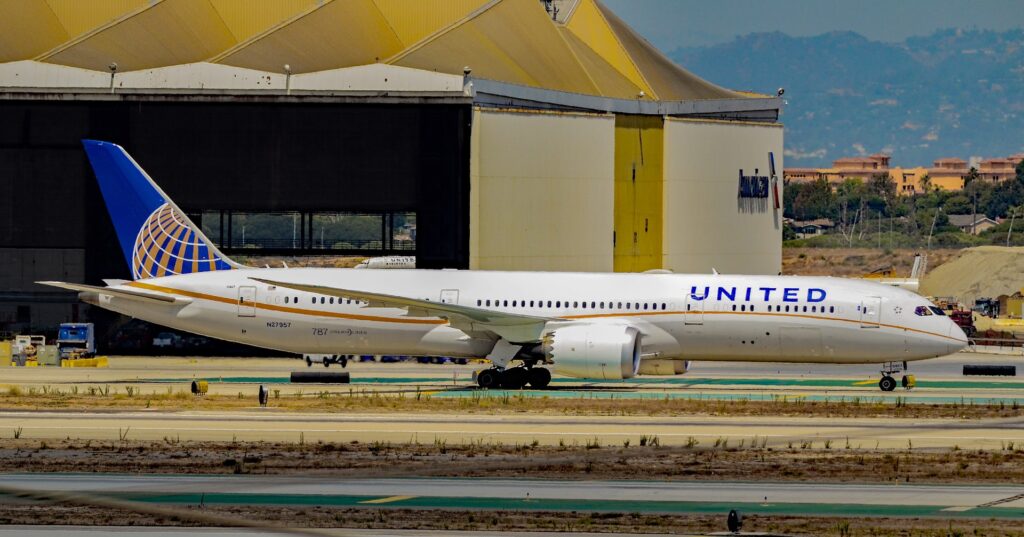
CHICAGO- United Airlines (UA) is preparing for one of the most significant widebody fleet expansions in its history, with 20 Boeing 787 Dreamliner deliveries scheduled for 2026.
These aircraft will increase United’s Dreamliner fleet beyond 100 units, supporting international network growth, higher premium capacity, and the retirement of older, less efficient widebody aircraft.
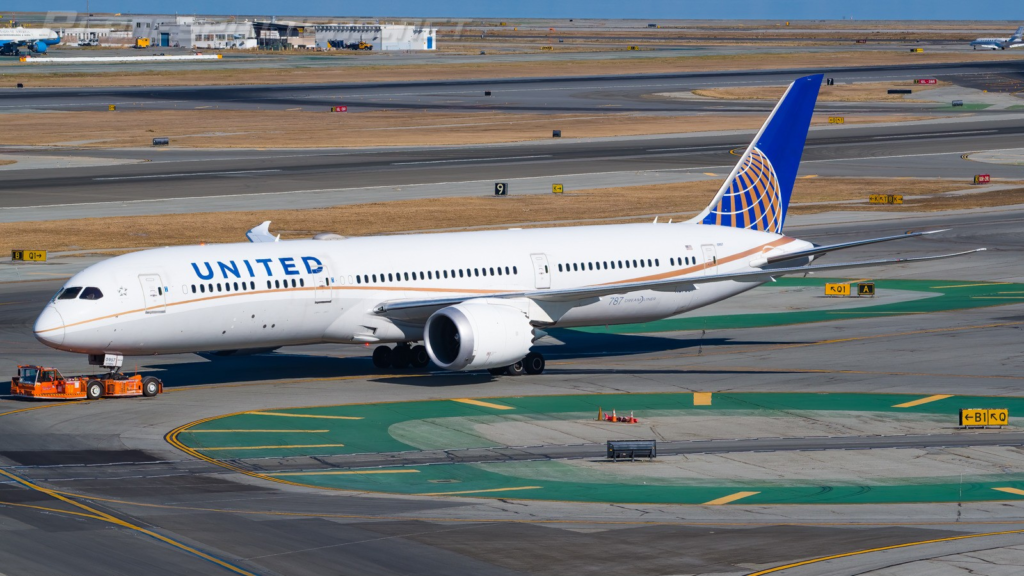
United 20 New 787 Dreamliners Delivery
United Airlines (UA) expects to take delivery of around 20 Boeing 787 Dreamliners during 2026, representing the largest widebody aircraft intake by any US carrier since 1988.
According to Simple Flying, this delivery schedule underscores United’s focus on long-haul expansion and premium-heavy aircraft deployment.
United was among Boeing’s earliest Dreamliner customers, taking delivery of its first 787 more than 13 years ago.
Today, the airline operates all 3 variants of the type: the 787-8, 787-9, and 787-10, placing it among the world’s largest Boeing 787 operators.
All Dreamliners delivered in 2026 will be the 787-9 variant. United has not taken delivery of either the 787-8 or 787-10 in nearly 3 years, with recent fleet growth centered exclusively on the 787-9.
Current Fleet and Outstanding Orders
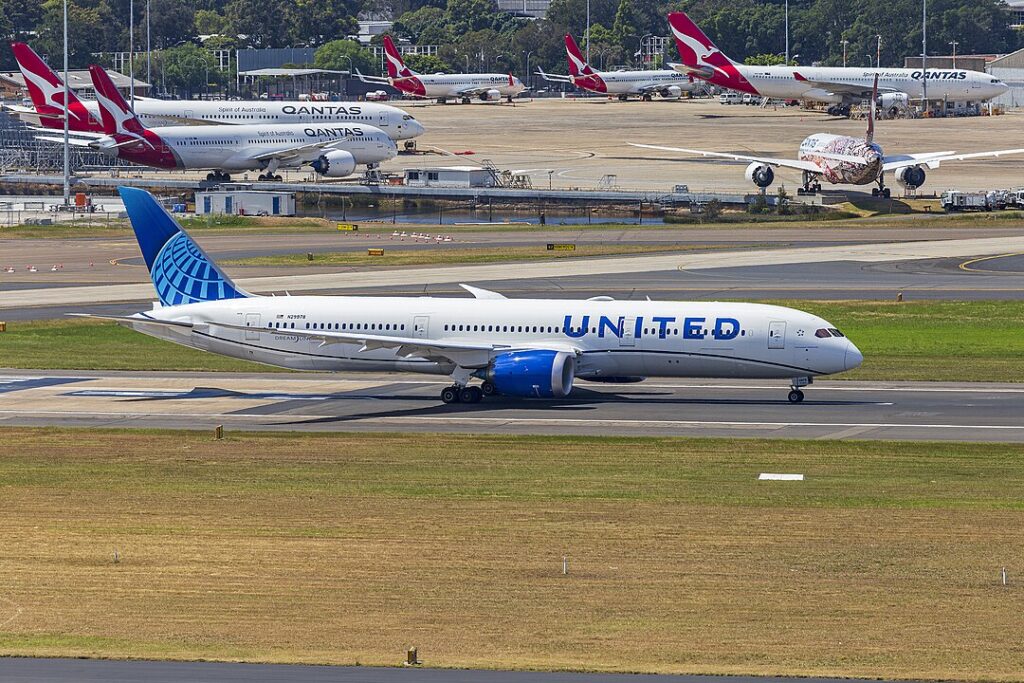
As per ch-aviation data, United operates a total of 81 Boeing 787 Dreamliners as of mid-January. The active fleet consists of 12 787-8s, 48 787-9s, and 21 787-10s.
United also has firm commitments for 140 additional Dreamliners. These include 84 Boeing 787-9s and 56 Boeing 787-10s.
The airline recently converted 56 aircraft in its order book from the 787-9 to the larger 787-10, reflecting a long-term preference for higher-capacity widebodies.
Despite this conversion, all 2026 deliveries remain scheduled as 787-9 aircraft, reinforcing the type’s central role in United’s current expansion phase.
Cabin Configuration and Deployment
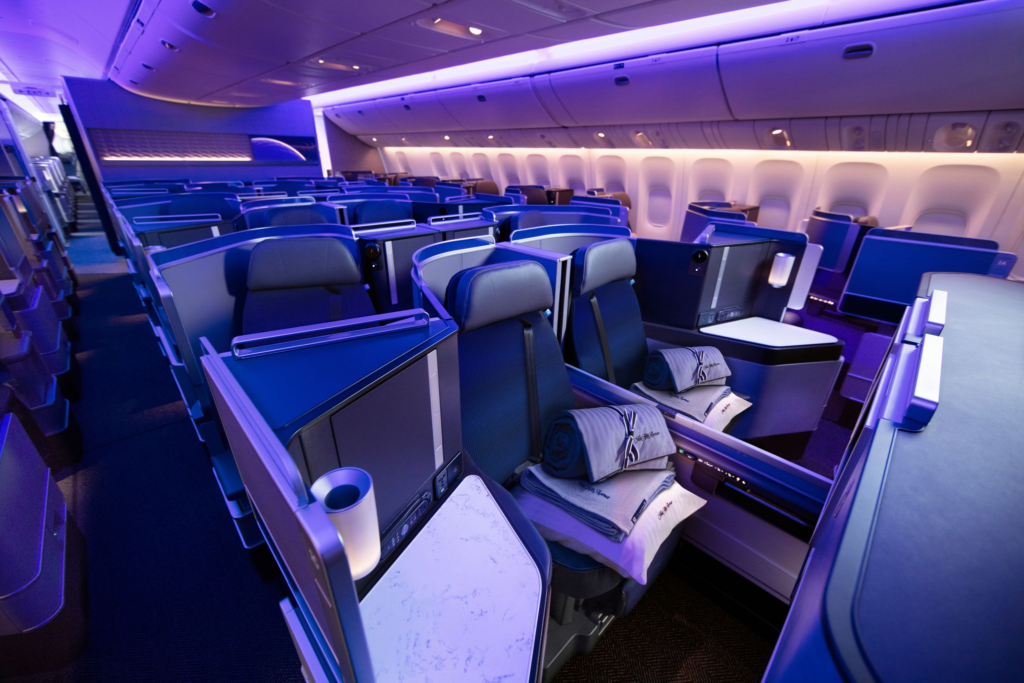
The incoming Dreamliners will feature United’s updated Elevate interior. Each aircraft will be configured with 64 Polaris business class seats, 35 Premium Plus seats, and 123 economy class seats.
This layout provides the highest premium seat count of any US-registered widebody aircraft.
United stated that it plans to use these aircraft to profitably expand its network, including its industry-leading international routes and a growing domestic schedule.
The Boeing 787’s range and efficiency make it particularly valuable on ultra-long-haul routes, where it now operates the majority of United’s flights exceeding 15 hours.
Narrowbody Growth and Fleet Replacement
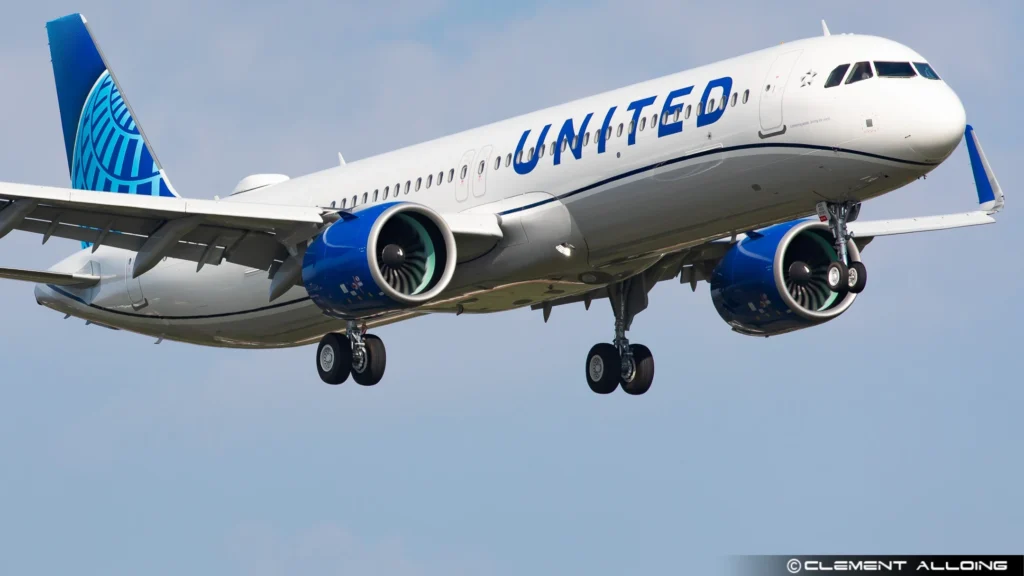
In addition to widebody expansion, United plans to induct up to 100 narrowbody aircraft over the next 12 months. This equates to an average of approximately 8 new narrowbody deliveries per month.
The intake will include Airbus A321neo, Boeing 737 MAX, and the first Airbus A321XLR aircraft for United.
These jets will replace older aircraft such as the Boeing 757, aging Airbus A319 and A320ceo models, and earlier-generation Boeing 737s.
United continues to operate more than 300 Boeing 737NG aircraft, which have an average age of over 22 years.
The airline’s Airbus A319 and A320ceo fleets are of a similar age, making fleet renewal a critical operational priority.
Future Outlook
Under the United Next fleet modernization program, United aims for the majority of its fleet to consist of new-generation aircraft by 2030.
This strategy is designed to lower operating costs, improve reliability, and ensure compliance with increasingly strict airport, emissions, and noise regulations.
United reported better-than-expected results for the full year 2025 and is forecasting record earnings for 2026.
Premium revenue remains a key driver, with an 11% year-on-year increase reported. While domestic flying still represents the majority of United’s operations, long-haul routes generate many of the airline’s highest margins.
Based on Cirium scheduling data, United’s long-haul network is expected to average 148 daily departures this year, representing a 4% increase compared with the previous year.
Stay tuned with us. Further, follow us on social media for the latest updates.
Join us on Telegram Group for the Latest Aviation Updates. Subsequently, follow us on Google News
