

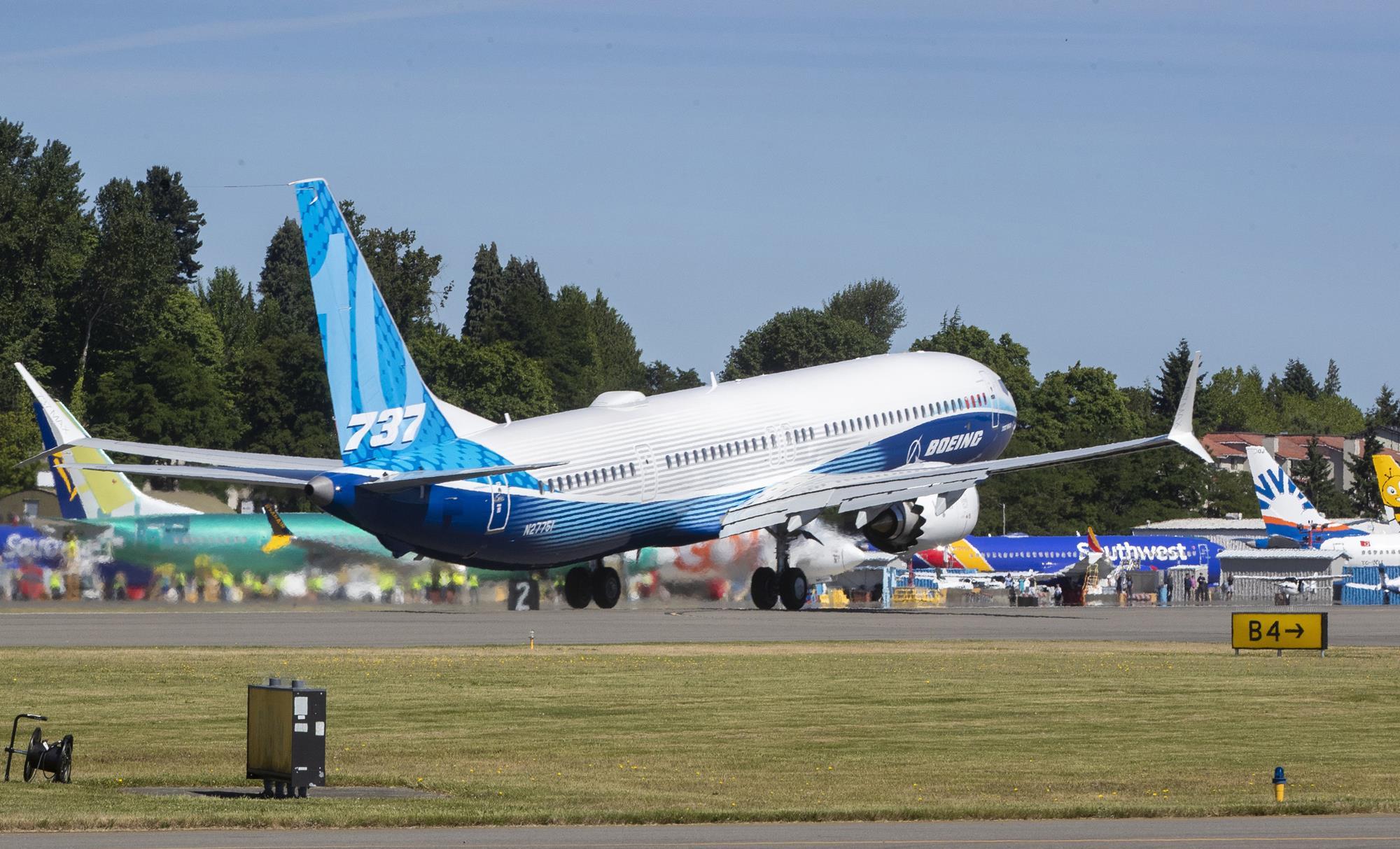
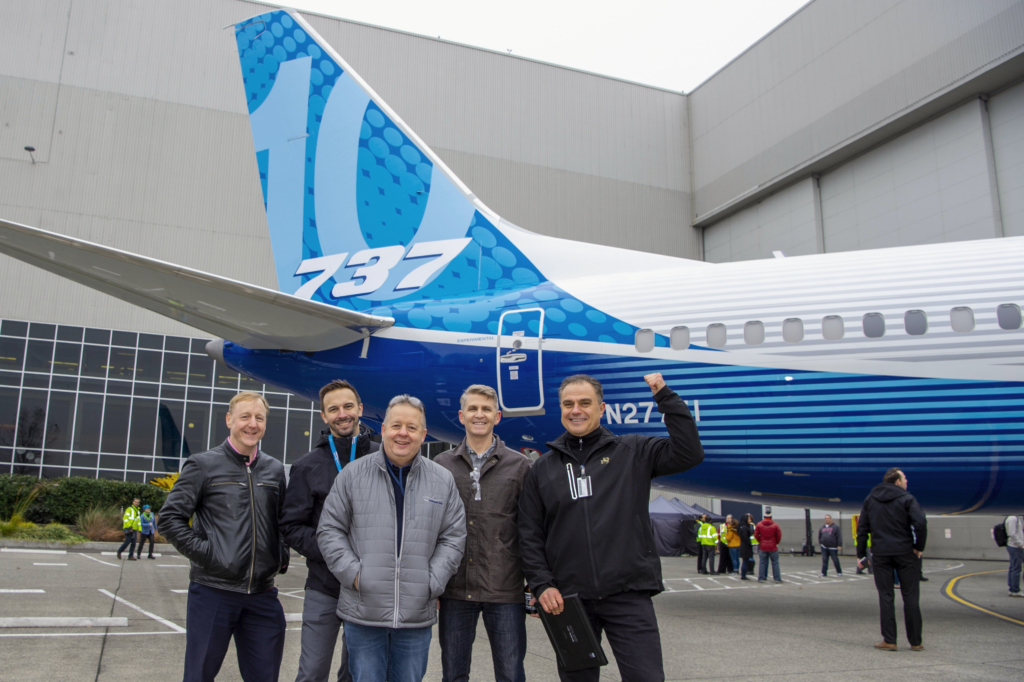
ARLINGTON- Boeing has entered the final phase of certification flight testing for its largest narrowbody aircraft, the 737 MAX 10, as of January 9, 2026.
The milestone marks incremental progress in a program delayed by technical fixes and heightened regulatory scrutiny.
The aircraft is central to Boeing’s narrowbody strategy, with testing conducted in the United States under oversight from the Federal Aviation Administration.
United Airlines (UA) is among the key customers planning to operate the model, with certification activity coordinated near Washington Dulles International Airport (IAD), as flagged by Simple Flying.
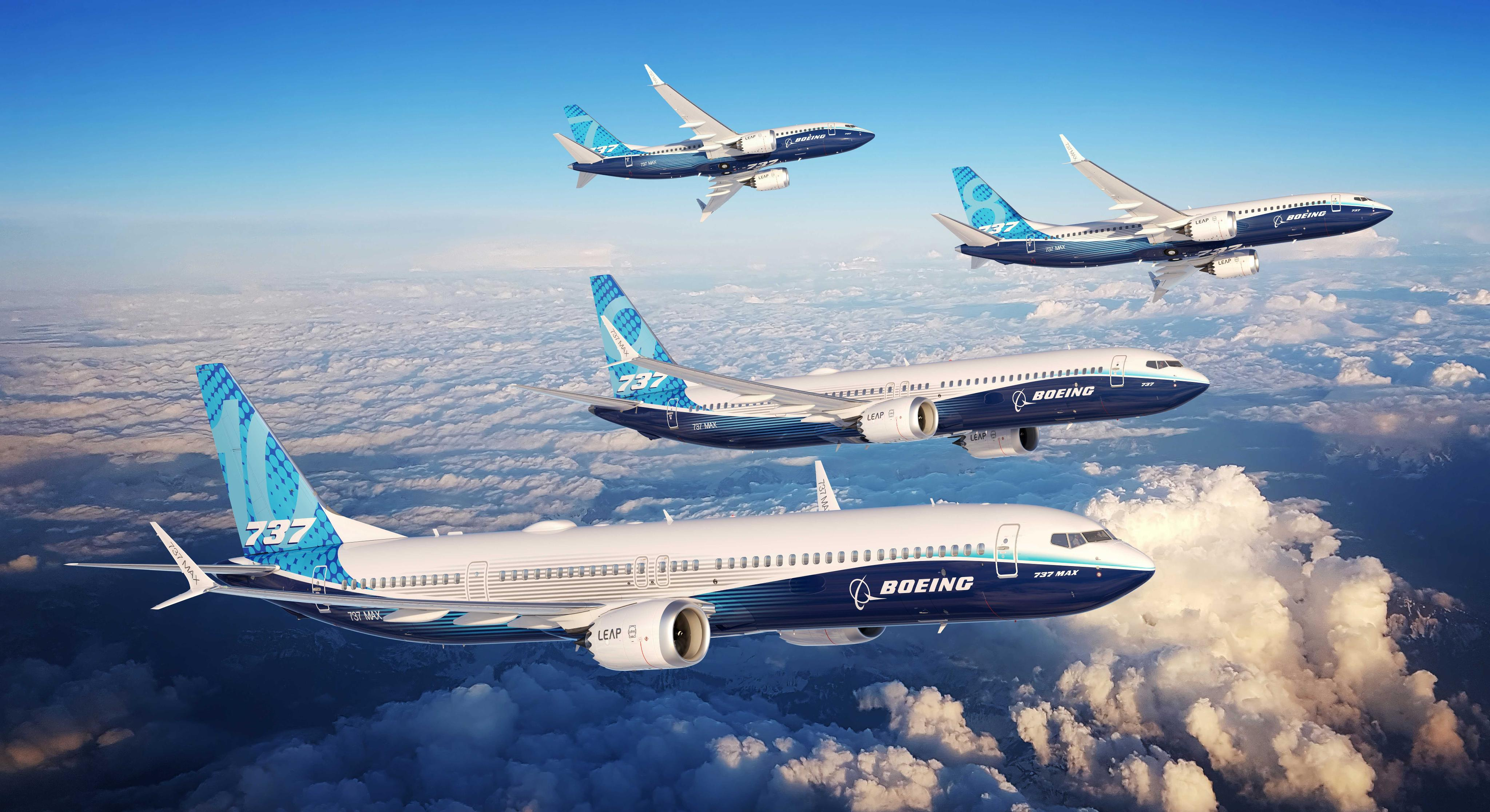
Boeing 737 MAX 10 Final FAA Tests
As reported by Reuters, the FAA has authorized Boeing to proceed to the second phase of flight testing for the 737 MAX 10 under its Type Inspection Authorization process.
This phase allows evaluation of a wider range of systems, including avionics, propulsion, and flight controls, and represents a required step toward type certification.
Despite this progress, regulators have not yet approved the aircraft for service. Regulators continue to apply enhanced scrutiny across the MAX program following earlier safety incidents, extending certification timelines beyond original expectations.
Industry stakeholders now anticipate that final approval may slip further into 2026.
Scott Hamilton, aerospace analyst and principal at Leeham Company, summarized the situation to Reuters, stating, “It’s progress, but until the MAX 10 is certified, it’s not.”
A key barrier to certification remains an engine inlet anti-ice issue. Regulators have determined that, in rare icing conditions, ice accumulation could potentially damage engines or affect thrust performance.
The certifying authority must fully resolve this concern before granting certification.
Boeing is implementing software updates and design modifications to address the issue. Each change requires validation through testing and regulatory review. Until it approves the fix, the FAA will not authorize entry into service.
This same issue has also delayed certification of the 737 MAX 7, effectively linking the approval timelines of both aircraft and complicating Boeing’s broader production planning.
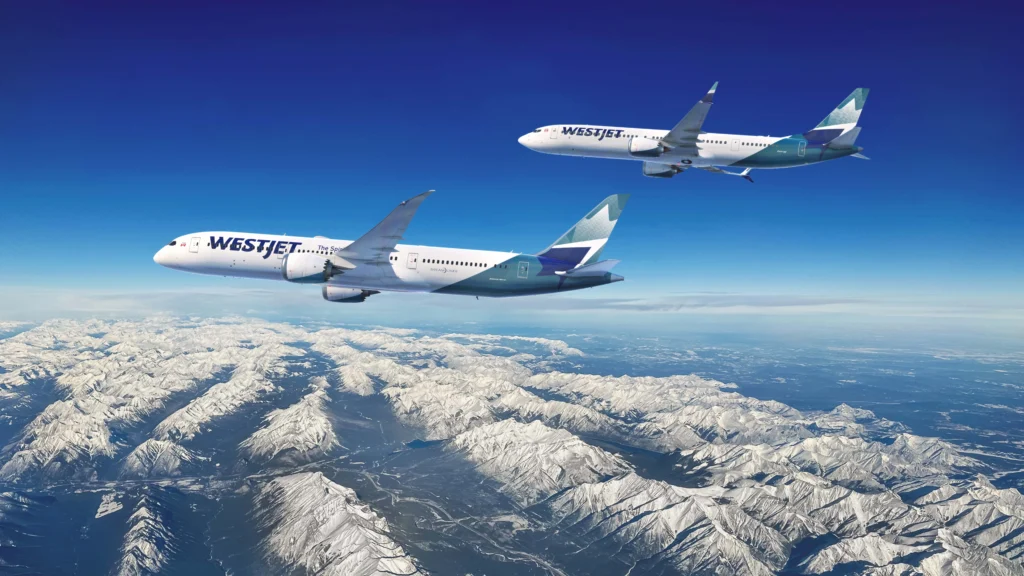
Production Constraints and Financial Impact
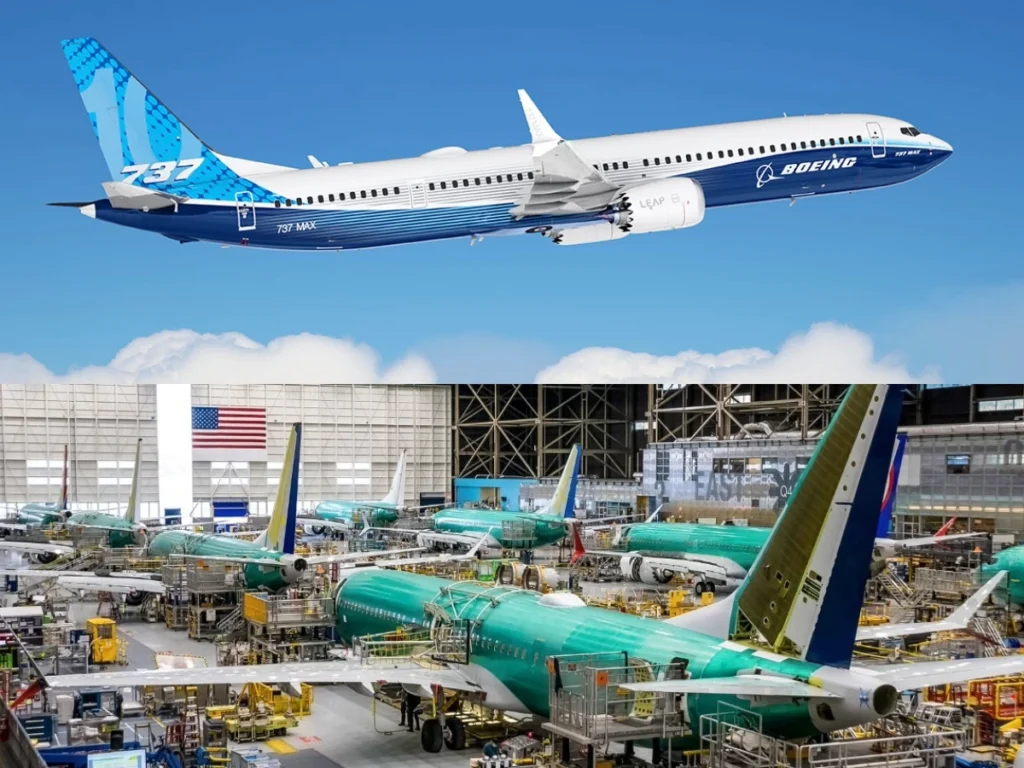
Certification delays have direct operational and financial consequences. Boeing cannot begin full-scale production of the MAX 10 until certification is complete, restricting delivery schedules for airline customers.
Customers have already placed more than 1,200 orders for the aircraft, representing significant future revenue.
However, delayed deliveries defer cash flow and limit airlines’ ability to deploy the aircraft as planned. Regulatory constraints continue to limit Boeing’s narrowbody production strategy until authorities secure approval.
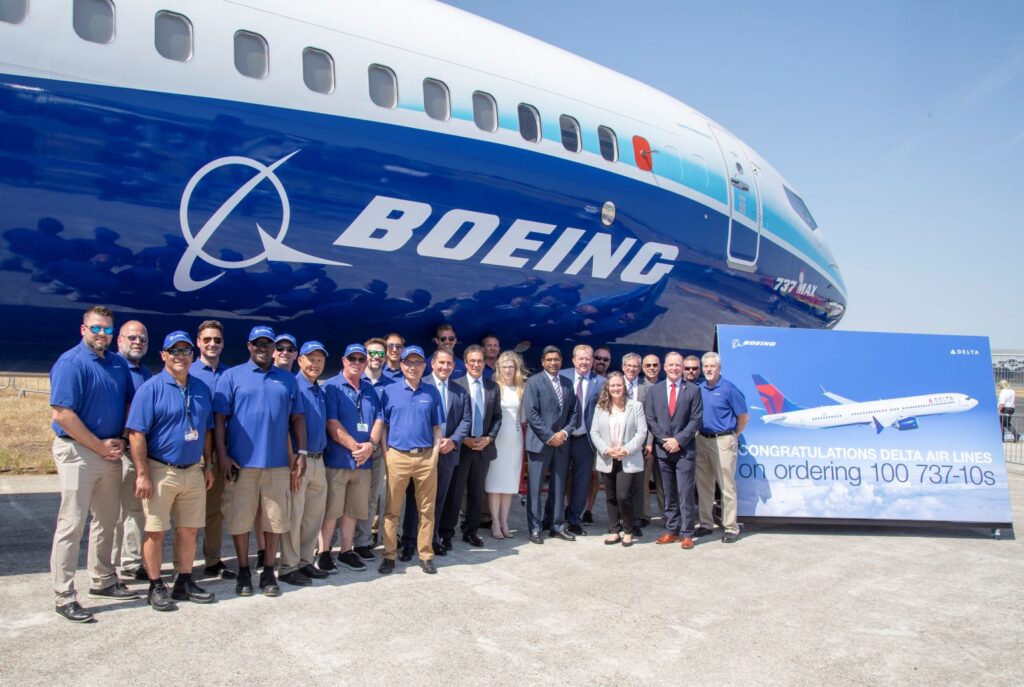
FAA Oversight
Beyond flight testing, the FAA continues to closely oversee Boeing’s manufacturing and quality-control processes.
While some production limits have eased, regulators have emphasized that any further increases will depend on sustained improvements in safety systems and compliance performance.
This oversight reflects a lasting shift in certification and production governance. Regulators have signaled that confidence in Boeing’s internal controls is now a prerequisite for advancing certification and increasing output rates.
Strategic Importance
Boeing designed the 737 MAX 10 to compete directly with the Airbus A321neo, reinforcing its position in the high-capacity narrowbody segment against Airbus.
Airlines value the MAX 10 for its seating capacity and efficiency on short- to medium-haul routes.
Despite delays, several carriers have reaffirmed or expanded their orders, indicating continued confidence in the aircraft’s long-term value. Certification remains critical to both Boeing’s recovery strategy and airline fleet expansion plans.
Boeing Certification Challenges
The MAX 10 effort is occurring alongside other delayed programs, including the 777-9, highlighting the broader regulatory environment Boeing faces.
Each certification milestone is viewed as a step toward stabilizing operations and restoring market confidence.
Looking ahead, successful approval of the MAX 10 could enable deliveries to begin in late 2026 or later.
Until then, airlines and investors are expected to remain cautious, closely monitoring how Boeing resolves its remaining technical and regulatory challenges.
Stay tuned with us. Further, follow us on social media for the latest updates.
Join us on Telegram Group for the Latest Aviation Updates. Subsequently, follow us on Google News
