

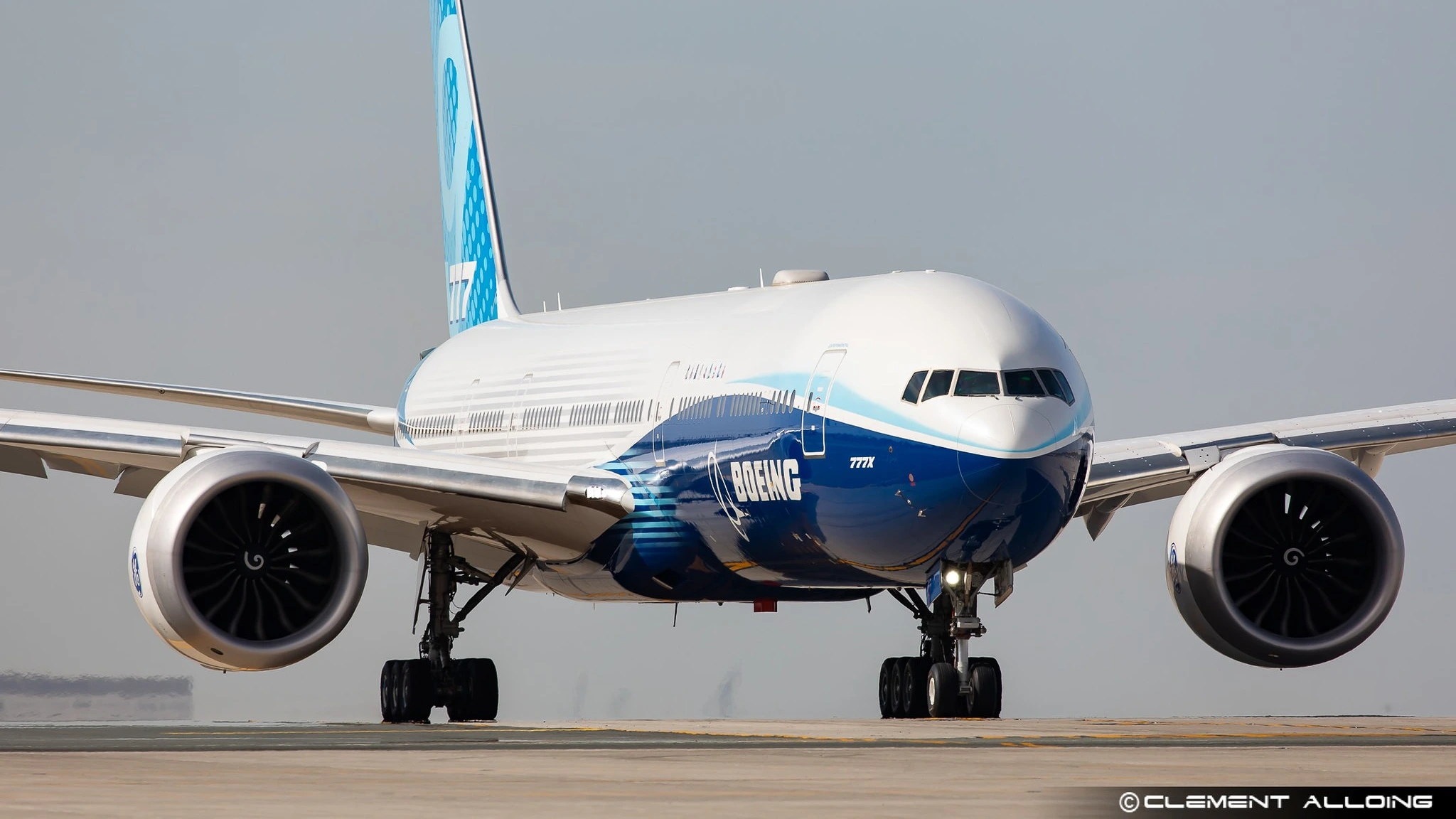
ARLINGTON- The Boeing 777X is engineered for ultra-long-haul routes where crew fatigue management is critical to flight safety and regulatory compliance. Dedicated pilot and cabin crew rest areas allow airlines to operate extended sectors without exceeding duty time limits.
On long-haul networks operated by airlines such as Lufthansa (LH) via Frankfurt (FRA) and Emirates (EK) via Dubai (DXB), the 777X integrates certified, hidden rest compartments designed to support augmented crews while maintaining operational readiness.
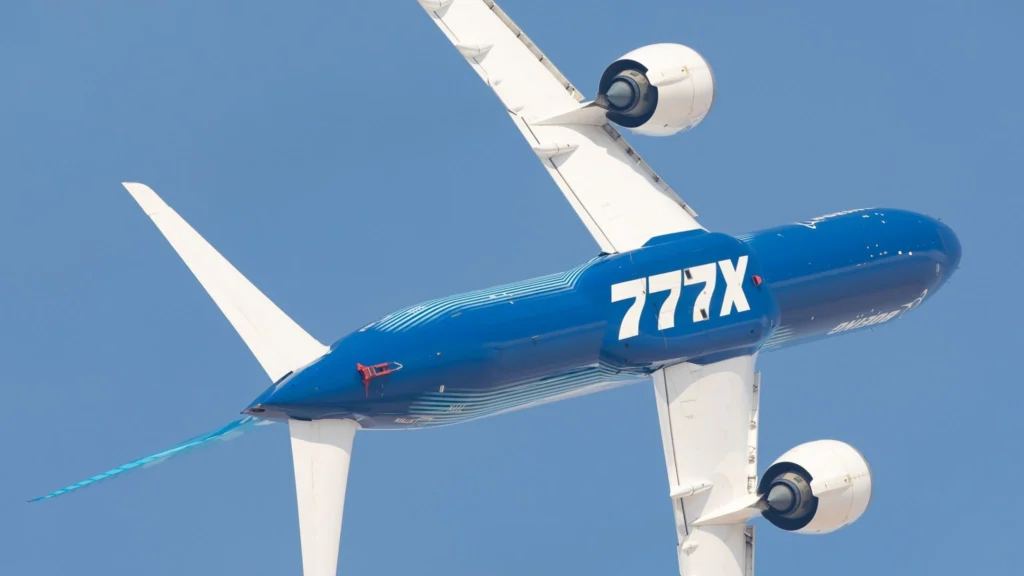
Boeing 777X Cabin Crew Rest Area
Crew rest areas are mandatory on long-haul widebody aircraft and are strictly off-limits to passengers. The airline allocates them exclusively to on-duty crew members to ensure adequate rest on flights that can exceed 14 hours.
Typical rest periods range from one hour to three and a half hours, depending on sector length and crew complement.
According to the Federal Aviation Administration, there are 3 certified types of crew rest facilities.
The aircraft provides Class 1 rest areas as enclosed compartments with horizontal bunks for both flight crew and cabin crew. Aircraft designates lie-flat business class seats as Class 2 rest facilities and approves them for flight crew only.
The aircraft provides Class 3 rest areas as reclinable economy class seats that it curtains off, typically for use by cabin crew when no dedicated bunks are available.
Older aircraft, such as the Boeing 767, rely on Class 2 and Class 3 arrangements due to the absence of built-in rest compartments.
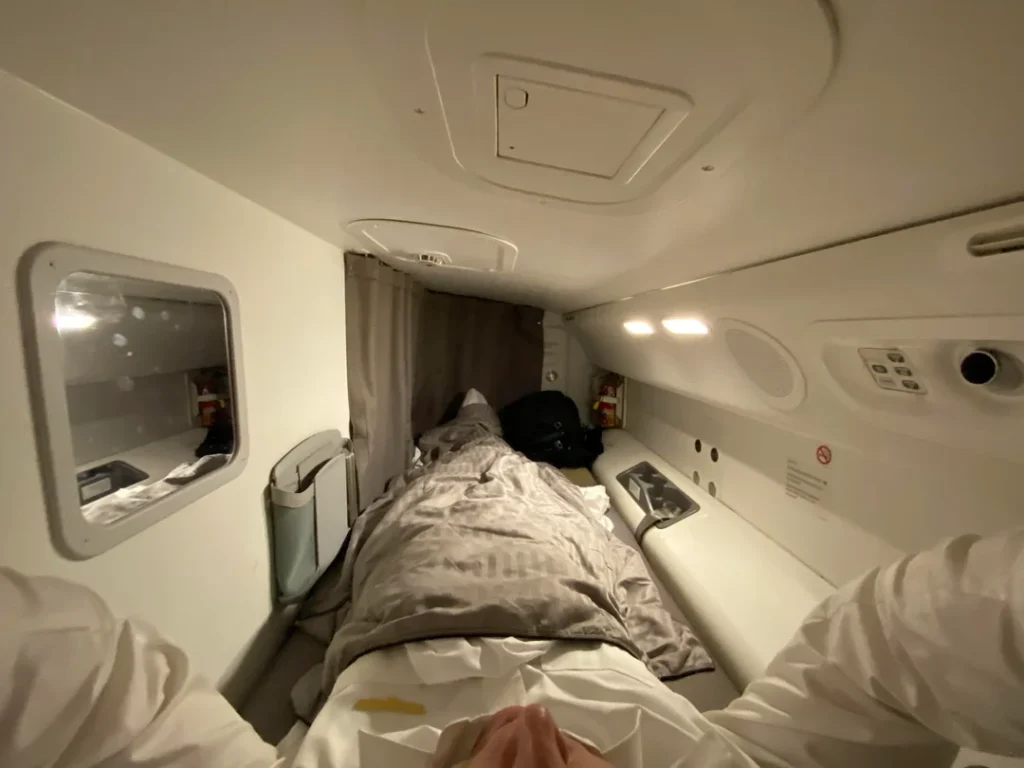
What Defines a Modern Crew Rest Area
Widebody aircraft have two separate crew rest areas: one for pilots and one for cabin crew. If no dedicated rest compartments exist, cabin crew may use a curtained-off row of economy seats, while pilots rest in a curtained business class seat.
Modern long-range aircraft like the 777X eliminate this compromise by providing enclosed Class 1 facilities.
The flight crew rest area is positioned close to the cockpit to allow rapid return to duty during abnormal situations. It typically includes 2 bunks, and on some aircraft, an additional seat styled similarly to a business class product.
Standard features include temperature controls, power outlets, reading lights, uniform hooks, and an in-flight entertainment screen.
The aircraft fits every bunk with a seatbelt and connects an intercom directly to the flight deck and cabin crew.
The cabin crew rest area is usually located near the tail of the aircraft or within the lower fuselage. It generally contains 4 to 8 bunks, although some configurations provide up to ten.
The aircraft may arrange the bunks in a one-up, one-down layout or in a narrow, aisle-separated ‘coffin-style’ configuration, and it supplies blankets and pillows while sound-dampening curtains provide privacy. These spaces are often more confined and less comfortable than pilot rest areas.
Regulatory Changes Affecting Crew Rest Usage
On most aircraft types, crew rest compartments cannot be occupied during taxi, takeoff, or landing.
However, newer designs such as the Boeing 777-9 and the Boeing 787-8 have been certified under special FAA conditions, allowing limited use during these critical phases.
For the 777X, only the seated positions in the overhead flight crew rest area may be occupied during taxi, takeoff, and landing; bunks remain prohibited during these phases.
Certification requirements focus on emergency evacuation capability, signage, and crew training to access escape hatches.
Emergency oxygen masks must be installed throughout the rest area, including bunks, seats, lavatory and sink areas, to protect against decompression events. Smoke detection systems, fire extinguishers, intercoms, and seatbelt indication signs are mandatory.
Rescue and airport fire services are informed through emergency documentation that these compartments may be occupied, with specified access routes for rescue personnel if required.
According to Simple Flying, these changes reflect the operational demands of ultra-long-haul flying with augmented crews.
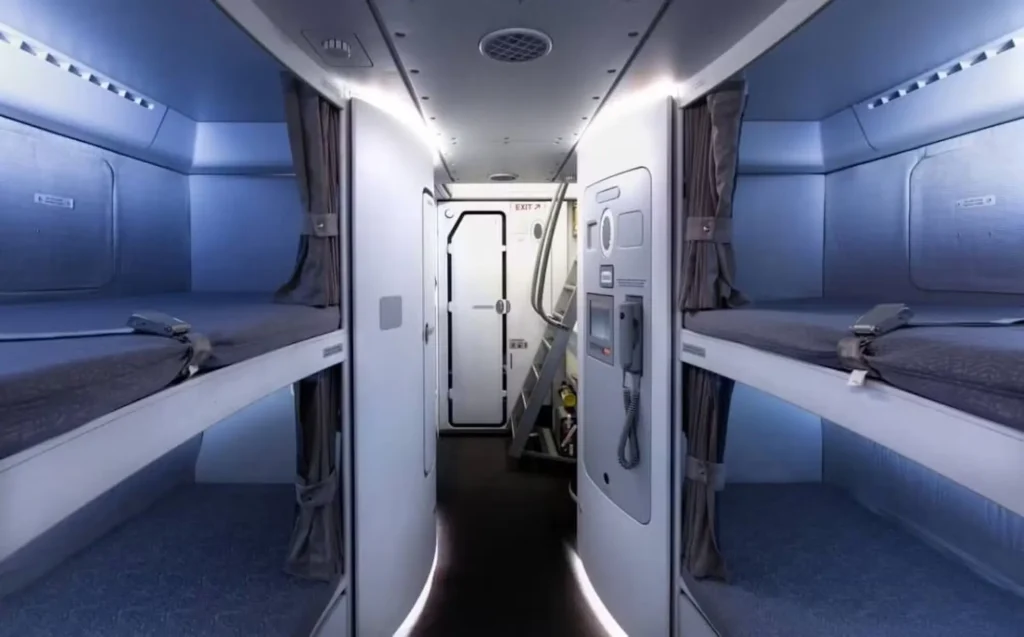
Crew Rest Area Specifications
The Boeing 777X features an overhead flight cabin crew rest compartment equipped with two bunks and two seats, allowing up to 4 pilots to rest during cruise.
During taxi, takeoff, and landing, regulations restrict occupancy to two seated crew members only. Access is through a concealed door and steep staircase, with a secondary evacuation hatch opening into the main passenger cabin.
Optional amenities include a sink, lavatory, and storage space for cold drinks. Safety equipment includes smoke detection, emergency oxygen, a fire extinguisher, intercom communication, and seatbelt indicators. An in-flight entertainment screen may also be installed.
The cabin crew rest area on the Boeing 777X is located at the rear of the aircraft and follows a standard long-haul design with 10 bunks, supporting the larger cabin crew required for extended-range operations.
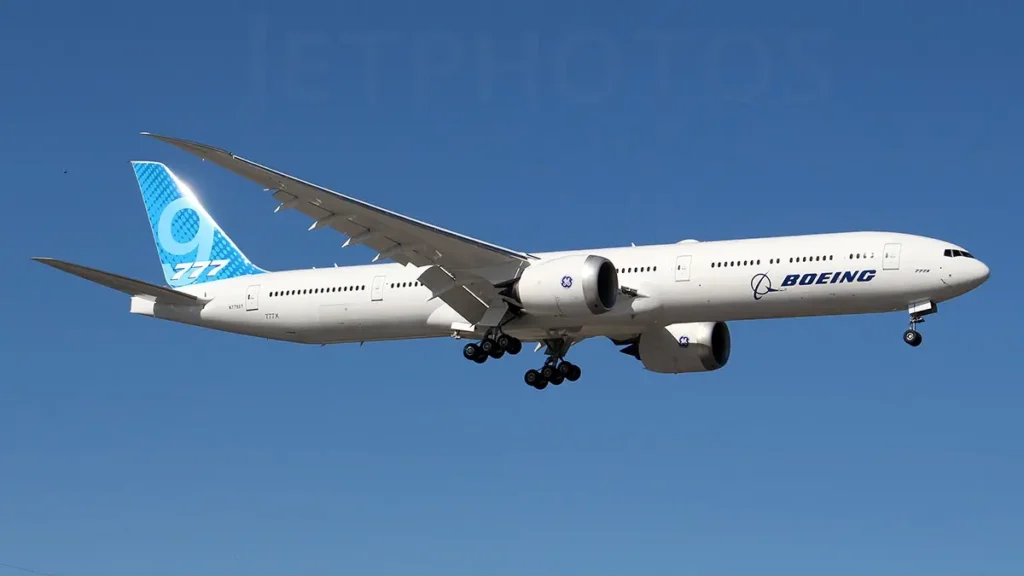
777X Compares With Other Widebody Aircraft
Crew rest configurations vary by aircraft size and airline preference. The Airbus A380, for example, positions its flight crew rest area above the passenger cabin on some airline configurations, including Emirates.
Its cabin crew rest area features 12 bunks beneath the main deck, with an escape hatch for evacuation, similar to earlier Airbus A330 and A340 designs.
The Airbus A350 places the flight crew rest area near the cockpit and provides a 6 bunk cabin crew rest area at the rear.
The Boeing 787 Dreamliner also positions pilot rest behind the cockpit, while its cabin crew rest area is identifiable from the cabin by a false overhead locker.
Earlier Boeing 777 variants typically offer 8 to 10 cabin crew bunks at the rear, along with a shared wardrobe, mirror, individual reading lights, and airflow controls.
Among widebodies, the A380, A350, and 787 are widely regarded as having the most comfortable crew rest facilities, with the 777X designed to match or exceed these standards.
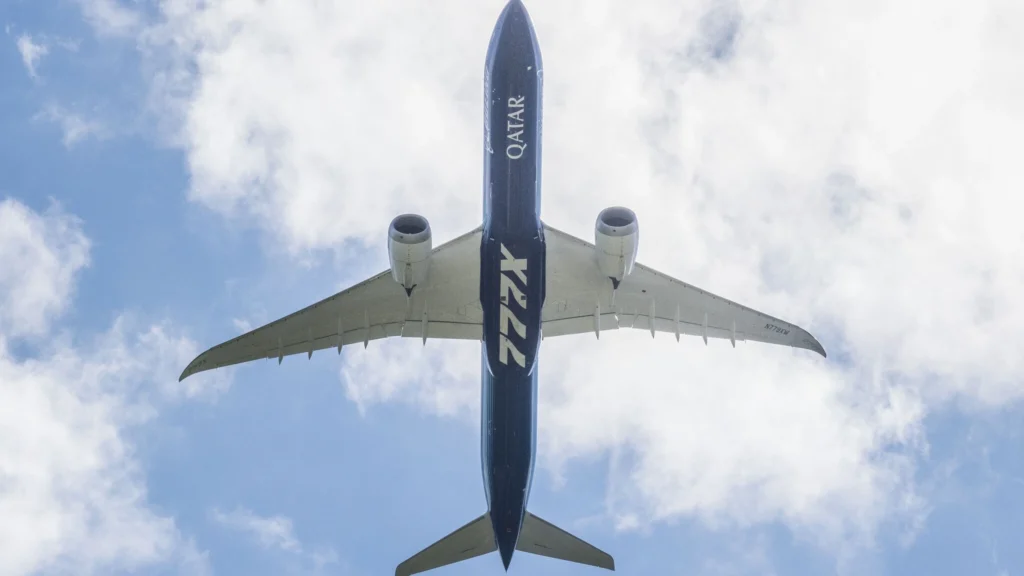
Boeing 777X Aircraft
The Boeing 777X is Boeing’s newest and largest twin-engine widebody aircraft. It features a broader fuselage cross-section than earlier 777 models, composite wings with folding wingtips, and large dimmable windows.
Redesigned sidewalls make the cabin 4 inches wider, while a sculpted ceiling enhances the sense of space.
The cabin is fully customizable by airlines, with advanced lighting, quieter interiors, improved air filtration, higher humidity, and a reduced cabin altitude of 6,000 feet, improving passenger and crew comfort.
Powered by General Electric GE9X engines, the 777X blends design elements from both the 777 and 787 families.
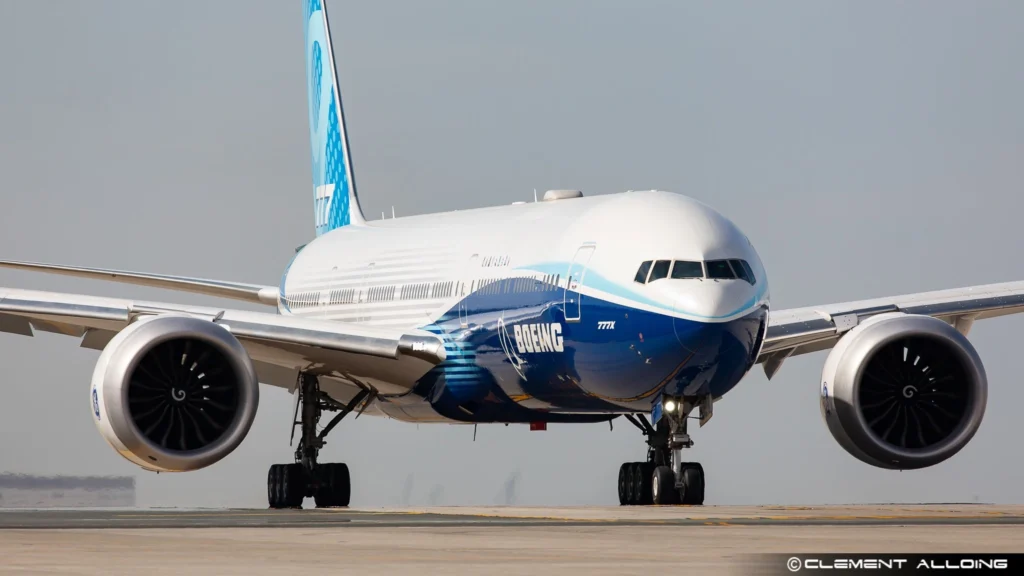
Program Status, Orders, and Performance
Launched in 2013, the Boeing 777X first flew in January 2020 but has faced prolonged certification delays.
Deliveries are now expected in late 2026 or 2027. As of October 2025, Boeing had 619 orders from 12 customers, including Lufthansa as the launch customer, along with Qatar Airways, Emirates, and Singapore Airlines.
The 777X family includes two variants. The 777-8 seats approximately 395 passengers and offers a range of 8,745 nautical miles (10,064 miles or 16,196 kilometers).
The larger 777-9 seats around 426 passengers with a range of 7,285 nautical miles (8,383 miles or 13,492 kilometers).
Boeing states that the 777-9 delivers 20% lower fuel use and emissions, 40% lower noise, and 10% lower operating costs compared with competing aircraft.
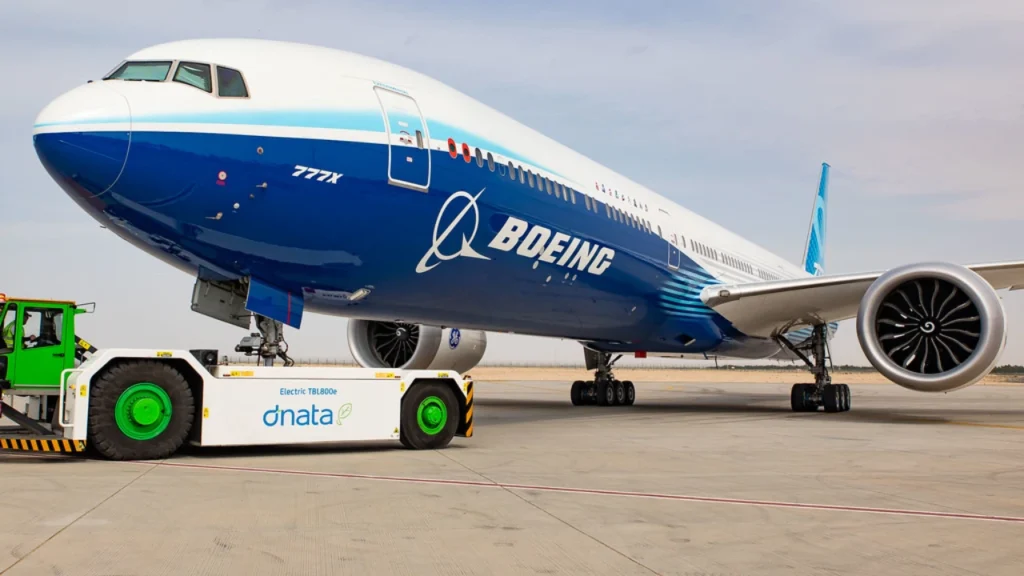
Conclusion
As Boeing 777X aircraft range increases, cabin crew rest design has become central to long-haul operations. The Boeing 777X reflects this shift by providing certified, well-equipped rest areas that support augmented crews while maintaining safety during all phases of flight.
These developments indicate that enhanced crew rest standards will continue to evolve as airlines operate longer routes with greater efficiency.
Stay tuned with us. Further, follow us on social media for the latest updates.
Join us on Telegram Group for the Latest Aviation Updates. Subsequently, follow us on Google News
