


While Airbus is globally recognized for its commercial airliners, the company’s defense arm, Airbus Defense and Space, continues to hold a strong position in the international military aviation market.
Despite operating in a space dominated by American giants like Boeing, Lockheed Martin, and Northrop Grumman, Airbus has carved out a distinctive niche by focusing on air mobility, refueling, and multi-role aircraft.
Airbus’ current portfolio features aircraft like the A400M Atlas, A330 MRTT, C295, CN235, and its involvement in the Eurofighter Typhoon program, ensuring Airbus remains a central player in global defense partnerships.
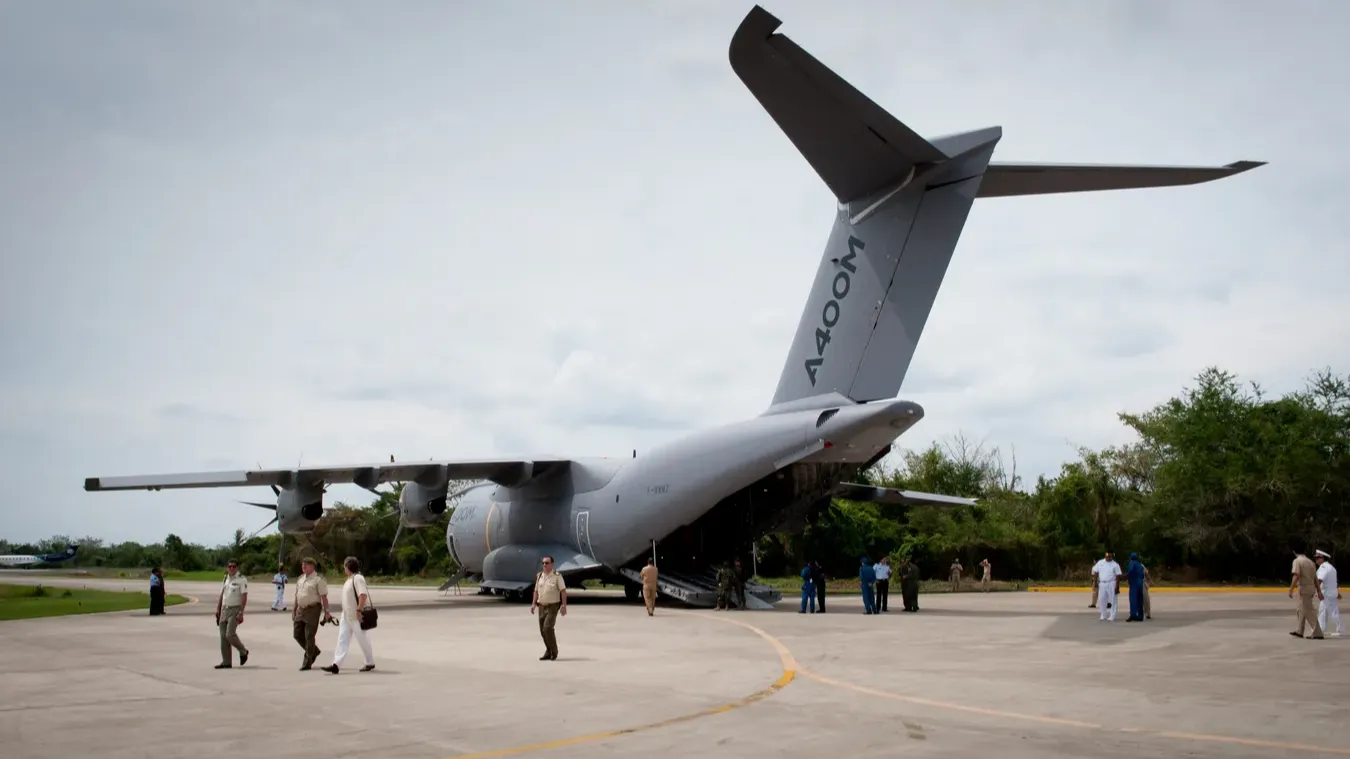
Airbus Defense Performance 2025
According to Defense News’ Top 100 ranking for 2025, Airbus stands as the 14th-largest defense company in the world, with annual revenues of €12.1 billion ($14.2 billion).
The division achieved a 17% year-on-year increase in the first half of 2025, driven by growth in its Air Power business unit. This segment includes airlifters, tankers, and combat aircraft—core areas of Airbus’ military focus.
Despite a narrower portfolio compared to U.S. rivals, Airbus has maintained profitability through specialization. The company has, however, faced setbacks in its space systems segment due to delays in the OneSat program, resulting in financial charges exceeding €1 billion in 2024.
In response, Airbus began restructuring in mid-2025 to streamline operations and strengthen accountability across its Air Power, Connected Intelligence, and Space Systems divisions.
| Aircraft | Type | Status |
|---|---|---|
| A320/A330 Special Mission Conversions | Various | Offered on demand |
| A330 MRTT | Multi-Role Tanker Transport | In production |
| A400M Atlas | Strategic/Tactical Airlifter | In production |
| C295 | Medium Transport | In production |
| CN235 | Light Transport | In production |
| Eurofighter Typhoon | Multi-Role Fighter | In production |
Source: Simple Flying
Airbus’ military aircraft success is strongly linked to its cooperative European foundation. The company collaborates extensively with defense partners, including Dassault Aviation, Leonardo, and BAE Systems, thereby reinforcing its presence across NATO and EU member states.
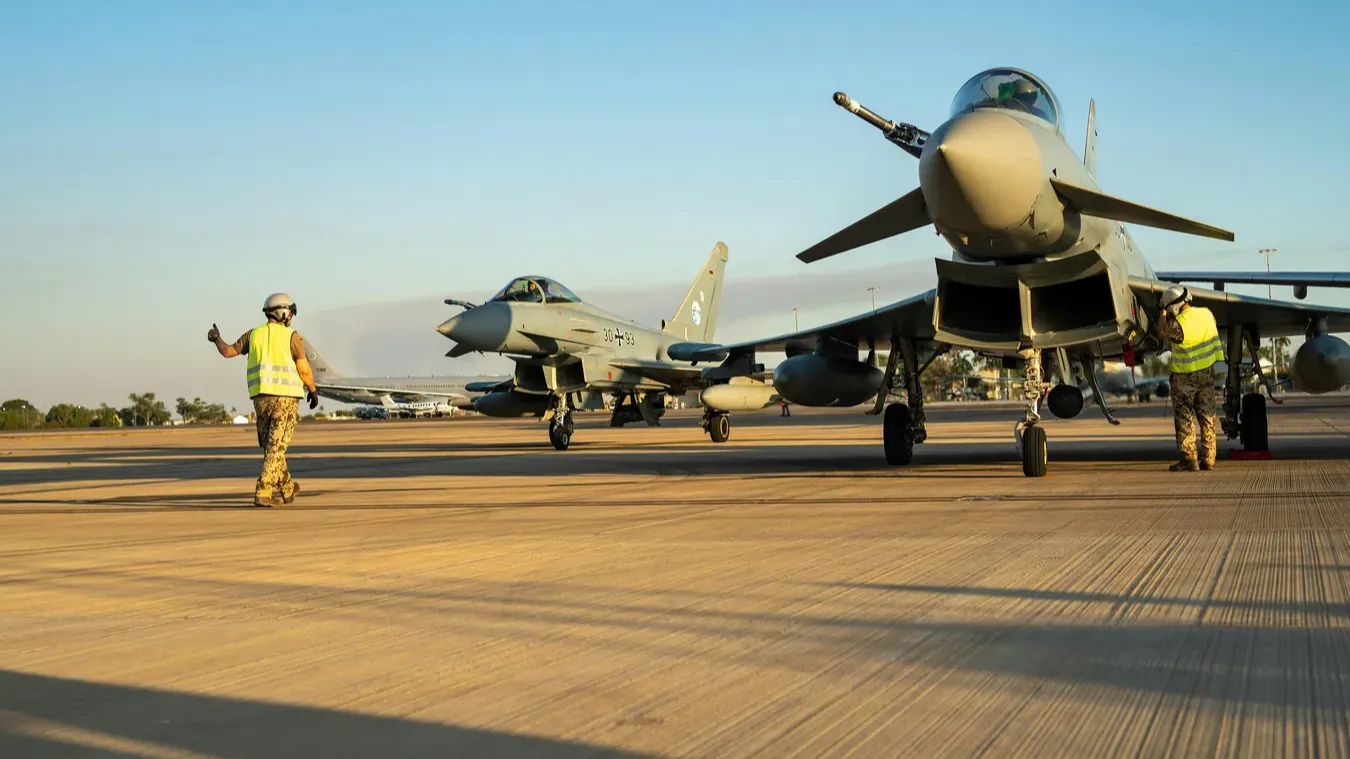
Airbus Military Aircraft Portfolio
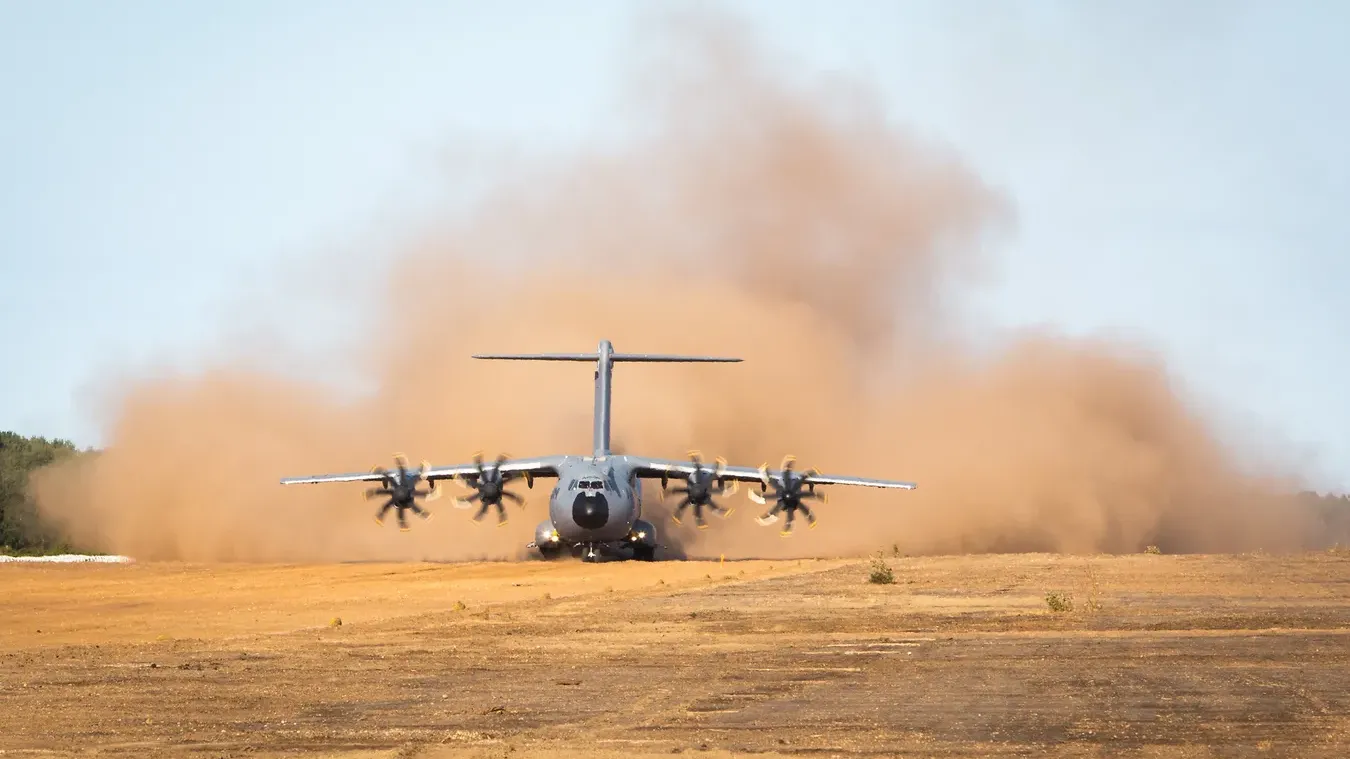
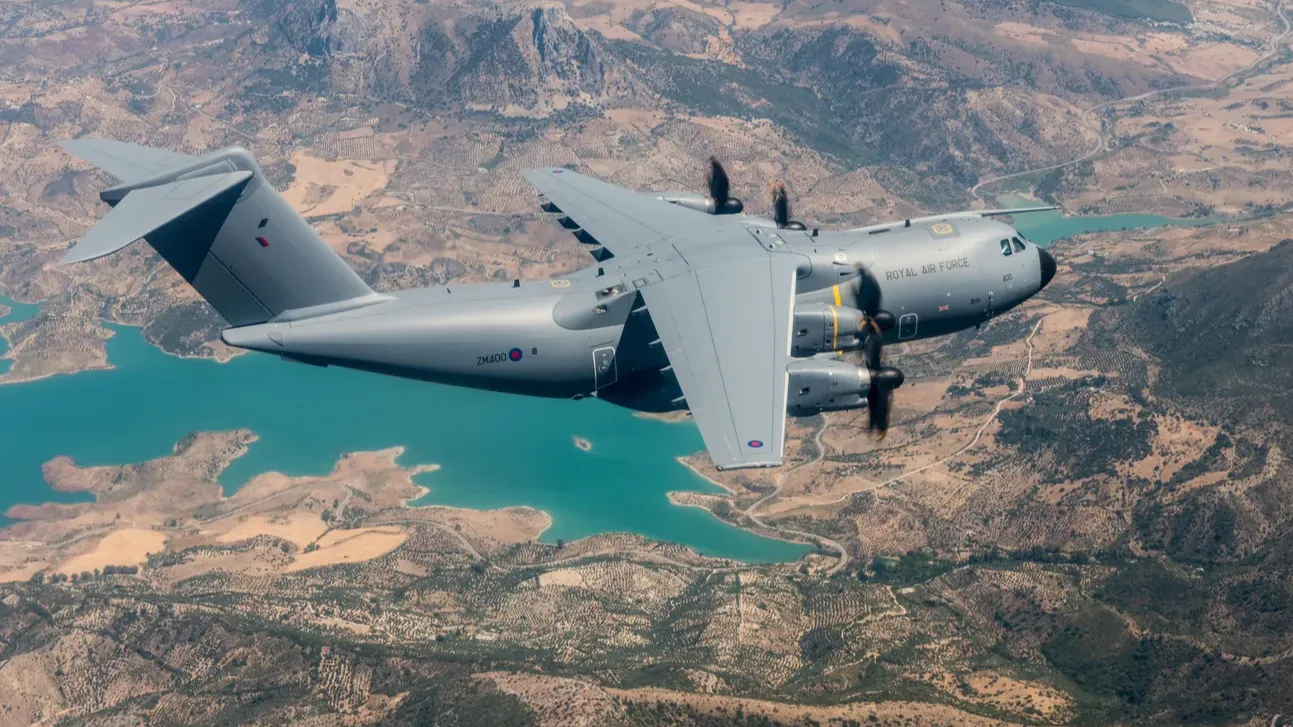
Airbus’ product range focuses on versatility and operational flexibility. The A400M Atlas, designed to bridge the gap between tactical and strategic airlift, competes with the Lockheed C-130 Hercules and Boeing C-17 Globemaster III.
While early development faced delays and cost overruns, the aircraft is now gaining global traction. The A330 MRTT, a tanker derived from the A330-200 airframe, has become a standout success.
With over 60 units delivered, it dominates over 90% of the non-U.S. refueling aircraft market and serves nations such as Australia, Saudi Arabia, and Singapore (SIN).
The smaller C295 has seen widespread adoption for its adaptability in transport, maritime patrol, and intelligence roles, with more than 230 deliveries to date.
Alongside, Airbus also supports mission conversions of its commercial airframes, including A320 and A330 variants for surveillance and special operations, appealing to countries seeking cost-effective solutions.
Airbus’s collaborative approach for producing defense aircraft boosts its export potential, with nations in Asia, the Middle East, and Latin America increasingly adopting its aircraft for their strategic and tactical operations.
However, despite all the brio, there’s a bit of skepticism one should have. In 2023, Airbus announced that it would be slashing thousands of jobs “in light of a continued complex business environment.“
…with over half of the 2,043 total job reductions hitting its Space Systems business. While this was a reduction of its planned 2,500 job cuts announced earlier in 2024, it still impacted around 5% of jobs at the company.
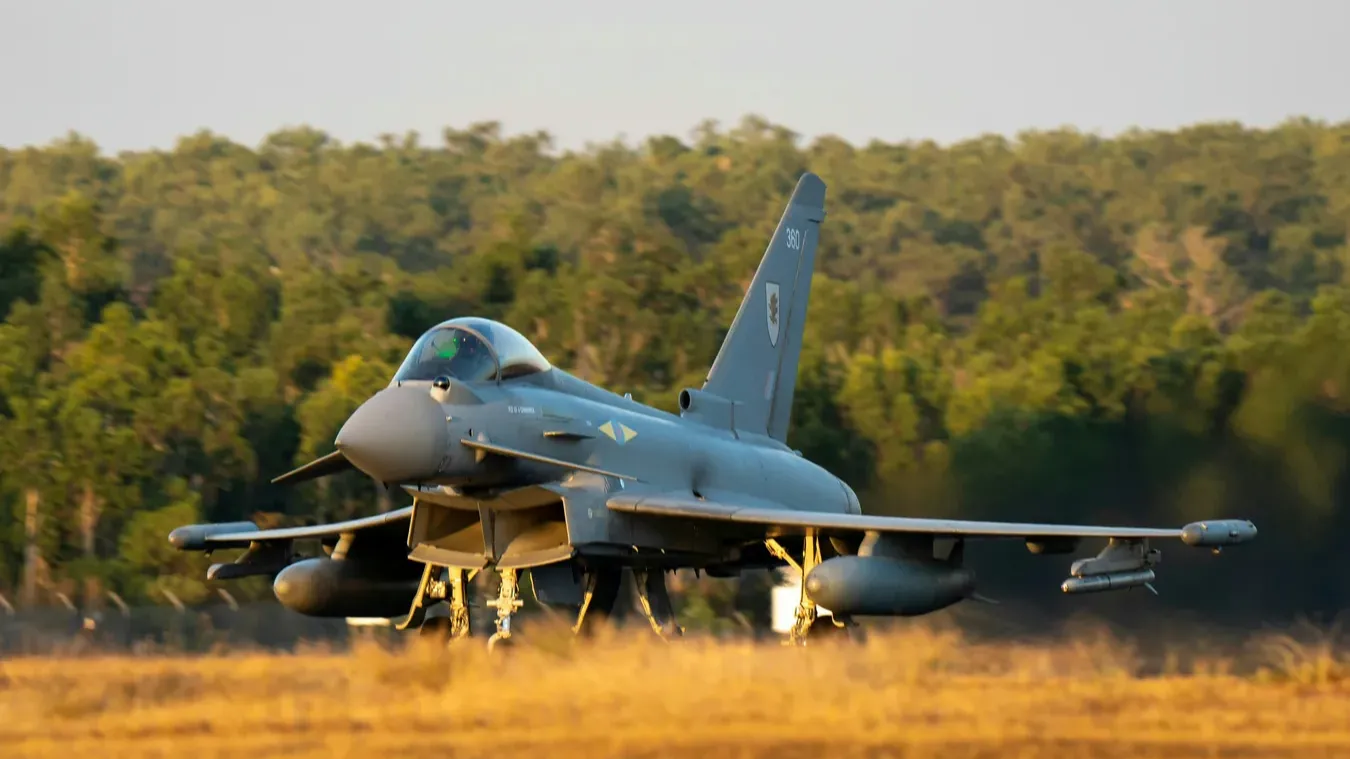
Airbus’ Support Services
Airbus’ global footprint extends across five continents with ten training centers that provide full-spectrum training for pilots, engineers, and maintenance personnel.
The company offers a comprehensive lifecycle support program, covering maintenance, repair and overhaul (MRO), technical support, and parts management.
These services ensure that operators can maintain high readiness levels and optimize aircraft performance throughout their service life.
Its integrated service philosophy aligns with long-term government contracts, ensuring customer retention and consistent revenue streams.
Airbus’ commitment to training and support reflects its strategy of building long-term relationships with defense clients rather than focusing solely on initial aircraft sales.
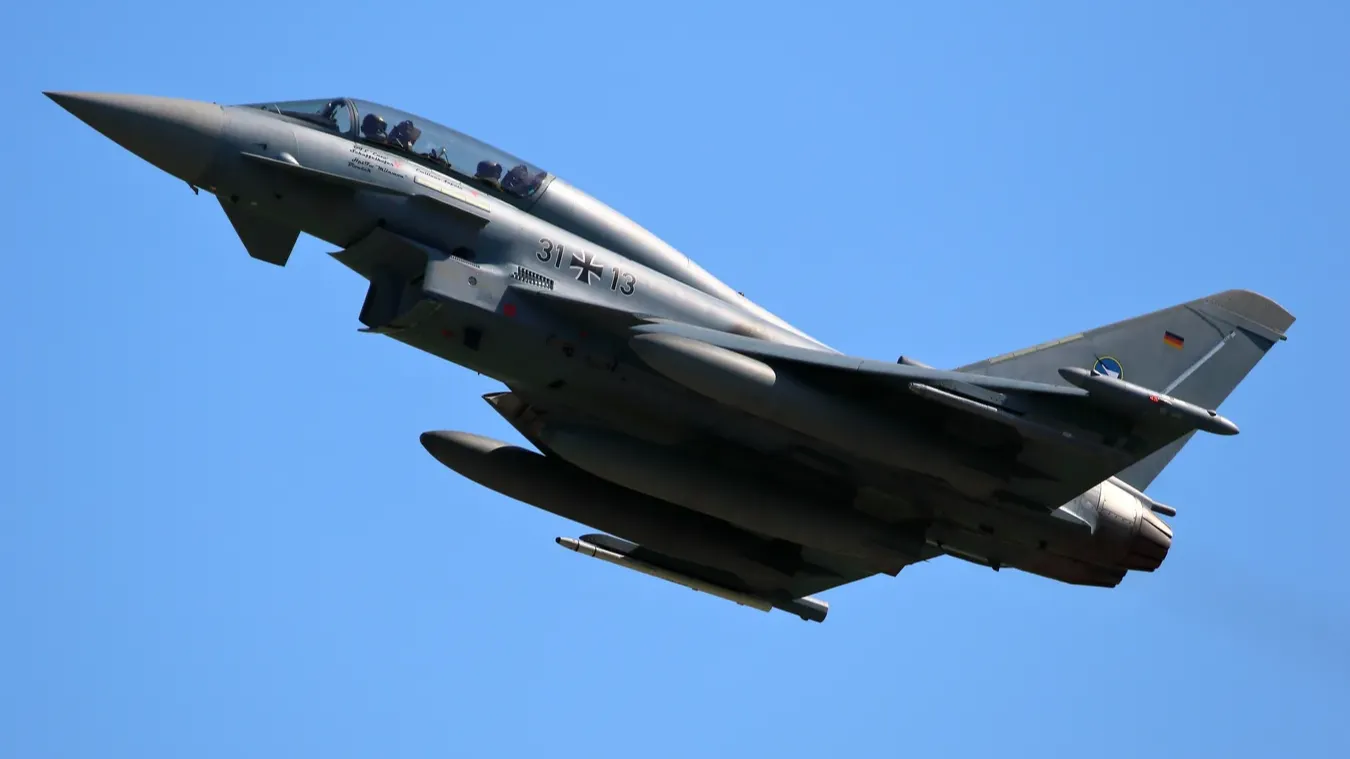
Airbus’ Future in Defense
Technological innovation remains central to Airbus’ military operations. The A400M was among the first large European airlifters to feature fly-by-wire systems, while the A330 MRTT pioneered automatic air-to-air refueling booms.
Airbus continues to advance these capabilities with the next-generation A330 MRTT+, based on the A330neo (A330-800). This variant will reduce fuel consumption by 8% and extend range with Rolls-Royce Trent 7000 engines and aerodynamic wing improvements.
| Specification | C295 | A400M | A330 MRTT |
|---|---|---|---|
| Length | 24.5 meters | 45.1 meters | 58.8 meters |
| Height | 8.66 meters | 14.7 meters | 17.7 meters |
| Wingspan | 27.59 meters | 42.4 meters | 60.3 meters |
| Engines | 2 × Pratt & Whitney PW127XT | 4 × Europrop TP400-D6 turboprop | 2 × Rolls-Royce Trent 700 |
| MTOW | 23,200 kg | 141,000 kg | 233,000 kg |
| Range | 2,000 NM (3,700 km) | 2,450 NM (4,500 km) | 8,000 NM (14,800 km) |
Airbus is also at the forefront of Europe’s next major defense initiative—the Future Combat Air System (FCAS). This sixth-generation fighter program will integrate advanced sensors, artificial intelligence, and unmanned “loyal wingmen” drones to enhance mission coordination.
Additionally, the Eurodrone project, developed alongside Dassault and Leonardo, represents Europe’s push to build a homegrown medium-altitude, long-endurance drone comparable to the U.S. MQ-9 Reaper.
Challenges and Outlook
While Airbus has strengthened its defense position, challenges persist. The company faces rising costs, labor adjustments, and competitive pressure from U.S. manufacturers.
The A400M’s slow order flow also raises concerns about future production sustainability. However, Airbus’ diversified defense strategy—spanning transports, tankers, fighters, and UAVs—continues to provide resilience.
By focusing on innovation, global partnerships, and strong after-sales support, Airbus is positioning itself as a long-term defense leader. The company’s balance of reliability, versatility, and European technological independence ensures its continued relevance on the world stage.
Airbus has strengthened its global defense presence by emphasizing efficiency, modular design, and mission versatility.
Unlike competitors that rely on large-scale production, Airbus focuses on adaptable aircraft capable of performing multiple roles—from refueling and transport to reconnaissance and humanitarian missions.
This flexibility appeals to a growing number of nations seeking cost-effective, high-performance solutions without dependence on U.S. or Russian defense systems.
Bottom Line
Airbus may not rival the scale of U.S. defense giants, but its focused approach and deep integration into European defense ecosystems give it a unique advantage.
Through programs like the A330 MRTT+, FCAS, and Eurodrone, Airbus is shaping the future of military aviation while maintaining its commitment to quality and operational versatility.
Its success lies not in volume, but in building adaptable platforms that meet the complex demands of modern defense operations worldwide.
Stay tuned with us. Further, follow us on social media for the latest updates.
Join us on Telegram Group for the Latest Aviation Updates. Subsequently, follow us on Google News
