

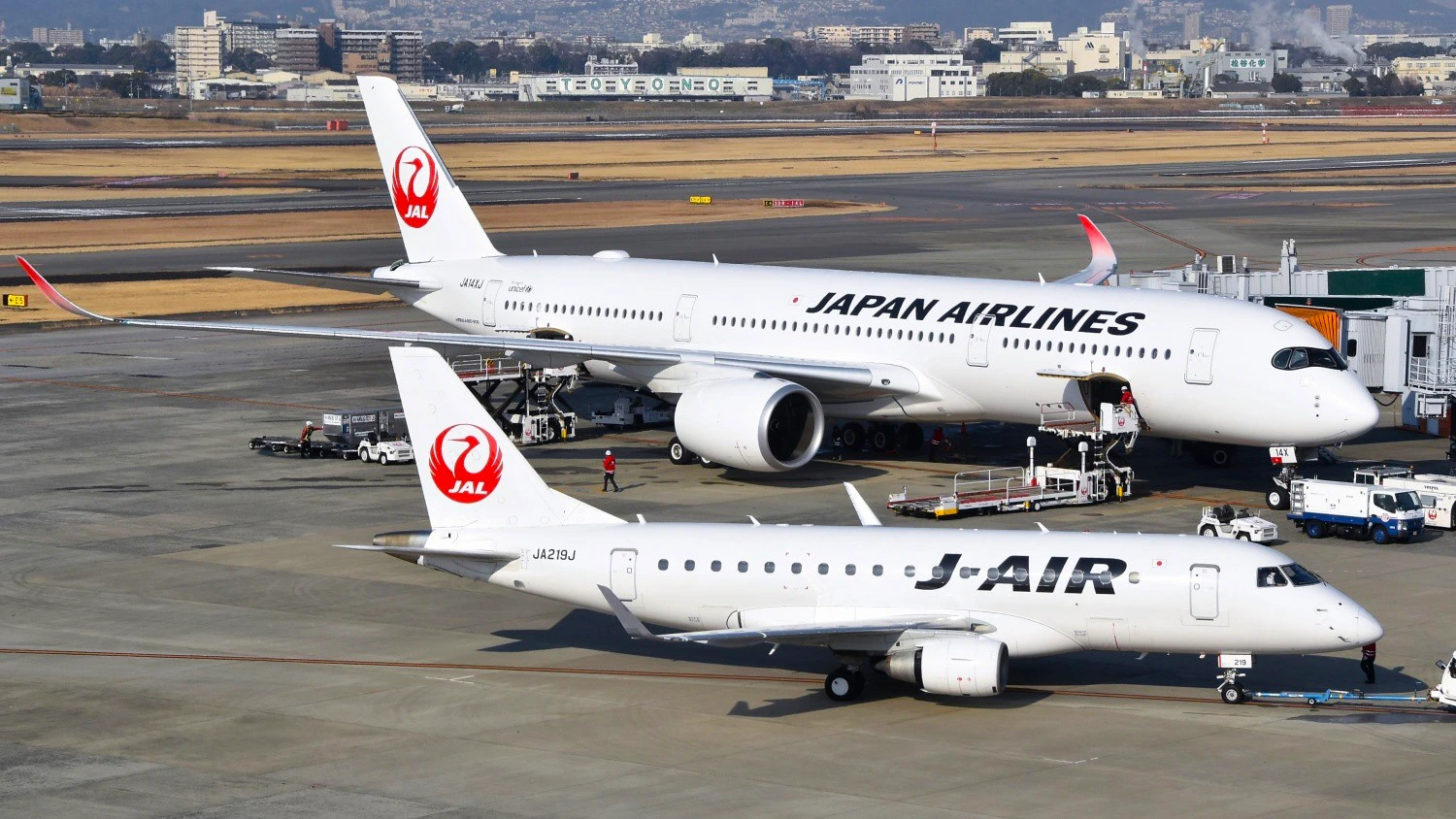
TOKYO— January 13, 2026, is set to mark the commercial launch of a new multimodal logistics product that links Japan’s high-speed rail system with international air freight. Japan Airlines Cargo, operating as JAL CARGO, and the JR East Group have jointly introduced “JAL de Hako-byun,” a one-stop cargo service designed to shorten delivery times for high-value and time-sensitive exports.
The service integrates the Shinkansen rail network across eastern Japan with JAL’s global air cargo operations through Tokyo Haneda Airport (HND). By combining rail punctuality with long-haul air connectivity, the partners aim to provide exporters with a faster and more predictable alternative to conventional domestic trucking and air-only logistics models.
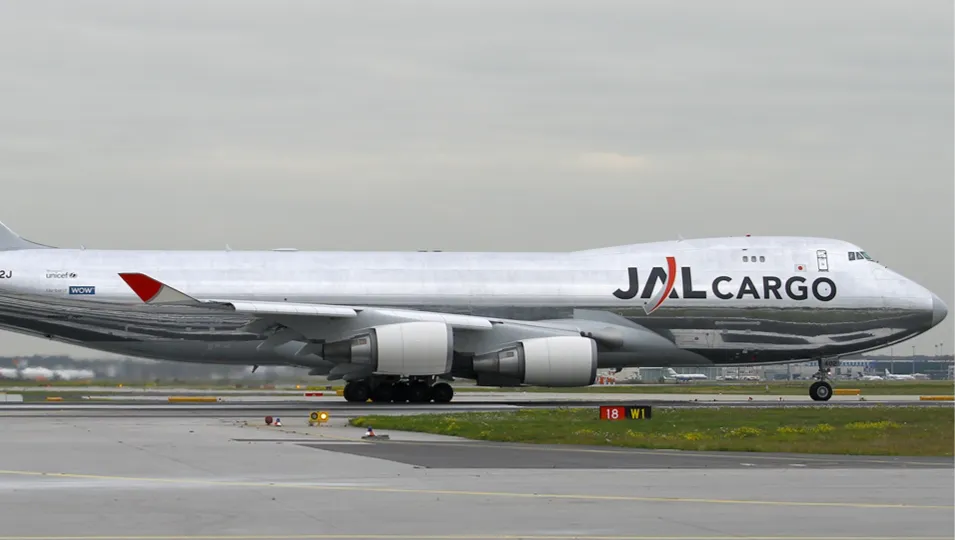
https://commons.wikimedia.org/wiki/File:JAL_Cargo_B747-446F_(JA402J)_taxiing_at_London_Heathrow_Airport.jpg
Japan Airlines Bullet Train Partnership
JAL de Hako-byun builds on a trial shipment completed in October 2025, when cargo moved successfully from Sendai to Singapore using a rail-to-air transfer model.
That test validated both schedule reliability and cargo handling processes, encouraging the partners to move forward with a commercial rollout.
Under the new framework, freight is transported by Shinkansen from regional cities to the Tokyo metropolitan area, where it connects directly with international flights.
This approach allows cargo to bypass road congestion and driver availability constraints while maintaining tight delivery windows aligned with flight departures.
The integrated network significantly expands access to overseas markets for regional producers.
Areas not traditionally associated with direct air cargo gateways can now ship premium goods internationally using a single, coordinated service supported by two established transport operators.
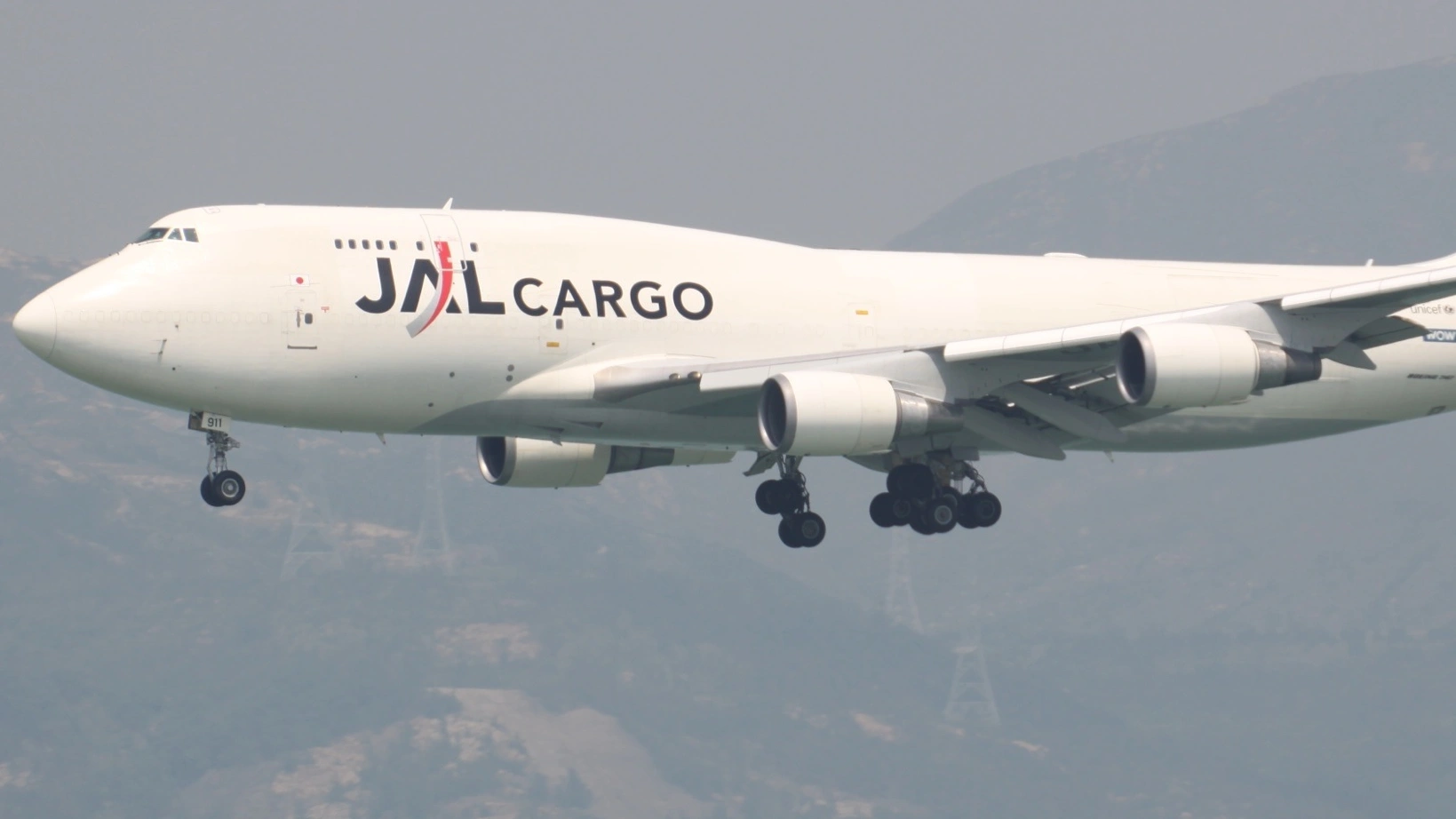
https://commons.wikimedia.org/wiki/File:JA8911_Boeing_747_JAL_Cargo_(7342891452).jpg
Reduced Transit Times
A core advantage of the service lies in lead time reduction. Frequent Shinkansen departures and consistent on-time performance enable exporters to plan shipments with greater precision than road-based alternatives.
By synchronizing rail schedules with international flight connections, the service reduces total transit time from production areas to overseas destinations.
This is particularly valuable for perishable goods, pharmaceuticals, and express cargo that depend on strict temperature control and narrow delivery windows.
The model also supports Japan’s broader logistics sustainability goals. Shifting domestic cargo movement from trucks to rail helps reduce carbon emissions while easing pressure on an already strained driver workforce.
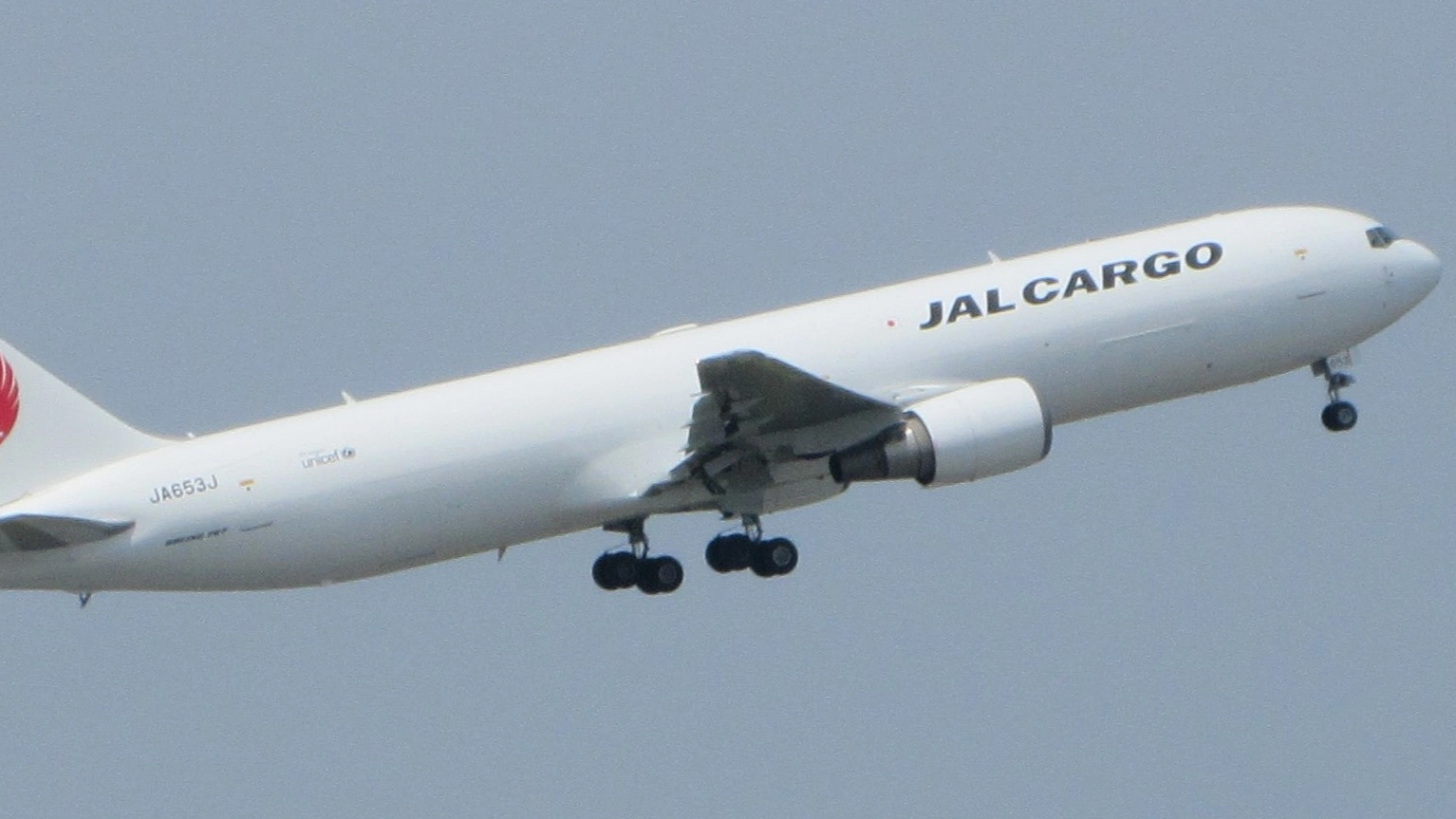
https://commons.wikimedia.org/wiki/File:JALCARGO%E4%BF%9D%E6%9C%89%E3%81%AEB767-346ERBCF.jpg
First Commercial Shipment
The first commercial use of JAL de Hako-byun took place on January 13, 2026, involving a seafood export from Tsuruga in Fukui Prefecture to Taiwan.
The shipment traveled aboard the Kagayaki No. 508 Shinkansen from Tsuruga Station to Tokyo Station before transferring to a JAL-operated flight from Haneda to Taipei Songshan Airport (TSA).
The cargo consisted of high-value local seafood, including Echizen crab, Tsuruga sea bream, and Wakasa grouper.
After arrival in Taipei, the shipment was moved by land to Taiwan Taoyuan International Airport (TPE) for customs clearance, demonstrating the service’s flexibility beyond the airside transfer.

Bottom Line
JAL de Hako-byun represents a strategic step toward faster, cleaner, and more resilient cargo logistics in Japan.
By linking high-speed rail with international air freight, JALCARGO and JR East are offering exporters a practical solution that improves speed, reliability, and environmental performance while strengthening regional access to global markets.
Stay tuned with us. Further, follow us on social media for the latest updates.
Join us on Telegram Group for the Latest Aviation Updates. Subsequently, follow us on Google News
