

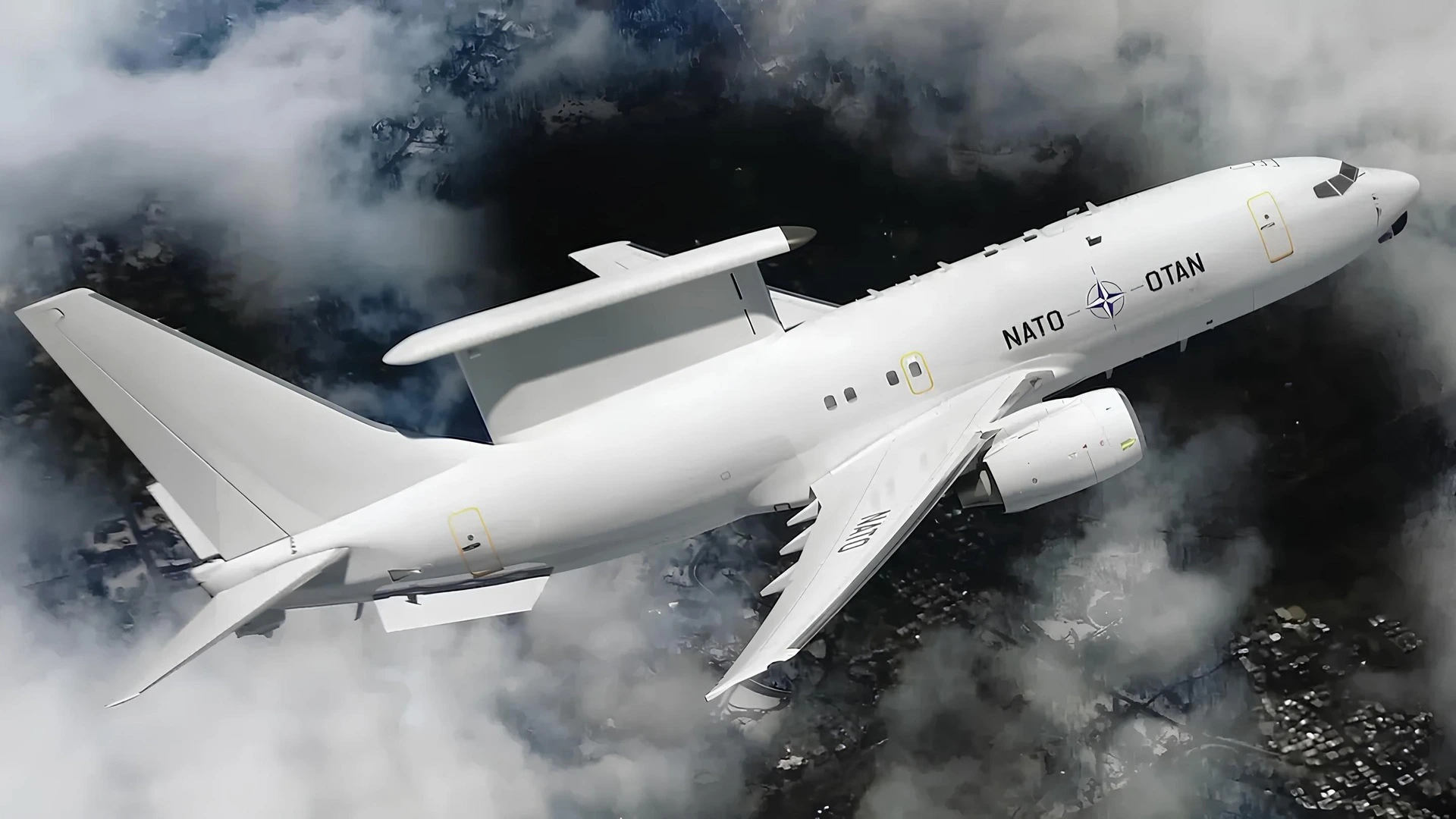
WASHINGTON- Boeing’s E-7 Wedgetail airborne early warning aircraft has received a temporary lifeline after the U.S. Congress blocked Pentagon plans to terminate the troubled program. The decision keeps alive a $724 million-per-aircraft effort intended to modernize the U.S. Air Force’s airborne battle management capability.
The program, led by Boeing and operated by the U.S. Air Force, is centered on replacing aging E-3 Sentry aircraft with a more capable radar platform. Key oversight and budget decisions are being driven from Washington, D.C., where lawmakers and defense officials continue to debate the aircraft’s long-term value.
Boeing E-7 Wedgetail Survives
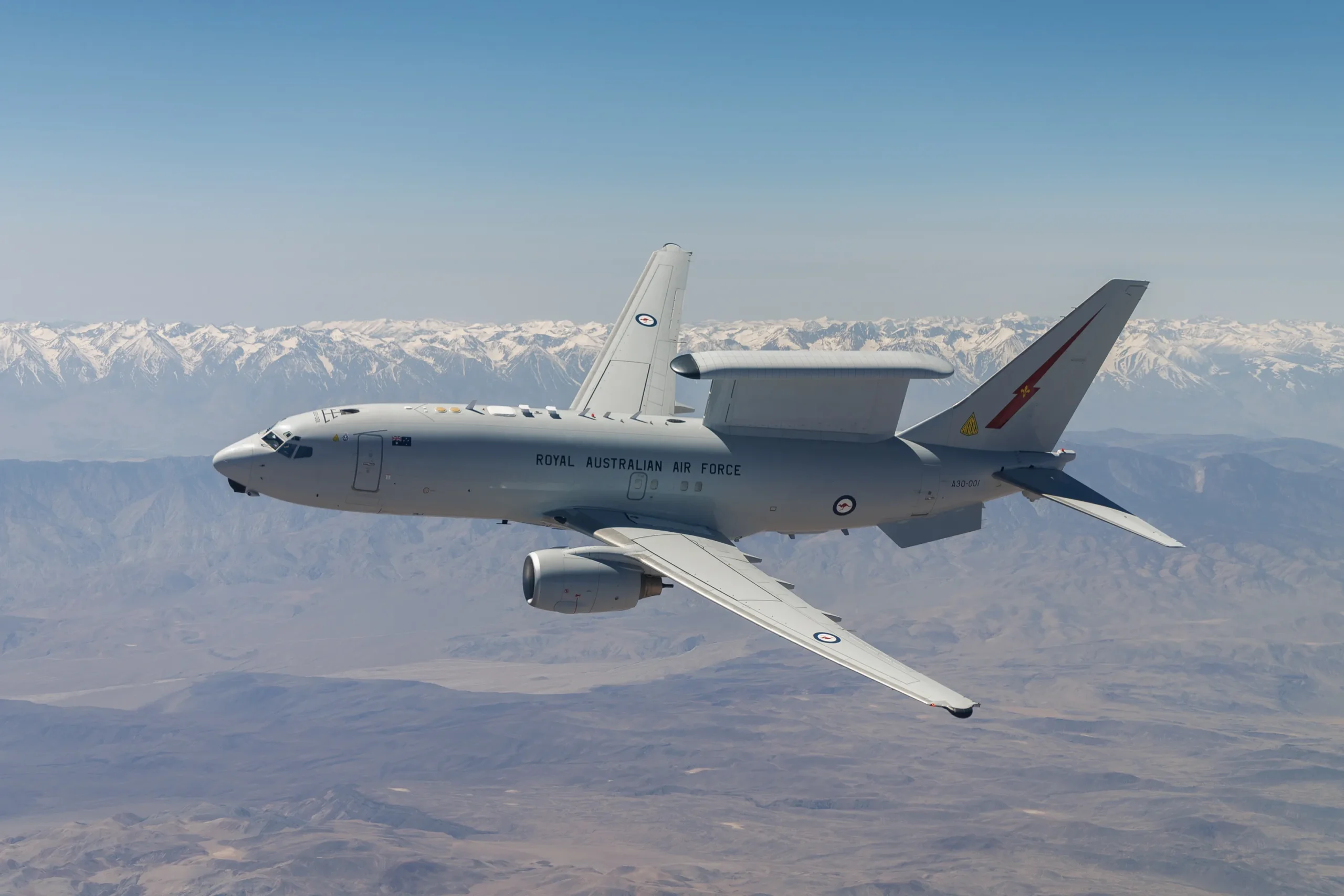
The Boeing-built E-7 Wedgetail is designed to detect airborne and surface threats hundreds of miles away using an advanced radar mounted on a modified commercial jet. The aircraft can remain airborne for extended missions while coordinating dozens of fighter jets and allied assets in real time.
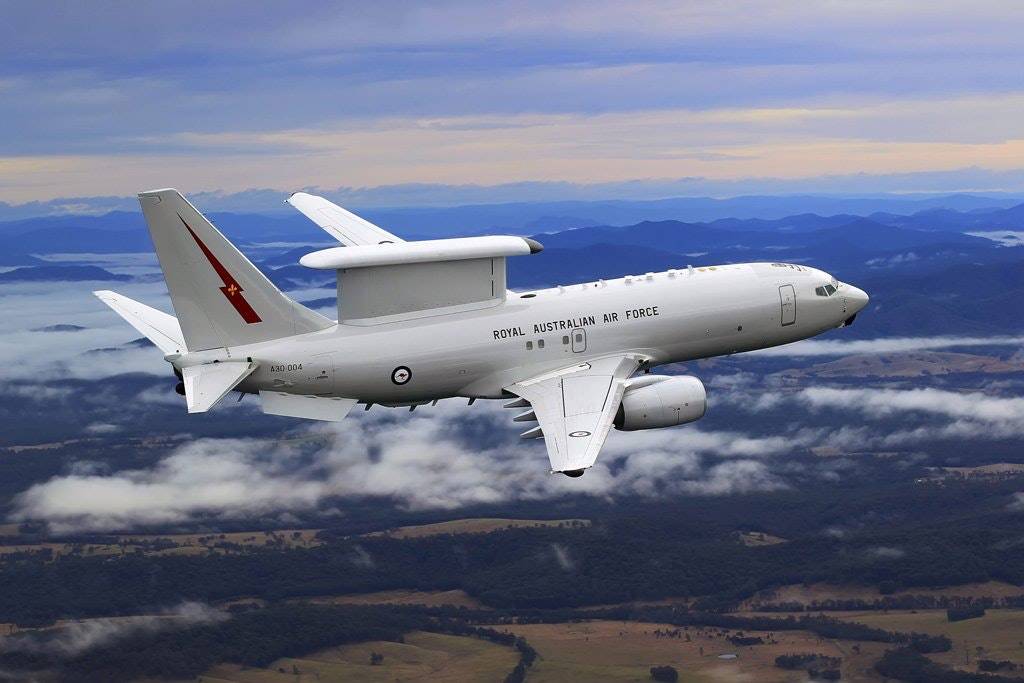
The platform is already in service with allied air forces, but the U.S. version has faced unique integration and certification challenges. These hurdles have slowed development and increased costs beyond early projections.
Delays have pushed delivery timelines back, raising concerns within the Department of Defense about operational gaps.
Senior officials have questioned whether emerging space-based sensors and networking technologies could assume similar roles in the future.
Rising Costs Concerns
The Wedgetail’s cost growth has become the program’s most visible challenge. Each aircraft is now estimated at $724 million, up from roughly $588 million during early planning phases.
Budget pressure prompted the Pentagon earlier this year to propose canceling the purchase of two prototype aircraft. Defense leaders argued that the funds could be redirected toward newer systems expected to mature within the next decade.
Program critics inside the military have also pointed to schedule slippage and integration risks. These factors fueled uncertainty about whether the aircraft could meet near-term operational needs.

Congressional Intervention
Congressional lawmakers moved decisively to prevent the program’s cancellation. The $901 billion defense policy package enacted this month explicitly blocks the Pentagon from terminating the Wedgetail contract.
Senators also approved $847 million in additional funding to continue work on the two prototype aircraft. While this funding secures short-term progress, it does not guarantee full-scale production approval.
Lawmakers have framed the decision as a risk-management move. They argue that retiring existing airborne command platforms without a proven replacement could weaken U.S. air combat coordination.
Bottom Line
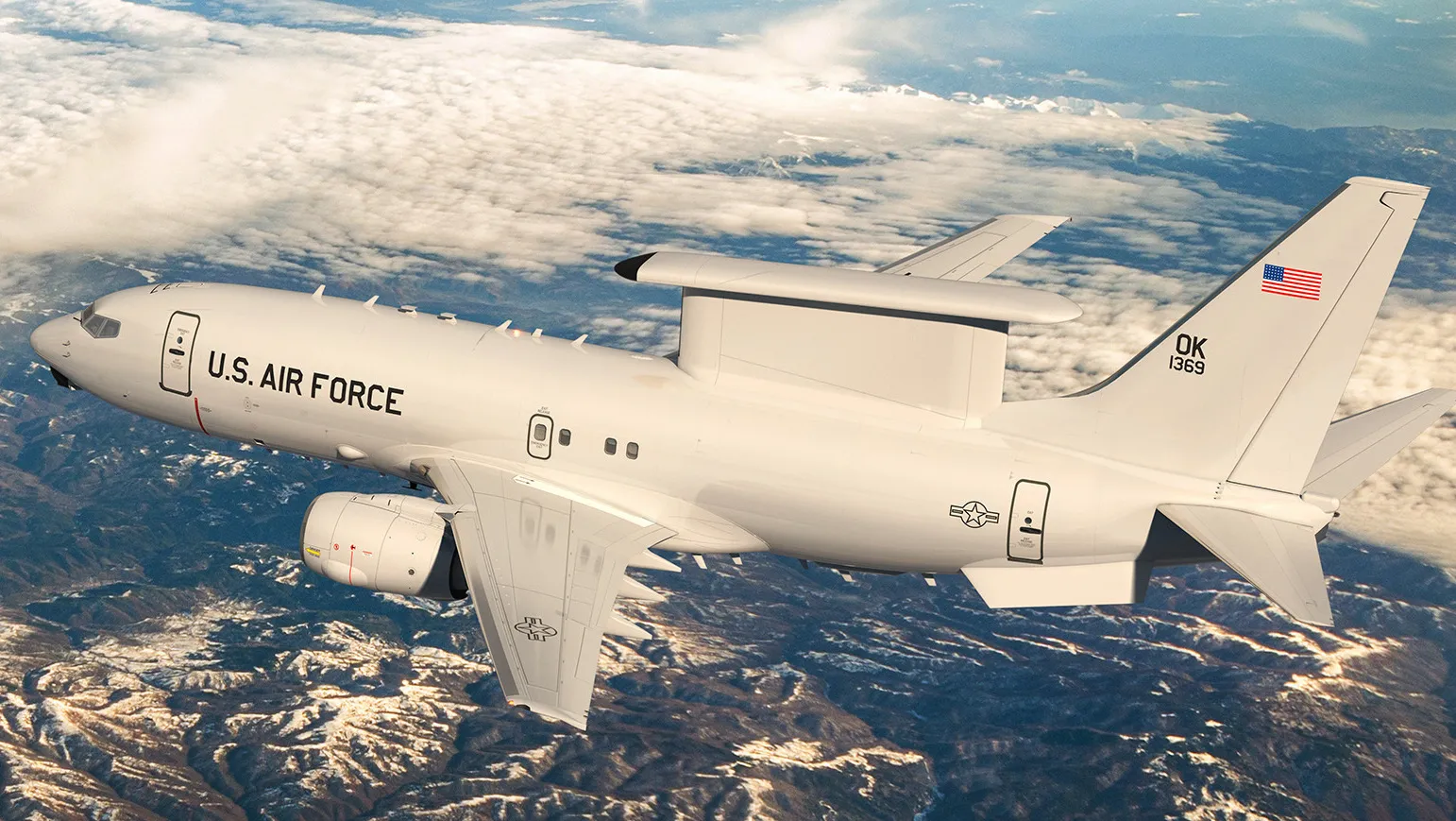
The E-7 Wedgetail’s survival highlights the difficulty of balancing modernization with fiscal discipline in complex defense programs. Congress has ensured the aircraft remains in development, but questions about cost, timing, and future relevance persist.
For now, the Wedgetail continues as a bridge between legacy systems and next-generation technologies. Its ultimate role in the U.S. Air Force will depend on whether it can deliver operational value fast enough to justify its rising price.
Stay tuned with us. Further, follow us on social media for the latest updates.
Join us on Telegram Group for the Latest Aviation Updates. Subsequently, follow us on Google News
