


PHILADELPHIA- American Airlines (AA) is reportedly evaluating a new transatlantic route between Philadelphia (PHL) and Porto (OPO), expanding its network to northern Portugal. The potential service would strengthen Philadelphia as the airline’s key European gateway.
Industry sources indicate that Porto may be added alongside the existing American Airlines service from Philadelphia to Lisbon, providing another option for U.S. travelers heading to Portugal.

American Airlines Porto Flights
Reports from aviation analysts suggest that American Airlines is assessing the feasibility of launching flights from Philadelphia to Porto. This move would align with the carrier’s strategy of routing European expansion through Philadelphia, which serves as its primary transatlantic connection hub.
Other U.S. carriers already operate to Porto, including United Airlines (UA) from Newark (EWR) and Delta Air Lines (DL) from New York JFK (JFK). Philadelphia offers American Airlines stronger domestic connectivity than New York, which improves onward travel options for passengers across the United States.
The route distance between Philadelphia and Porto is shorter than many U.S.–Europe city pairs and can be operated efficiently by the Airbus A321XLR.
American Airlines has ordered this aircraft for long narrowbody operations across the Atlantic. If approved, the Philadelphia–Porto route would likely operate as a summer seasonal service to match travel demand trends, ViewfromtheWing reported.
Why Porto Makes Strategic Sense
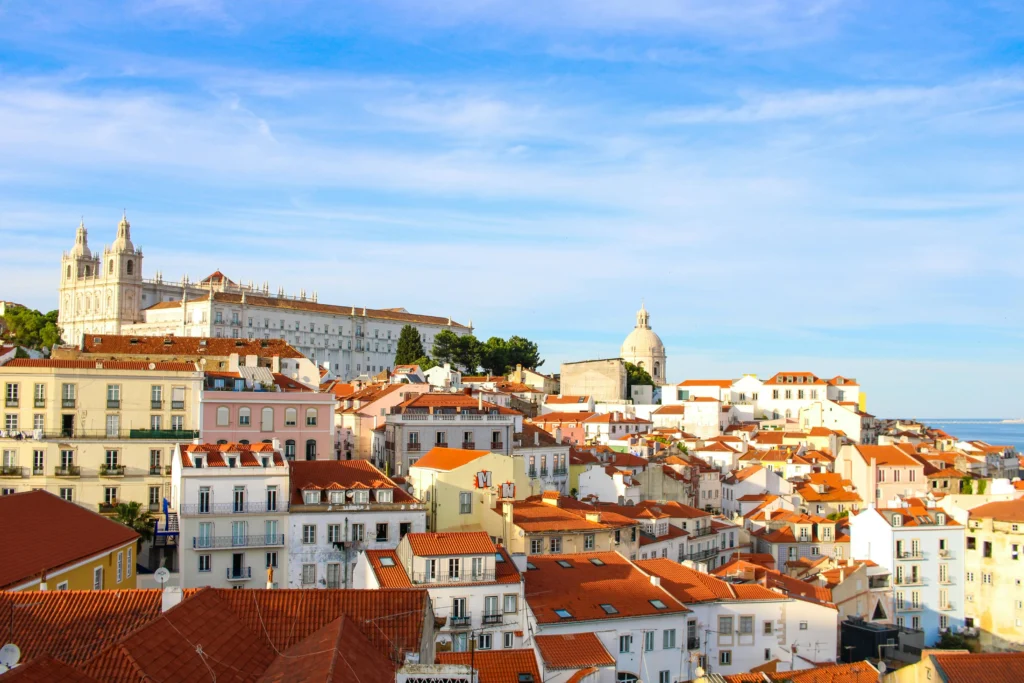
American Airlines already operates flights from Philadelphia to Lisbon. However, expansion at Lisbon Airport has been limited due to slot congestion and regulatory constraints.
Porto provides an opportunity to grow in Portugal without relying on new slot availability in Lisbon.
The U.S. market sent approximately 2.3 million travelers to Portugal in 2024, making the United States one of the largest inbound tourism sources. Roughly 9.4 percent of all visitors traveled to Porto, representing about 215,000 U.S. travelers.

Traveler Demand for Northern Portugal
Porto attracts visitors with its historic center, riverfront location, rich food culture, and proximity to nearby wine regions.
The city is compact and easy to explore on foot, and it often comes at a lower cost than other major European destinations.
Direct service from Philadelphia would likely appeal to both leisure travelers and connecting passengers throughout the American Airlines network.
United Airlines and Delta Air Lines already serve Porto from the New York region. A Philadelphia–Porto service would enable American Airlines to expand its transatlantic capacity while avoiding direct competition at New York airports, where its rivals hold stronger positions.
By leveraging Philadelphia’s hub connectivity, American Airlines can distribute traffic more efficiently across its U.S. network.
Porto Travel Guide
Porto is Portugal’s second-largest city and a major hub in Northern Portugal. It attracts millions of visitors every year thanks to its riverfront views, historic center, and relaxed lifestyle.
This guide explains where Porto is, how to get there, when to visit, and what to see and do. Every section focuses on useful, factual details to help travelers plan with confidence.
Understanding Porto’s Growing Global Appeal
Porto began as a small Celtic and Roman settlement and has grown into one of Europe’s most visited city destinations. The old town sits above the Douro River, surrounded by historic streets, scenic viewpoints, and cultural landmarks.
Despite rapid growth in tourism and development, Porto continues to retain a strong local identity and an easygoing rhythm that appeals to visitors interested in authentic travel.
The city’s popularity is closely to Portugal’s tourism boom. Porto offers a rich mix of heritage architecture, wine culture, riverside dining, and nearby beaches. The welcoming community atmosphere, vibrant arts scene, and small city feel continue to set it apart within Southern Europe.
Location and Geography
Porto is a coastal city in Northern Portugal, located along the Douro River estuary, around 300 kilometers north of Lisbon.
The surrounding region includes world-famous Douro Valley vineyards, seaside areas such as Matosinhos, and nearby cities like Braga, Guimarães, Vila Nova de Gaia, and Aveiro.
To the northeast lies the lesser-visited Trás-os-Montes region near the border with Spain.
How to Get to Porto
Porto’s Francisco Sá Carneiro Airport connects directly with many European cities as well as select North American destinations. The airport sits less than 20 kilometers from the city center and is linked by metro.
Arriving by rail is also simple. Porto has two main stations, Campanhã and São Bento, with frequent services from Lisbon, the Algarve, and northern Portugal, plus international links to Vigo in Spain. Typical journey times range from around 3 hours from Lisbon to about 6 hours from the Algarve.
Travelers can also reach Porto by intercity bus services or car via Portugal’s well-maintained highway network.
How Long to Stay
Two days allow most visitors to see the major highlights. Three days offer a more relaxed pace and time for coastal areas and lesser-known neighborhoods. A stay of five to seven days works well for travelers planning day trips across Northern Portugal.
Best Time to Visit
June and July usually provide the best combination of warm weather and manageable crowds. Winter is mild but wetter, making it better suited to museums, cafes, and dining. Spring and autumn can bring variable weather conditions, and still see regular tourist traffic due to weekend breaks and short-stay travel trends.
Accommodation and Neighborhoods
Porto is a city of distinct neighborhoods. Ribeira appeals to travelers who want river views and historic architecture. Aliados and Bolhão offer modern hotels and central business-style accommodation. Clérigos places visitors within walking distance of major attractions. Bonfim and Cedofeita provide more local, creative, and residential environments.
Top Things to See and Do
Walking remains the best way to explore Porto’s compact city center. Visitors can stroll along Rua de Santa Catarina and Rua das Flores, enjoy the atmosphere in Ribeira Square, and take in the tile-covered façades found across the city.
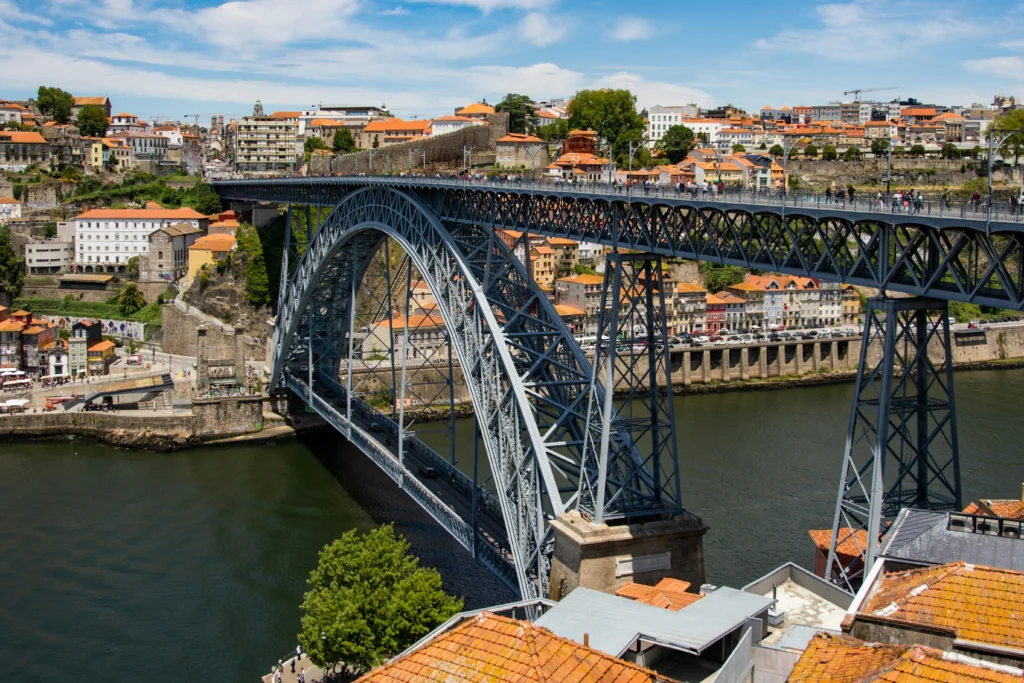
Crossing the Dom Luís I Bridge rewards travelers with panoramic river views. Porto’s gardens and parks, including Morro and Crystal Palace, provide open green spaces for a quieter break from sightseeing.
A day trip to the Douro Valley allows visitors to experience vineyard landscapes and historic small towns. Many travelers also choose to visit the Mercado do Bolhão, São Bento station with its tile murals, and major monuments such as the Clérigos Tower and Sé do Porto Cathedral.
Nearby Vila Nova de Gaia is home to the famous Port wine cellars, where guided tours explain the production process and offer tastings.
Culture, Food, and Lifestyle
Porto combines traditional cuisine with a growing restaurant scene. Signature dishes include francesinha, caldo verde, bacalhau-based meals, and the locally celebrated custard tart. The city also hosts an active nightlife and live music schedule, with venues ranging from large concert halls to small independent spaces.
Porto’s identity reflects both heritage and creativity. Visitors can enjoy historic architecture, contemporary art in places like Serralves, and a lively cultural calendar throughout the year.
Stay tuned with us. Further, follow us on social media for the latest updates.
Join us on Telegram Group for the Latest Aviation Updates. Subsequently, follow us on Google News
