

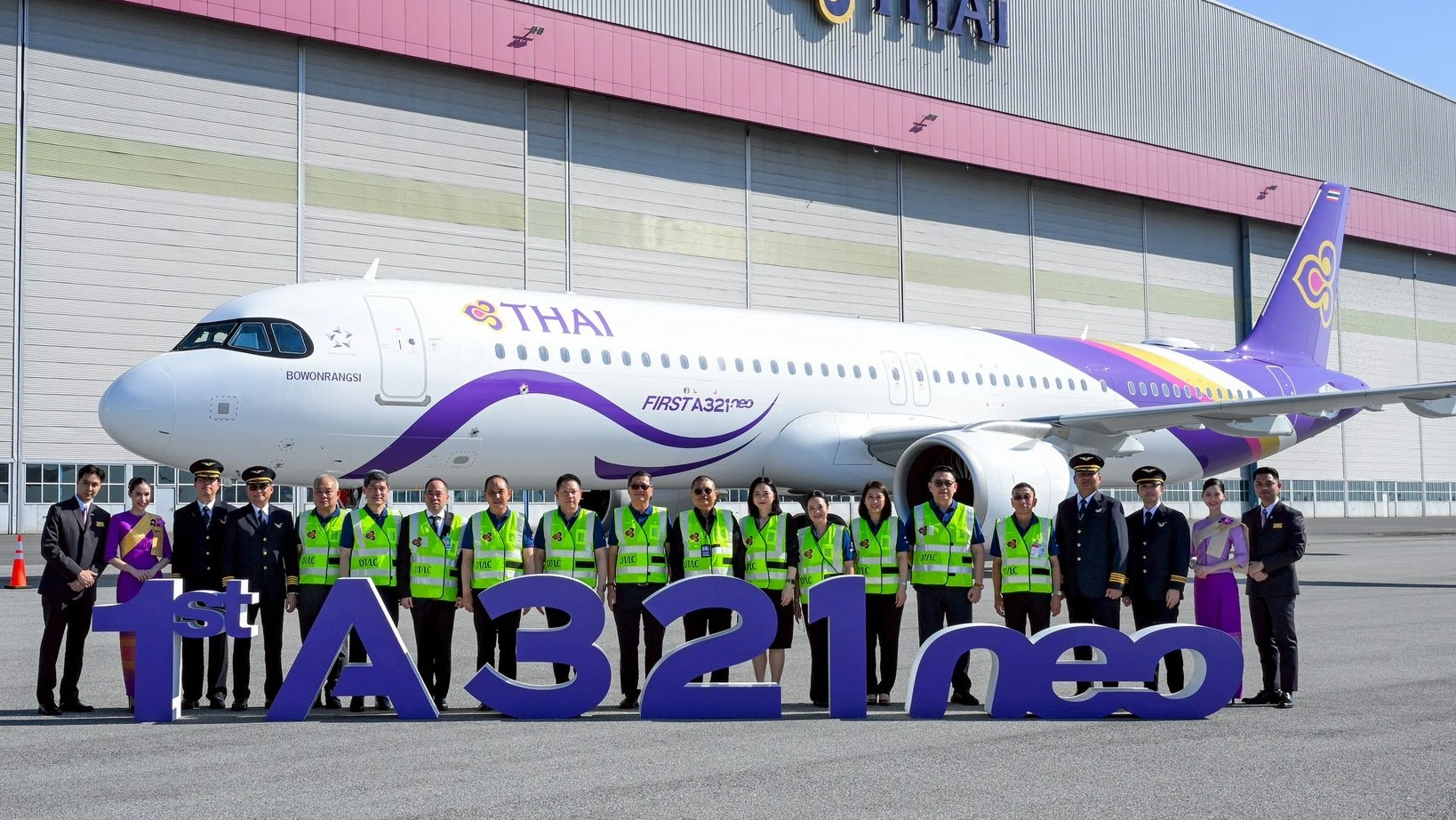
BANGKOK- Thailand marked a key milestone for Thai Airways International (TG) as the national carrier officially welcomed its first Airbus A321neo at Suvarnabhumi Airport (BKK), reinforcing its narrowbody fleet renewal strategy.
The aircraft arrived on a delivery flight from Hamburg (HAM) and represents the airline’s first step in inducting a new generation of fuel-efficient single-aisle jets.
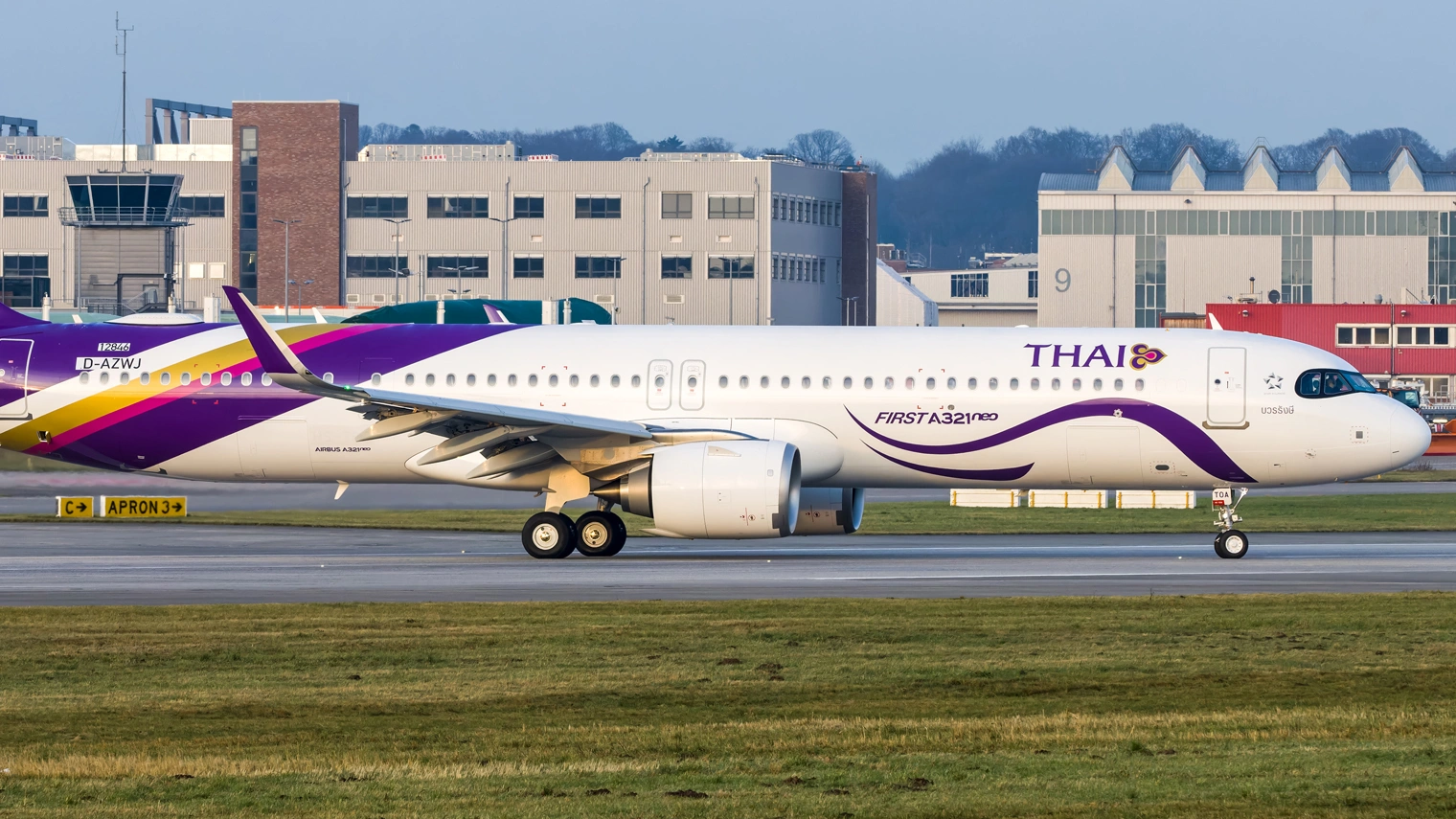
Thai Airways confirmed that the aircraft, registered HS-TOA and bestowed with the royal name Bowonrangsi, is the first of 32 Airbus A321neo aircraft scheduled for delivery. The induction aligns with the airline’s broader plan to support regional expansion while improving operational efficiency across its Asia-Pacific network.
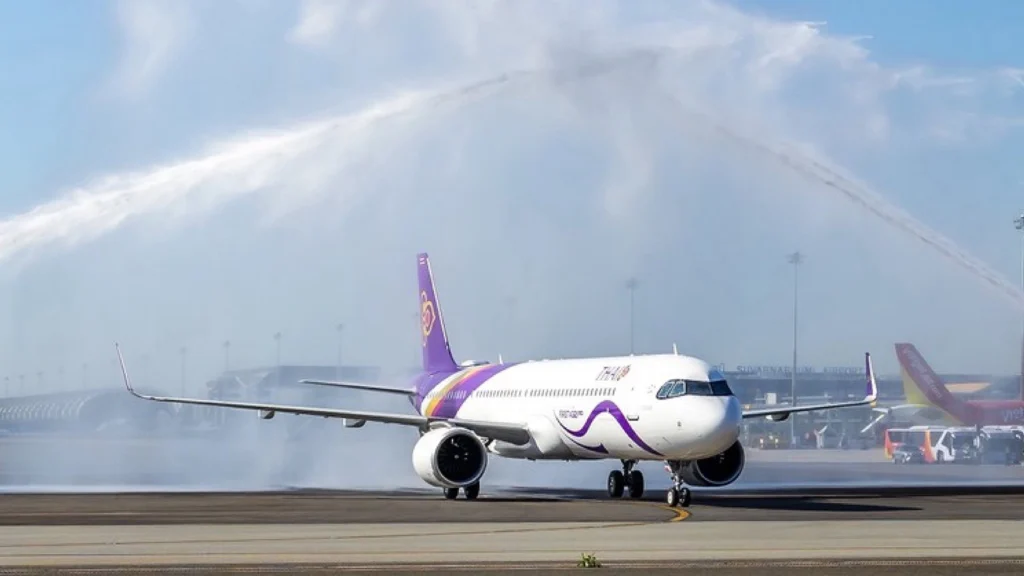
Thai Airways First A321neo Delivery
The welcoming ceremony took place on December 25, 2025, and was attended by senior leadership, including the Chairman of the Board, board members, executive management, and invited guests.
The aircraft was delivered from the Airbus Delivery Center in Germany under an operating lease arrangement with AerCap, reflecting international collaboration in fleet financing and management.
This first A321neo is part of an initial batch of ten aircraft entering service through leasing agreements.
Thai Airways views this approach as a flexible method to modernize its fleet while maintaining financial discipline during its recovery and growth phase.
This is the first time in recent years that Thai Airways has operated narrow-body aircraft directly under the mainline brand. Previously, short-haul flying sat with Thai Smile, which was dissolved in 2024.
Those former Thai Smile Airbus A320 aircraft have now been absorbed into the mainline operation, creating a more unified fleet and service standard.
Cabin And Technology
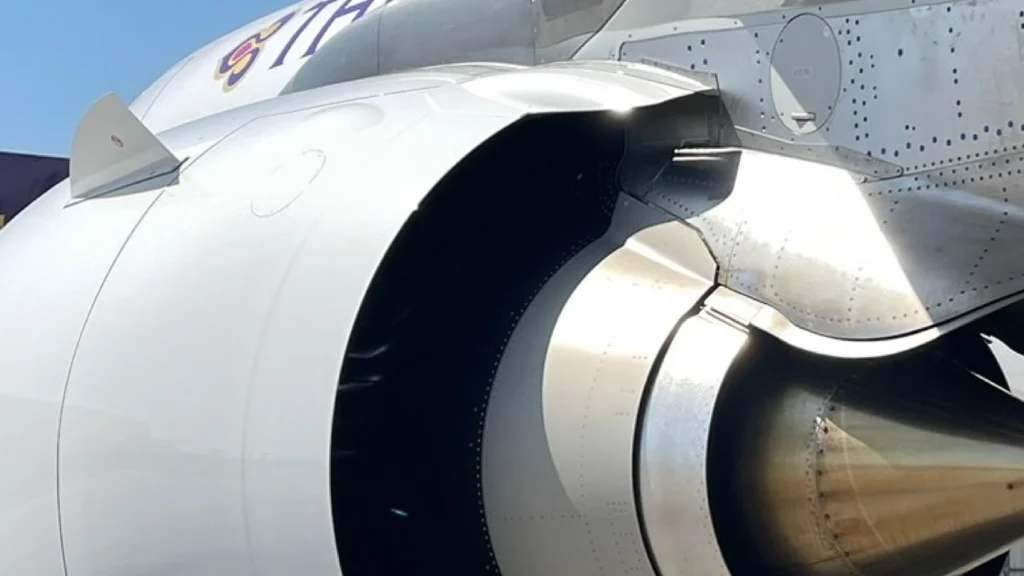
CFM LEAP-1A engines power the Airbus A321neo and feature advanced aerodynamics that reduce fuel consumption and carbon dioxide emissions per seat by up to 20 percent.
The aircraft is also certified to operate with up to 50 percent Sustainable Aviation Fuel, supporting the airline’s environmental objectives.
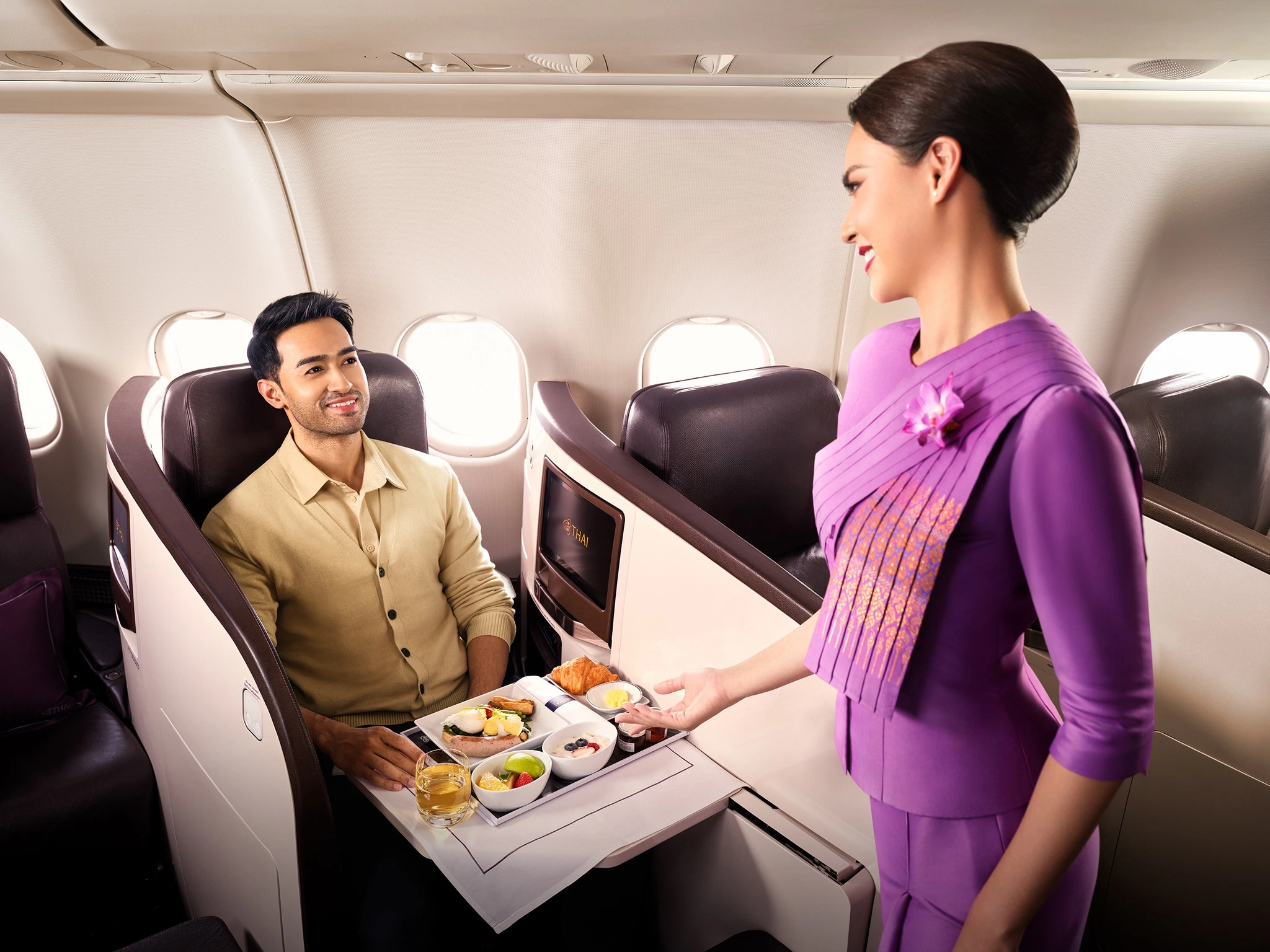
The cabin is configured with 175 seats, including 16 Royal Silk Class seats and 159 Economy Class seats.
Royal Silk Class offers fully flat beds with 180-degree recline and increased seat pitch, delivering a widebody-style experience on regional routes.
Economy Class seating focuses on comfort through ergonomic design, 110-degree recline, and adjustable headrests. Passengers also benefit from an in-flight entertainment system at every seat, featuring 4K touchscreens with Bluetooth connectivity.
Additional enhancements include Airspace XL overhead bins that increase storage capacity by up to 40 percent, along with mood lighting and a welcome ceiling designed to improve the onboard atmosphere.
Interior elements reflect Thai cultural identity blended with modern international styling.
Regional Network Plans
Thai Airways plans to deploy the A321neo primarily on regional Asia-Pacific routes where demand supports premium and leisure travel.
The aircraft’s efficiency allows the airline to serve high-frequency sectors while controlling operating costs.
The inaugural commercial service is scheduled for 22 January 2026 on the Bangkok–Singapore–Bangkok route, marking the aircraft’s entry into revenue operations.
The airline has stated that further route assignments will follow as additional A321neo aircraft join the fleet.
Bottom Line
The induction of the Airbus A321neo represents a strategic step for Thai Airways as it strengthens its regional fleet with modern, fuel-efficient aircraft.
With 32 units on order, the type is set to play a central role in network growth, sustainability goals, and service quality improvement across Asia-Pacific markets.
The airline gains flexibility to compete in busy Asian markets where passenger expectations are high. The large order also creates greater product consistency, something that has historically been missing from the fleet.
Stay tuned with us. Further, follow us on social media for the latest updates.
Join us on Telegram Group for the Latest Aviation Updates. Subsequently, follow us on Google News
