

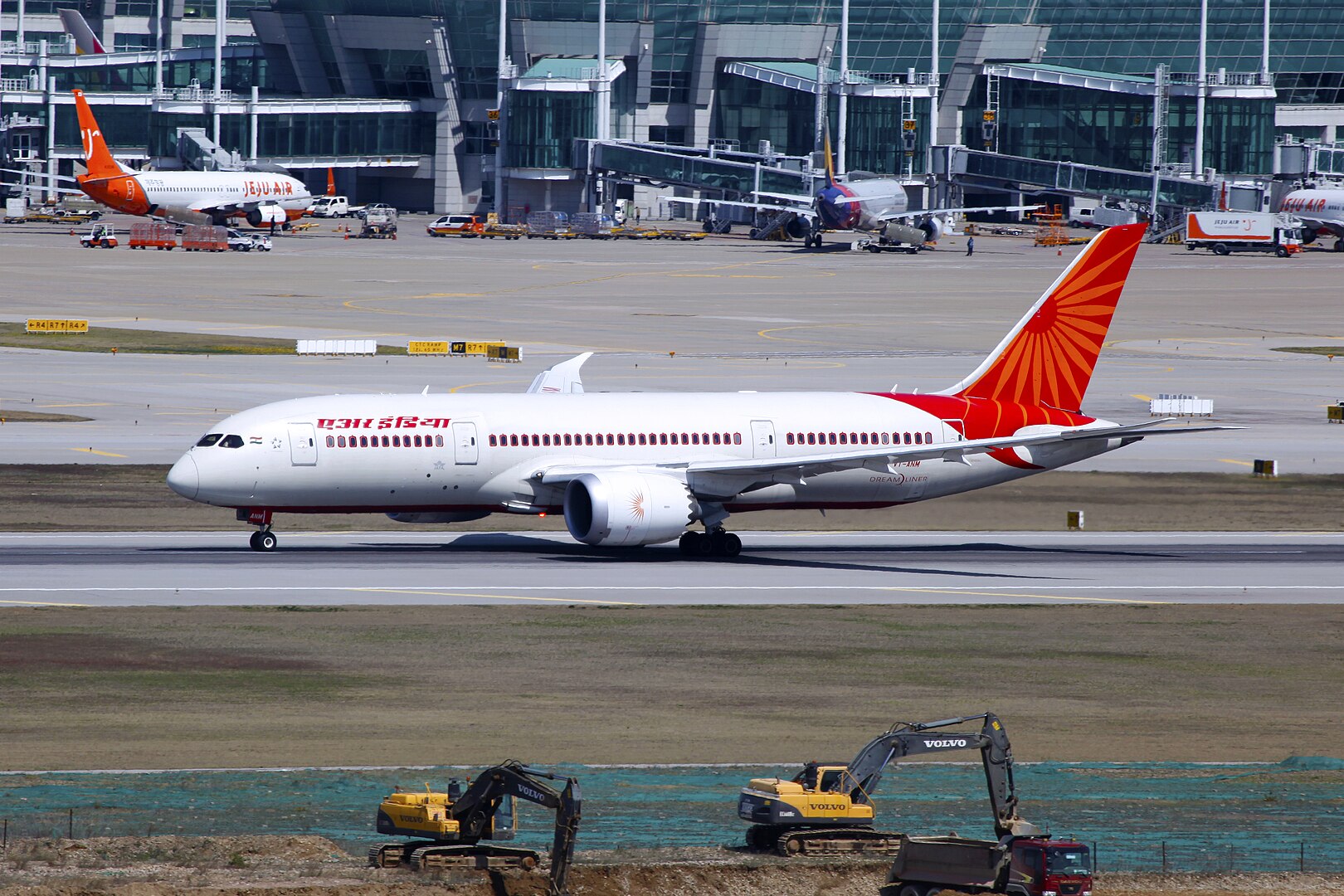
DELHI- Tata Group-owned Air India (AI) has confirmed the return of its nonstop Delhi–Rome flight service, restoring direct connectivity between India and Italy after nearly six years. The route strengthens the airline’s expanding European network and supports rising bilateral travel demand.
The four-times-weekly service launches on 25 March 2026, offering passengers direct access between the two capital cities and improved onward connections via Delhi to South and Southeast Asia.
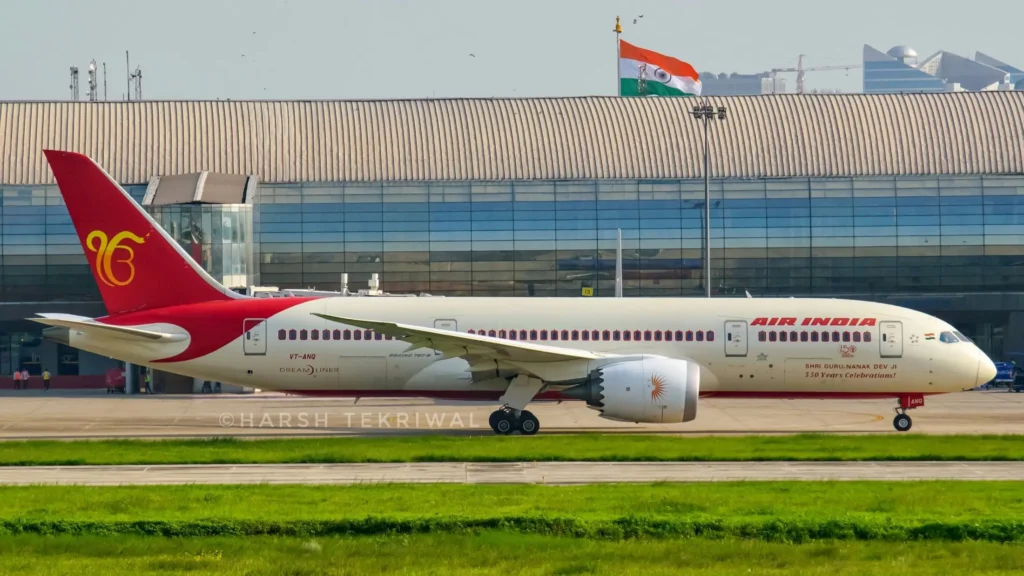
Air India Resumes Rome Flights
Air India’s flights to Rome were suspended during the COVID-19 pandemic and have remained offline until now. The resumption marks a strategic re-entry into the Italian market, timed for the spring and summer travel season in Europe.
From 25 March 2026, Air India will operate four weekly nonstop flights between Indira Gandhi International Airport, Delhi (DEL), and Leonardo da Vinci International Airport, Rome Fiumicino (FCO). The service caters to both leisure and business travellers while supporting growing cultural and trade links between India and Italy.
For Italian passengers, the route also improves access to Air India’s hub in Delhi, enabling smooth connections to multiple destinations across the Indian Subcontinent and Southeast Asia.
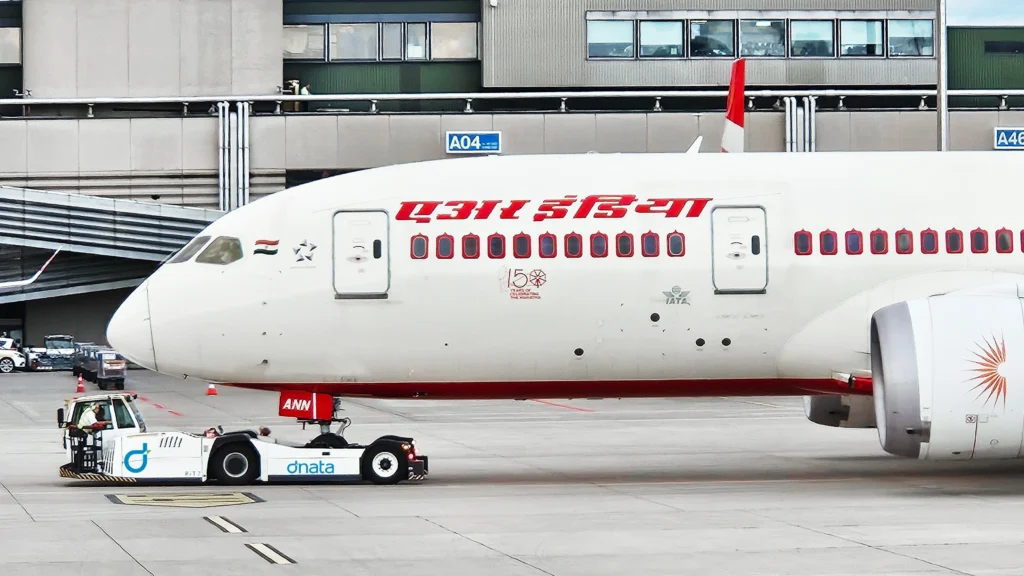
The Delhi–Rome service will be operated using Air India’s Boeing 787-8 Dreamliner. The aircraft features:
- 18 flat-bed seats in Business Class
- 238 seats in Economy Class
The configuration is designed to balance comfort and capacity on long-haul routes, with a focus on efficient operations and consistent onboard service.
Flights are scheduled to provide convenient onward connections from Delhi to key regional destinations, including: Bangkok, Colombo, Ho Chi Minh City, Kathmandu, Kuala Lumpur, Manila, Phuket, and Singapore. This positioning reinforces Delhi’s role as Air India’s primary global gateway.

Executive Remarks
Air India’s Chief Commercial Officer, Nipun Aggarwal, highlighted the strategic importance of the route, noting the strong cultural, business, and trade ties between India and Italy.
He emphasized that the nonstop service enhances direct capital-to-capital connectivity while expanding travel options via Delhi to destinations across South and Southeast Asia.
Aeroporti di Roma’s Chief Aviation Officer, Ivan Bassato, described the route’s return as a key development for long-haul growth in 2026. He noted that the service responds to rising demand across multiple passenger segments and supports deeper economic and cultural exchange between the two countries.
Italy remains one of India’s major trading partners in Europe. Passenger traffic between the two countries continues to grow, supported by a sizable Indian community in Italy and increasing interest among Indian travellers in Italy’s art, history, cuisine, and cultural experiences.
The restored nonstop service is expected to capture demand from leisure travellers, students, visiting friends and relatives traffic, and business passengers.
With the addition of Rome, Air India now serves eight destinations in mainland Europe and three destinations in the United Kingdom, continuing its phased expansion across key long-haul markets.
Flight Schedule: Delhi (DEL) – Rome (FCO)
| Effective Period | Flight Number | Route | Departure (Local) | Arrival (Local) |
|---|---|---|---|---|
| 25–27 March 2026 | AI123 | Delhi (DEL) – Rome (FCO) | 13:15 | 18:00 |
| 25–27 March 2026 | AI122 | Rome (FCO) – Delhi (DEL) | 19:50 | 09:00 (+1) |
| From 29 March 2026 | AI123 | Delhi (DEL) – Rome (FCO) | 13:15 | 18:55 |
| From 29 March 2026 | AI122 | Rome (FCO) – Delhi (DEL) | 20:50 | 09:00 (+1) |
Note: All timings are local. +1 indicates arrival on the next calendar day.
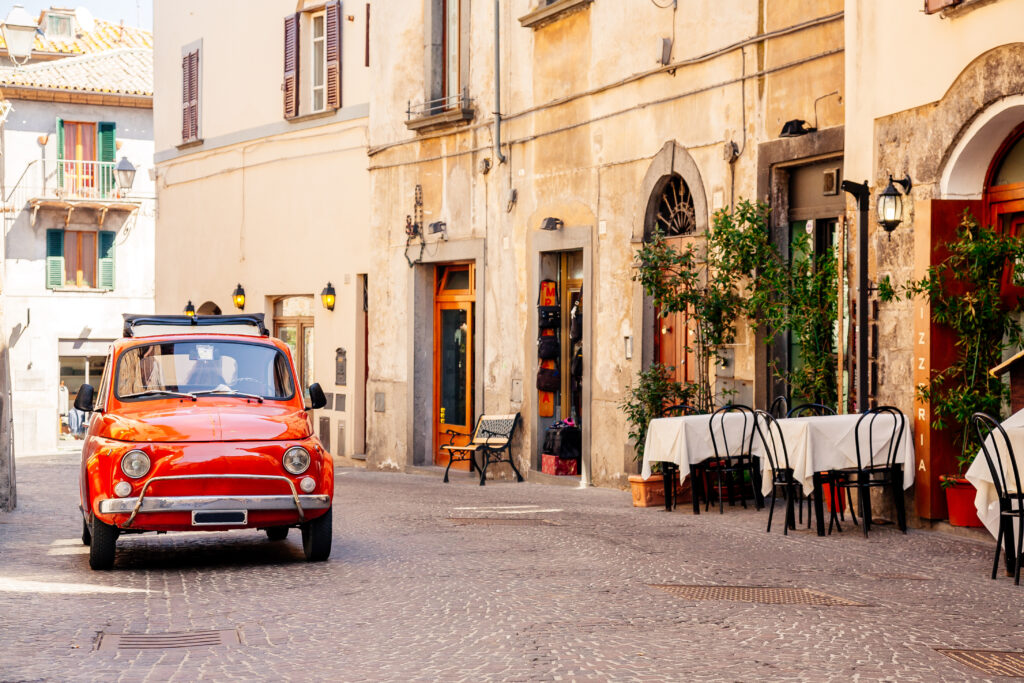
Rome Travel Guide
Rome is a living museum where ancient ruins, religious landmarks, and modern city life exist side by side. It remains one of Europe’s most visited destinations for history, food, and culture.
This guide explains what makes Rome unique, what travelers should prioritize, and how to plan efficiently in a city known for both beauty and complexity.
A City Built on Layers of History
Rome has shaped Western history for over two thousand years. As the former center of the Roman Empire and the spiritual home of the Catholic Church, the city holds unmatched historical and cultural weight.
Ancient ruins stand beside working neighborhoods, churches, and government buildings. Visitors encounter Roman, medieval, Renaissance, and modern influences within a single walk through the city center.
Iconic Landmarks That Define Rome
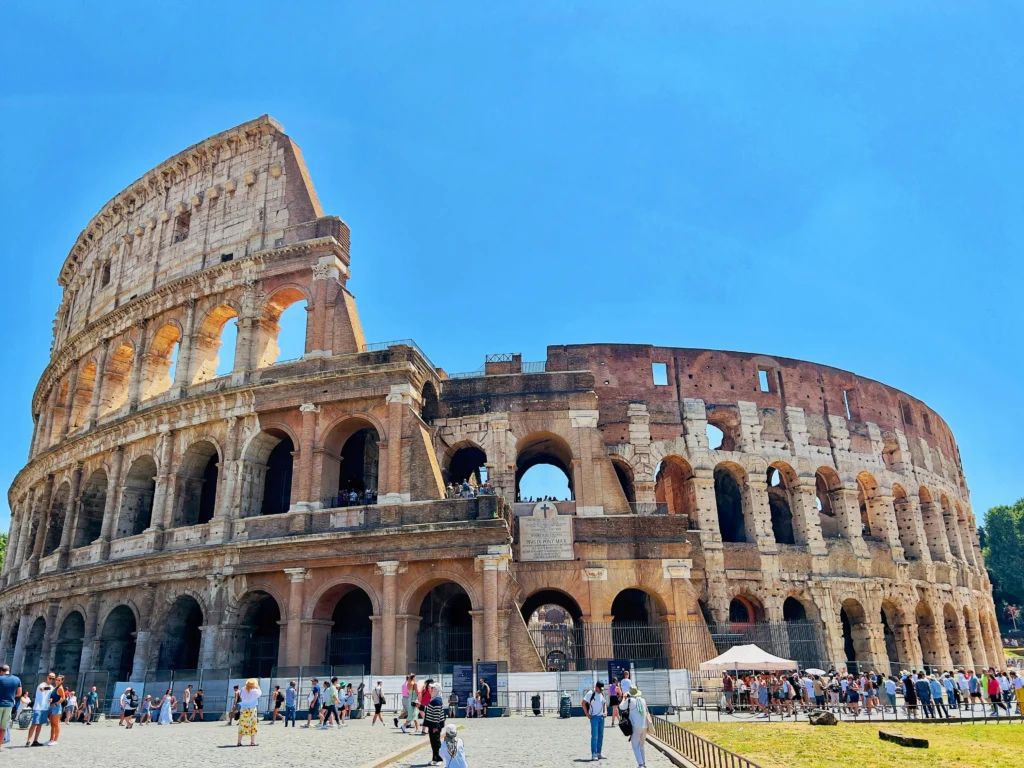
The Colosseum, Roman Forum, and Palatine Hill
The Colosseum remains the most recognizable symbol of Ancient Rome. Built in the 1st century CE, it once hosted gladiatorial contests and large public events. Nearby, the Roman Forum and Palatine Hill reveal the political and residential heart of the empire. Combined tickets provide access to all three sites.
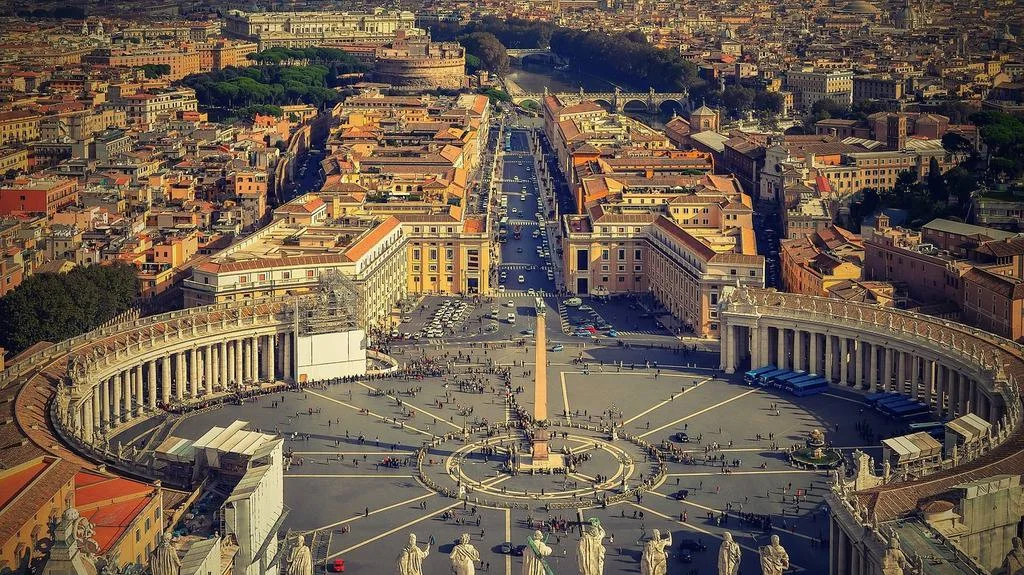
Vatican City
Vatican City is an independent city-state and the residence of the Pope. Key sites include St. Peter’s Basilica, the Vatican Museums, and the Sistine Chapel. It requires careful planning due to strict dress codes and high demand for tickets.
The Pantheon and Trevi Fountain
The Pantheon is one of the best-preserved ancient buildings in the world, famous for its massive concrete dome. The Trevi Fountain, completed in the 18th century, remains one of Rome’s most visited landmarks and a lasting symbol of the city.
Neighborhoods Worth Exploring
Trastevere
Trastevere offers narrow streets, historic buildings, and a strong local food culture. It is known for traditional Roman dishes, wine bars, and a less tourist-heavy atmosphere than the historic core.
Centro Storico
Rome’s historic center is a UNESCO World Heritage Site. It includes Piazza Navona, the Pantheon, and countless churches, cafes, and small shops. Walking here provides the best sense of Rome’s daily rhythm.
Museums, Churches, and Cultural Sites
Rome’s churches double as art galleries, housing works by Michelangelo, Bernini, and Caravaggio. Santa Maria Maggiore and San Giovanni in Laterano are among the most important.
Art lovers can visit the Borghese Gallery, the National Gallery of Modern Art, and MAXXI, which focuses on contemporary works. Many museums offer free entry on the first Sunday of each month.
Food and Culinary Experiences
Rome’s cuisine centers on simple ingredients and strong traditions. Street food, pizza, pasta, and local wine are widely available at varying price points.
Food tours and cooking classes offer insight into Roman culinary history. Trastevere and Testaccio are reliable areas for authentic dining experiences.
Safety and Practical Advice
Rome is generally safe, including for solo travelers. Pickpocketing is the most common issue, especially near major attractions and public transport.
Travelers should avoid unofficial ticket sellers, confirm taxi meters are running, and keep personal belongings secure. Emergency assistance can be reached by dialing 113.
Accommodation and Typical Costs
Rome offers a wide range of accommodations, from hostels to luxury hotels. Staying outside the historic center often reduces costs while maintaining metro access.
Daily expenses vary widely. Budget travelers can manage with public transport and free attractions, while midrange and upscale travelers have access to extensive dining and guided tour options.
Getting Around the City
Rome’s public transport includes buses, trams, and a metro system. The metro is the fastest option for longer distances, while buses reach areas not covered by rail.
Walking remains the most effective way to explore central Rome, especially in historic districts. Taxis and ride-hailing services are available but costly.
Best Time to Visit Rome
Summer brings peak crowds and high temperatures. Spring and autumn offer milder weather and fewer tourists, making them the most practical seasons to visit.
Winter is quieter and cooler, with fewer visitors and lower accommodation prices, though attractions remain active year-round.
Stay tuned with us. Further, follow us on social media for the latest updates.
Join us on Telegram Group for the Latest Aviation Updates. Subsequently, follow us on Google News
