

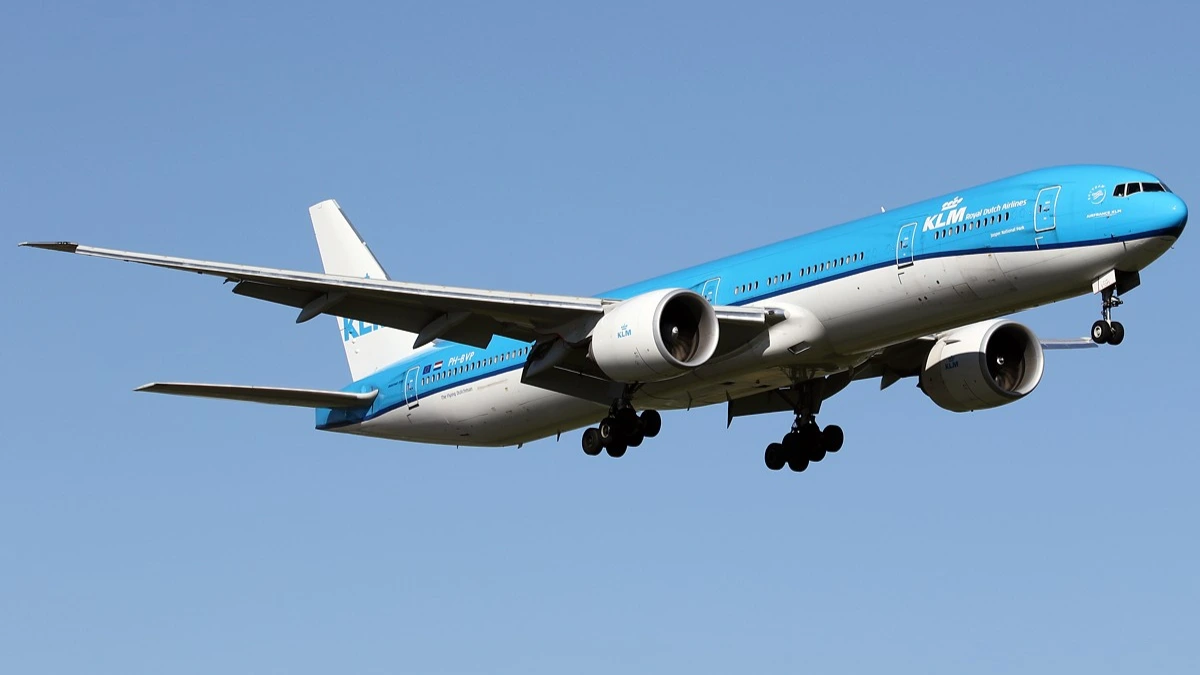
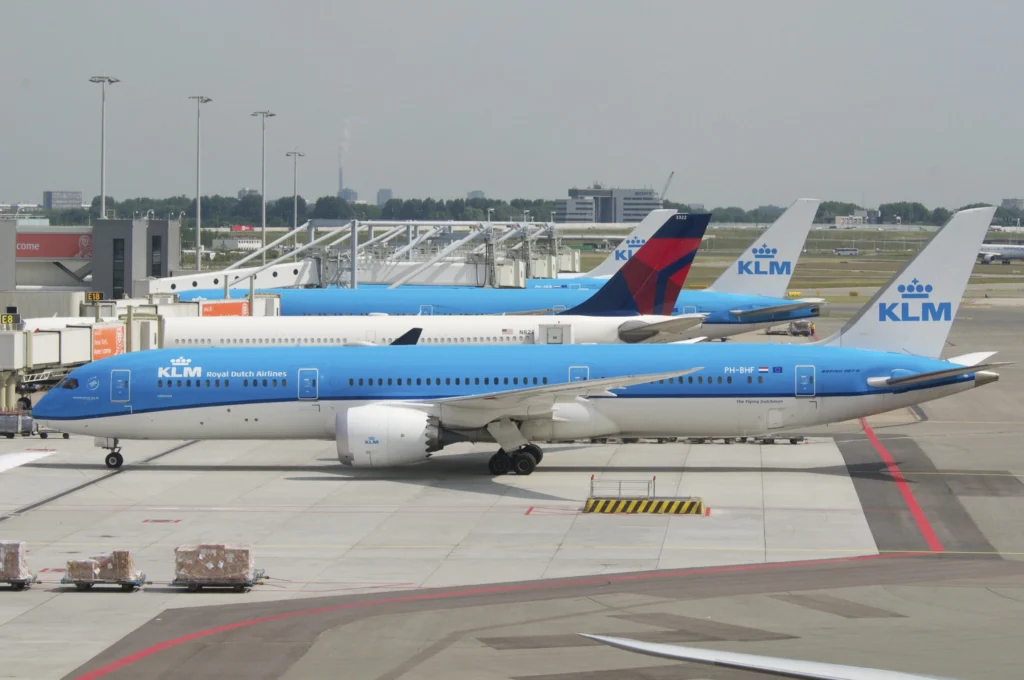
AMSTERDAM- A passenger on a KLM Royal Dutch Airlines (KL) flight from Amsterdam Schiphol Airport (AMS) to Boston Logan International Airport (BOS) has filed a lawsuit after a collapsed seat back caused serious head and spinal injuries.
The incident occurred on a transatlantic service in December 2023 and has raised questions about onboard safety checks, crew response, and airline liability under international aviation law.
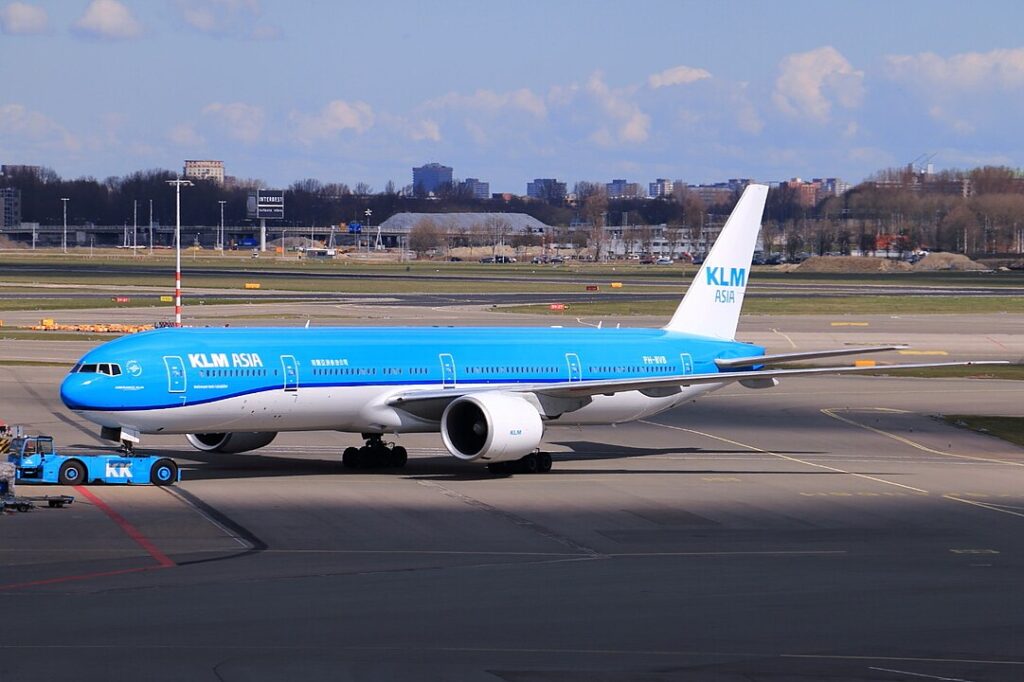
KLM Passenger Lawsuit Amid Spinal Injury
The passenger, a woman from Framingham, Massachusetts, was seated in the Economy Class cabin when the seat directly in front of her malfunctioned during the flight.
The seat back allegedly collapsed without warning and struck her head with force, leading to immediate neurological symptoms.
The flight in question was KLM Flight KL616, operating a scheduled daytime service from Amsterdam to Boston. The passenger and her husband were seated in row 19, while the faulty seat was located in row 18 directly ahead of them.
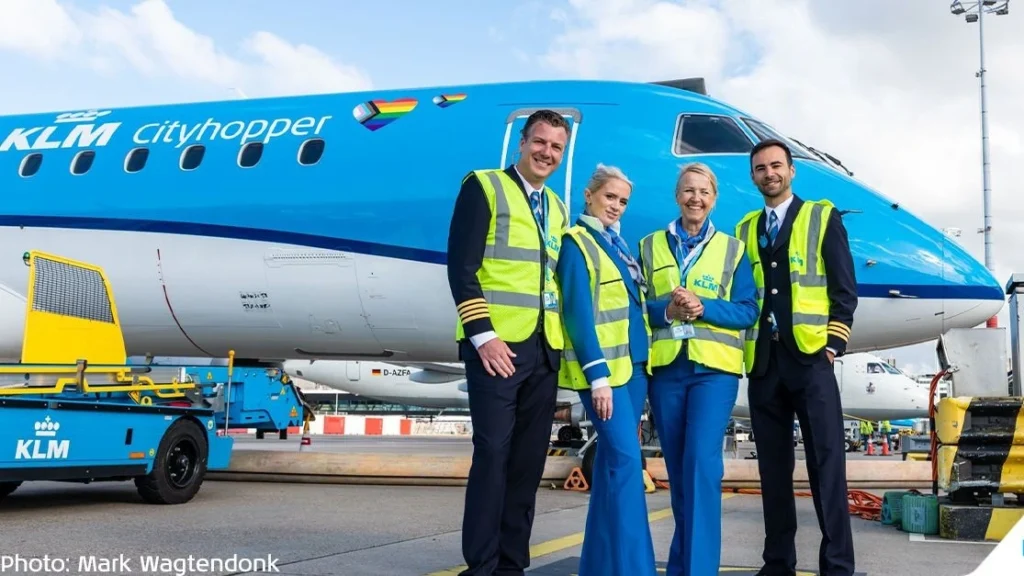
Crew Aware of Faulty Seat Before Departure
Court filings state that the issue with the seat was evident before takeoff. When the passenger assigned to the seat sat down, it reportedly reclined fully into the space behind it without being adjusted. The passenger alerted the cabin crew, believing the seat was broken.
A flight attendant inspected the seat and told the passengers it should be fine. The aircraft departed with the seat still occupied, despite concerns raised before departure, PYOK reported.
The lawsuit alleges that no attempt was made to reseat passengers or remove the defective seat from use.
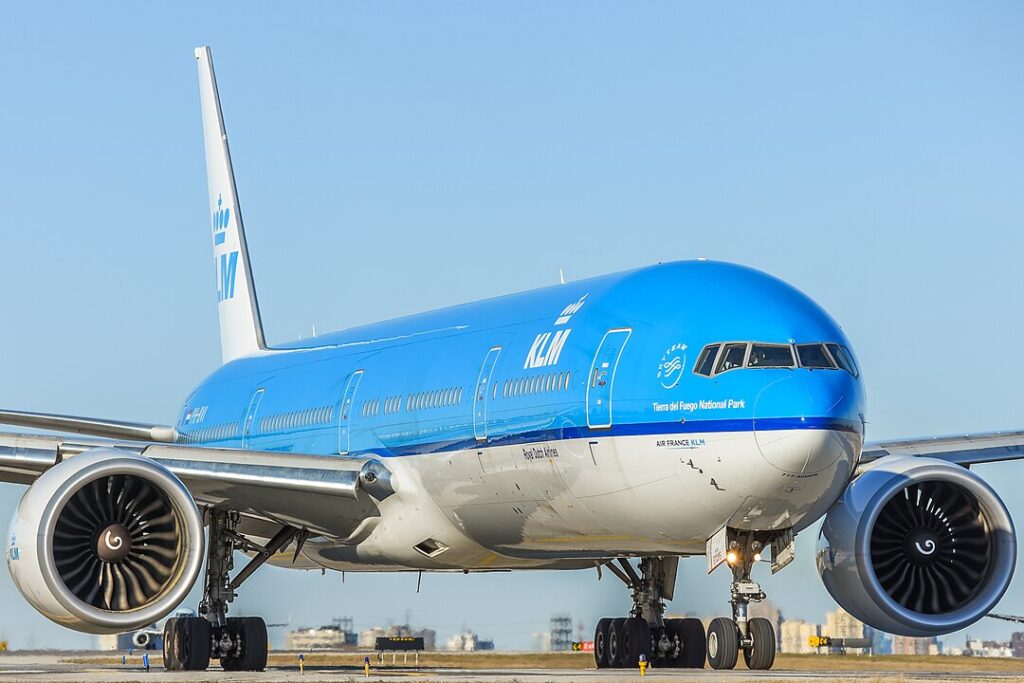
Impact Caused Brain and Spinal Injuries
Several hours into the flight, the injured passenger stood up briefly and later returned to her seat. As she leaned forward, the seat back in front of her suddenly released again and struck her head.
Medical evaluations later confirmed a concussion, traumatic brain injury, spinal cord compression, and cervical disc damage at the C6 and C7 levels. The injuries required anterior cervical discectomy and fusion surgery, commonly known as ACDF.
The passenger claims she has been left permanently disabled as a result of the incident.
The lawsuit also criticizes the onboard response following the injury. The cabin crew reportedly provided a makeshift ice pack but did not continue monitoring the passenger’s condition for the remainder of the flight.
The injured passenger’s condition worsened during the flight, with increasing pain and neurological symptoms that required medical care after landing in Boston.
Legal Claims Under the Montreal Convention
The lawsuit was filed in a Massachusetts district court and alleges negligence and gross negligence by KLM. It also invokes Article 17 of the Montreal Convention, which governs airline liability for passenger injuries on international flights.
Under the convention, airlines are strictly liable for proven injuries up to a defined compensation limit measured in Special Drawing Rights. The current limit for bodily injury stands at 151,880 SDRs, equivalent to approximately $218,000.
The plaintiffs argue that the severity of the injuries exceeds this threshold and that KLM cannot avoid further liability due to its prior knowledge of the defective seat and failure to act.
Similar Incident
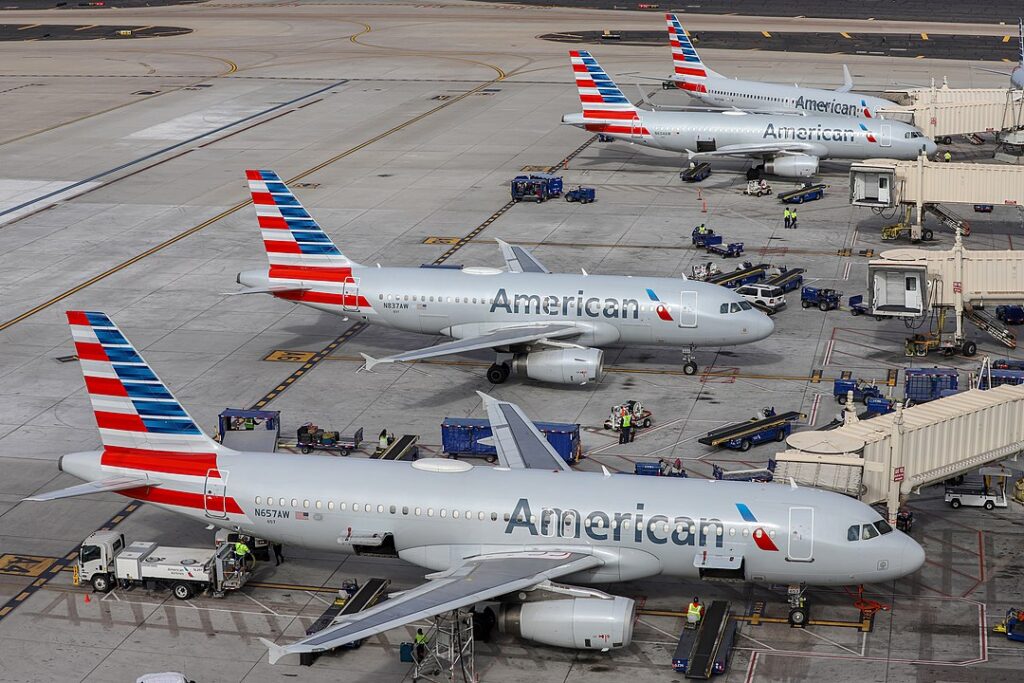
An American Airlines (AA) passenger has filed a negligence lawsuit alleging permanent spinal injuries caused by a hard landing on a domestic flight. The case centers on pilot actions during the final approach and landing.
The lawsuit stems from a flight operating between Dallas Fort Worth International Airport (DFW) and Charlotte Douglas International Airport (CLT), where the passenger claims the aircraft touched down with excessive force.
Lawsuit Alleges Pilot Error During Final Approach
Eric Murphy filed the civil complaint in a North Carolina court, seeking damages exceeding $75,000. He claims American Airlines failed to ensure a safe landing despite conditions that should have allowed for a normal touchdown.
Murphy was traveling on American Airlines flight AA855 on September 26, 2021. According to court filings, the flight itself was routine until landing, when the aircraft reportedly struck the runway with such force that multiple passengers reacted audibly.
Attorneys representing Murphy argue that the pilots failed to properly monitor approach speed and rate of descent. The lawsuit alleges that this lapse resulted in an excessive vertical impact during landing, directly causing Murphy’s injuries.
Claims of Lasting Spinal and Back Injuries
Murphy states that the hard landing caused serious back and spinal trauma that continues to affect his quality of life. The complaint describes ongoing pain, reduced mobility, and limitations on both professional and daily activities.
The lawsuit also notes the possibility of future surgery, citing medical concerns linked to the alleged injuries. These long-term effects form the basis for the damages sought.
Allegations of Inadequate Pilot Training
The filing places responsibility on American Airlines, claiming the airline failed to properly train its flight crew. The argument asserts that appropriate training would have prevented the excessive descent rate that allegedly caused the impact.
American Airlines has not yet filed a formal response, as the lawsuit was only recently submitted. The carrier remains legally silent on the claims at this stage.
Pattern of Passenger Injury Lawsuits Across US Airlines
Murphy’s case reflects a broader trend of passenger injury lawsuits against major US carriers. In recent weeks, multiple airlines have faced legal action over injuries sustained during otherwise routine flights.
Another American Airlines passenger recently sued after breaking his leg during turbulence on a flight from Washington, DC to New Orleans. In that case, the claim argues the crew failed to provide adequate warning before the aircraft encountered turbulence.
Similar lawsuits have also targeted JetBlue and Delta Air Lines, involving incidents ranging from loose seatbelts to beverage cart impacts. Reported by PYOK, these cases highlight increasing legal scrutiny over in-cabin safety and operational procedures.
Unlike some recent airline injury lawsuits, Murphy cannot rely on the Montreal Convention. That international treaty applies only to international flights and establishes strict liability standards for passenger injuries.
Stay tuned with us. Further, follow us on social media for the latest updates.
Join us on Telegram Group for the Latest Aviation Updates. Subsequently, follow us on Google News
