

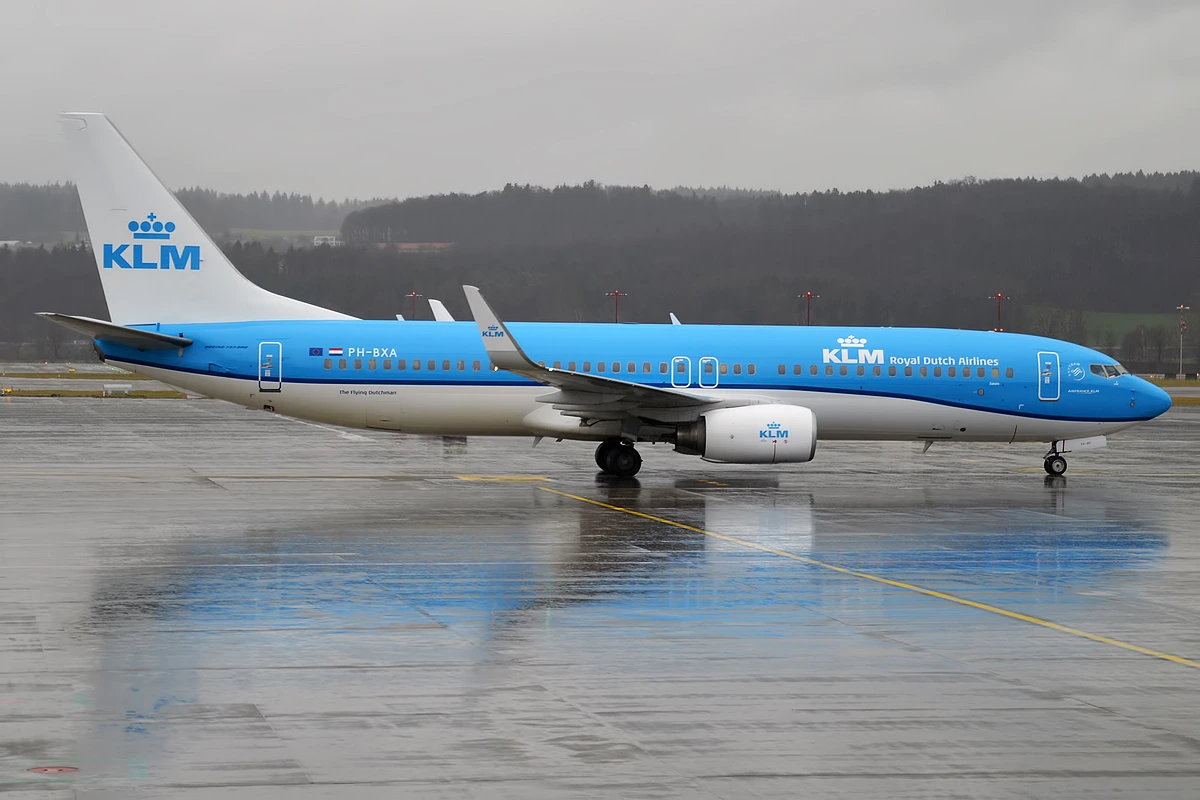
AMSTERDAM- KLM (KL) has officially started a major chapter in its €7 billion fleet renewal strategy by retiring its first Boeing 737-800. The aircraft, registered PH-BXK, completed its final passenger service at Amsterdam Schiphol (AMS) before leaving commercial operations permanently.
After its last operational flight, the aircraft was ferried from Amsterdam to Twente Airport (ENS), where it will undergo a full dismantling and recycling programme. The retirement forms part of KLM’s wider effort to modernize its European, intercontinental, and cargo operations with next-generation aircraft.
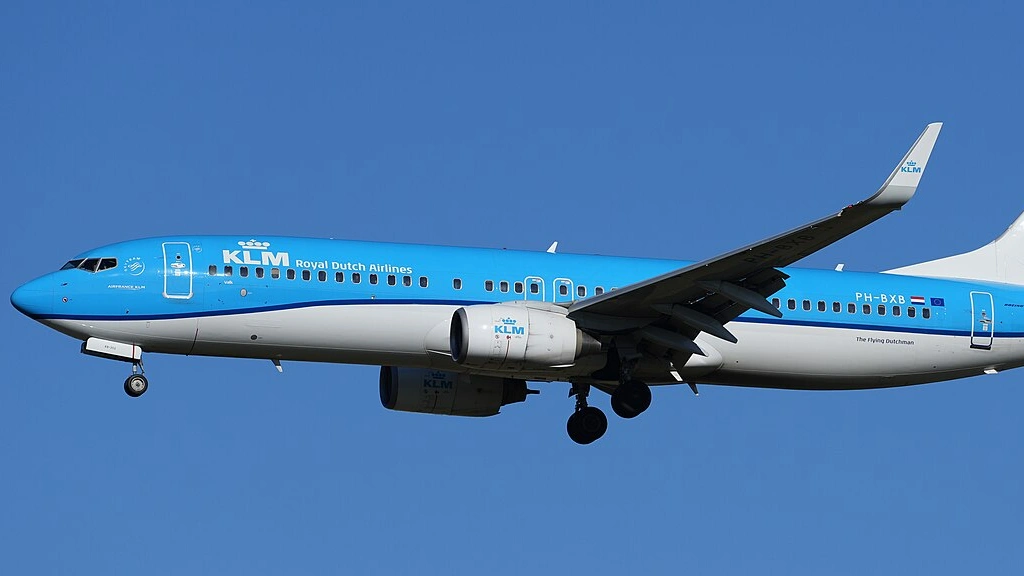
https://commons.wikimedia.org/wiki/File:Berlin_Brandenburg_Airport_KLM_Royal_Dutch_Airlines_Boeing_737-8K2(WL)_PH-BXB_(DSC07657).jpg
KLM Retires Its First Boeing 737
KLM’s decision to retire PH-BXK comes after more than two decades of service across Europe. The aircraft now sits with AELS, a Dutch specialist in end-of-life aircraft processing.
The dismantling process begins with the removal of engines and the auxiliary power unit, which KLM Engineering & Maintenance will return to its operational inventory.
Technicians expect to extract between 800 and 1,000 reusable components. These will be certified and later installed on active aircraft, supporting both sustainability goals and maintenance efficiency.
Once the valuable systems are removed, the aircraft’s external branding is stripped. Interior materials such as insulation blankets are separated for potential reuse, while remaining structures are prepared for recycling.
The aluminium fuselage will ultimately be processed for industrial use.
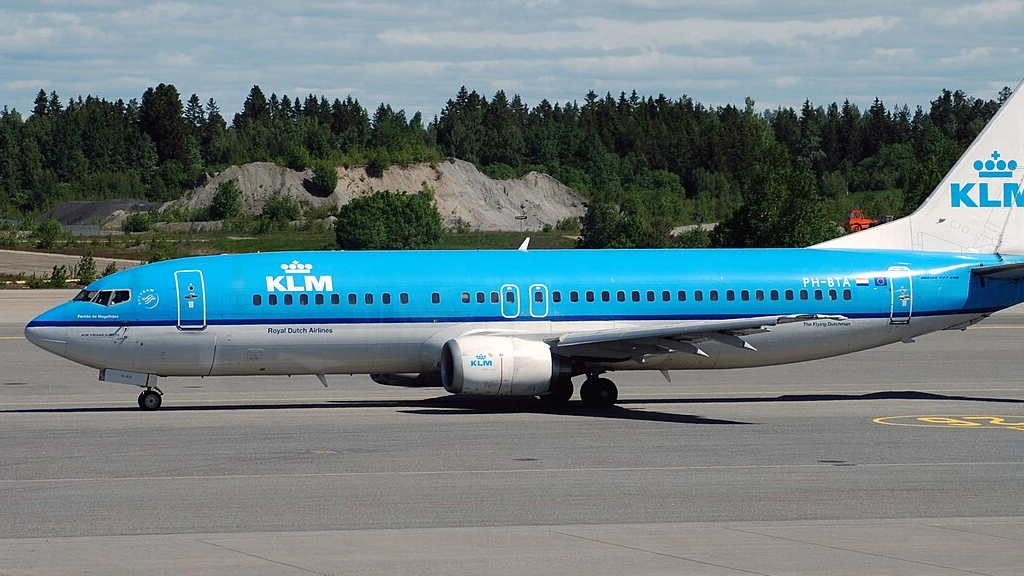
https://commons.wikimedia.org/wiki/File:KLM_Boeing_737-400_PH-BTA_at_Oslo-Gardemoen_2009_(3631933365).jpg
KLM’s Sustainable Dismantling
KLM’s collaboration with AELS aligns with its long-term sustainability roadmap. Recycling end-of-life aircraft reduces waste, conserves materials, and lowers the environmental cost of fleet modernization.
The company expects to handle additional KLM 737-800 retirements in early 2026 as deliveries of the Airbus A321neo accelerate.
AELS has confirmed that the second KLM 737-800 selected for retirement will arrive in January, continuing a fleet phase-out that will stretch across the next several years.
Each airframe will undergo the same structured dismantling process, ensuring maximum recovery of usable and recyclable assets.
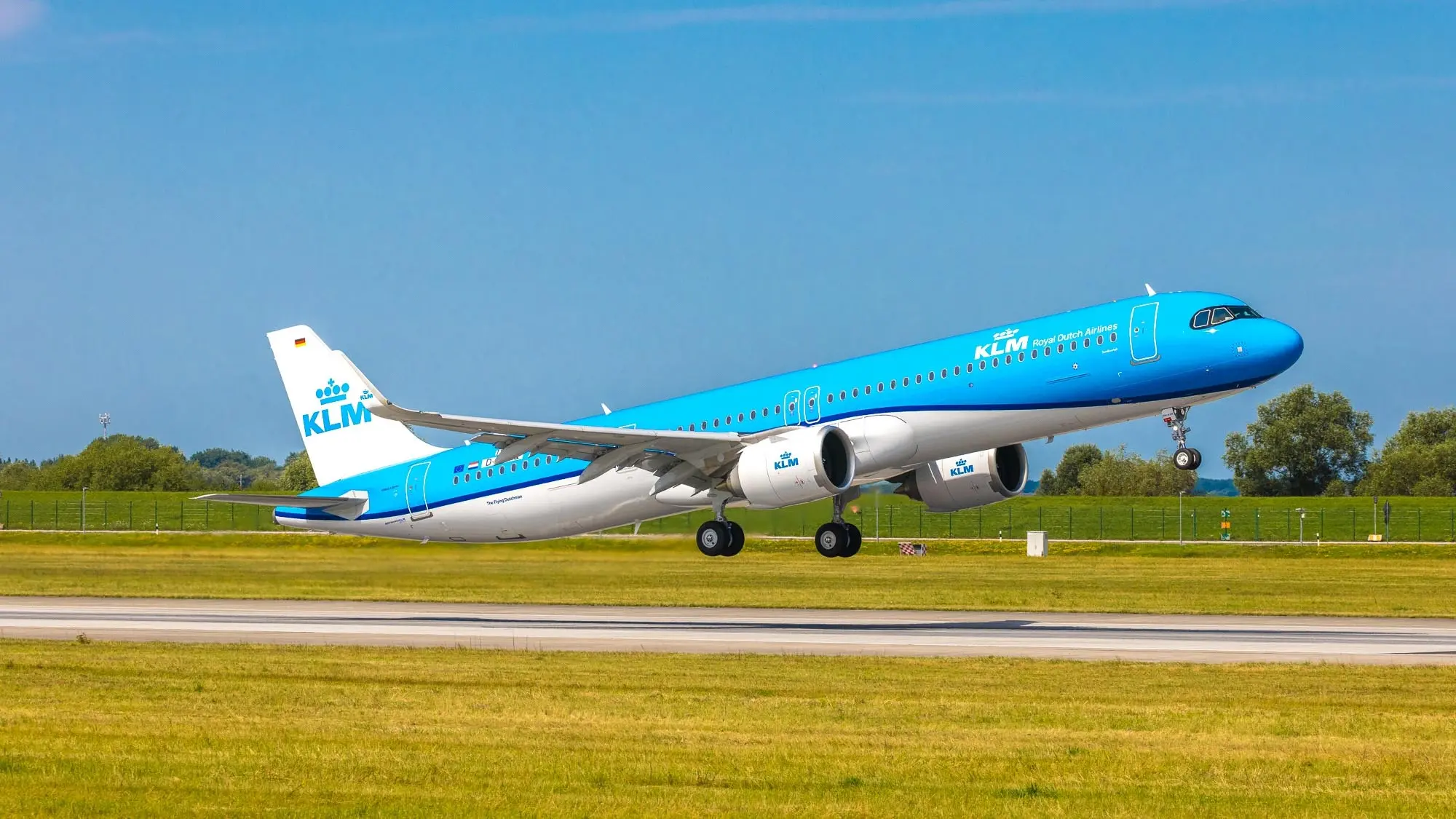
New Airbus Fleet
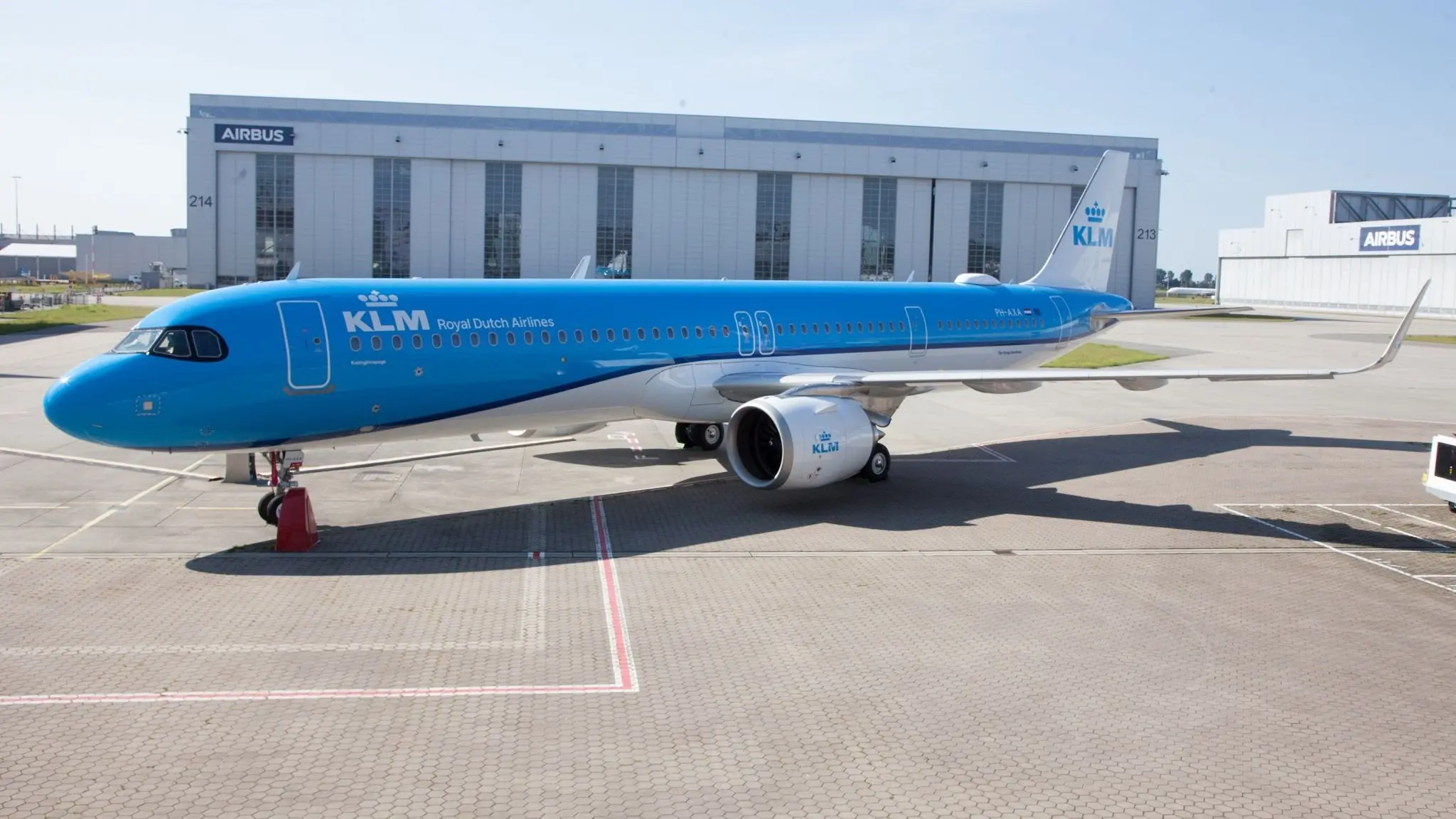
The departure of PH-BXK signals KLM’s shift from Boeing 737-700 and 737-800 aircraft to the Airbus A320neo and A321neo.
These new aircraft promise lower fuel burn, quieter operations, and improved passenger comfort. They also offer increased seating capacity, strengthening the airline’s competitiveness on European routes.
Across the wider network, KLM is also upgrading other fleets. Cityhopper continues to integrate Embraer E195-E2 jets, while intercontinental operations now include recently delivered Boeing 787-10 aircraft.
The Airbus A350-900 will begin replacing older 777-200ERs and A330s next year, and three Airbus A350Fs will modernize the cargo division. Each addition contributes to reduced emissions, lower noise levels, and enhanced reliability.
Bottom Line
The retirement of KLM’s first Boeing 737-800 marks more than the end of a long-serving aircraft. It represents the airline’s shift to a modern, sustainable, and efficient fleet across all business units.
With additional 737s set for retirement and more A321neo deliveries on the way, KLM’s next-generation fleet is steadily taking shape.
The transition underscores the airline’s commitment to environmental progress while improving operational performance for European and long-haul passengers alike.
Stay tuned with us. Further, follow us on social media for the latest updates.
Join us on Telegram Group for the Latest Aviation Updates. Subsequently, follow us on Google News
