

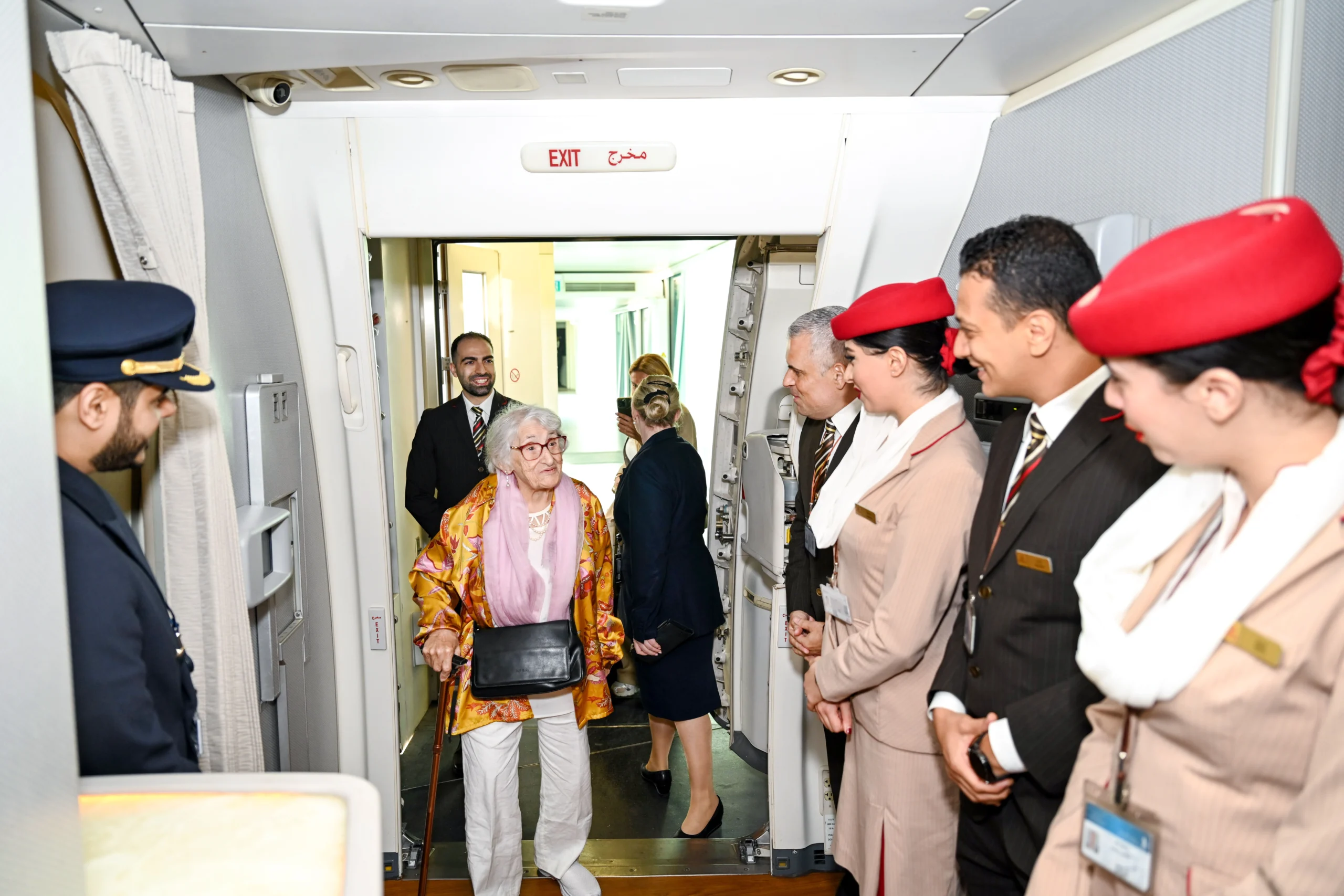
Passengers stepping onto an aircraft at Doha or any major international hub often assume the greeting at the cabin door is simply part of standard hospitality. While customer service is essential for airlines such as Qatar Airways (QR) or Emirates (EK), that first interaction also plays a key role in assessing conditions that may impact safety.
At airports like New York (JFK) or London Heathrow (LHR), crews interact with hundreds of passengers during boarding, which gives them only seconds to identify behavioral cues.
The assessment begins immediately, and the information gathered helps crews prepare for in-flight operations, manage possible disruptions, and ensure the aircraft is ready for all phases of flight.
Cabin Crew Greetings Secret
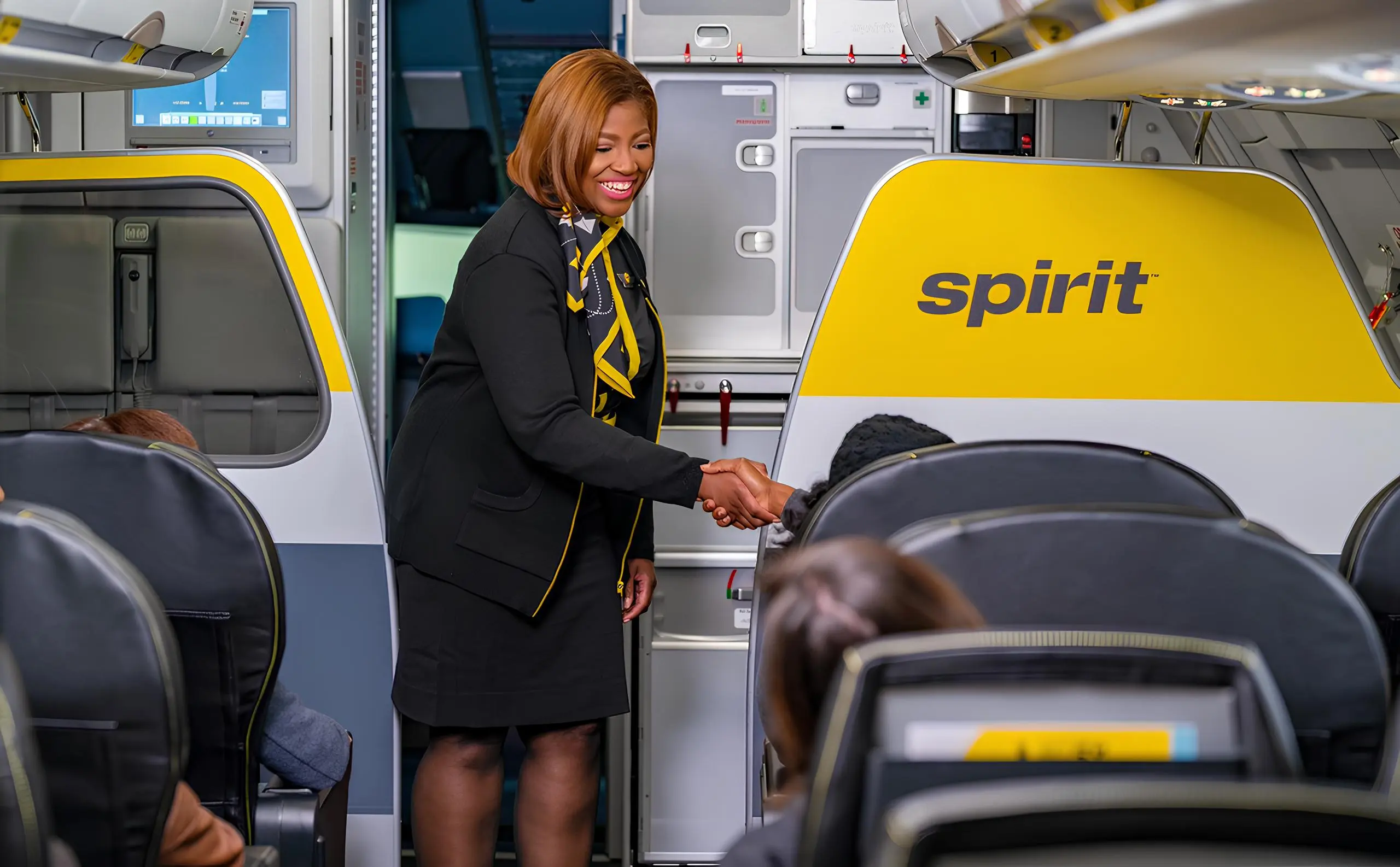
Flight attendants conduct a discreet observational check as passengers enter the cabin.
This process includes identifying travellers who may already show signs of intoxication or appear distressed. These early observations allow crews to address concerns before the aircraft pushes back.
They also note passengers who may require additional assistance. Elderly travellers, parents with infants, or people with limited mobility often need tailored support during boarding and potential evacuation scenarios.
Spotting such cases early helps crews allocate seating adjustments and provide targeted in-flight attention.
Another element of screening is evaluating overall passenger readiness. Crews look for signs of suspicious behaviour, visible injuries, or conditions that may require medical review before departure. This helps maintain onboard safety and prevents mid-air complications.
Emergency Preparedness
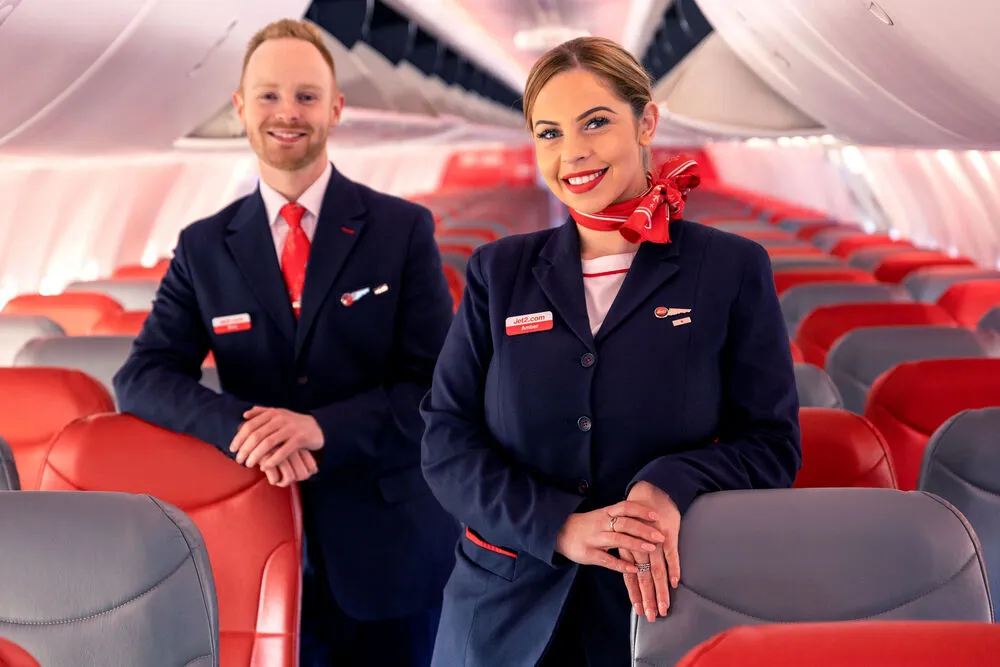
Flight attendants also look for individuals who could be helpful during an emergency. Able-bodied adults, medical professionals, and travellers who seem confident and alert may become valuable resources during rare but critical situations.
Their presence is mentally logged and can support evacuation procedures or in-flight incidents.
At the same time, crews identify passengers whose circumstances could slow an evacuation. Families with young children or persons with disabilities may require priority assistance. Recognising this early ensures that safety briefings and emergency plans are effectively adjusted to the passenger mix on board.
Cabin crew are trained to use these observations to create a mental map of the cabin. This awareness helps them respond quickly during turbulence, medical events, or abnormal situations while airborne.
Flight Attendant’s Operational Checks
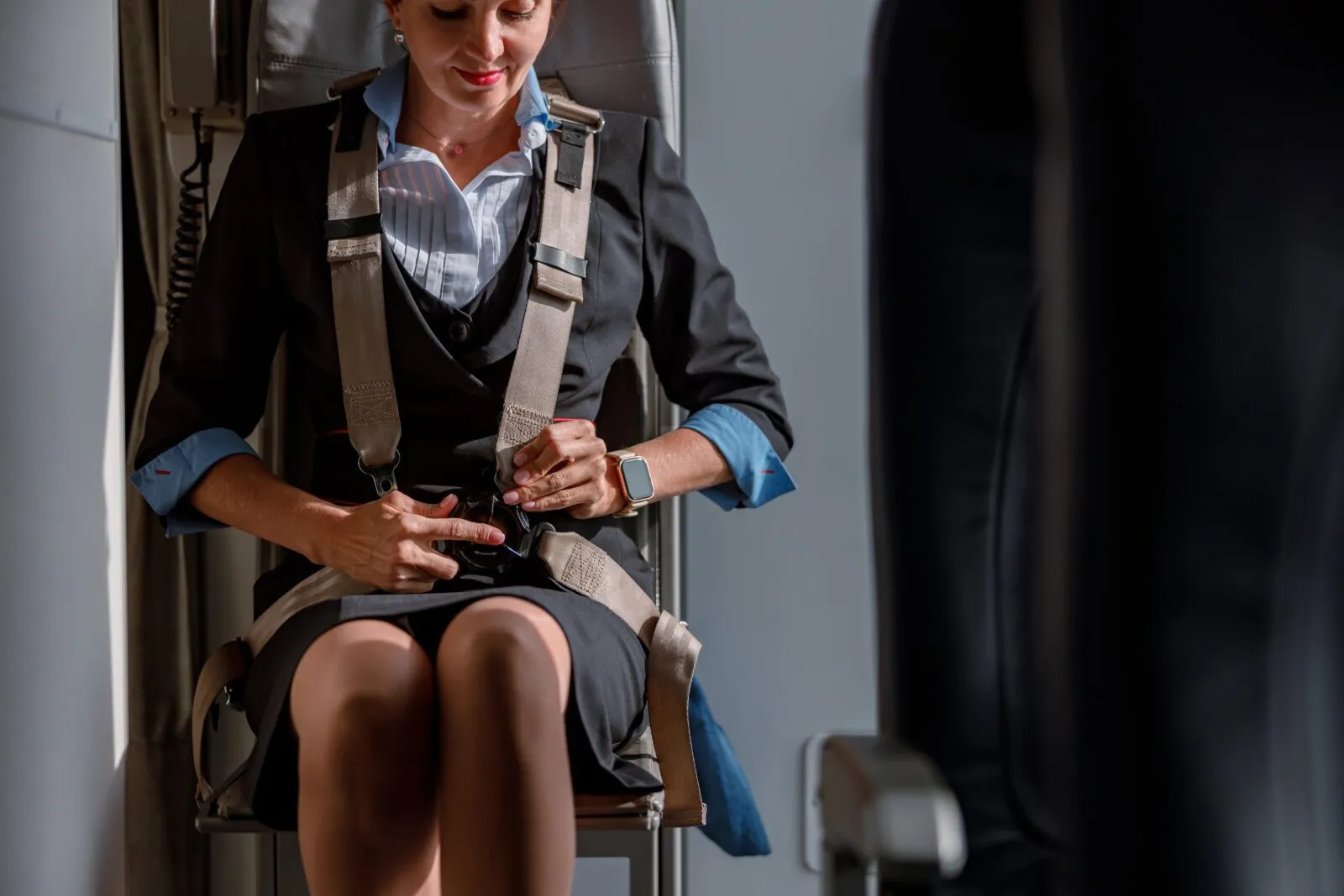
Operational readiness is another essential part of the boarding greeting. Flight attendants verify that carry-on items comply with airline policy and that no passenger boards in a confrontational state. Monitoring luggage size and behaviour reduces aisle congestion and prevents delays. This interaction also helps crews anticipate service needs.
Observing families, nervous flyers, and passengers with dietary restrictions allows cabin staff to plan meal and beverage service efficiently. They also assist travellers in locating seats, which reduces boarding time and supports an on-time departure.
These simple exchanges at the aircraft door form the foundation of cabin management. They combine safety checks, logistical organisation, and customer service into a single efficient process.
Bottom Line
Behind every friendly greeting at the aircraft entrance is a highly trained professional conducting essential safety, operational, and behavioural assessments.
These evaluations help ensure that the cabin is secure, passengers receive necessary support, and the flight operates smoothly from boarding to arrival.
Stay tuned with us. Further, follow us on social media for the latest updates.
Join us on Telegram Group for the Latest Aviation Updates. Subsequently, follow us on Google News
