


MONTREAL- An Air Canada (AC) passenger went viral after claiming she was served a six-month-expired in-flight meal while departing from Toronto Pearson Airport (YYZ). Her video focused on the date label printed on the packaging and was viewed by millions within hours.
The controversy began when the traveler assumed the date format followed US conventions instead of the common international day-month-year format used by Air Canada and catering suppliers at Toronto, which led her to believe the meal had expired months earlier.
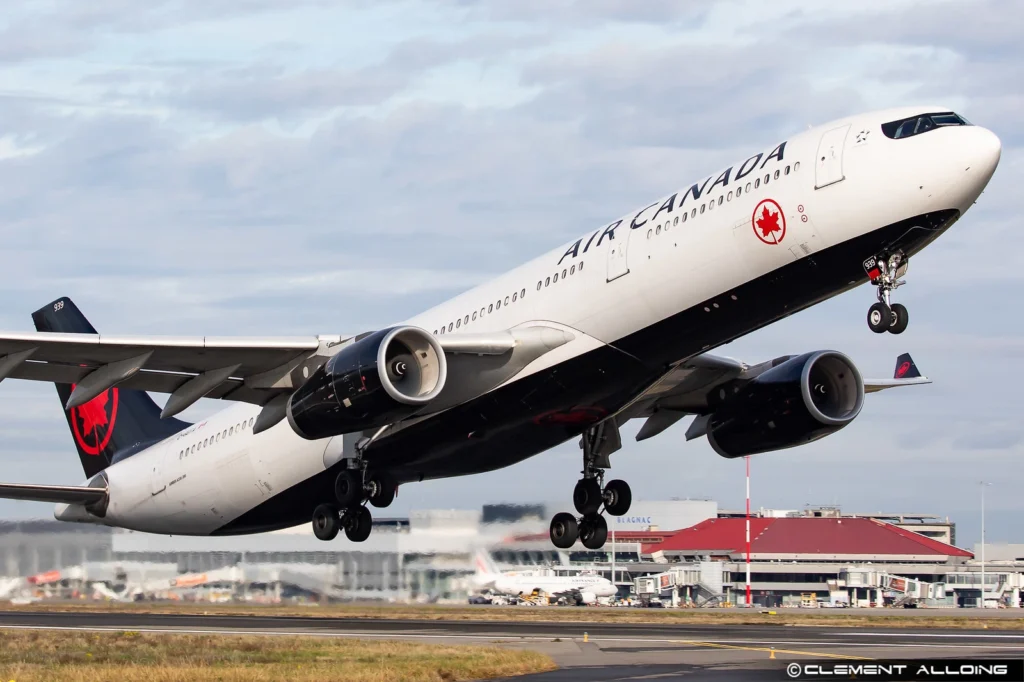
Air Canada Expired Food Date Format Error
The passenger filmed her meal and zoomed in on packaging labeled “05/11/2025” and “06/11/2025.” She interpreted “05/11” as May 11 instead of 5 November, concluding the meal had expired roughly 6 months before the flight.
The passenger posted the video confidently, millions watched it, and criticism toward the airline multiplied rapidly based on the false assumption.
She later questioned a flight attendant, who reportedly explained that in-flight meals may be frozen and stored for several months before service. Instead of reducing concern, this reinforced her belief that something was wrong.
The video continued spreading, further amplifying a narrative that the airline had distributed unsafe food even though the labeling aligned correctly with the week of the flight.
Reported by View from the Wing, the escalation was driven largely by unfamiliarity with international date formatting rather than actual food safety issues.
Similar Incidents
The incident recalled multiple genuine examples of outdated food in aviation. United Airlines (UA) has previously served expired meals, beginning in the early era of buy-on-board offerings.
In 2022, American Airlines (AA) provided pretzels produced before the pandemic. American Airlines also served curry meals that were 16 months old; the airline stated those were within industry norms, although it began working with vendors to bring production time down to 40-60 days.
Celebrity chef Nigella Lawson has noted that curries should not be frozen longer than three months, highlighting gaps between culinary best practice and aviation catering habits.
Before the pandemic, standard shelf-life policies varied across major US carriers: United (UA) permitted meals aged up to six months, Delta (DL) up to 12 months, and American (AA) up to 18 months.
Industry labeling mistakes have also occurred, including an easyJet sandwich marked with an expiration date nearly ten years earlier than its serving date, widely believed to be a printing error rather than intentional food aging.
Universal Travel and Date Format Awareness
The core issue did not center on food quality but on cultural expectations. Many global markets use the day-month-year format, and assuming that all countries follow US formatting can lead to misunderstandings.
International air travel brings diverse passengers with different conventions, and rapid reactions to viral posts can magnify confusion.
While printing months in full could lower the risk of misinterpretation for American travelers, the most practical takeaway is that passengers should understand global formatting differences rather than expect their domestic standard abroad.
Stay tuned with us. Further, follow us on social media for the latest updates.
Join us on Telegram Group for the Latest Aviation Updates. Subsequently, follow us on Google News
