

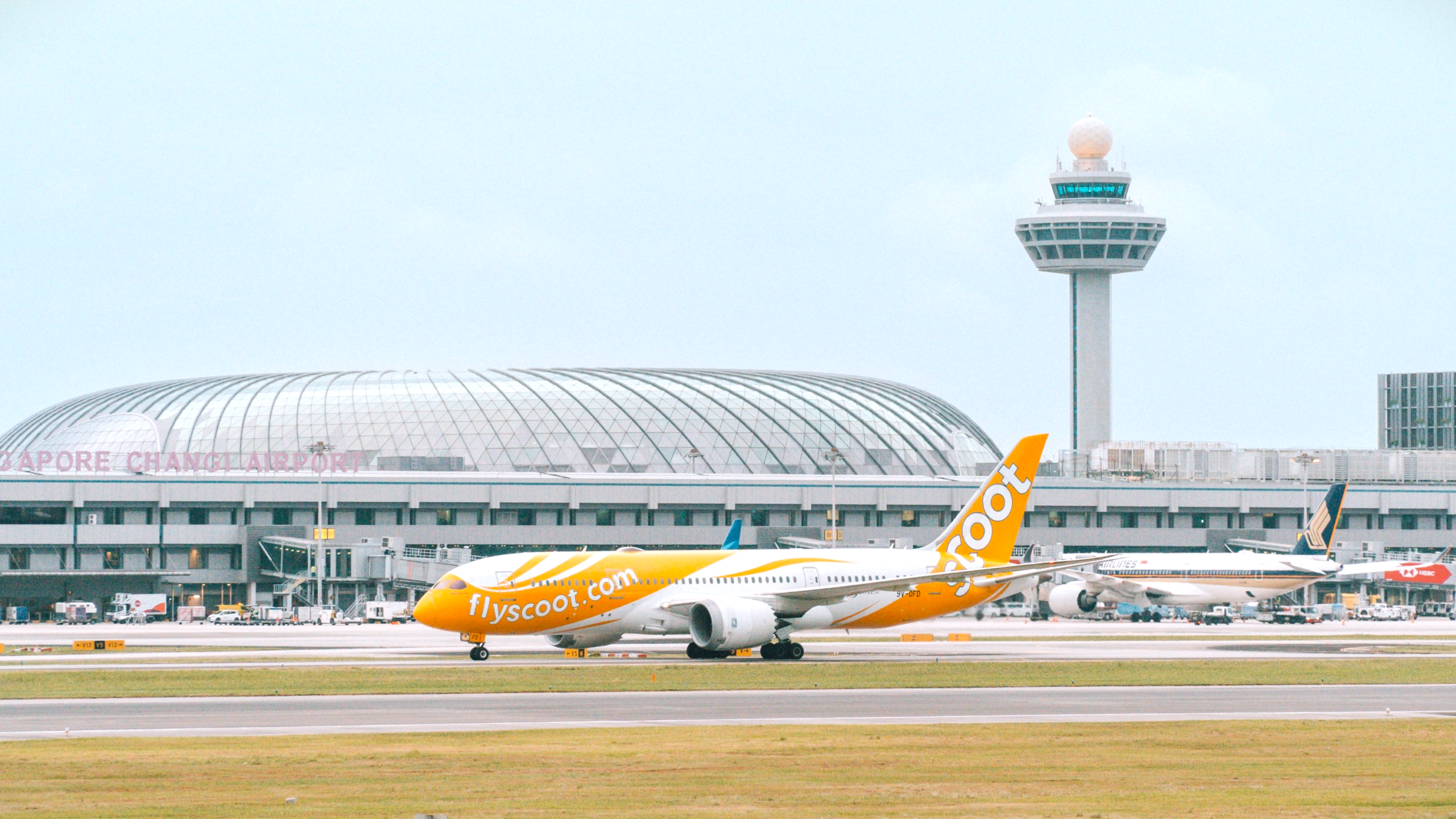
The growth of long-haul low-cost airlines has transformed the way people travel internationally, offering affordable options without sacrificing reliability.
These carriers make it possible for passengers to cross continents at a fraction of the cost of traditional full-service airlines, while still providing a level of comfort and flexibility suitable for extended journeys.
Best Long Haul Low-Cost Airlines 2025
In 2025, Skytrax recognised the top performers in this competitive sector, highlighting airlines that have struck the right balance between value, service, and efficiency.
From innovative Asian carriers to bold new transatlantic operators, these airlines are redefining budget-friendly long-haul flying for a global audience.
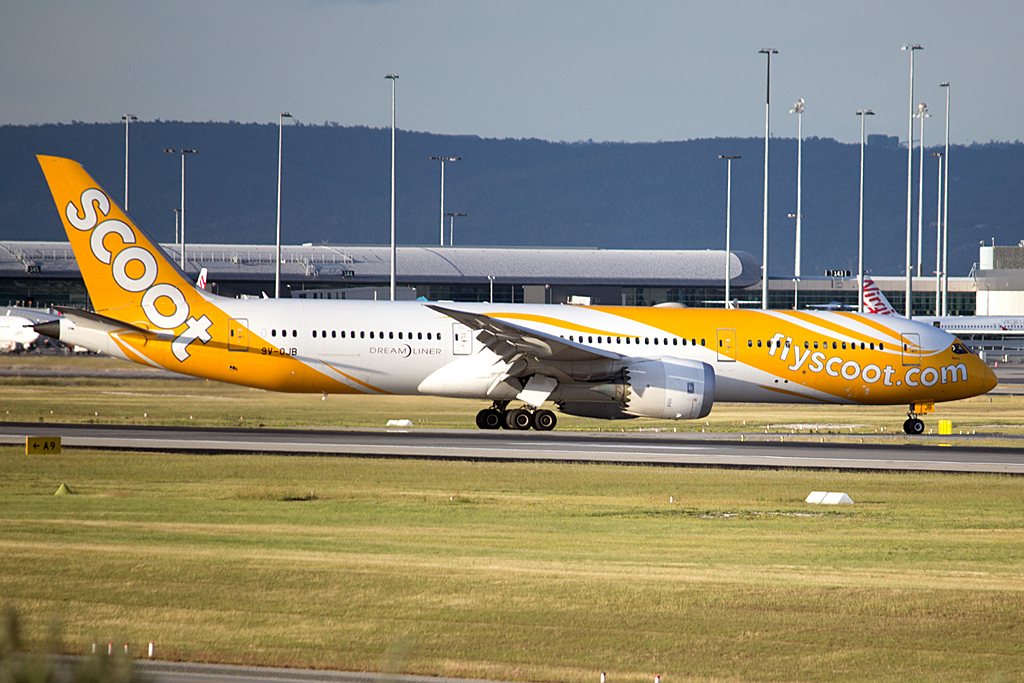
1. Scoot
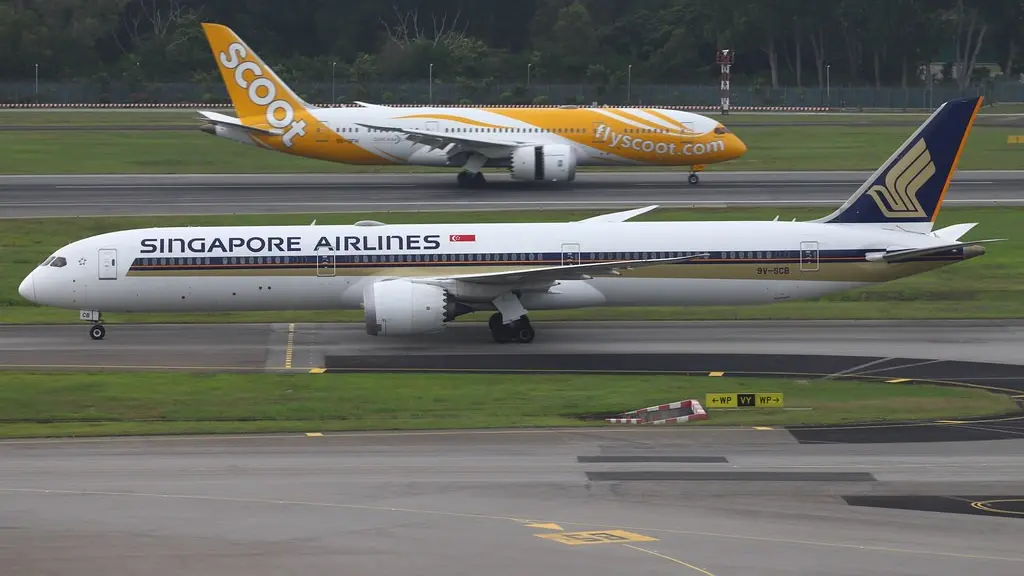
Scoot, the Singapore-based long-haul low-cost airline and a subsidiary of Singapore Airlines, has built a reputation for balancing affordability with reliability.
It connects Asia-Pacific with Europe, the Middle East, and Australia through its fleet of Boeing 787 Dreamliners and Airbus A320s. The airline stands out for its youthful branding, onboard energy, and competitive fares that make long-distance travel more accessible.
Passengers appreciate Scoot’s wide range of optional add-ons, including extra legroom seating, meals, Wi-Fi, and in-flight entertainment streamed to personal devices. The cabin experience is simple yet modern, appealing to leisure and budget-conscious travellers.
Its reliability, punctual operations, and ties to Singapore Airlines’ network provide reassurance, while its ability to deliver low-cost travel without cutting corners on safety or comfort has earned it the top spot in 2025.
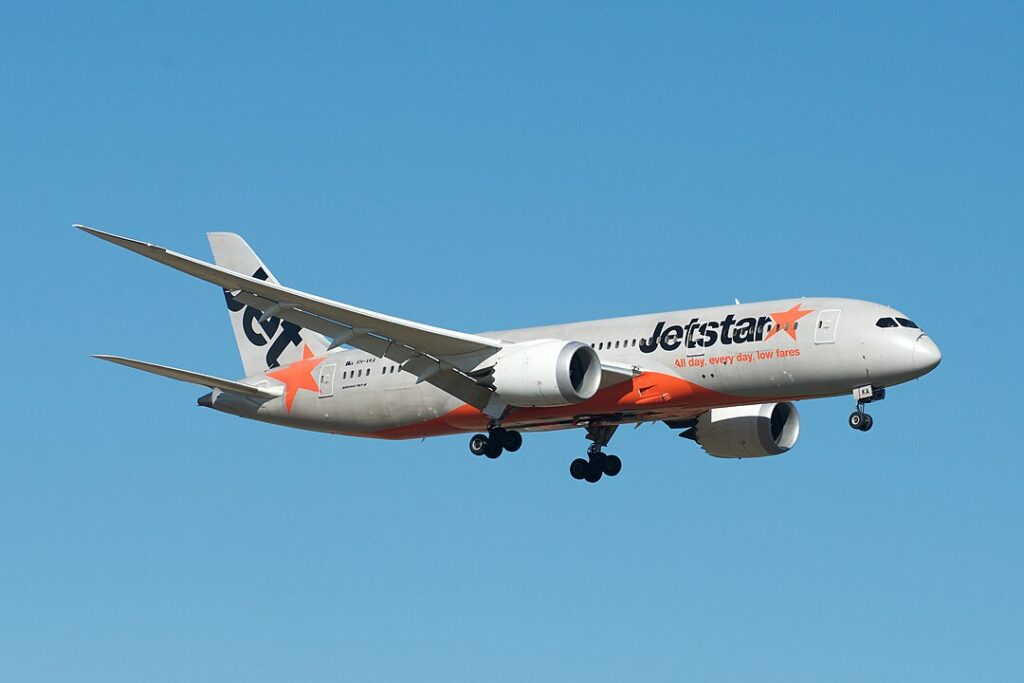
2. Jetstar Airways
Australia’s Jetstar Airways, a Qantas subsidiary, has long been recognised as one of the leaders in the long-haul low-cost space. Using its Boeing 787 Dreamliners, Jetstar connects Australia with Asia, Hawaii, and other key leisure destinations.
Its appeal lies in keeping fares affordable while offering flexibility through a choice of extras like checked baggage, onboard meals, entertainment options, and seat selection.
Jetstar’s straightforward model works well for both families and solo travellers seeking value without compromising on basic comfort. The airline benefits from the Qantas connection, giving travellers additional reassurance in terms of operational reliability and safety standards.
Its in-flight experience is practical, with efficient service and reasonably comfortable seating for long-haul journeys. Jetstar remains a strong option for Australians travelling abroad on a budget and continues to stand as a pioneer in the affordable long-haul travel market in 2025.
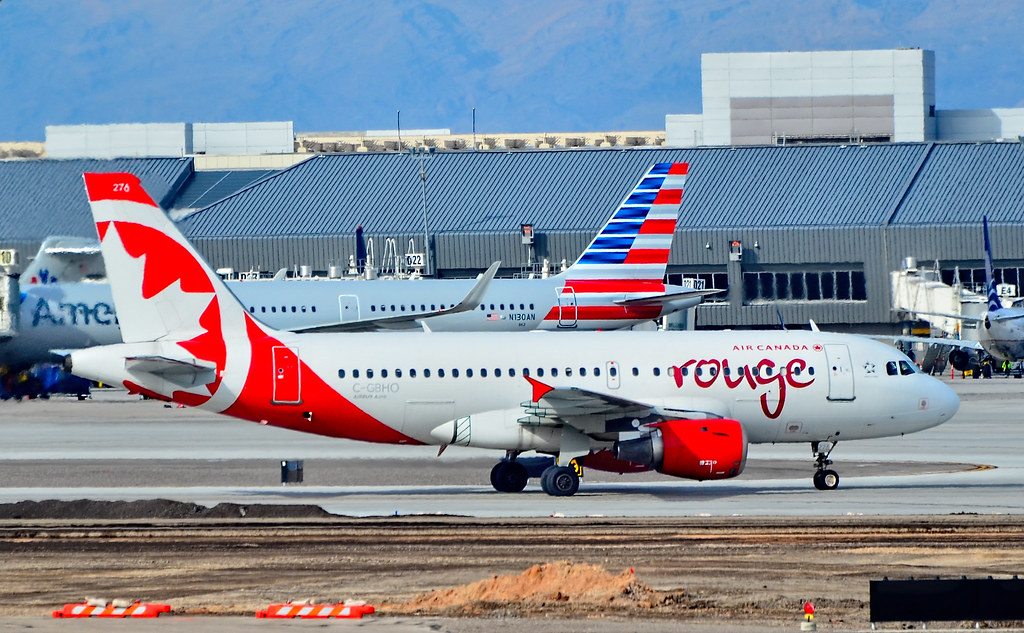
3. Air Canada Rouge
Air Canada Rouge, the leisure-oriented subsidiary of Air Canada, serves as the group’s low-cost option for long-haul routes across North America, Europe, and the Caribbean.
It targets holidaymakers who value affordability and straightforward service while still benefiting from the strong backbone of Air Canada’s extensive network.
The airline operates widebody aircraft on longer routes, with a simplified product focused on essential comfort at lower fares.
Travellers can opt to upgrade with meals, entertainment, or preferred seating, tailoring the journey to their needs. While its cabins are more basic than Air Canada’s mainline service, Rouge maintains a clear balance between low-cost efficiency and reliable transatlantic connections.
The airline’s integration with Air Canada’s loyalty programme adds further value for frequent travellers. By focusing on leisure markets, Air Canada rouge has carved out a solid position in 2025 as one of the most dependable long-haul budget carriers.
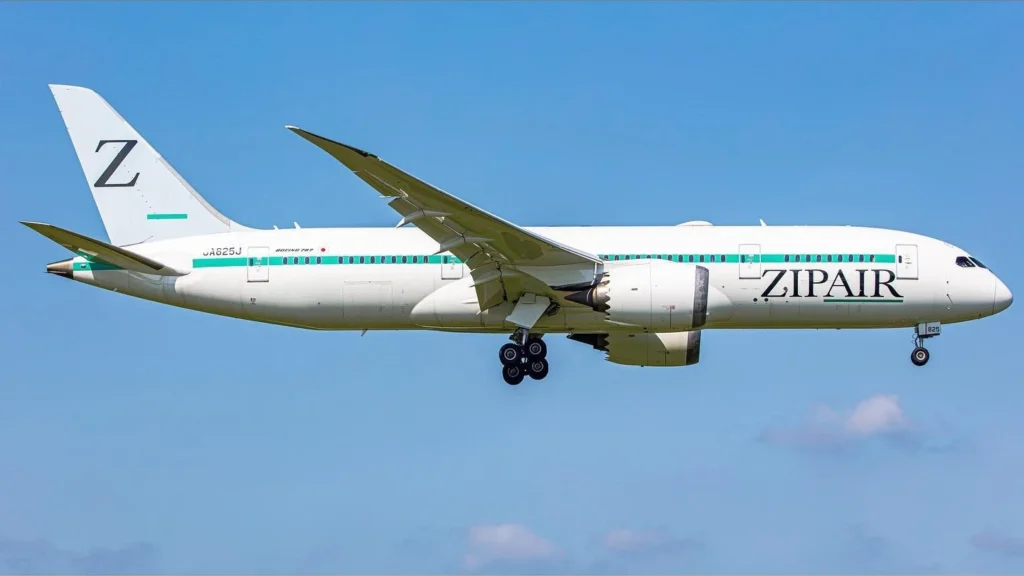
4. ZIPAIR
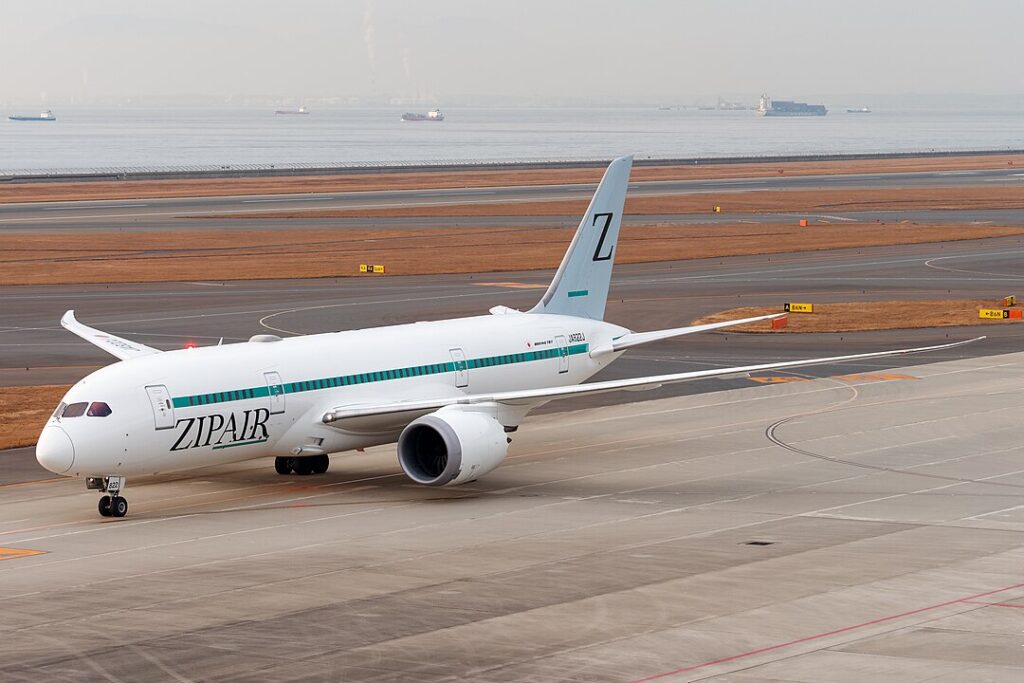
ZIPAIR, a wholly owned subsidiary of Japan Airlines, has emerged as a strong competitor in the long-haul low-cost sector. Operating primarily out of Tokyo Narita, ZIPAIR connects Japan with destinations across Asia, North America, and beyond, using a fleet of Boeing 787 aircraft.
Unlike many budget carriers, ZIPAIR takes a more modern and digital approach to travel. It offers cashless onboard services, fully flat seating options on some routes, and a pay-for-what-you-need model. T
he cabins are minimalist but designed with comfort in mind, appealing to both business and leisure passengers looking for affordable fares without giving up too much in terms of convenience.
With JAL’s backing, ZIPAIR benefits from a strong reputation for safety and reliability, while its innovation-driven model keeps costs competitive. By 2025, it will have firmly established itself as one of the most forward-thinking and efficient low-cost airlines for long-haul journeys.
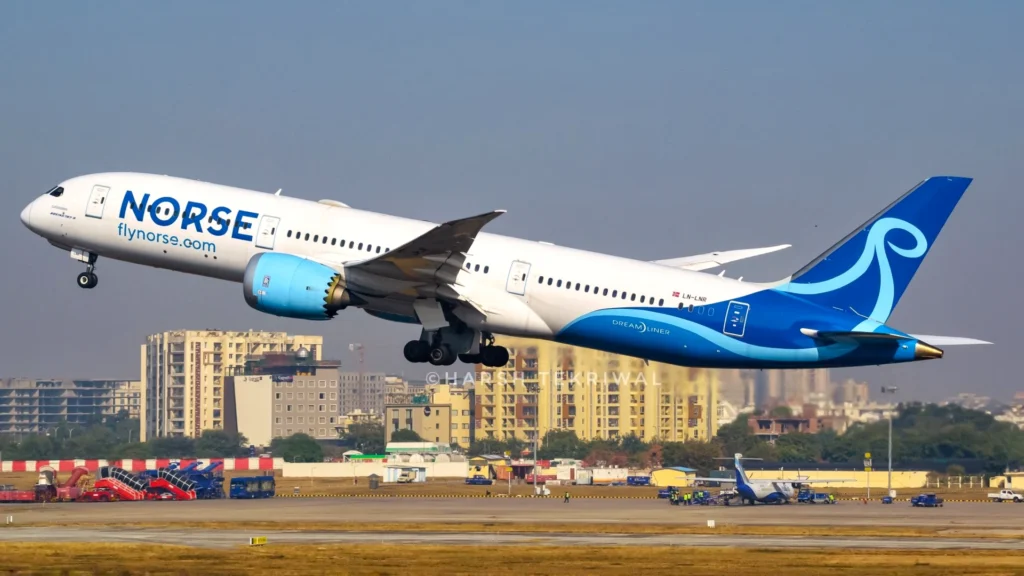
5. Norse Atlantic Airways
Norse Atlantic Airways, based in Norway, has positioned itself as a fresh player in long-haul budget travel, particularly across transatlantic routes. Using modern Boeing 787 Dreamliners, the airline offers affordable direct connections between Europe and North America, targeting travellers who want to cross the Atlantic without the hefty fares of legacy carriers.
Norse focuses on efficiency, offering stripped-back base fares with options to add meals, luggage, and seat selection.
The cabins, while simple, are comfortable for the price point, with decent legroom and modern design. Its sustainability efforts, such as fuel-efficient operations, also appeal to environmentally aware travellers.
Though still relatively young, Norse has quickly gained attention for combining competitive pricing with a professional service backed by experienced leadership.
By the end of 2025, it will have become a strong alternative for cost-conscious passengers seeking reliable and straightforward transatlantic flights.
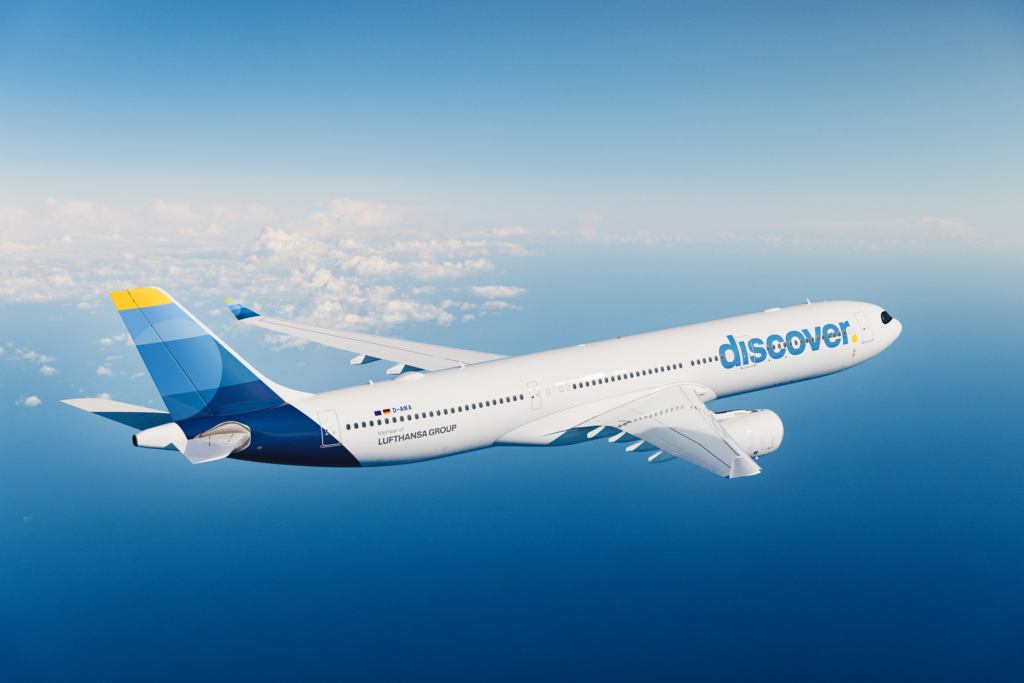
6. Discover Airlines
Discover Airlines, Lufthansa Group’s leisure-focused subsidiary, has steadily grown its reputation in the long-haul low-cost market. Operating primarily from Germany, Discover caters to holidaymakers flying to destinations across the Americas, Africa, and Asia.
The airline uses modern widebody aircraft with a service model centred on simplicity and affordability.
Passengers can customise their journey with extras such as checked baggage, onboard meals, or seat upgrades, making the airline a flexible option for different budgets.
As part of the Lufthansa Group, Discover benefits from established safety standards and operational reliability, reassuring passengers even at lower price points. Its cabins are straightforward but functional, offering a practical balance between comfort and cost.
By targeting the leisure market specifically, Discover Airlines has created a niche for itself in 2025, serving as a dependable choice for travellers seeking low-cost long-haul connections out of Europe.

7. LEVEL
LEVEL, part of the International Airlines Group (IAG), has established itself as a competitive long-haul low-cost carrier with bases in Spain and France. Its operations focus mainly on connecting Europe with the Americas at attractive fares.
LEVEL uses Airbus A330 aircraft to provide a streamlined but modern cabin experience, with affordable seat-only tickets and a wide selection of add-ons.
This flexibility allows passengers to tailor their trip, whether opting for a bare-bones journey or adding extras such as meals, entertainment, and checked baggage. The airline’s branding is youthful and geared towards leisure travellers who prioritise affordability but still want a dependable product.
Being under the IAG umbrella also lends credibility and operational support. By 2025, LEVEL continues to be a strong player in Europe’s long-haul low-cost segment, combining competitive transatlantic fares with simple yet practical service.
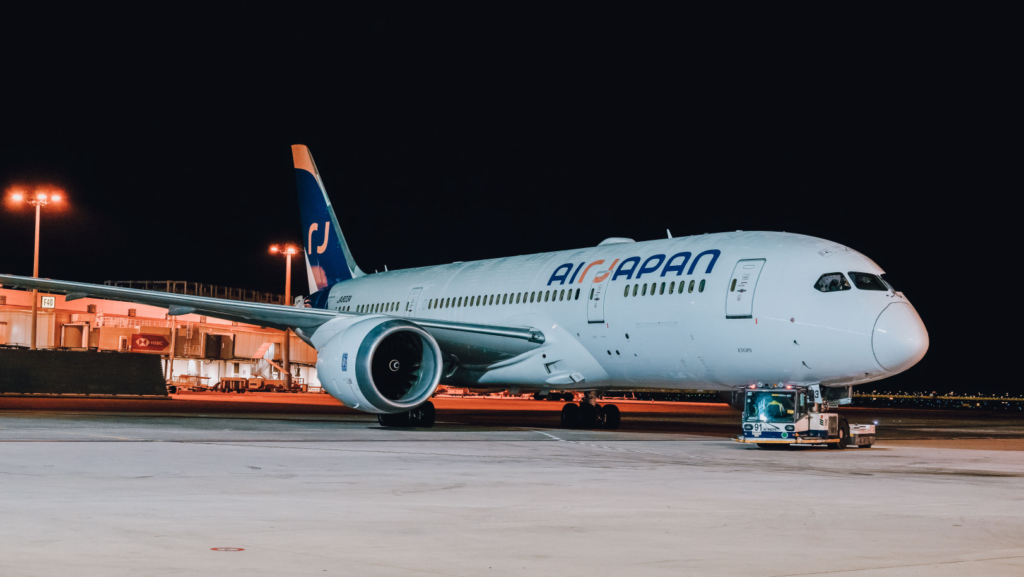
8. Air Japan
Air Japan, a subsidiary of ANA (All Nippon Airways), has entered the long-haul low-cost space with a distinctly Japanese approach. Based in Tokyo Narita, it aims to offer budget-friendly international travel while maintaining a focus on hospitality and reliability.
Using Boeing 787 aircraft, Air Japan operates routes across Asia and to long-haul destinations, targeting both leisure and price-conscious travellers. Its cabin product is simplified, with essentials included and optional services available for purchase, ensuring flexibility.
Passengers benefit from ANA’s reputation for operational excellence, even though the service is more minimalistic than the parent airline.
The interiors are modern and functional, with a calm atmosphere suited to longer flights. Air Japan represents a growing segment of Japanese carriers branching into low-cost long-haul operations, and in 2025, it stands out for balancing affordability with the quality that travellers expect from Japanese airlines.
Note: In November, ANA decided to merge AirJapan under the ANA brand.
9. Cebu Pacific
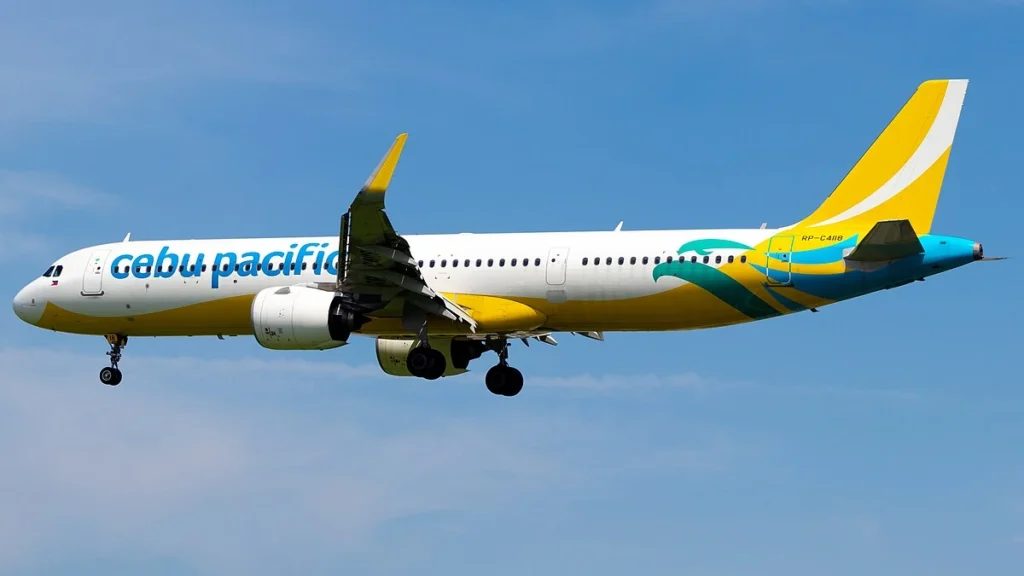
Cebu Pacific, based in the Philippines, has steadily expanded into the long-haul low-cost market, operating widebody Airbus A330 aircraft alongside its extensive short-haul network. Known primarily for serving the domestic and regional market, Cebu Pacific’s long-haul offering targets destinations across the Middle East, Asia, and Australia at very competitive fares.
The airline’s product is simple, with low base prices that can be enhanced by adding meals, baggage, and seat selection.
For longer flights, Cebu Pacific focuses on affordability rather than frills, appealing particularly to migrant workers, families, and budget travellers. Its cabins are dense but efficient, ensuring maximum capacity while keeping ticket prices low.
With a no-nonsense approach, Cebu Pacific has become a reliable option for long-haul travellers seeking the lowest possible fares in 2025, cementing its role as the Philippines’ leading low-cost carrier on international routes.

10. French Bee
French Bee, based in Paris Orly, has carved a strong position in the long-haul low-cost segment with a focus on connecting France to leisure destinations in the Americas and the Indian Ocean.
Operating Airbus A350 aircraft, the airline offers affordable fares with a fresh, modern image. French Bee’s cabins are bright and comfortable for the low-cost category, with options for extra legroom seating and in-flight Wi-Fi.
Its service model revolves around efficiency, offering basic fares with plenty of optional extras, allowing passengers to customise their travel experience. French Bee appeals mainly to leisure travellers and families who want to cross the Atlantic or travel long distances without overspending.
By 2025, the airline will have strengthened its reputation for reliability, affordability, and an appealing onboard product, making it one of the top names in the long-haul low-cost airline market worldwide.
Botton Line
Long-haul low-cost airlines have carved out a vital role in modern aviation, giving travellers greater freedom to explore the world without stretching their budgets.
The airlines in this year’s Skytrax ranking have each proven that affordability does not have to mean compromise, whether through clever service models, modern fleets, or dependable operations.
As demand for accessible international travel continues to rise, these carriers are setting the standard for low-cost long-haul journeys in 2025 and beyond.
FAQs
This category has been ranked by Skytrax, the world’s most prominent aviation rating program.
Asian airlines feature most time in this list, including three of the top five.
Airlines were ranked on the basis of on-time performance, seating and pricing, service models, modern fleets, and dependable operations.
Stay tuned with us. Further, follow us on social media for the latest updates.
Join us on Telegram Group for the Latest Aviation Updates. Subsequently, follow us on Google News
