

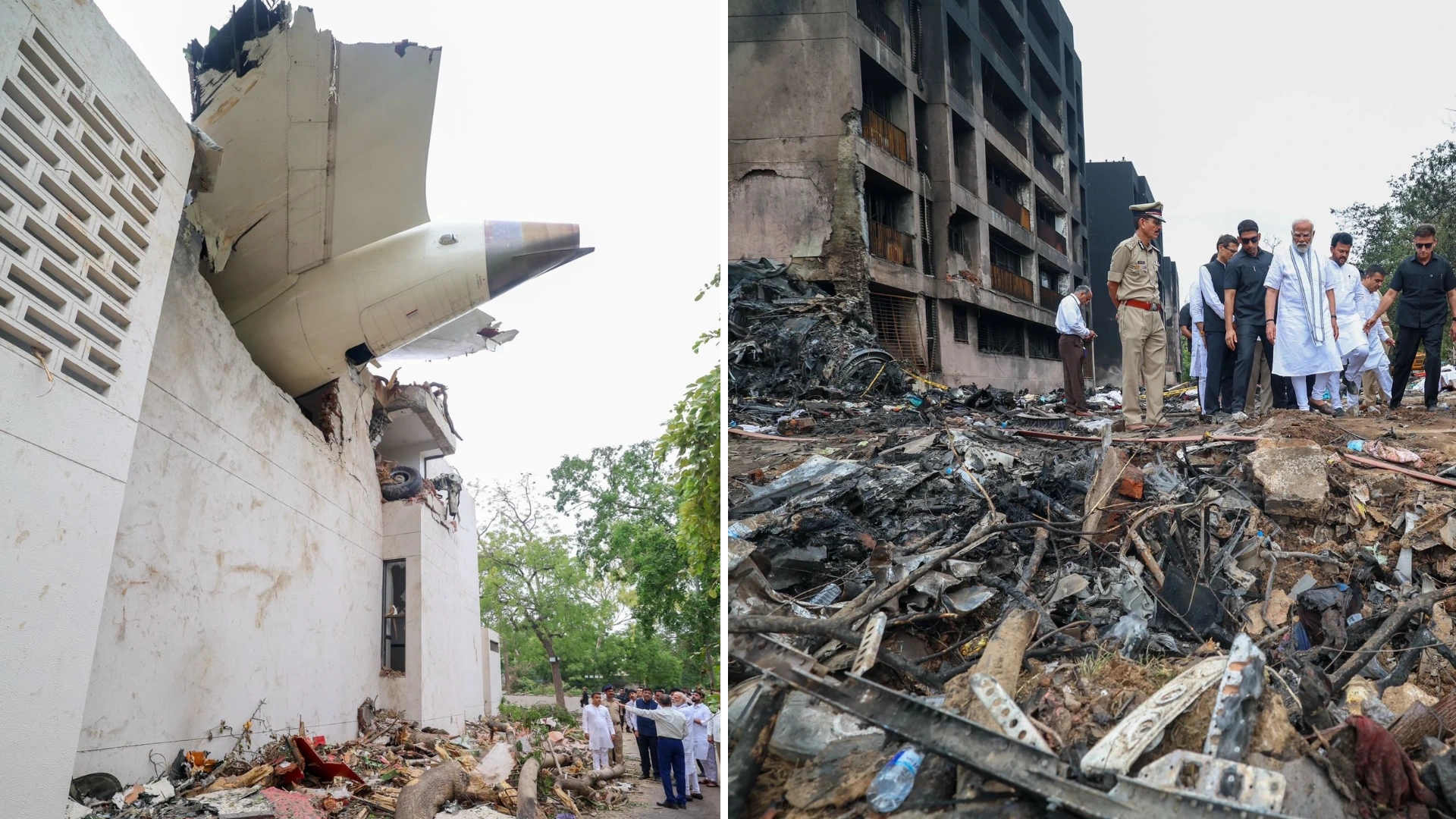
NEW DELHI- On 7 November 2025, the Supreme Court of India addressed the petition filed by the father of the late pilot of Air India Flight AI 171. The flight, operated by Air India (AI) and departing from Ahmedabad Airport (AMD) to London Heathrow(LHR), crashed on 12 June 2025, killing over 250 people.
The Court made clear that the preliminary investigation by the Aircraft Accident Investigation Bureau (AAIB) does not suggest any culpability on the part of the pilot‑in‑command, reassuring the pilot’s family.

Supreme Court Gets Petition
The AAIB’s initial report noted that shortly after take‑off from Ahmedabad, the flight’s two engine fuel‑control switches moved from “RUN” to “CUTOFF” almost simultaneously.
The Court emphasised that while this data is part of the factual record, the report does not attribute those actions to deliberate pilot error. According to the accident report:
In the cockpit voice recording, one of the pilots is heard asking the other why did he cutoff. The other pilot responded that he did not do so…..At about 8:09:05 UTC, one of the pilots transmitted “MAYDAY MAYDAY MAYDAY”. The
ATCO enquired about the call sign. ATCO did not get any response but observed the aircraft crashing outside the airport boundary
The hearing of 7 November issued notices to the Centre and the Directorate General of Civil Aviation (DGCA) setting a further date of 10 November to decide whether a judicially monitored independent inquiry should be convened.
Pilot Liability and Public Perception
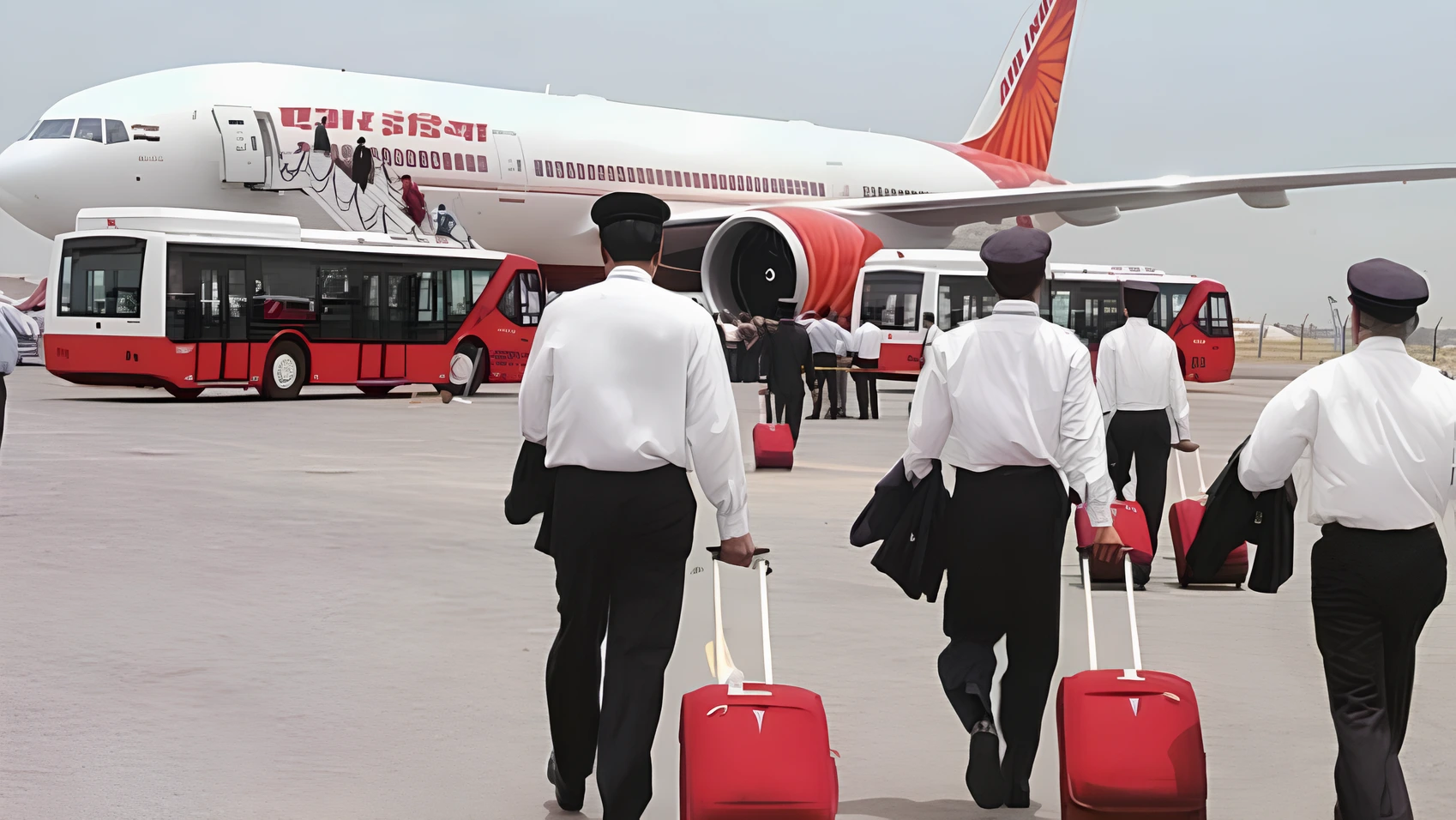
Addressing the petitioner — the 91‑year‑old father of the deceased commander — the bench said:
It’s extremely unfortunate this crash occurred, but you should not carry this burden that your son is being blamed. Nobody can blame him for anything.
One judge added:
There is no insinuation against him in the report… We are a country of 142 crore people and none of them believe the blame has to go to the pilot.
The Court also dismissed foreign media stories that alleged deliberate action by the pilot, calling the reporting “nasty” and stressing that Indian investigation frameworks—not external press commentary—govern the process.
Legal Framework and Implications
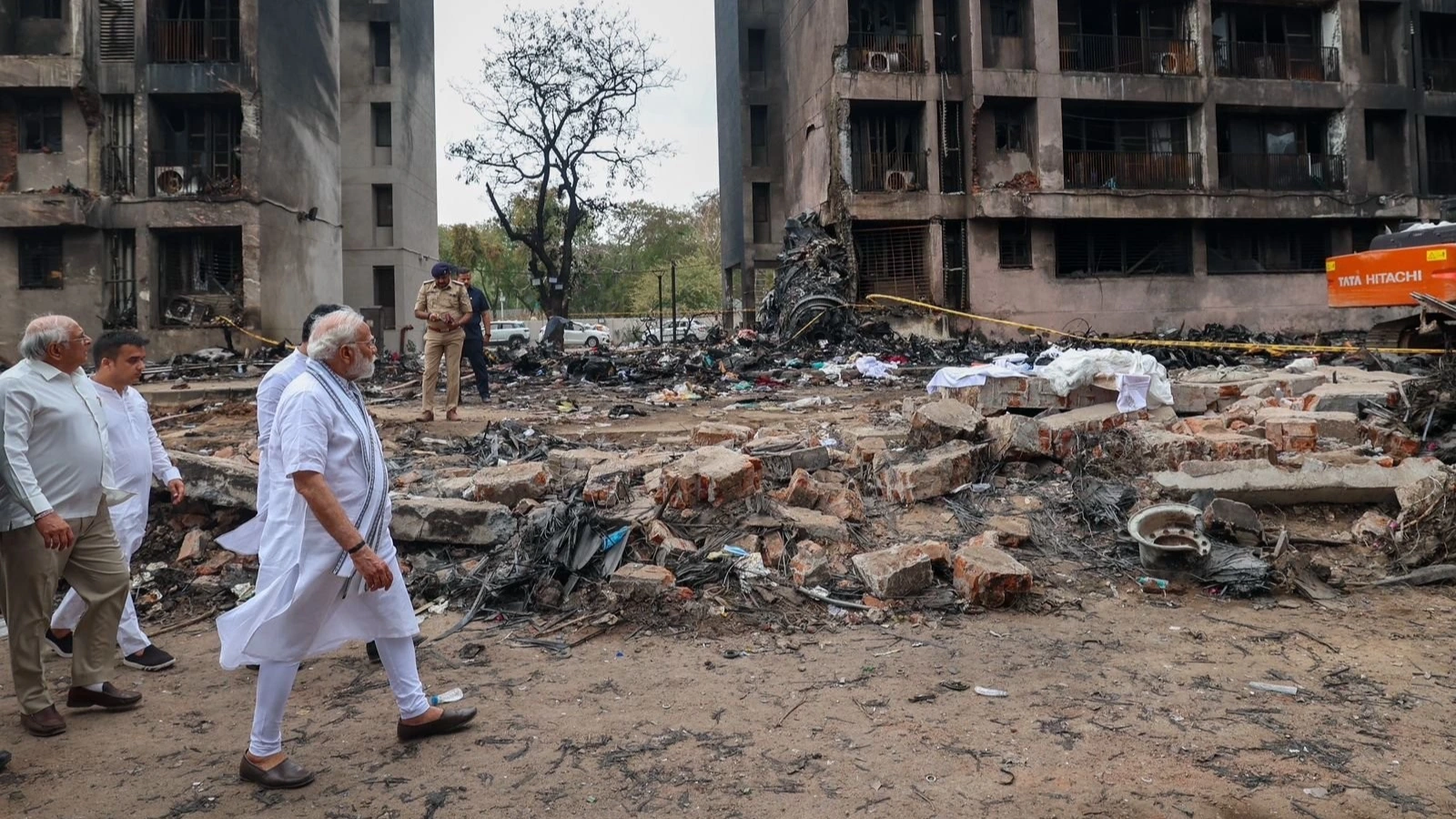
Under India’s Aircraft (Investigation of Accidents and Incidents) Rules, 2017, the AAIB leads the probe and may proceed to invite a court‑monitored review under Rule 12 if circumstances demand an “independent inquiry”.
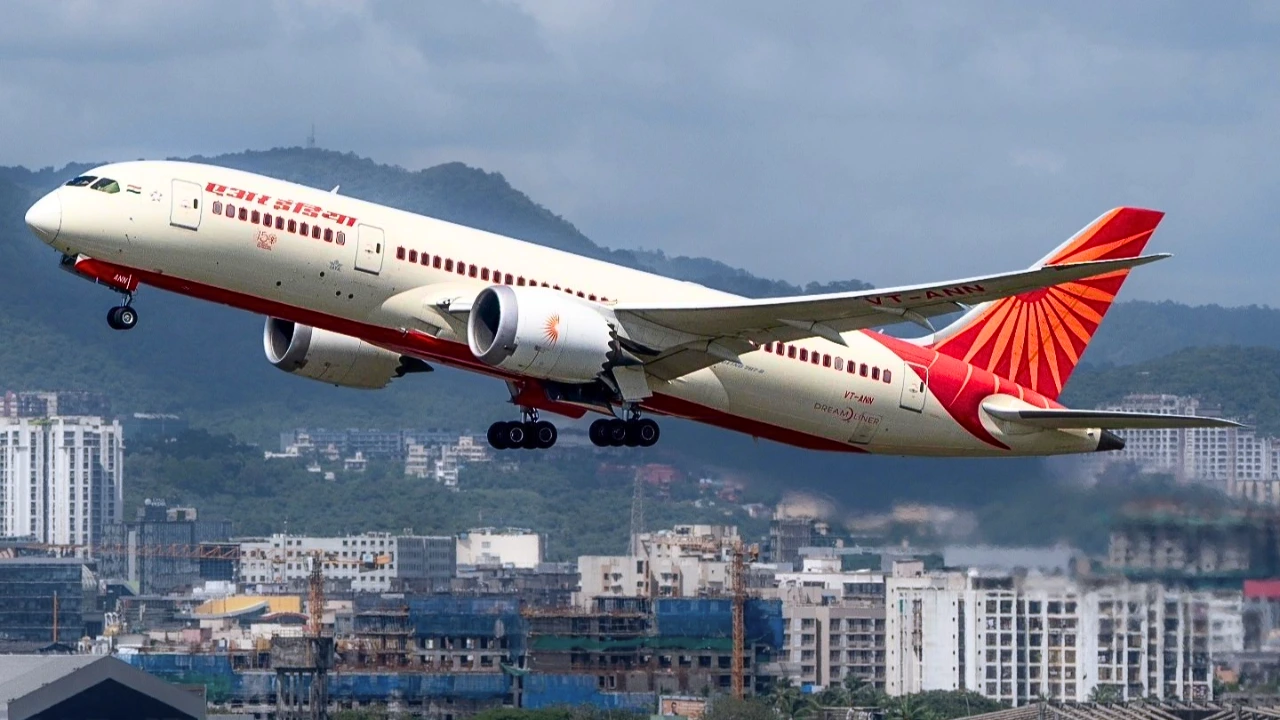
The petitioner and the Federation of Indian Pilots argue that factors such as alleged system failures on the Boeing 787‑8 must be explored beyond what they describe as the current probe’s narrow focus.
The Supreme Court signalled that any challenge to the investigation process must contend with the statutory framework—essentially notifying that the petitioners must challenge the rules themselves if they contest the agency’s structure.
Bottom Line
The Supreme Court’s unequivocal statement that the preliminary report does not insinuate fault by the pilot marks a critical intervention at the intersection of aviation safety, public perception, and regulatory accountability.
As the hearing moves ahead, the core question will be whether the investigation deepens its technical exploration rather than channel the narrative toward human error alone.
Stay tuned with us. Further, follow us on social media for the latest updates.
Join us on Telegram Group for the Latest Aviation Updates. Subsequently, follow us on Google News
