

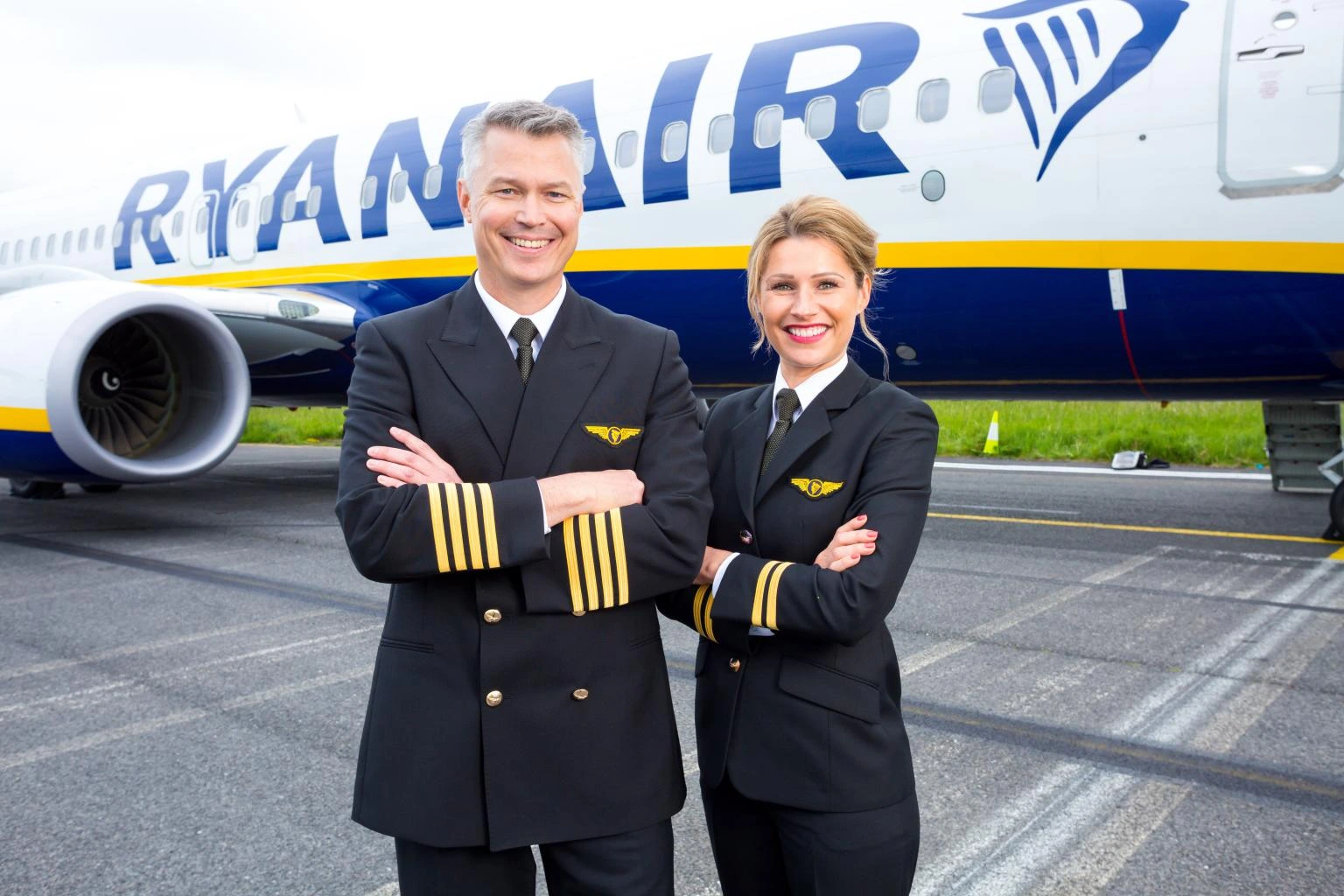
DUBLIN- Ryanair (FR) is fast-tracking pilot recruitment over the next three years as it prepares for the arrival of its first Boeing 737 MAX 10s in spring 2027. The airline is taking this step to ensure sufficient flight crew availability once Boeing (BA) completes certification and begins deliveries.
Boeing expects the 737 MAX 10 to receive certification by mid-2026, aligning with Ryanair’s planned delivery schedule for the first 15 aircraft. The carrier’s strategy aims to balance operational readiness with fleet expansion across its European network, anchored by its primary base at Dublin Airport (DUB).
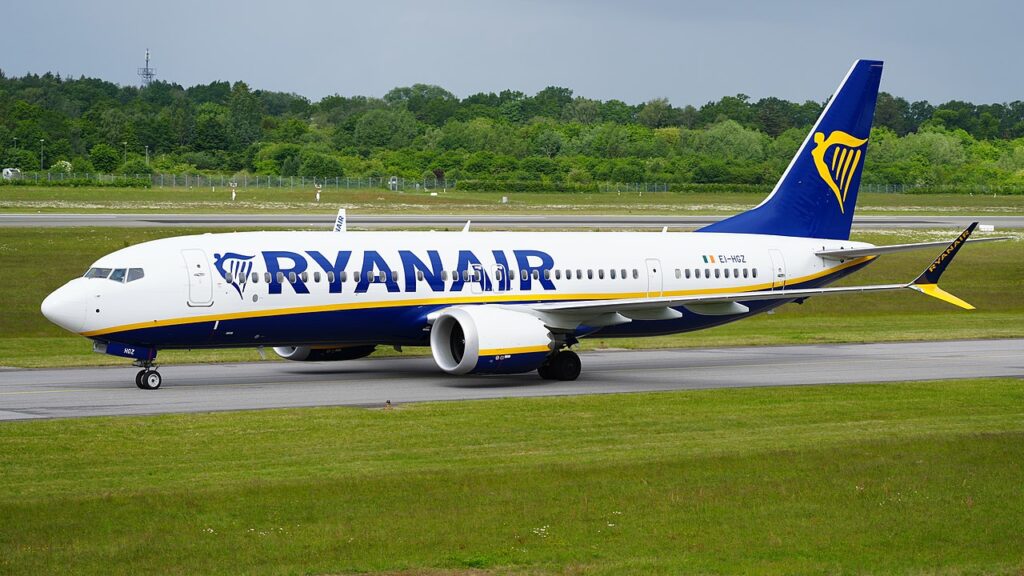
Ryanair Hiring Pilots for 737 MAX 10s
Ryanair confirmed that it will invest around €25 million ($29 million) annually in pilot recruitment and training. The focus is on accelerating cadet and first officer intake to build a strong internal pipeline of crew ready for captaincy roles as more MAX 10s join the fleet between 2028 and 2030, FlightGlobal reported.
The airline noted that this initiative will temporarily raise first officer crewing ratios but provide long-term stability once deliveries ramp up. The approach also supports Ryanair’s policy of developing “home-grown” talent rather than relying heavily on external hiring.
Boeing’s improved production timeline has reassured Ryanair that it can meet delivery targets. The airline is nearing completion of its large order for 210 Boeing 737 MAX 8-200s, with the final six aircraft expected to arrive well ahead of the 2026 summer season.
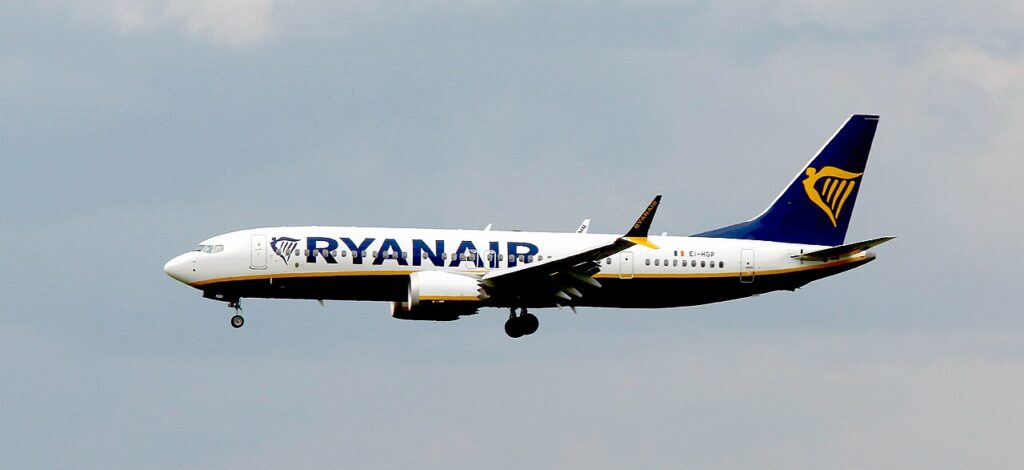
Current Fleet and Operational Strength
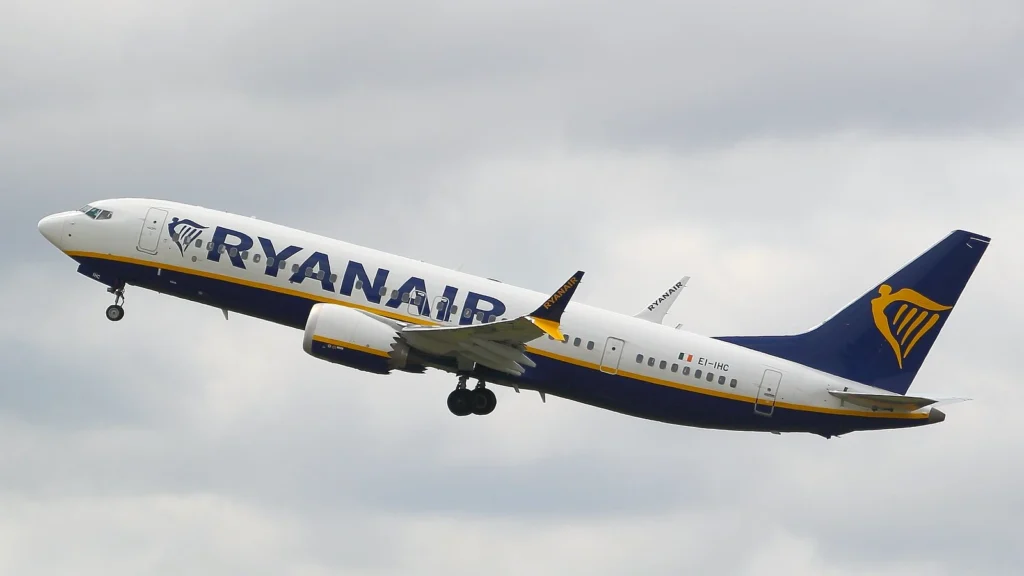
During the first half of the year, Ryanair received 23 Boeing 737 MAX 8-200s, bringing its total fleet of this type to 204 out of 641 aircraft. The budget carrier continues to streamline its operations around these fuel-efficient jets to reduce operating costs and environmental impact.
Ryanair also reported that half of the 30 CFM International LEAP-1B engines ordered for operational resilience had been delivered by the end of September. This move ensures better flexibility in aircraft maintenance and availability during peak periods.
Strong passenger demand and earlier-than-expected aircraft deliveries have prompted Ryanair to revise its annual forecast upward. The airline now expects to carry around 207 million passengers for the full year, reflecting steady growth in post-pandemic travel recovery across its network.
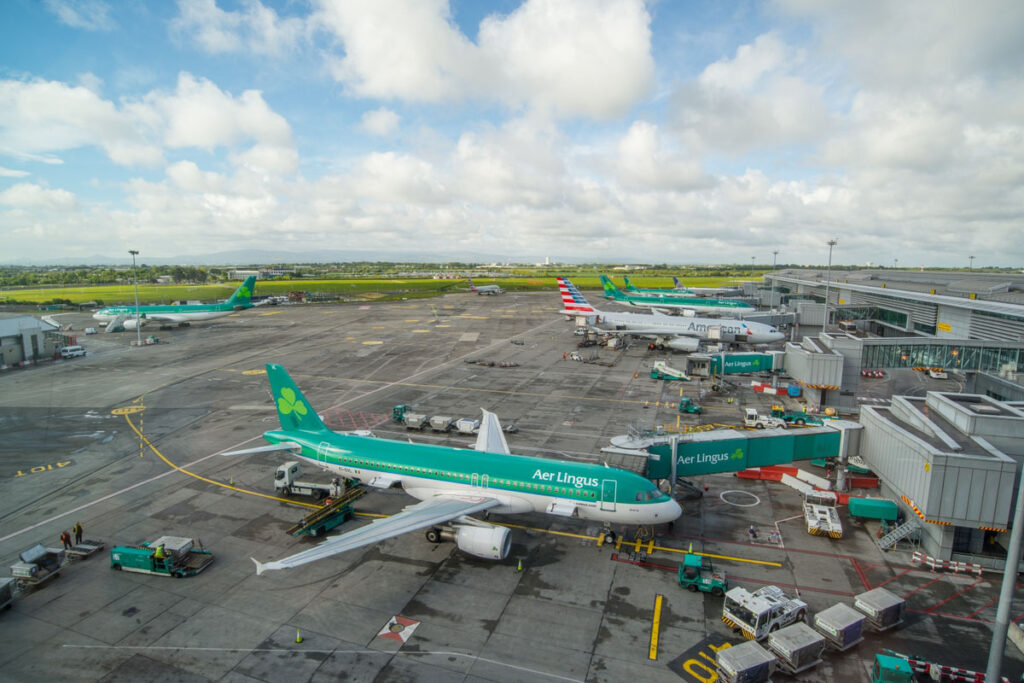
Ryanair Cuts Fares at Dublin Airport
Ryanair will increase capacity and lower fares at Dublin Airport (DUB) this Christmas following the suspension of the airport’s passenger cap. The move, announced by Group Chief Executive Michael O’Leary, comes as the airline positions new aircraft at Shannon (SNN) and Cork (ORK) Airports for the winter season.
O’Leary said the airline’s short-term boost is positive news for families and travel demand, but warned that a long-term solution to the cap issue is essential to sustain growth through 2026 and beyond.
Ryanair’s current expansion is supported by a temporary suspension of Dublin Airport’s passenger cap, following a High Court case brought jointly by Ryanair and Aer Lingus (EI).
While the suspension allows for increased operations during winter, O’Leary stressed that it does not give the airline sufficient certainty to plan for next summer’s schedules.
The legal process has now reached the European Court of Justice, leaving airlines in limbo until a final ruling is made. According to O’Leary, the ongoing uncertainty risks limiting not only Ryanair’s short-haul growth but also affecting long-haul carriers that rely on Dublin as Ireland’s main international gateway.
Government plans to remove the cap were included in the Programme for Government, and preliminary work on legislation has begun. O’Leary urged immediate implementation, arguing that prolonged delays hurt Ireland’s aviation competitiveness.
Performance and Network Adjustments
The airline reported a net profit of €2.54 billion for the six months ending in September, up 42% from the same period last year. Revenue climbed 13% to €9.82 billion, driven by strong summer demand and fare increases averaging 13%. Ancillary revenues, including add-ons like seat selection and baggage, rose 6% to €2.91 billion.
Ryanair has raised its full-year passenger forecast to 207 million, citing early Boeing 737 MAX 8 deliveries that allowed additional capacity this quarter. The airline expects to receive six remaining aircraft by February, ensuring a full operational fleet for summer 2025.
Ryanair has reduced capacity in markets like Germany and Spain due to high aviation taxes, redirecting growth to more supportive regions. O’Leary highlighted Italy, Sweden, and Albania as examples where the abolition of environmental taxes has encouraged new routes and bases.
He reiterated criticism of Europe’s Emissions Trading Scheme, which applies only to intra-European flights. O’Leary argued that this policy gives long-haul competitors an unfair advantage and urged policymakers to reform the system to protect European airline competitiveness.
O’Leary also called for stronger measures against drone activity near airports, advocating immediate action to prevent disruptions. His remarks followed several incidents across Europe where drone sightings temporarily shut down airport operations. “It’s simple,” he said. “You see a drone over an airport, you shoot it down.”
Stay tuned with us. Further, follow us on social media for the latest updates.
Join us on Telegram Group for the Latest Aviation Updates. Subsequently, follow us on Google News
