

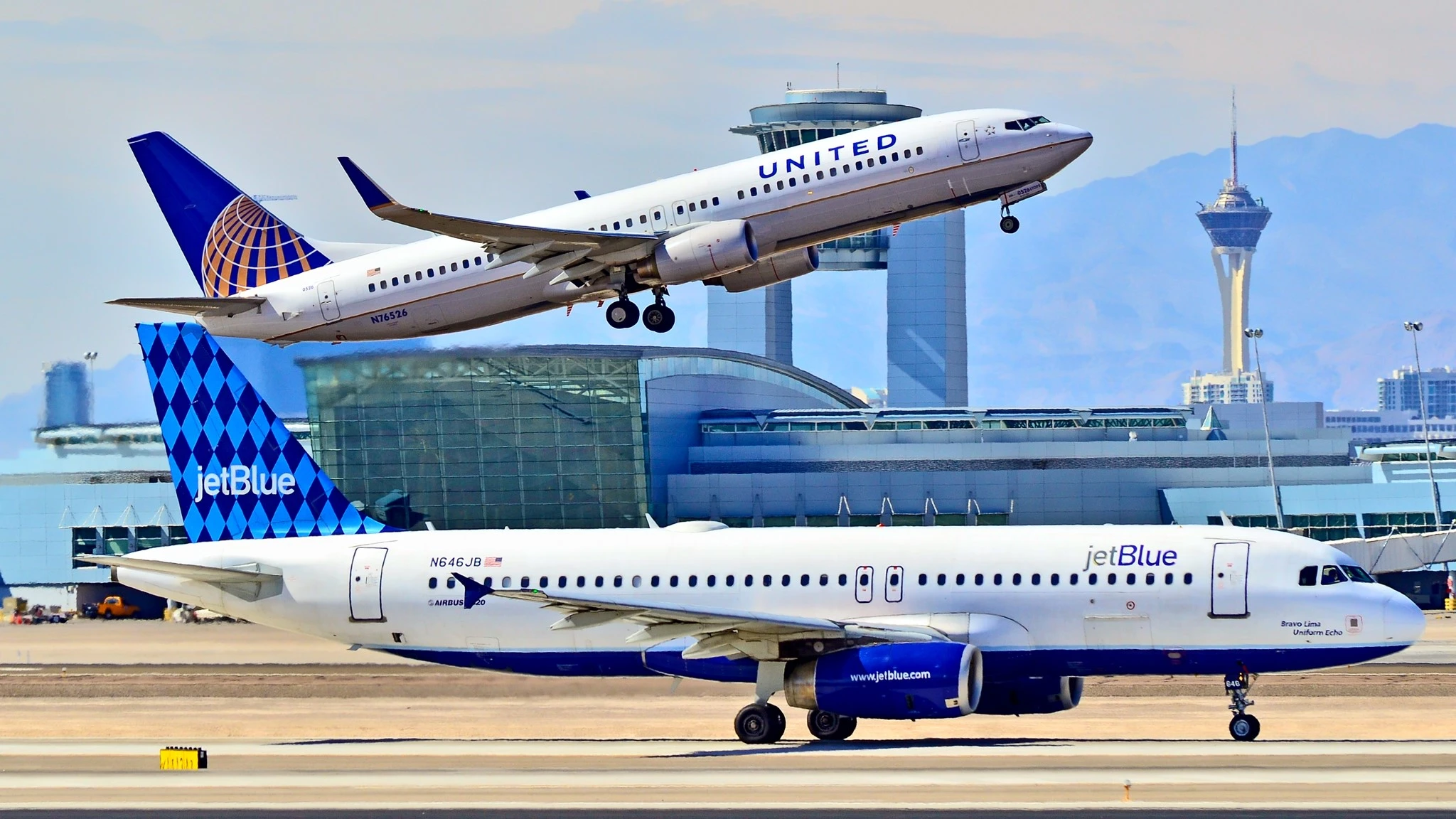
CHICAGO— United Airlines (UA) CEO Scott Kirby appeared at the White House alongside Vice President JD Vance and Secretary of Transportation Sean Duffy, voicing strong support for reopening the U.S. government without conditions. His remarks positioned United’s leadership as aligned with the Trump administration’s stance on economic stability and aviation continuity.
Speaking from Washington D.C. (DCA), Kirby emphasized the strain on air traffic control and the airline industry amid the prolonged government shutdown. His call for a “clean continuing resolution” echoed a broader appeal for bipartisan cooperation—while quietly signaling United’s longer-term ambitions within the U.S. aviation landscape.
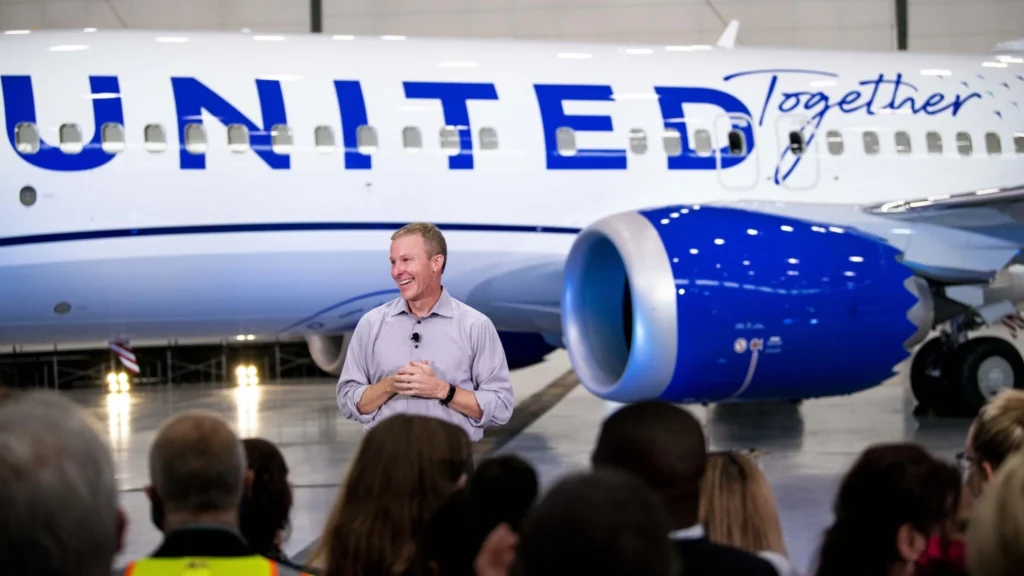
United CEO Aligns with Trump
Scott Kirby’s appearance beside top administration officials was more than a policy statement—it was a measured political play.
United Airlines (UA), headquartered in Chicago and dominant at Newark Liberty International Airport (EWR), has been navigating operational challenges tied to government inefficiencies and airport congestion.
Kirby’s remarks praised air traffic controllers and FAA personnel but underscored the economic consequences of legislative stalemate.
Kirby’s message was carefully worded: he avoided overt partisanship while aligning with the administration’s economic narrative. His call to “pass a clean CR” presented United as both pragmatic and patriotic—defending workers and passengers alike.
Observers noted the move as both diplomatic and strategic, setting the stage for potential advantages in future regulatory decisions.
Control or Compliance: Reading Kirby’s Motives
Industry analysts are divided on whether Kirby is following political pressure or steering it to United’s benefit. Delta Air Lines (DL) and American Airlines (AA) issued nearly identical appeals to resolve the shutdown, leading some to view the coordination as government-driven.
Yet Kirby’s tone and positioning suggest a deeper game—one that could shape United’s competitive edge in the years ahead.
His history at American Airlines before joining United illustrates a pattern of bold, risk-tolerant leadership.
While his 2023 decision to use a private jet amid operational disruptions drew criticism, Kirby’s long-term focus remains consistent: strengthening United’s dominance in key hubs and securing strategic growth opportunities, Live and Let’s Fly reported.
Newark Factor and Market Implications
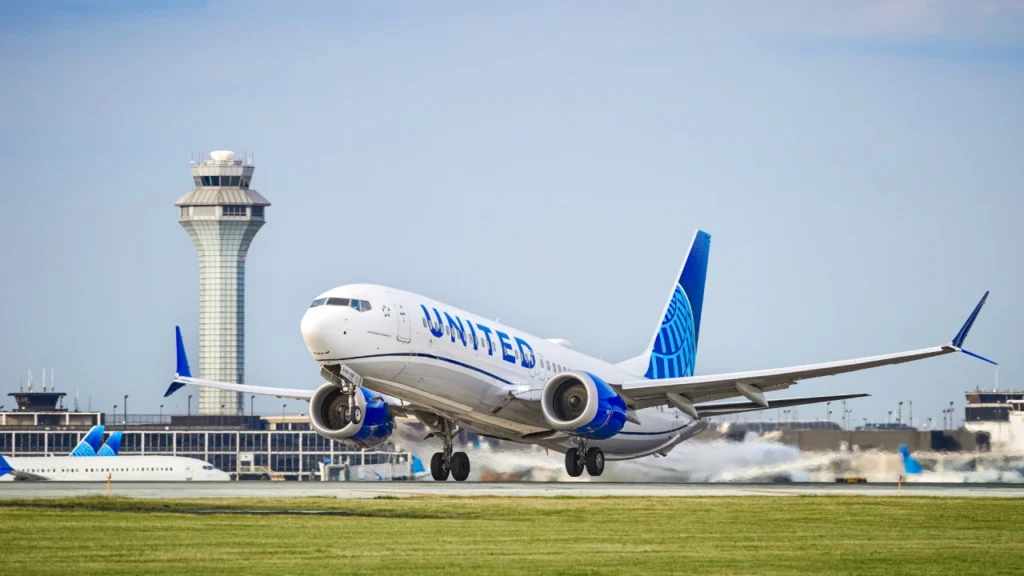
United’s control of Newark Liberty International Airport (EWR) is both its strength and its constraint. Regulatory caps on flights have limited growth, but also protected United’s market share by restricting competitor expansion.
Kirby’s handling of Newark’s congestion crisis, while initially costly, ultimately reinforced United’s fortress strategy by turning operational limits into a competitive moat.
Despite temporary profitability challenges, United’s firm grip on the New York–New Jersey market has positioned it as the airline best placed to expand further east—particularly if new merger opportunities arise.
The JetBlue Connection
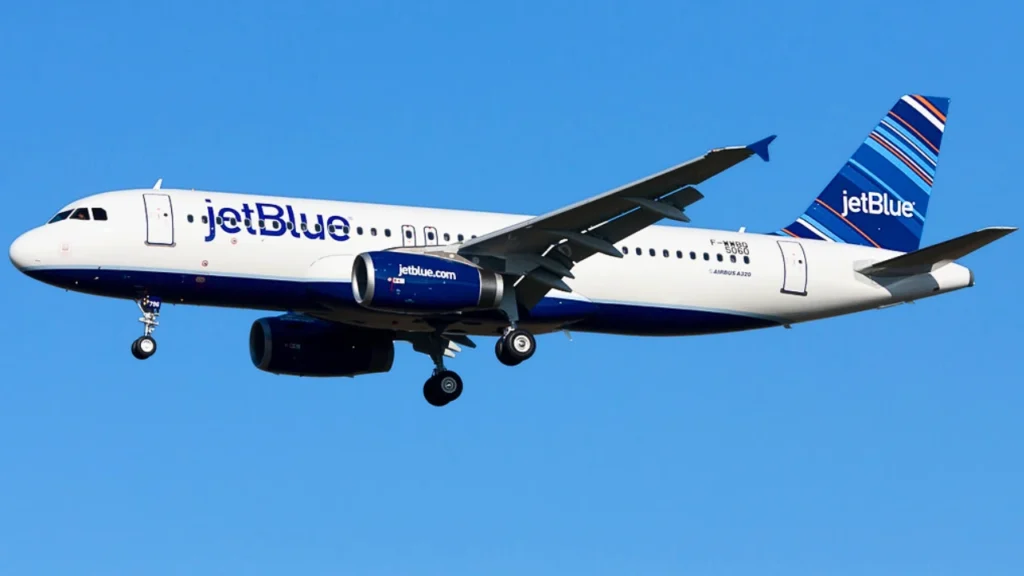
At the heart of Kirby’s broader strategy lies JetBlue Airways (B6). With JetBlue facing financial strain and regulatory setbacks after its blocked merger with Spirit Airlines (NK), its assets—planes, slots at New York JFK, and trained workforce—represent a rare growth opportunity for United.
Analysts, including JPMorgan’s Jamie Baker, have noted JetBlue’s appeal as a valuable acquisition target. Among potential suitors, United appears best positioned to integrate JetBlue’s Northeast presence with its existing Newark operations and potential Boston (BOS) expansion.
Kirby’s cooperation with the Trump administration may ultimately serve as leverage if merger talks progress. A United–JetBlue tie-up could reshape domestic competition, creating a more extensive East Coast network under one of the country’s largest carriers.

Outlook: A Merger in the Making?
While no formal proposal exists, the groundwork is visible. Kirby’s public stance aligns closely with the administration’s messaging, potentially paving the way for regulatory goodwill.
With the political calendar and United’s long-term strategy converging, analysts expect Kirby to keep positioning United as both loyal and indispensable to U.S. aviation.
If successful, the result could redefine airline alliances and route networks by 2029. Whether that’s genius or overreach, Kirby’s high-stakes approach shows one thing clearly—he’s playing the long game.
Stay tuned with us. Further, follow us on social media for the latest updates.
Join us on Telegram Group for the Latest Aviation Updates. Subsequently, follow us on Google News
