

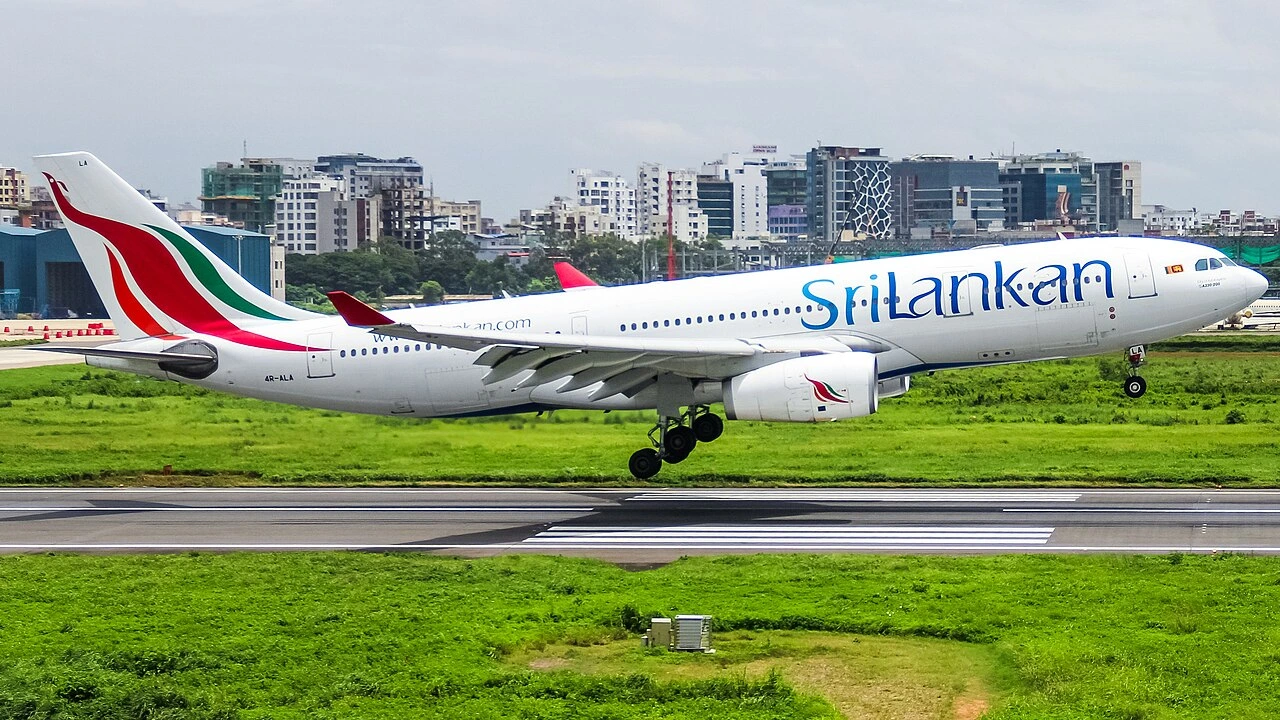
COLOMBO– The government has yet to finalize any plan for restructuring SriLankan Airlines (UL), the national carrier based at Bandaranaike International Airport (CMB), but remains open to partnerships with the private sector to increase profitability, an official said on October 24, 2025.
SriLankan Airlines reported a Rs. 2.73 billion loss for the year ending March 31, 2025, compared with a profit of Rs. 7.9 billion the previous year — a reversal of about 134.6 per cent, reported The Daily Mirror. Total revenue decreased by 10.8 per cent to Rs. 303 billion.
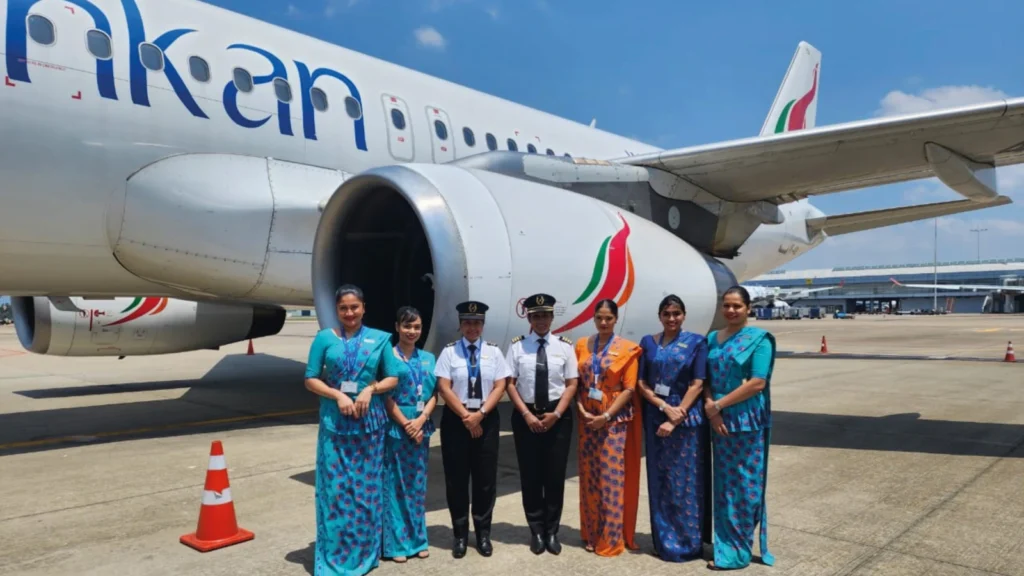
SriLankan Airlines Losses Mouts
SriLankan Airlines’ operating expenses fell by 11.7 per cent to Rs. 276.3 billion, but these cost reductions were not enough to offset the drop in income. The government is under pressure to reform state institutions as part of the programme agreed with the IMF.
The previous administration had initiated steps to restructure the national carrier, but no private-sector bidder came forward at that time, and the plan was eventually abandoned.
The current government has made some budgetary interventions to ease the airline’s debt burden, but a comprehensive restructuring remains pending.
The latest annual report for the period ending March 31, 2025, shows that SriLankan Airlines posted a net loss of Rs. 2.73 billion, following a profit of Rs. 7.9 billion the year before.
Revenue fell to Rs. 303 billion from Rs. 339 billion, while operating expenditure decreased to Rs. 276 billion from Rs. 312 billion. Shareholders’ funds remained deeply negative at Rs. 379 billion, a marginal improvement from the previous year’s negative Rs. 381 billion.
Total assets declined by about 6.1 per cent to Rs. 189 billion. Despite efforts to reduce costs, the decline in passenger yields and foreign-exchange losses pushed the airline into the red.
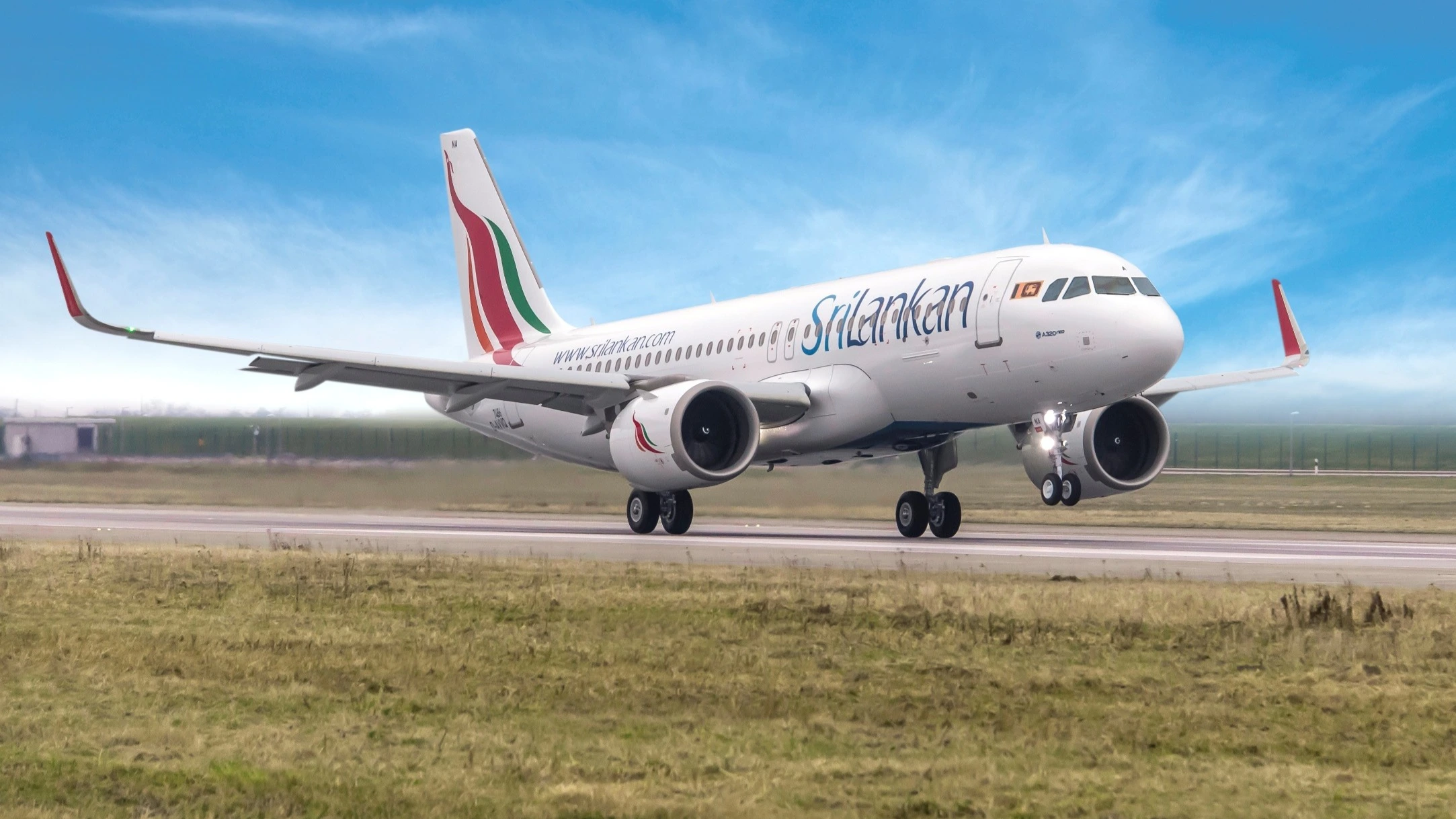
The Way Out for SriLankan Airlines
The chairman’s comments suggest that the government remains cautious about committing to major structural reforms at this stage.
The openness to private-sector partnerships indicates recognition that external capital and commercial discipline may be necessary to stabilize the airline’s finances. However, without defined timelines or specific measures, the path forward remains uncertain.
With the IMF’s oversight requiring state-enterprise reform, SriLankan Airlines’ performance underscores the need for a sustainable recovery plan. The failure of earlier privatization efforts further complicates the situation.
For now, the focus appears to be on maintaining operations, managing costs, and preparing the ground for a potential collaboration with private investors when the timing is right.

Sri Lankan Aviation’s Market Implications
The weak financial performance of the national carrier could have broader effects on Sri Lanka’s aviation and tourism sectors. A financially strong flag carrier supports national connectivity, inbound tourism, and brand image.
Prolonged financial instability, on the other hand, could limit route expansion, fleet renewal, and service quality.
Any future private-sector partnership will likely depend on a clear framework, realistic financial restructuring, and policy consistency. Investors will expect transparency and autonomy to ensure long-term profitability.
For now, SriLankan Airlines’ prospects hinge on how effectively the government can balance fiscal responsibility with the airline’s strategic importance to the country’s economy and connectivity.

Bottom Line
SriLankan Airlines has reported a sharp reversal from profit to loss in the 2024–25 financial year, mainly due to declining revenue and currency headwinds.
While the government remains open to private-sector participation, no concrete restructuring plan has been finalized.
The national carrier’s recovery will depend on decisive policy action, private investment, and sustained commercial discipline.
Stay tuned with us. Further, follow us on social media for the latest updates.
Join us on Telegram Group for the Latest Aviation Updates. Subsequently, follow us on Google News
