

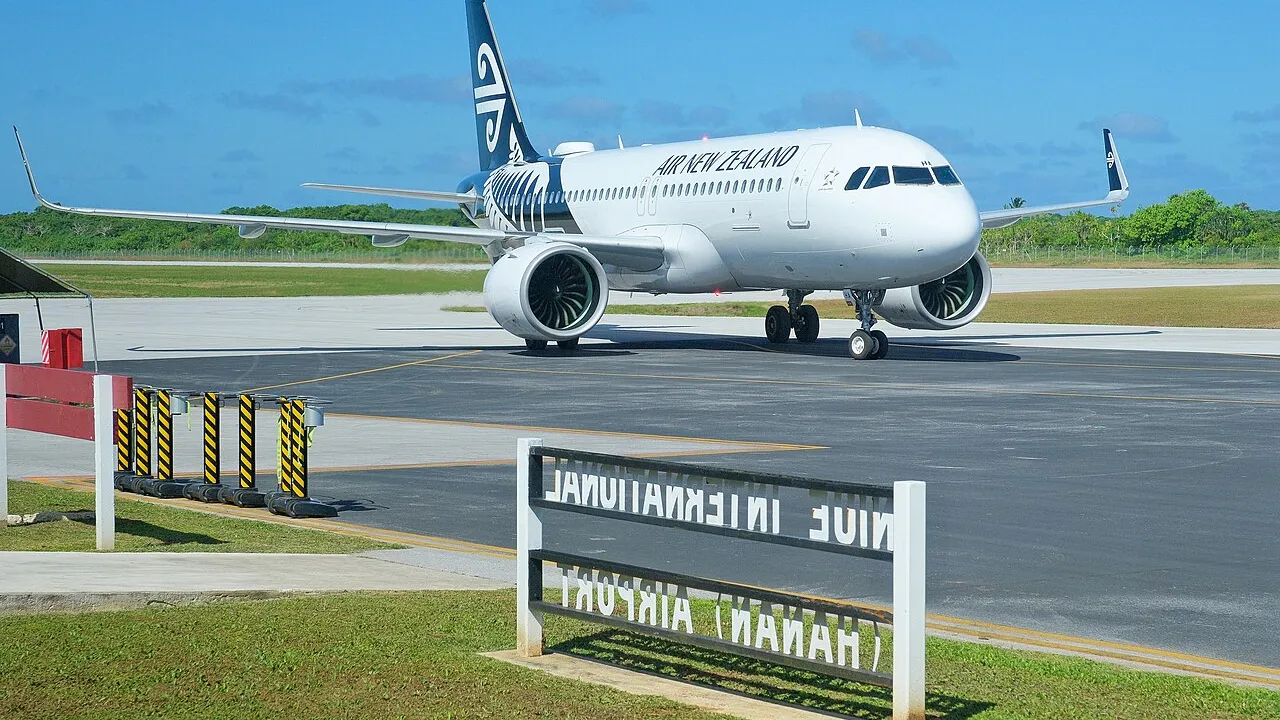
WELLINGTON- Passengers aboard Air New Zealand (NZ) flight NZ221 were instructed mid-flight to prepare for an emergency landing after a mechanical fault occurred while en route to Sydney (SYD).
The aircraft made a safe touchdown at Sydney Airport shortly before 9 a.m., where emergency services awaited on the tarmac. According to the airline’s Chief Safety and Risk Officer, the aircraft landed safely and will undergo a detailed inspection before re-entering service.

Air New Zealand Emergency Landing
The flight had departed from Christchurch (CHC) early on Friday morning (October 24, 2025) and landed in Sydney after the crew responded to a suspected hydraulic failure.
While cruising towards Sydney, the crew of NZ221 identified a technical issue and communicated with air traffic control. Passengers said they received an announcement around 20 minutes before landing that the flight would be conducting an emergency arrival.
Upon landing, the aircraft taxied to the apron where fire trucks and rescue vehicles were already deployed. The jet remained on the tarmac for approximately two hours as engineers conducted assessments before passengers disembarked.
Eyewitnesses described a calm cabin environment despite the alert; one passenger told reporters the landing felt “smooth,” and everyone remained composed.
https://commons.wikimedia.org/wiki/File:Air_New_Zealand_A320neo_.jpg
Technical Issue Forced Emergency
NZ221, operated by Air New Zealand, reported a hydraulic failure while flying over the Tasman Sea region. The malfunction triggered the emergency landing procedure.
The airline stated that its engineering team will now check all relevant systems before deciding on the aircraft’s readiness to return to schedule.
At this stage, investigators have not speculated on the root cause, but the timely response by the crew prevented greater disruption or risk.
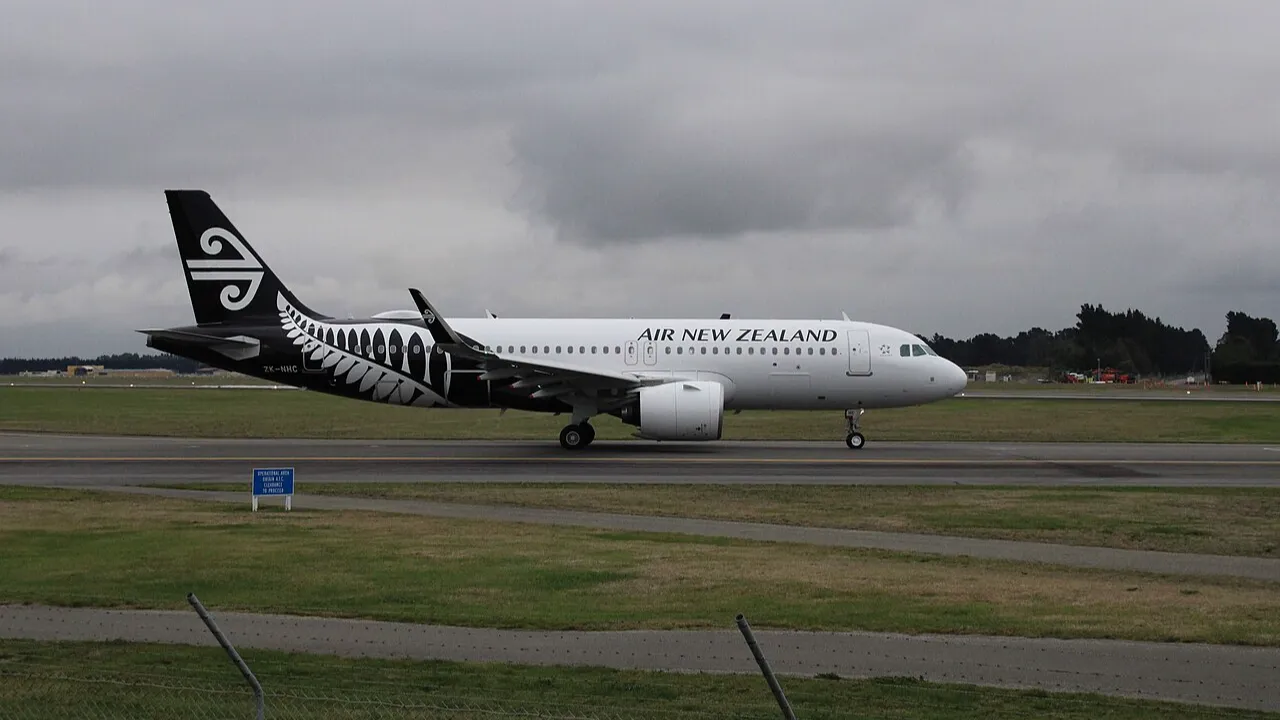
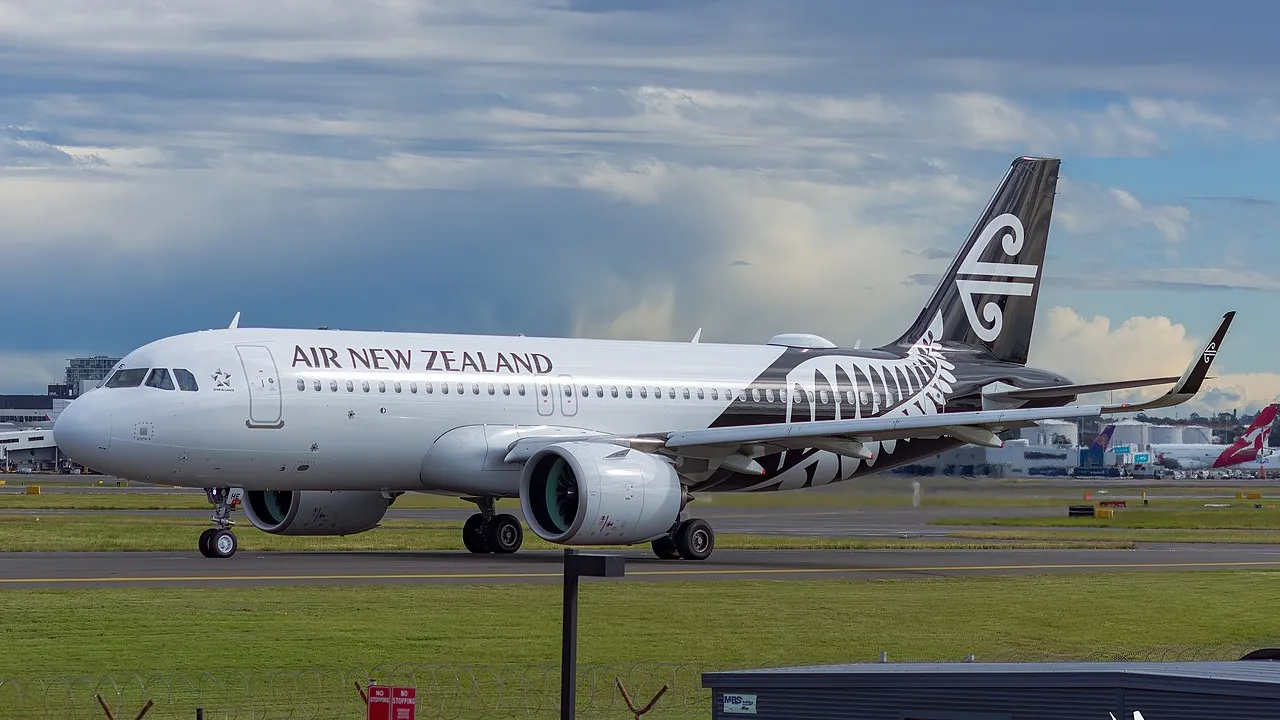
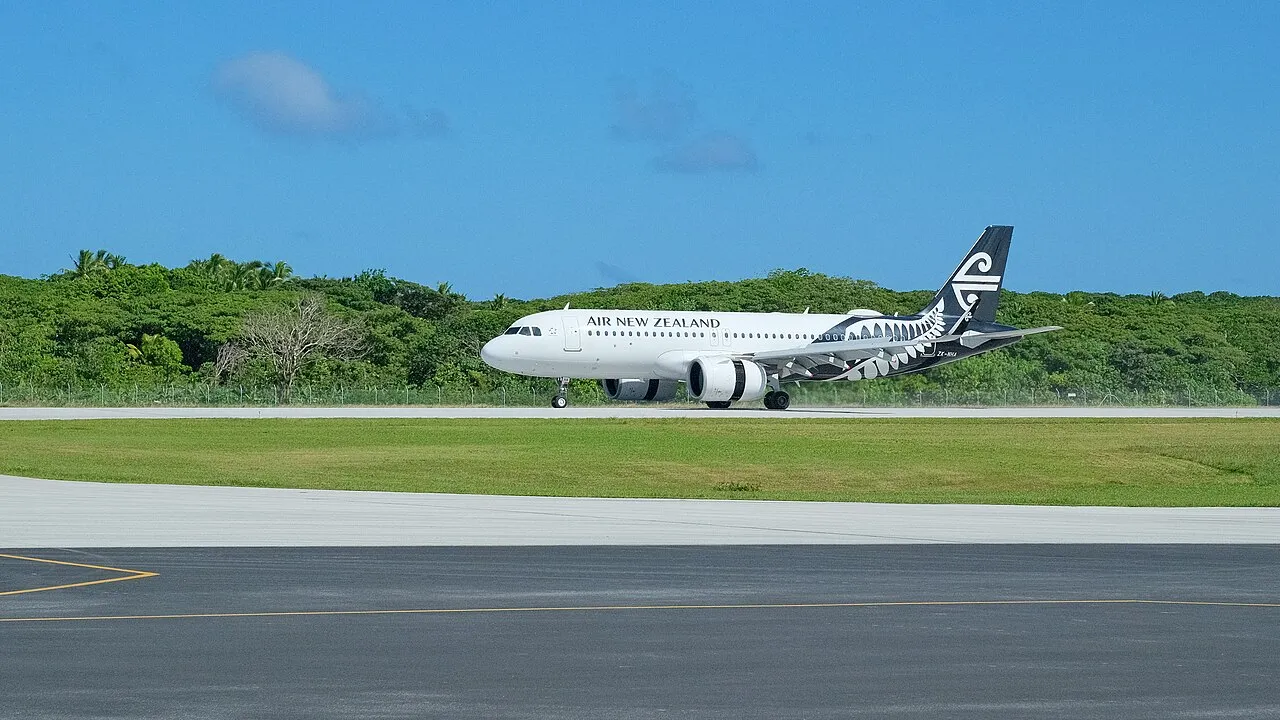
The flight was operated by Airbus A320neo, registered as ZK-NHC. Further, it is a 6.6-year-old aircraft powered by two Pratt and Whitney engines.
Upon landing, ground personnel assisted with passenger disembarkation, and additional support was provided for those who had been aboard for an extended time on the ground. Some passengers reported being held on board while engineers treated the aircraft.
Air New Zealand reiterated that safety is its highest priority and that appropriate follow-up will be conducted before releasing the aircraft back into service.
https://commons.wikimedia.org/wiki/File:Air_New_Zealand_A320neo_ZK-NHE.jpg
Implications for airline operations
The incident underscores the importance of robust mid-air contingency protocols and rapid coordination between flight crew, the airline’s operations team, and air traffic control.
The smooth handling of the situation may bolster confidence in emergency procedures.
From a regulatory perspective, the event may attract attention from aviation safety authorities given the hydraulic system involved.
Operators of similar aircraft types will likely monitor the outcome of the investigation.
https://commons.wikimedia.org/wiki/File:Air_New_Zealand_A320_on_runway_after_landing_at_Niue_International_Airport.jpg
Bottom Line
The emergency diversion of Air New Zealand’s flight NZ221 to Sydney underscores the critical role of timely crew responses and system redundancy in commercial aviation.
Although the hydraulic failure triggered the landing, the aircraft returned safely with no injuries reported, and the airline has begun a full engineering inspection.
For the aviation community and passengers alike, the incident serves as a reminder that safety systems function as intended when activated under pressure.
Stay tuned with us. Further, follow us on social media for the latest updates.
Join us on Telegram Group for the Latest Aviation Updates. Subsequently, follow us on Google News
