

WASHINGTON- The US Air Force (USAF) has decided to abandon the planned stand-up of a dedicated command for future capability development, folding its functions into the existing Air Force Futures structure instead. The effort aimed to accelerate decision-making and modernization of airpower.
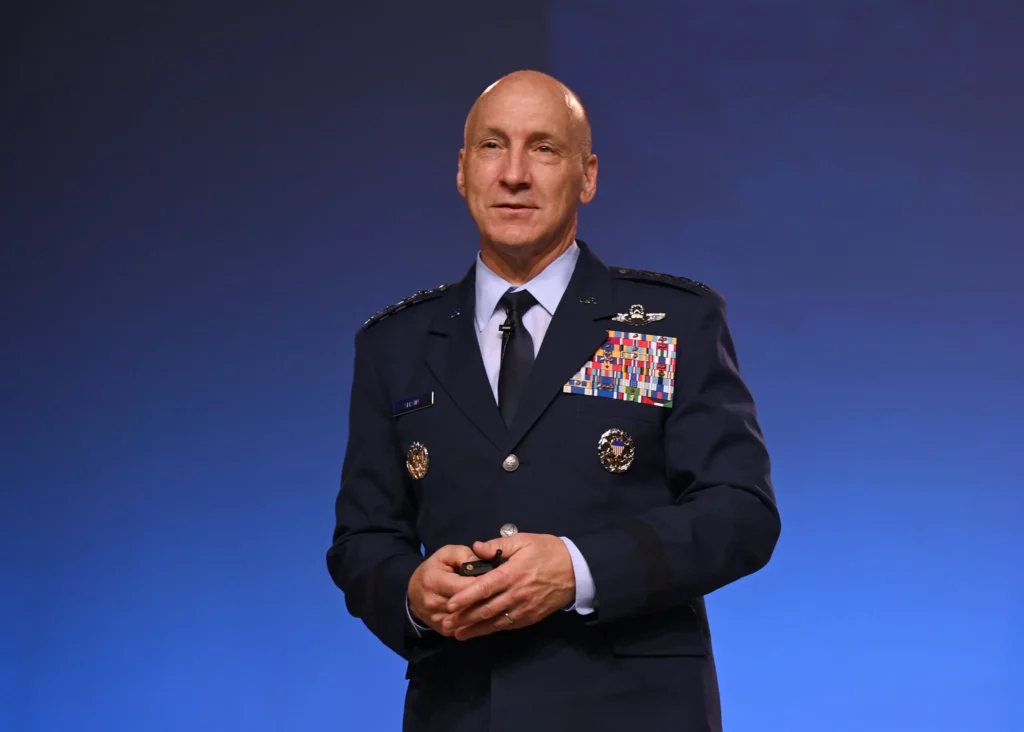
This reorganization reflects a shift away from the original proposal under former Secretary Frank Kendall and Chief of Staff David W. Allvin to create an independent Integrated Capabilities Command (ICC) to consolidate future requirements and force-design efforts. The decision was confirmed in a statement by then-Air Force Secretary Troy Meink.
US Air Force Drops Plan for Command
The proposed ICC was part of a broader strategy known as “Reoptimizing for Great Power Competition,” which sought to reshape USAF structure to more rapidly develop, acquire, and deploy capabilities against peer adversaries such as China.
However, by early 2025, the initiative faced headwinds. In February, Pete Hegseth, as Secretary of Defense, ordered the Department of the Air Force to pause key reorganization efforts, including the ICC.
As a result, on 15 October 2025, the USAF announced the plan to fold ICC’s functions into Air Force Futures (A5/7) rather than stand it up as a separate major command.
According to the statement, the change is intended to “accelerate the delivery of combat power, improve efficiency, and shorten the decision timeline.”
What will Change Operationally?
The ICC (provisional) will continue its work but will be fully integrated into A5/7 by no later than 1 April 2026.
A new position of Chief Modernization Officer (CMO) will be created within Air Force Futures. That official will be responsible for four key areas: strategy and force design; mission integration and mission threads; capability development and requirements; and modernization investment prioritization.
The move is expected to reduce duplicative staff, cut coordination steps across command structures, and streamline processes.
Major Commands (MAJCOMs) will retain their other functions, but the centralized requirements-setting role originally envisioned under ICC will shift into A5/7. This addresses concerns among MAJCOMs about losing prerogatives over requirements.
Implications for USAF modernization
By folding the new-command concept into an existing organisation rather than creating a separate entity, the USAF signals a more incremental, less disruptive approach to reform.
According to Reporting by Defense News, this move also reflects risk aversion toward sweeping organizational change amid continuing global competition.
The restructuring may yield some benefits: faster decisions, unified capability prioritisation, and less overhead.
But questions remain about whether the loss of a fully distinct command will slow cultural or structural change, or whether MAJCOMs will fully embrace a shifted role in requirements-generation.
Observers note that while the ICC concept is shelved, many of its aims—faster, integrated modernization, remain in force. The CMO role and A5/7 restructuring will be the key vehicle to deliver those aims going forward.
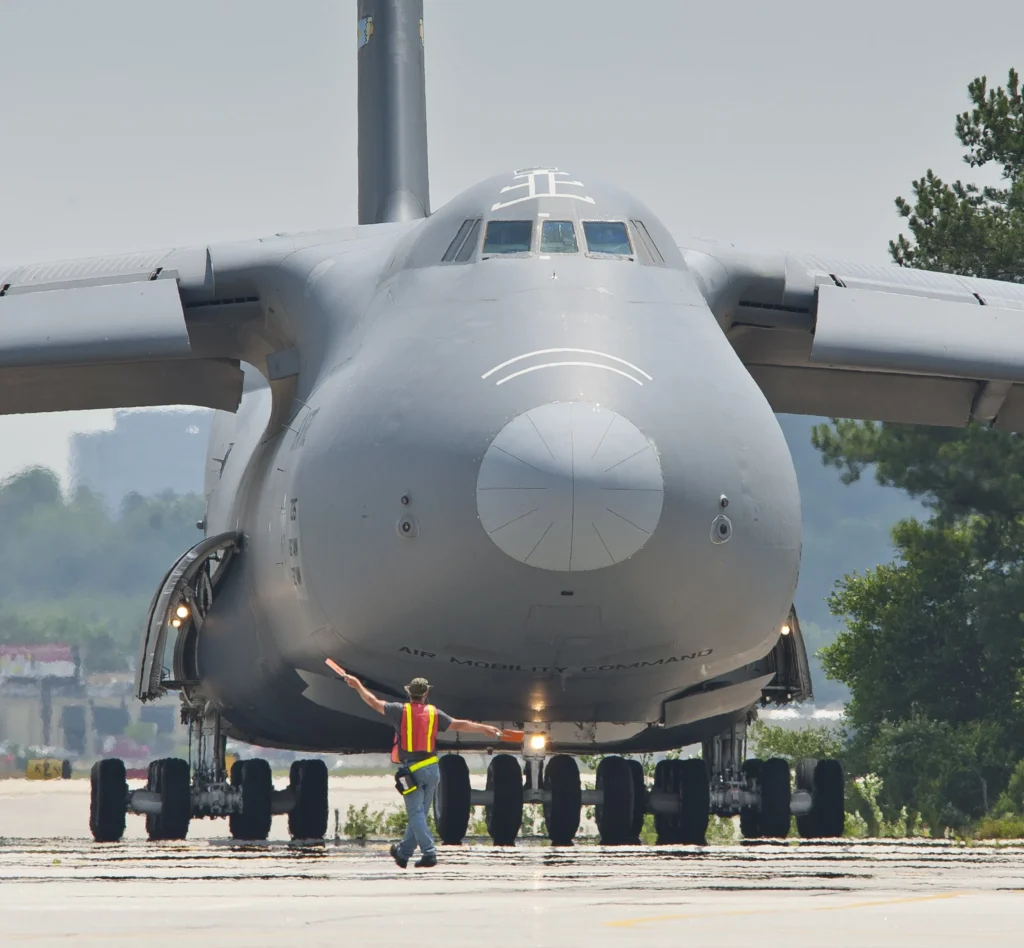
ICC Concept
In September 2024, Allvin announced activation of ICC in provisional status, citing the need to overcome legacy stovepipes and align USAF modernization under one roof.
The provisional ICC was headed by Maj. Gen. Mark Mitchum was planned to reach full operational status in 2025.
However, opposition emerged from within the service: MAJCOMs, wary of losing their own requirements authority, balked at ceding those roles.
At the same time, Pentagon leadership’s change of direction (via Hegseth’s pause) caused the initiative to lose momentum.
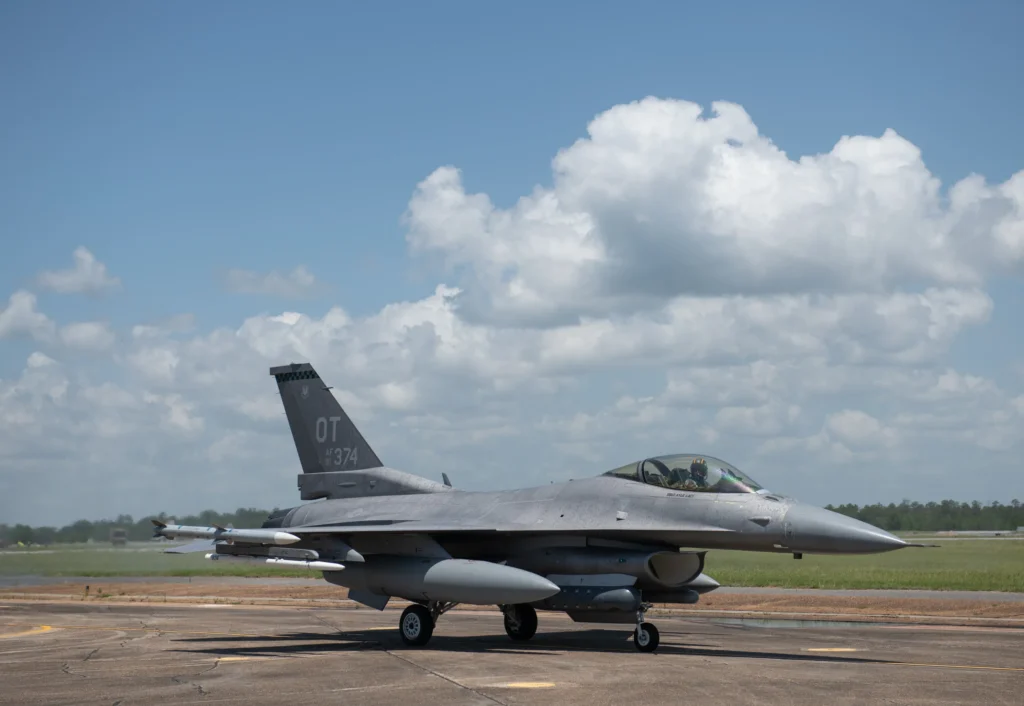
Restructuring For Stakeholders
USAF leadership and staff: They will need to adapt to the new CMO role, shifting responsibilities, and revised lines of coordination under A5/7.
Industry and acquisition community: The unified demand-signal model originally designed for ICC still lives, but the point of contact becomes the CMO/A5/7 rather than a separate command.
Congress and oversight: Lawmakers who questioned the ICC’s design will see a more modest restructuring rather than new major command creation, potentially easing budget and authorization concerns.
Warfighting readiness: The goal remains to accelerate combat capability delivery in contested domains. Whether the structural change speeds or slows progress will depend on execution at the staff and operational level.
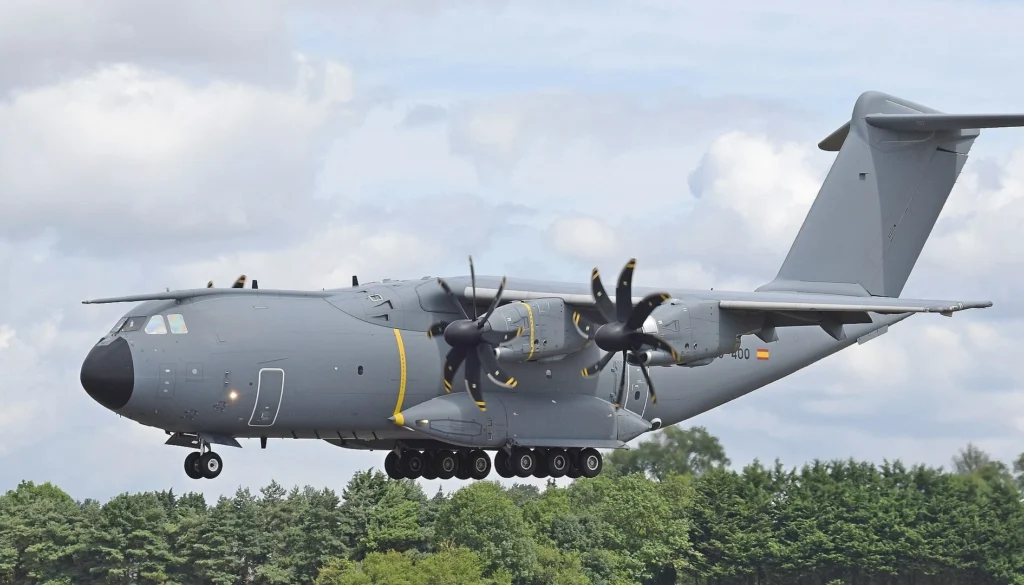
Next Steps and Timeline
- Full integration of ICC functions into A5/7 by April 2026.
- Appointment of the Chief Modernization Officer and definition of his or her authorities and staffing.
- Continuation of the provisional ICC in a transitional phase until full folding is complete.
- Ongoing assessment of how the restructured A5/7 will manage capability requirements, force design, and mission integration under one roof.
Stay tuned with us. Further, follow us on social media for the latest updates.
Join us on Telegram Group for the Latest Aviation Updates. Subsequently, follow us on Google News
