


BENGALURU- India’s domestic aviation market is gearing up for a packed Winter 2025-26 schedule. The latest data shows the country’s busiest routes continuing to revolve around major metro pairs.
The Delhi–Mumbai corridor once again leads as the nation’s most heavily trafficked route. This route is closely followed by Delhi–Bengaluru, Mumbai–Bengaluru, Delhi–Hyderabad, and Delhi–Kolkata.
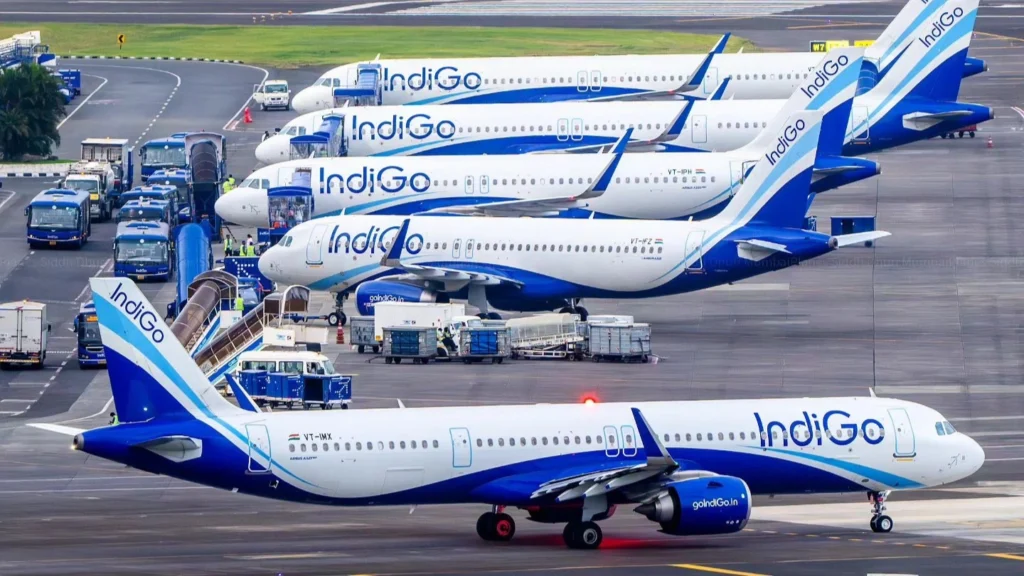
Busiest Domestic Routes of India
The detailed frequency breakdowns were first highlighted by aviation analyst @BOMLHR on X, offering an insightful look at how India’s leading carriers are structuring their winter operations.
These five trunk routes form the backbone of India’s domestic network, carrying millions of passengers each month. These routes serve as the primary battleground for the country’s largest airlines — Air India, IndiGo, Akasa Air, and SpiceJet.
1. Delhi–Mumbai: The Power Corridor

The Delhi–Mumbai sector remains the busiest route in India and among the most flown city pairs globally. During the Winter 2025 schedule, the Air India Group (including Air India and Air India Express) will operate between 30 and 32 daily flights. In addition to these, there will be two daily services between Mumbai and Hindon. Hindon is the secondary airport serving Delhi’s NCR region.
IndiGo, the country’s largest airline by market share, will run 21 daily flights, including one daily service to Hindon.
Akasa Air and SpiceJet each operate four daily flights, bringing the total to around 61 daily frequencies between the two cities. This figure could rise further once the Navi Mumbai International Airport becomes operational.
This route has long been a key barometer for capacity and demand trends in Indian aviation. The route caters to both business and leisure traffic, as well as heavy connecting flows for international passengers.
2. Delhi–Bengaluru: Tech and Corporate Demand Keep It Busy
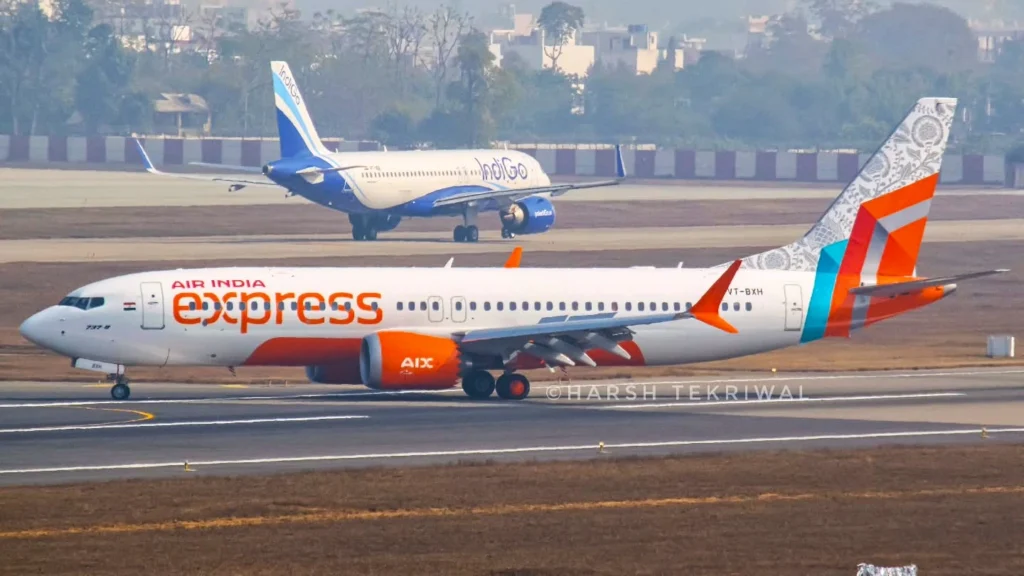
The Delhi–Bengaluru sector continues to see strong corporate and tech traffic, making it India’s second-busiest domestic route.
For the upcoming season, the Air India Group plans 22–24 daily flights, plus two daily flights between Delhi–Hindon and Bengaluru.
IndiGo follows closely with 17 daily services, including two to Hindon. Akasa Air will operate five daily flights, while SpiceJet maintains two daily services.
This brings the total to around 50 daily flights on certain days. This illustrates just how critical this route remains for business travelers and the tech sector, linking the national and IT capitals.
3. Mumbai–Bengaluru: IndiGo Maintains a Strong Lead
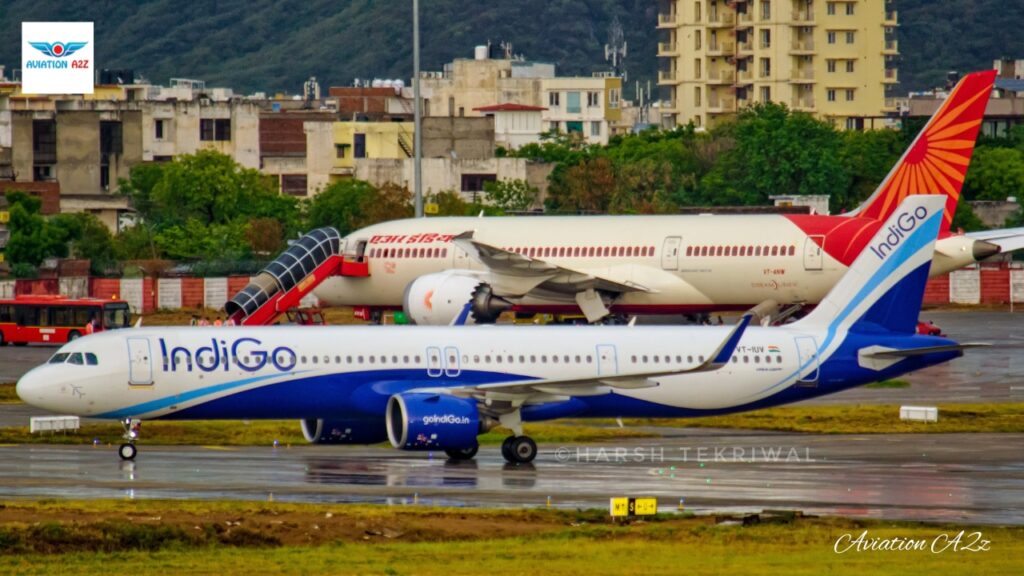
The Mumbai–Bengaluru route sees heavy competition, though IndiGo continues to dominate with 15 daily flights. The airline is offering near-hourly connectivity.
The Air India Group follows with 12 daily services. This sector is also operated by Akasa Air, which operates three daily flights, and SpiceJet will resume flights with two flights per day.
Given the strong mix of business, leisure, and connecting traffic, the route remains one of IndiGo’s most strategically important domestic links, helping the airline sustain its network dominance out of Mumbai.
4. Delhi–Hyderabad: Air India Ahead
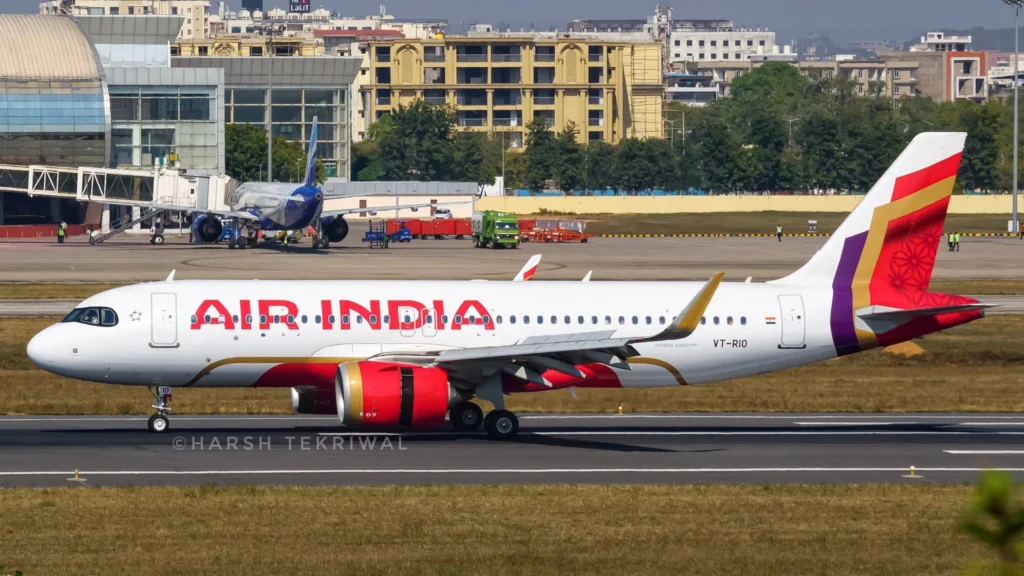
The Delhi–Hyderabad sector, another major trunk route, has Air India in the lead with 13 daily flights.
IndiGo operates 12 daily flights, while Akasa Air flies twice daily. Another interesting fact is that Hyderabad – Delhi will be the sole route for Akasa from Hyderabad.
The close frequency gap between Air India and IndiGo highlights the intense competition for corporate traffic on this high-demand route, which also connects two of the airline group’s growing international gateways.
5. Delhi–Kolkata: The Eastern Link
Rounding out the top five is the Delhi–Kolkata route, with 25 daily departures in the schedule. IndiGo leads with 11 flights, while Air India operates 10 daily services. Akasa Air and SpiceJet each operate two flights per day.
This route continues to see stable demand, supported by both business travel and strong VFR (Visiting Friends and Relatives) traffic between North and East India.

Capacity Growth Ahead
The five routes combined represent a substantial portion of India’s total domestic frequency. The data also highlight how metro-to-metro connectivity continues to define the country’s aviation structure.
With new airports like Navi Mumbai nearing readiness and additional aircraft entering fleets across airlines, further increases in capacity and flight options are expected in the upcoming months.
Even amid rising operational costs, Indian carriers are doubling down on these core routes. The competition remains fiercest and demands the most resilience. This concentrated growth also highlights the maturing nature of India’s domestic market, where frequency, reliability, and connectivity are now as critical as pricing in defining airline competitiveness.
Stay tuned with us. Further, follow us on social media for the latest updates.
Join us on Telegram Group for the Latest Aviation Updates. Subsequently, follow us on Google News
