

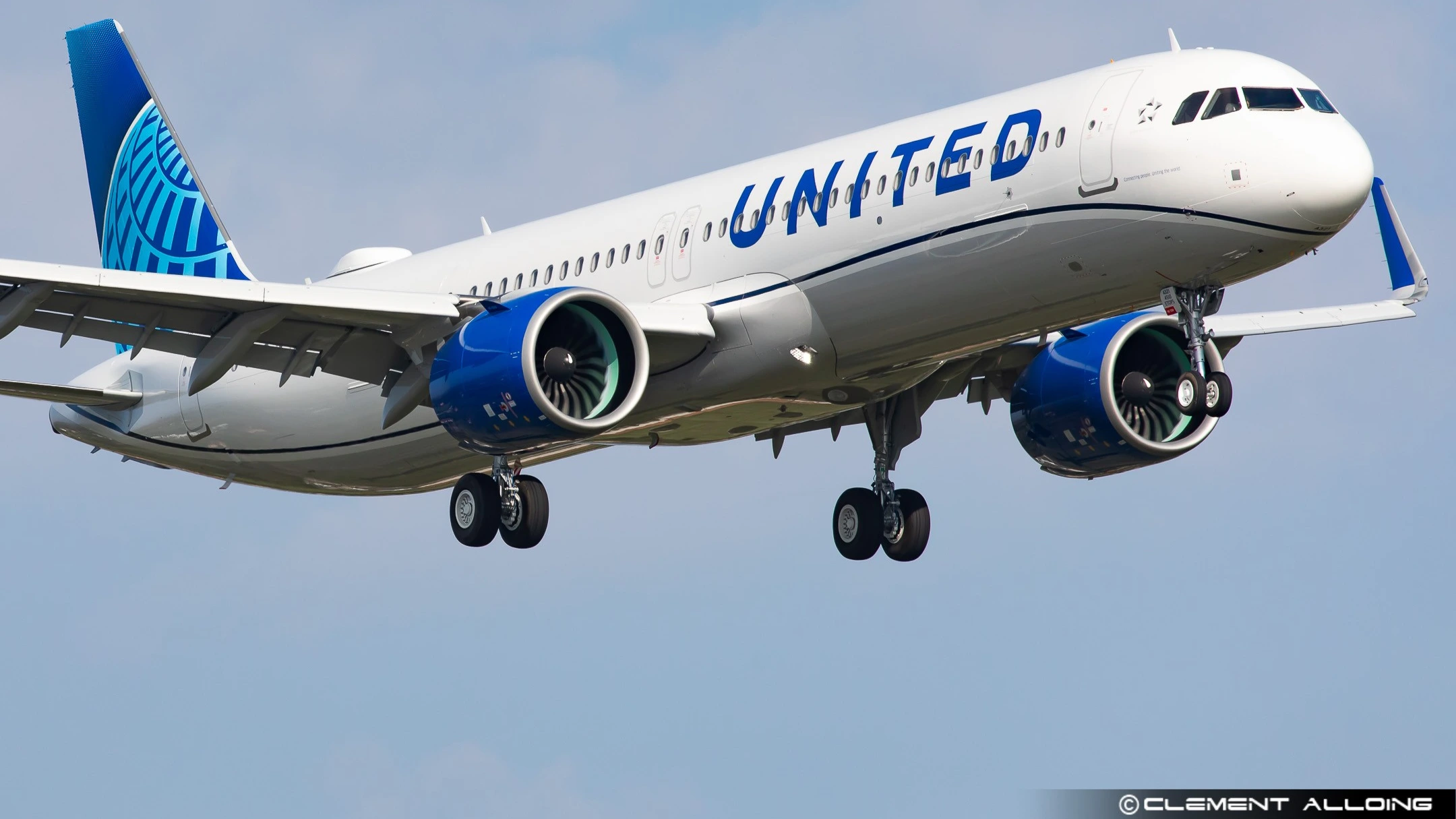
CHICAGO- United Airlines (UA) has announced a delay in deploying secondary flight deck barriers on its fleet, pushing implementation to early 2026.
The update affects aircraft operating from major hubs, including Chicago O’Hare International Airport (ORD), where many of the carrier’s new Boeing and Airbus models are based.
While Southwest Airlines (WN) has already introduced these FAA-mandated barriers at its Dallas Love Field (DAL) base, United’s decision reflects ongoing internal training coordination among multiple work groups before the barriers can be fully activated.
United Airlines Secondary Cockpit Barrier Rollout
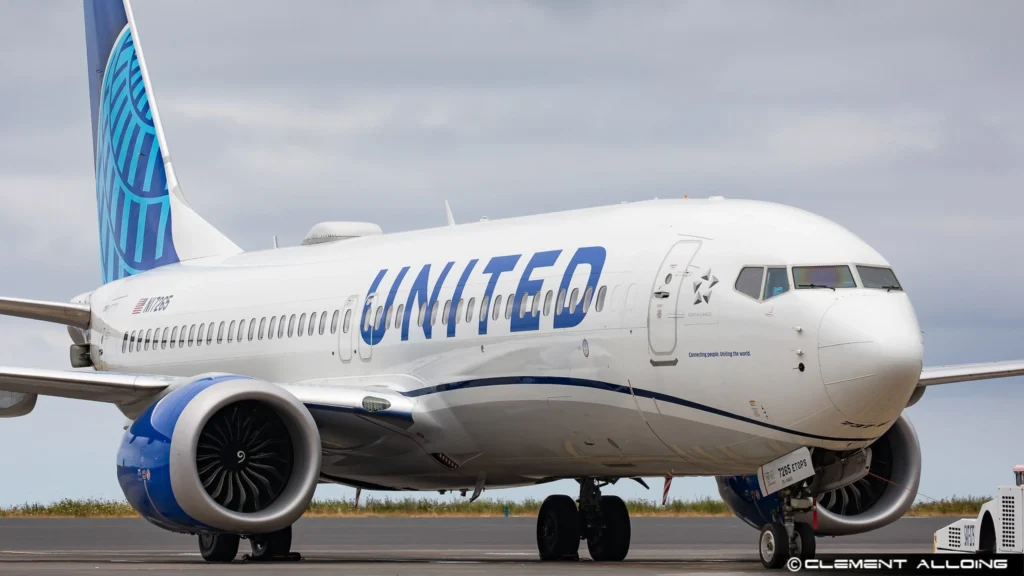
United Airlines confirmed that its new secondary flight deck barriers, designed to strengthen cockpit security, will not enter service until early 2026.
A memo shared with employees and reported by Live and Let’s Fly revealed that although flight attendants have completed training, other operational groups have yet to finalize their preparation.
The airline emphasized that the delay ensures consistent safety procedures across departments.
Until further notice, crew members will continue using galley carts to block access to the front cabin whenever pilots exit the cockpit.
The memo also reminded employees not to deploy barrier Types 2 and 3 installed on select Boeing 737, Boeing 787, and Airbus A321neo aircraft until official clearance is given.
Secondary Barrier Requirement
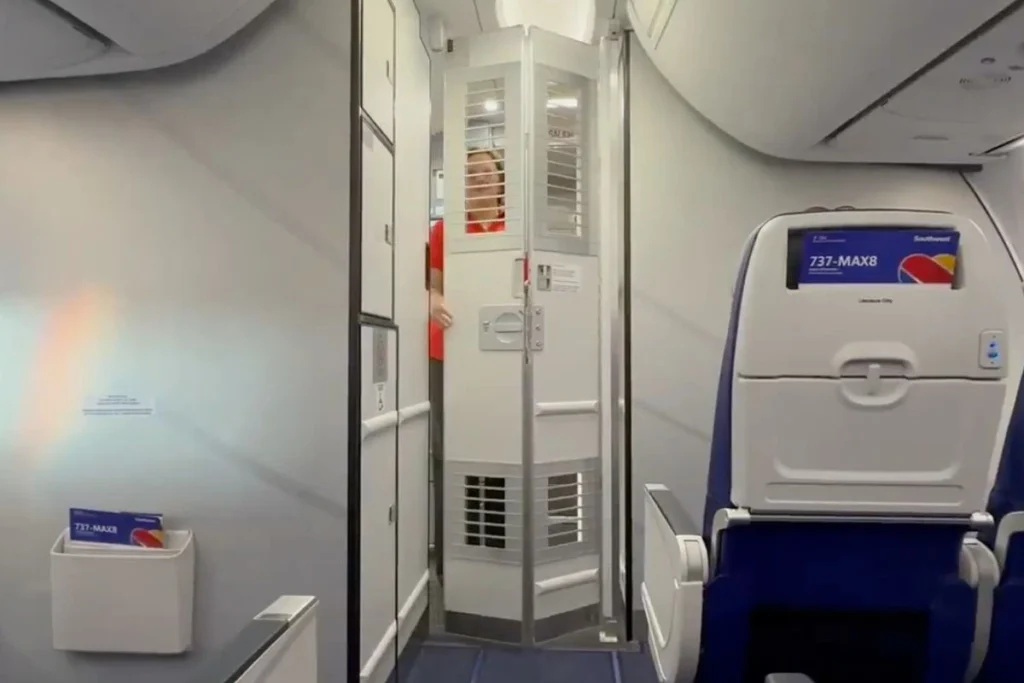
The Federal Aviation Administration (FAA) first mandated secondary cockpit barriers in 2018 to enhance pilot protection during in-flight door openings.
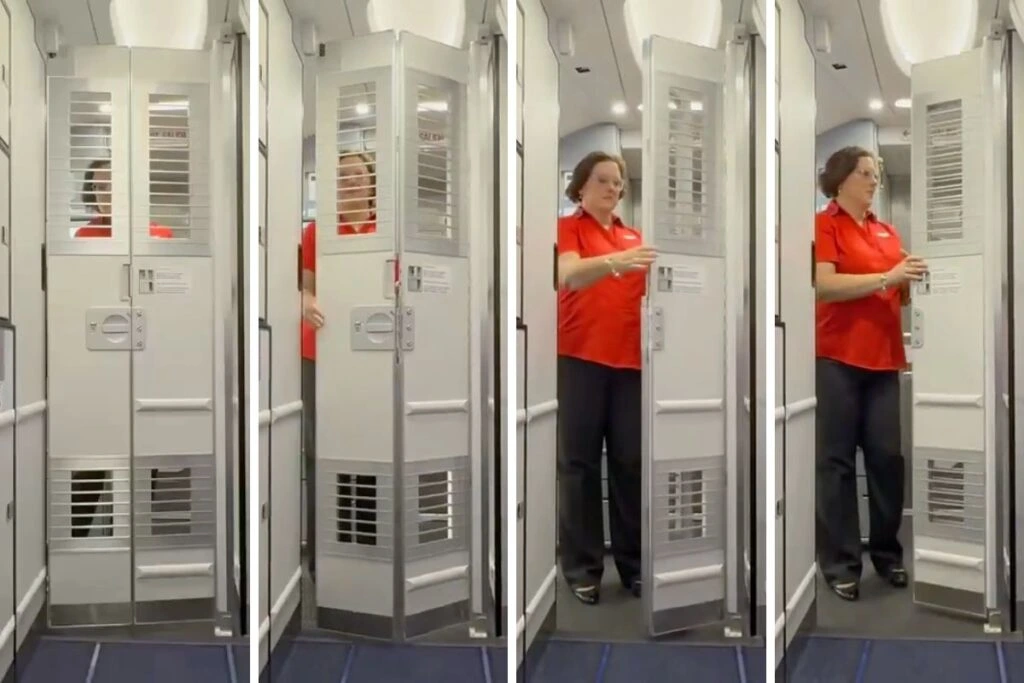
These retractable gates act as physical deterrents against unauthorized entry when the cockpit door is unlocked. Implementation across US carriers faced multiple delays, primarily due to design standardization and manufacturing timelines.
Southwest Airlines (WN) became one of the first to comply, integrating the barriers into its newly delivered Boeing 737 aircraft. The FAA has set July 2026 as the deadline for all new commercial aircraft to include these devices.
United’s Training and Implementation Strategy
United Airlines (UA) has begun receiving aircraft equipped with pre-installed secondary barriers while also planning retrofits for certain existing models.
Pilots and flight attendants have already undergone operational training, but the company aims to complete system-wide coordination involving maintenance and security personnel before enabling the devices.
By aligning the procedures across all departments, United seeks to avoid inconsistencies during critical in-flight operations.
This phased approach underscores the airline’s focus on compliance, safety, and seamless integration of new security technology.
Looking Forward
With the final implementation scheduled for 2026, United Airlines joins the broader industry effort to enhance cockpit security through standardized, FAA approved mechanisms.
While the move delays the rollout slightly, it reinforces the carrier’s commitment to ensuring every team member is fully trained before new safety measures go live.
Stay tuned with us. Further, follow us on social media for the latest updates.
Join us on Telegram Group for the Latest Aviation Updates. Subsequently, follow us on Google News
