

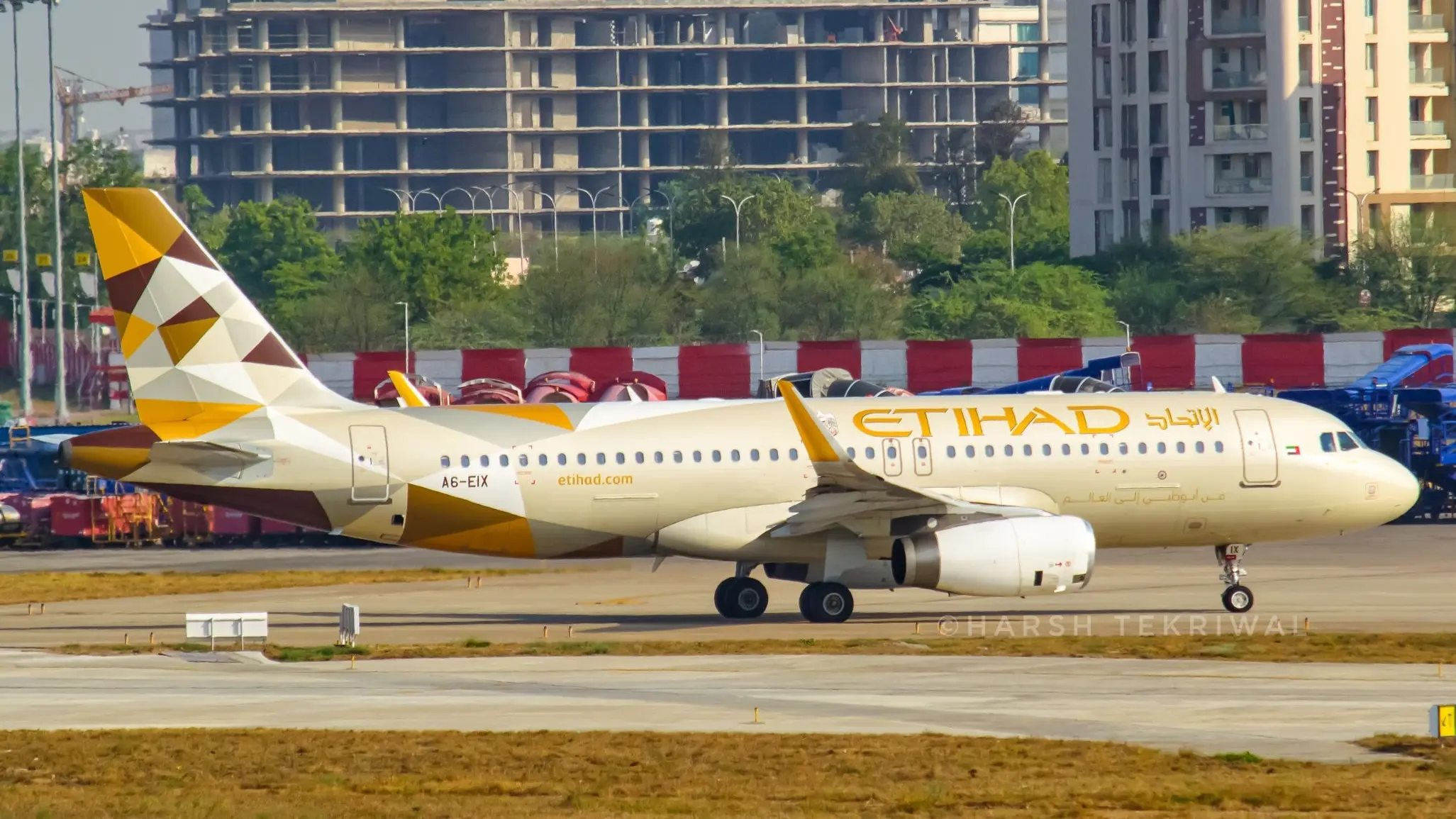
ABU DHABI- Etihad Airways (EY), the national airline of the United Arab Emirates, will launch new flights to Kabul (KBL) starting 18 December 2025, expanding direct connectivity between the UAE and Afghanistan.
The route addresses increasing demand for travel and trade between the two countries, offering passengers seamless onward connections from Abu Dhabi (AUH) to major destinations across the GCC, Europe, Australia, and North America.
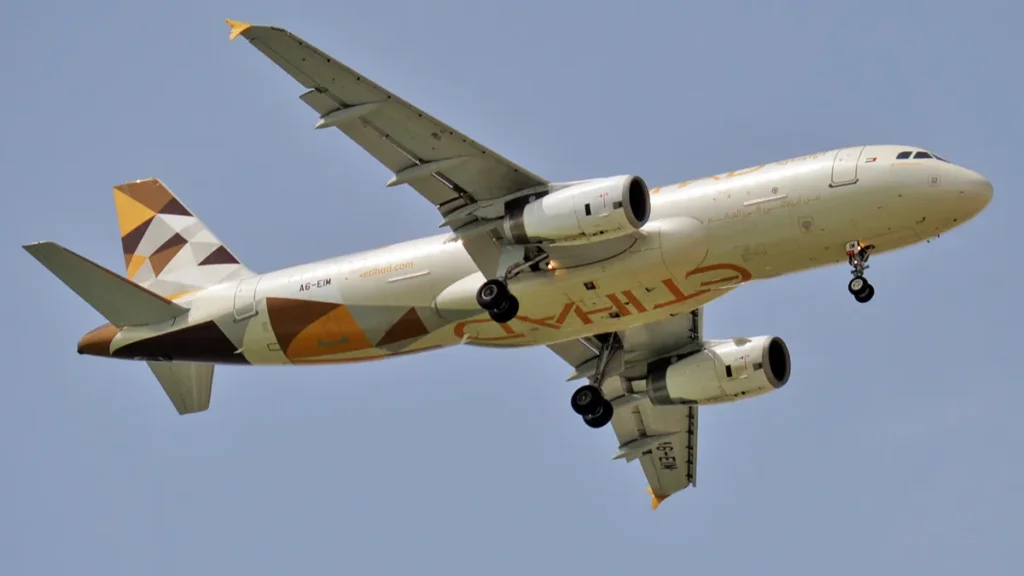
Etihad Adds Kabul Flights
Etihad Airways (EY) will operate three weekly flights between Abu Dhabi and Kabul using its Airbus A320 aircraft, configured with eight Business and 150 Economy Class seats. This schedule provides flexibility for both business and leisure travelers while maintaining the airline’s signature service standards.
Kabul becomes the 31st new destination announced by Etihad in 2025, underscoring its focus on expanding within a four-hour flight radius of Abu Dhabi.
The new route is expected to strengthen trade and investment links while supporting Afghanistan’s global diaspora—over six million people worldwide—with improved access to the UAE and beyond.
According to the Afghan Business Council, around 300,000 Afghans currently live and work in the UAE, forming one of the largest Afghan communities in the Gulf.
The launch of direct flights between Abu Dhabi and Kabul will enhance connectivity for these residents, fostering stronger economic, cultural, and social ties between both nations.
Etihad’s CEO, Antonoaldo Neves, said the Kabul route marks an important step in the airline’s regional growth strategy. “Kabul represents another key market within our target radius from Abu Dhabi, enabling trade, reconnecting families, and opening new opportunities for travelers across our global network.”
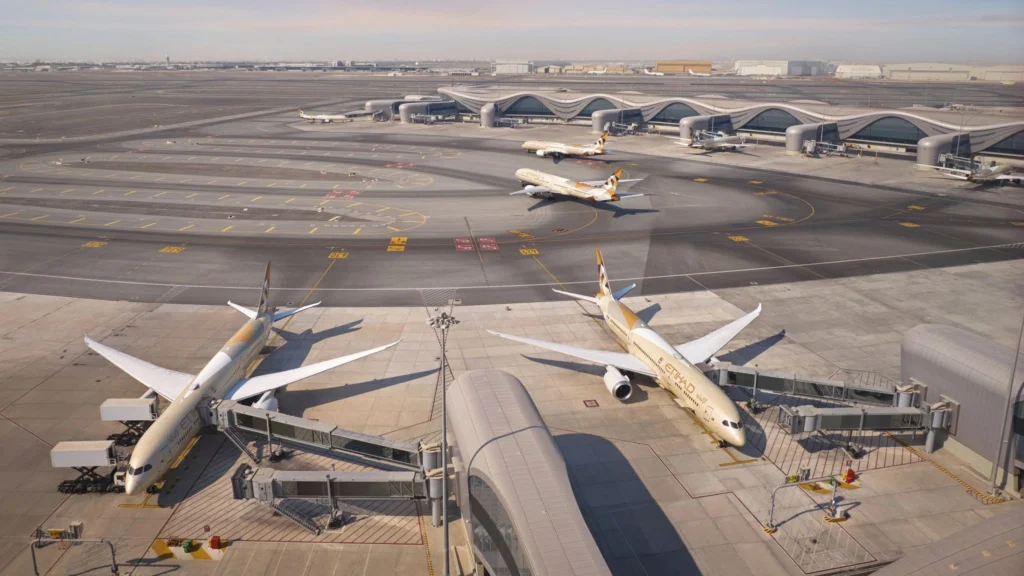
Strengthening Abu Dhabi’s Role as a Global Hub
Etihad Airways has seen more than 80% passenger growth since 2022, supported by its accelerated network expansion and fleet modernization.
The airline is targeting 38 million annual passengers by 2030, positioning Abu Dhabi International Airport (AUH) as a central hub for global mobility and commerce.
With its growing network across the Middle East, South Asia, and Europe, Etihad continues to align its operations with Abu Dhabi’s broader economic vision—enhancing connectivity, tourism, and investment opportunities in key emerging markets.
| Flight | From | Departure | To | Arrival | Frequency | Aircraft |
|---|---|---|---|---|---|---|
| EY310 | Abu Dhabi (AUH) | 14:45 | Kabul (KBL) | 18:15 | Tue, Thu, Sat | A320 |
| EY311 | Kabul (KBL) | 19:10 | Abu Dhabi (AUH) | 22:10 | Tue, Thu, Sat | A320 |
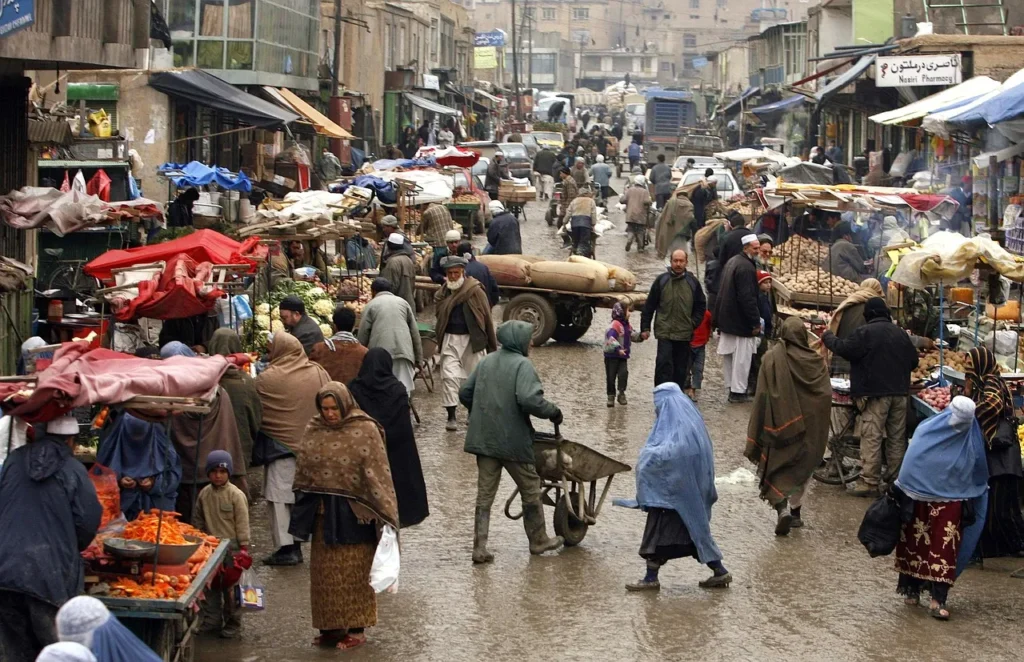
Kabul: One of the Dangerous Cities in the World
Tourism in Afghanistan is slowly re-emerging after years of instability, with organized tours now available through licensed operators.
Travelers flying in with Ariana Afghan Airlines (FG) or other regional carriers to Kabul International Airport (KBL) are finding a more open country—but still demanding careful preparation.
While Afghanistan remains a complex destination, safety levels have improved in major cities like Kabul, Herat, Bamiyan, and Mazar. With informed planning, local guidance, and respect for Afghan culture, visitors can explore its ancient history and landscapes responsibly.
Understanding Travel Safety in Afghanistan
Tourism in Afghanistan has shifted since the Taliban regained control in 2021. The political landscape is more stable than in past decades, but it still requires situational awareness and compliance with local regulations.
The Taliban administration currently controls most of the country, focusing on maintaining order and economic revival. For travelers, this means both new opportunities and continued caution.
The State of Tourism Today
Tourism remains in its early stages. Infrastructure is limited, yet there’s a steady rise in guided tours operated by experienced companies with local partners. Many Afghan expatriates are also returning, exploring their homeland after years away. This growing movement is encouraging—but not without risks.
Security and Political Conditions
Security varies across regions. While Kabul (KBL), Herat (HEA), Bamiyan, and Mazar-i-Sharif (MZR) are considered stable, certain provinces near border areas remain sensitive.
The Taliban government encourages tourism as part of its soft power efforts, but visitors must adhere strictly to its laws and local customs.
Traveling without permits or entering restricted areas can result in serious legal consequences. Reputable tour operators handle these formalities and stay updated on regional conditions.
Local Etiquette and Cultural Awareness
Afghanistan’s social fabric is deeply conservative, shaped by Islamic values and traditional customs. Visitors are expected to observe strict cultural etiquette at all times.
- Dress Code: Women must wear full-length clothing and a headscarf. Men should avoid shorts and sleeveless shirts.
- Respect for Religion: Daily prayers and Friday observances are strictly followed. Public displays of affection and alcohol are prohibited.
- Photography: Always seek permission before photographing people, especially women. Avoid government buildings and security checkpoints.
Understanding and respecting these cultural norms not only ensures personal safety but also earns goodwill from local communities.
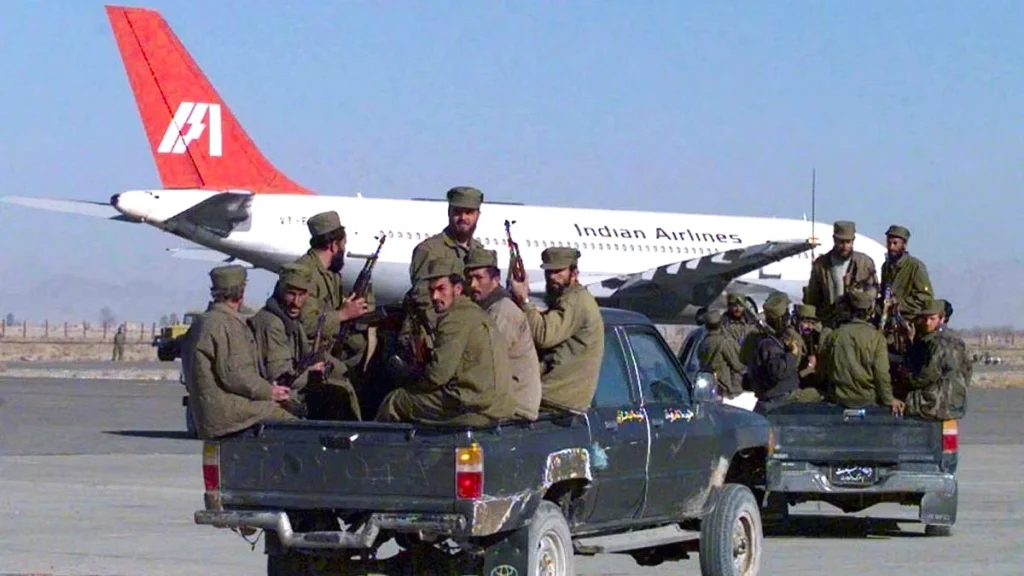
Traveling Under Taliban Rule
Interestingly, the Taliban administration is currently supportive of controlled tourism. The government views tourism as a means of improving Afghanistan’s image and economy. This has translated into protective measures for tourists—such as checkpoint escorts and enhanced local monitoring.
Tourists might be questioned or asked to share contact details, but such actions are usually precautionary. Cooperating with authorities and following the guide instructions is key. Solo travel is allowed but discouraged without local assistance.
Maximizing Safety on Afghanistan Tours
Licensed operators like Koryo Tours implement comprehensive safety measures for all Afghanistan itineraries:
- Routes and exact schedules are not publicly shared for security reasons.
- Each group travels with a backup vehicle and radio communication devices.
- Visits focus on major provinces—Kabul, Herat, Bamiyan, Mazar, and Kandahar—where tourism activity is most consistent.
- Female guides’ safety is prioritised, and tours are developed in cooperation with local partners.
- Clothing recommendations and behavioral guidelines are provided to all participants before arrival.
While itineraries may change due to real-time security assessments, such adjustments are part of ensuring traveler safety.
Is It the Right Time to Visit Afghanistan?
Afghanistan is not a casual holiday destination. It suits travelers with prior experience in developing or high-risk regions—those drawn by its history, culture, and resilient spirit. The absence of mass tourism means access to world-class heritage sites without crowds, but also with more responsibility.
For those prepared to travel respectfully, follow guidance, and adapt to changing conditions, Afghanistan offers a rare chance to see a nation redefining itself.
Stay tuned with us. Further, follow us on social media for the latest updates.
Join us on Telegram Group for the Latest Aviation Updates. Subsequently, follow us on Google News
