

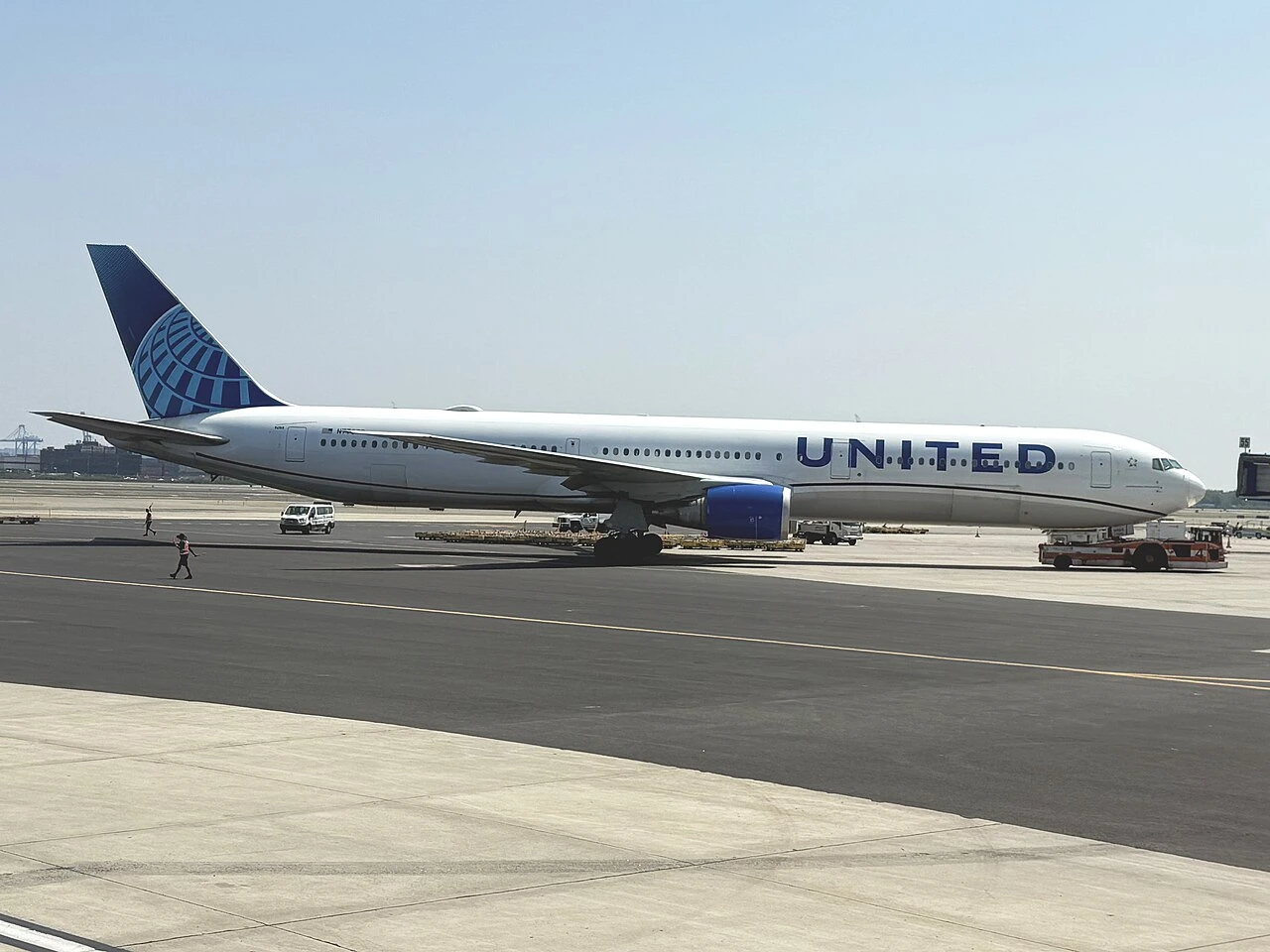
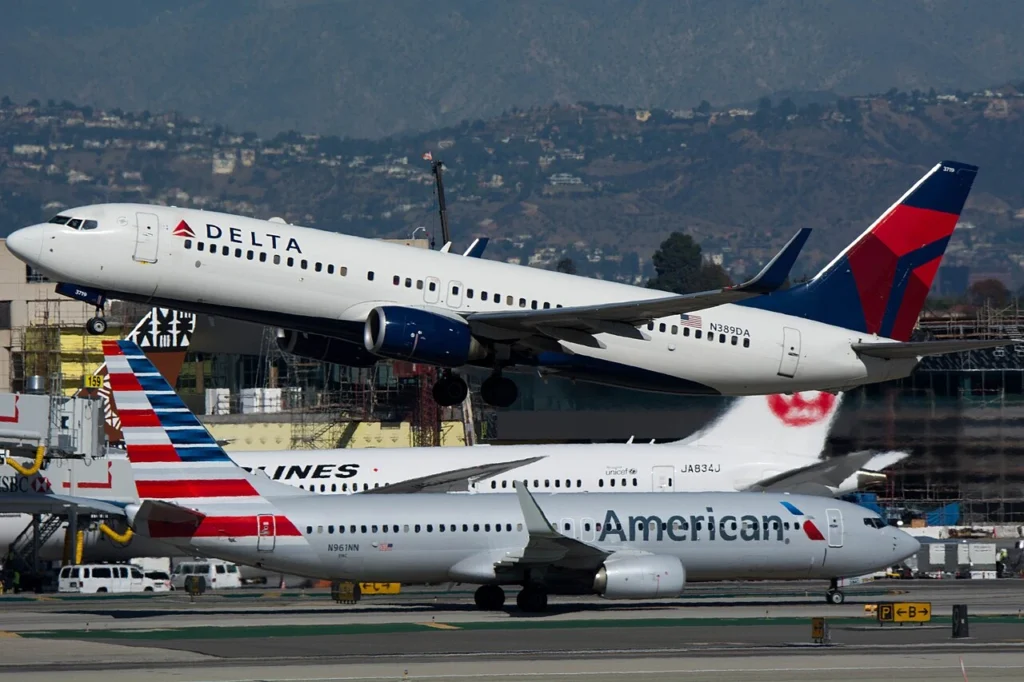
WASHINGTON – An overnight flight diversion can turn a routine journey into an expensive disruption, particularly when passengers land hundreds of miles from their intended destination. In the United States, airlines such as American Airlines (AA), Delta Air Lines (DL) and United Airlines (UA) follow different policies when passengers cannot continue their journeys until the following day.
Although the US Department of Transportation (DOT) establishes certain passenger protections, it does not generally require airlines to provide hotel rooms or meals after every diversion. Instead, passengers often depend on individual airline commitments, with the reason behind the disruption playing a major role in determining what assistance they receive.
US Passenger Rights Explained In Detail
Federal regulations provide limited protection for passengers stranded following an unexpected diversion.
Under the DOT’s tarmac delay rule, airlines must provide an opportunity for passengers to leave an aircraft within three hours on domestic flights and four hours on international flights arriving at US airports, subject to safety, security and air traffic control exceptions.
Airlines must also provide food and water after two hours on the tarmac, along with working lavatories and access to medical assistance. However, these requirements do not extend to automatic hotel accommodation once passengers enter the terminal.
US Airline Hotel Accommodation Policies Explained
Passengers may also qualify for a refund if a significant itinerary change occurs and they reject the airline’s alternative transportation. A change in the scheduled arrival airport can qualify as a significant change, depending on the circumstances.
The DOT’s Airline Customer Service Dashboard identifies which carriers voluntarily promise hotel accommodation during controllable overnight disruptions. However, these commitments should not be confused with guarantees covering weather-related diversions.
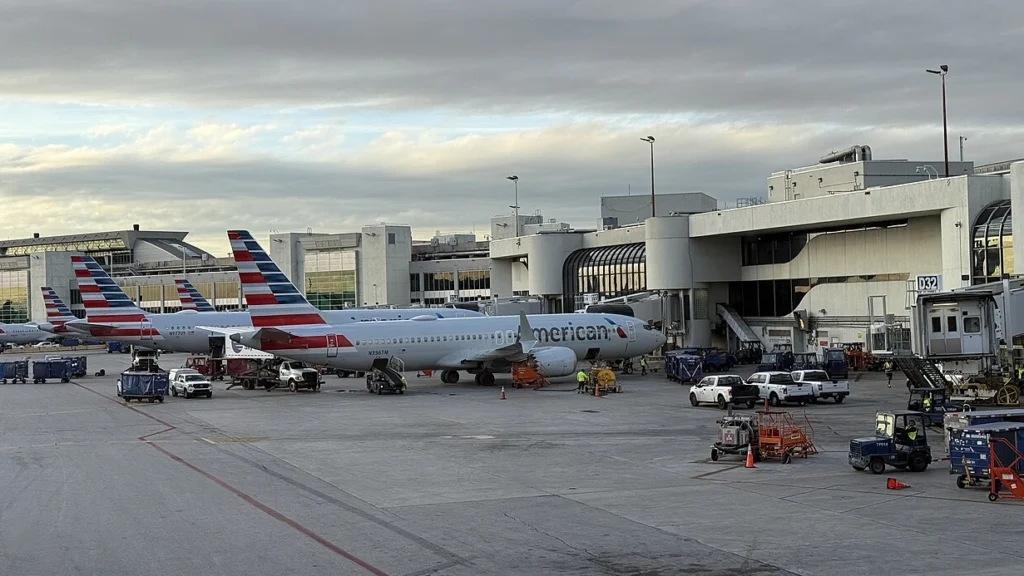
American Airlines explicitly addresses diversions in its customer service policy.
If passengers are diverted to another city and cannot board a flight to their final destination before 11:59 PM, the airline promises an approved hotel, transportation and a food or beverage credit when the wait exceeds three hours.
Its separate provisions for disruptions beyond its control, including weather, can affect the assistance available.
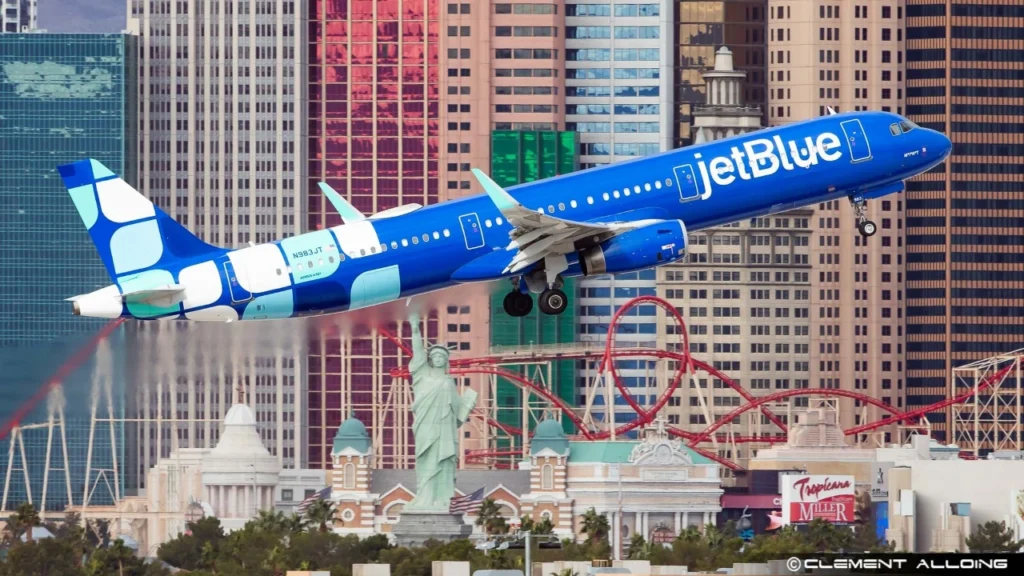
Delta Air Lines and United Airlines also promise hotel accommodation and transportation when disruptions within their control leave passengers stranded overnight. JetBlue follows a similar approach, while Alaska Airlines provides accommodation for qualifying controllable disruptions.
Southwest Airlines and Allegiant Air also list overnight hotel assistance among their controllable-delay commitments.
Hawaiian Airlines maintains similar commitments, whereas Frontier Airlines does not promise complimentary hotel accommodation for overnight controllable delays. It does, however, commit to meal vouchers when qualifying delays exceed three hours.
These policies mean passengers should check the precise terms of their carrier rather than assume that every overnight diversion qualifies for reimbursement.
February 2027 DOT Rule Changes
A further change will affect how US airlines classify and report flight disruptions. Under a DOT rule implementing the FAA Reauthorization Act of 2024, ten specific events will receive a separate reporting category rather than being recorded under the traditional Air Carrier category.
These include certain unscheduled maintenance events, medical emergencies, unruly passenger removals, aircraft damage caused by extreme weather or foreign object debris, cybersecurity attacks and airport closures caused by volcanic ash, wind or wind shear.
The DOT postponed the rule’s effective date to February 1, 2027, although airlines must apply the revised reporting categories to disruptions occurring from January 1, 2027, Simple Flying reported .
Importantly, this change concerns the classification of delays and cancellations. It does not independently establish new hotel entitlements or remove existing airline customer service commitments.
For travelers, the most practical step remains checking the airline’s written policy, requesting hotel and meal vouchers before arranging accommodation independently, and keeping receipts for any expenses they may seek to recover.
Stay tuned with us. Further, follow us on social media for the latest updates.
Join us on Telegram Group for the Latest Aviation Updates. Subsequently, follow us on Google News
