

A passport can have a significant impact on how easily a person can travel internationally. While some nationalities enjoy visa-free or visa-on-arrival access to a large number of destinations, others face strict entry requirements, lengthy visa applications, and additional travel restrictions.
The Henley Passport Index ranks passports according to the number of destinations their holders can access without obtaining a visa in advance. Its rankings provide an indication of the travel freedom available to citizens of different countries and highlight the considerable differences between the world’s strongest and weakest passports.
Weakest Passports in the World in 2026
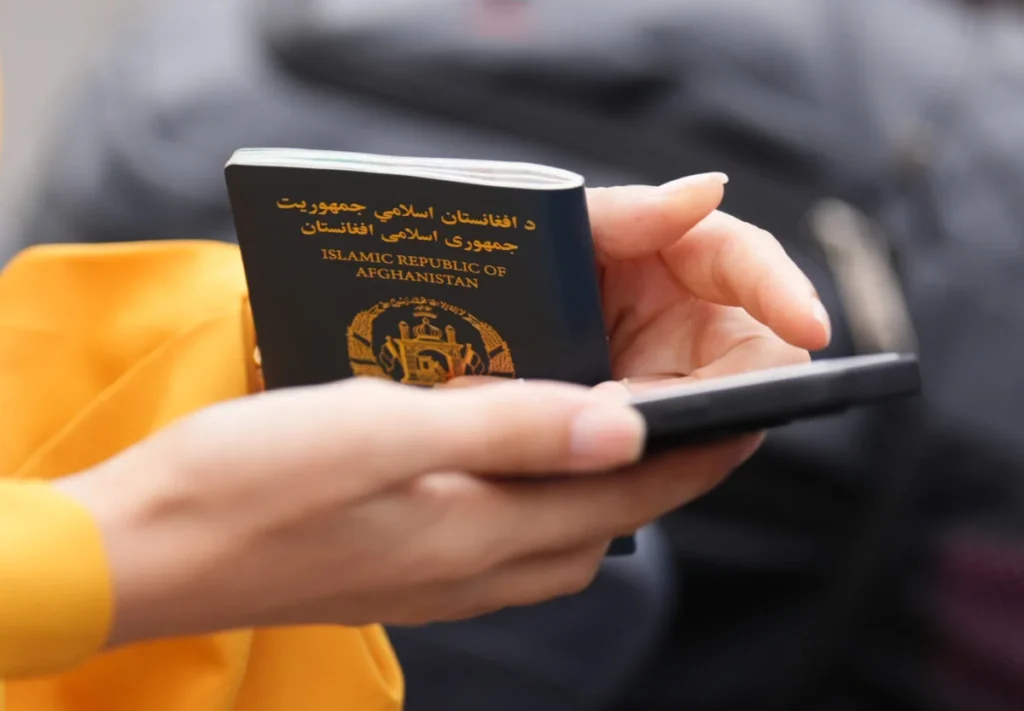
1. Afghanistan
Henley Rank: 104 | Destinations Accessible: 22
Afghanistan has the weakest passport in the world in 2026, ranking 104th on the Henley Passport Index. Afghan passport holders can access only 22 destinations without obtaining a visa in advance, leaving them with very limited international travel options.
Political instability, security concerns and changes in international relations have contributed to the country’s restricted global mobility. Afghan citizens often face demanding visa procedures when planning trips to major destinations in Europe, North America and other regions.
For many Afghan travellers, international journeys involve additional documentation, financial requirements and lengthy application processes. These restrictions can affect tourism, education, employment and family visits abroad.
The limited number of accessible destinations places Afghanistan at the bottom of the global passport ranking and highlights the challenges its citizens face when travelling internationally.
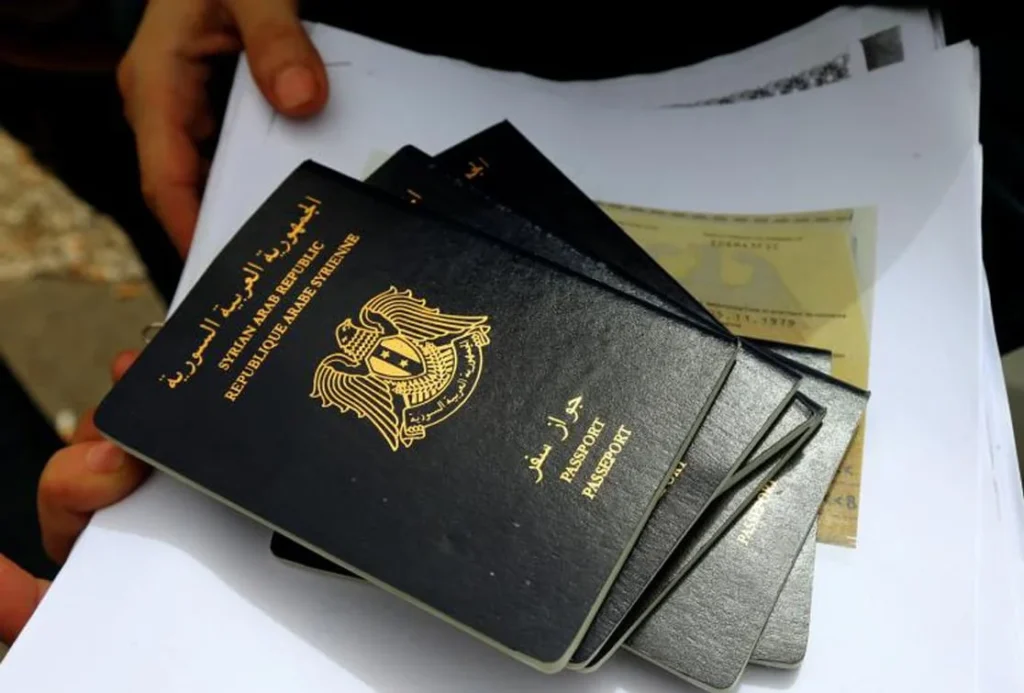
2. Syria
Henley Rank: 103 | Destinations Accessible: 25
Syria holds the second-weakest passport position in 2026, with access to just 25 destinations. Years of conflict, political uncertainty and international restrictions have had a significant impact on the country’s global mobility.
Syrian citizens face strict visa requirements when travelling to many popular international destinations. Applications often involve detailed documentation, proof of financial resources, and additional security checks, making overseas travel difficult for many passport holders.
The situation also affects Syrians living abroad who wish to visit relatives or return home. International travel can involve complicated procedures, particularly when passengers need to arrange transit through countries with additional entry requirements.
Although a limited number of destinations remain accessible without a traditional visa obtained in advance, Syria continues to have one of the world’s most restricted passports.
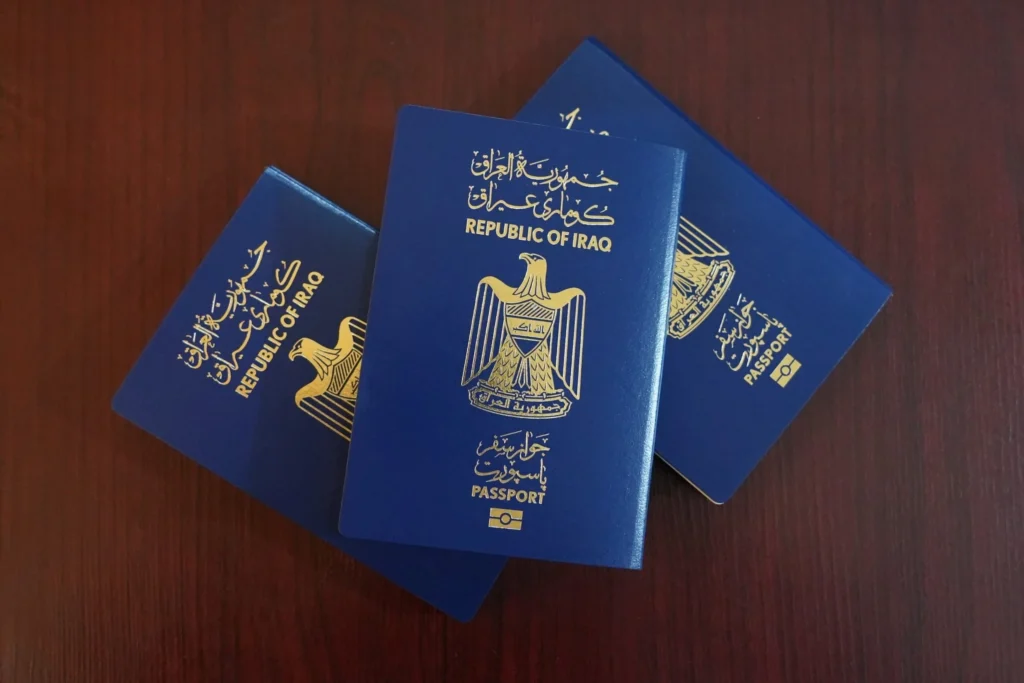
3. Iraq
Henley Rank: 102 | Destinations Accessible: 28
Iraq ranks third among the weakest passports in the world in 2026. With access to only 28 destinations, Iraqi citizens have relatively limited opportunities for visa-free international travel.
The country’s passport ranking reflects a combination of geopolitical challenges, security considerations and international visa policies. Travellers holding Iraqi passports often need to apply for visas before visiting major destinations across Europe, North America and parts of Asia.
These restrictions can create difficulties for people travelling for tourism, business, education or family commitments. Visa applications may require supporting documents, financial evidence and confirmation of accommodation or travel arrangements.
Despite its historical and cultural importance, Iraq’s international travel access remains limited. Its position in the Henley ranking illustrates the difference between the country’s global heritage and the mobility available to its citizens.
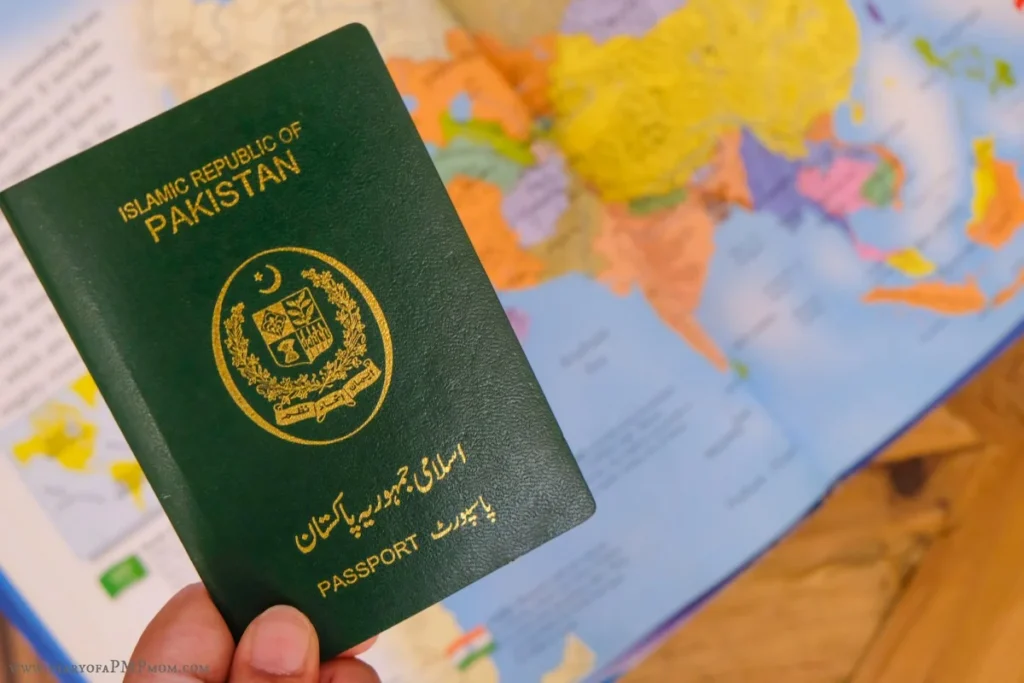
4. Pakistan
Henley Rank: 101 | Destinations Accessible: 29
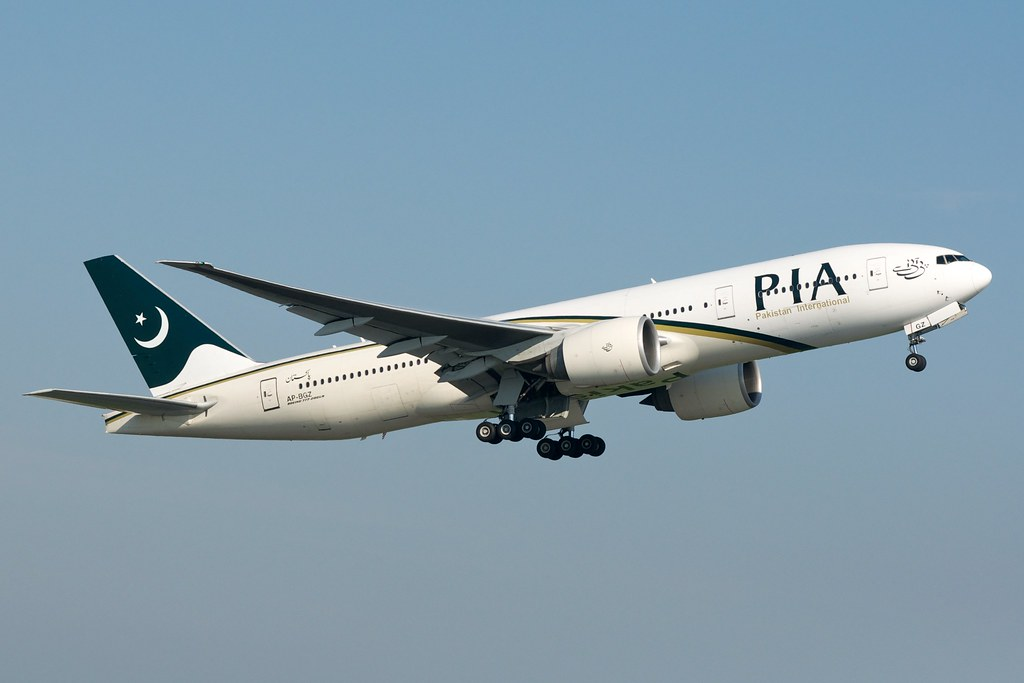
Pakistan has the fourth-weakest passport in the 2026 ranking, with access to 29 destinations. Although the country has a large population and strong connections with international communities, its passport holders continue to face considerable travel restrictions.
Pakistani citizens generally need advance visas for many popular destinations, including countries across Europe and North America. The application process can involve financial documentation, employment details, travel histories and other supporting information.
These requirements can make international holidays more expensive and time-consuming. They can also create additional challenges for students, business travellers and people visiting family members overseas.
Pakistan’s position in the ranking highlights the limited visa-free access available to its citizens compared with travellers holding passports from countries with stronger international mobility agreements.
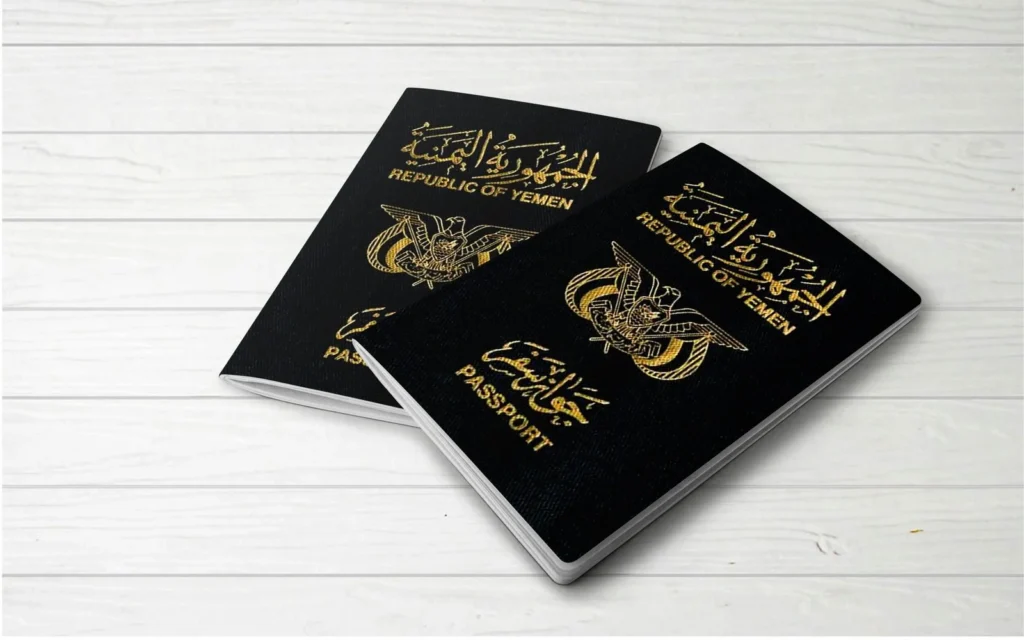
5. Yemen
Henley Rank: 100 | Destinations Accessible: 30
Yemen ranks fifth among the weakest passports in the world in 2026, with access to 30 destinations. The country’s prolonged conflict and political instability have contributed to serious challenges for international travel.
Yemeni passport holders often face strict visa requirements when planning trips abroad. Obtaining permission to visit major destinations can involve extensive documentation, additional checks, and long processing periods.
Travel restrictions can be particularly difficult for people seeking medical treatment, education or employment opportunities outside Yemen. They also affect families attempting to maintain connections with relatives living in other countries.
Although some destinations remain accessible without a visa obtained in advance, the overall level of travel freedom remains low. Yemen’s position in the ranking reflects the wider impact of prolonged instability on international mobility.
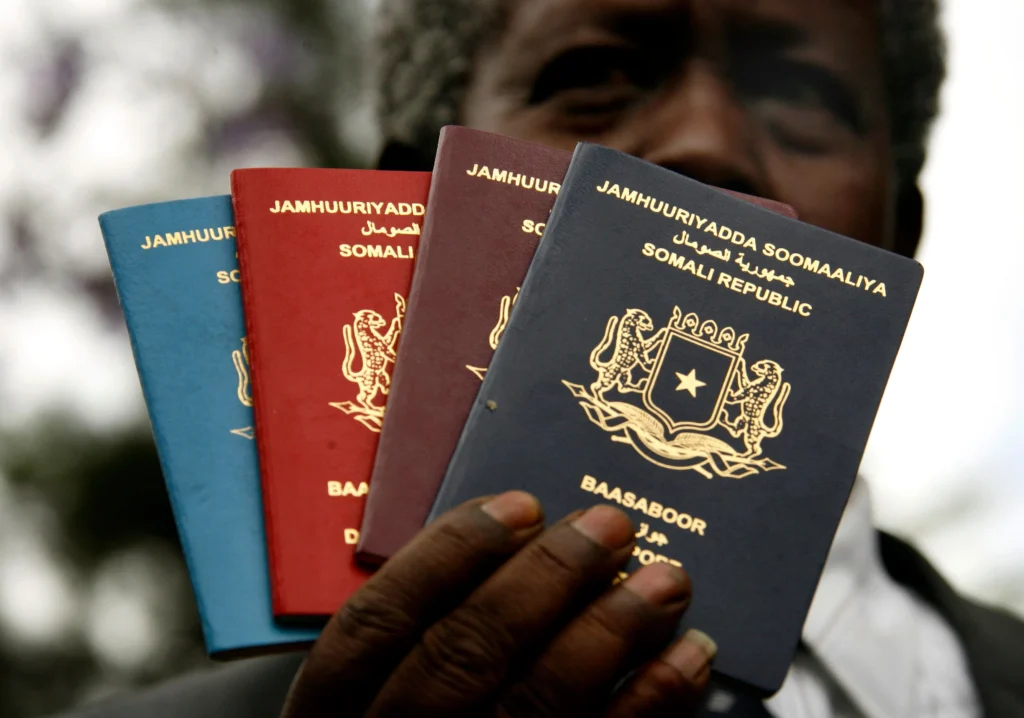
6. Somalia
Henley Rank: 99 | Destinations Accessible: 32
Somalia occupies sixth place among the weakest passports in 2026. Its passport holders can access 32 destinations without obtaining a visa in advance, placing the country among those with the most limited international travel opportunities.
Decades of political instability, security concerns and institutional challenges have affected Somalia’s international mobility. Travellers holding Somali passports often face additional requirements when applying for visas to major destinations.
These restrictions can make it difficult for Somali citizens to travel for business, education, tourism and family visits. Applicants may need to provide extensive supporting documents and meet strict financial or immigration requirements.
Somalia has strong cultural and historical connections with countries across Africa, the Middle East and beyond. However, its passport continues to offer limited access to the wider world, making international travel challenging for many citizens.
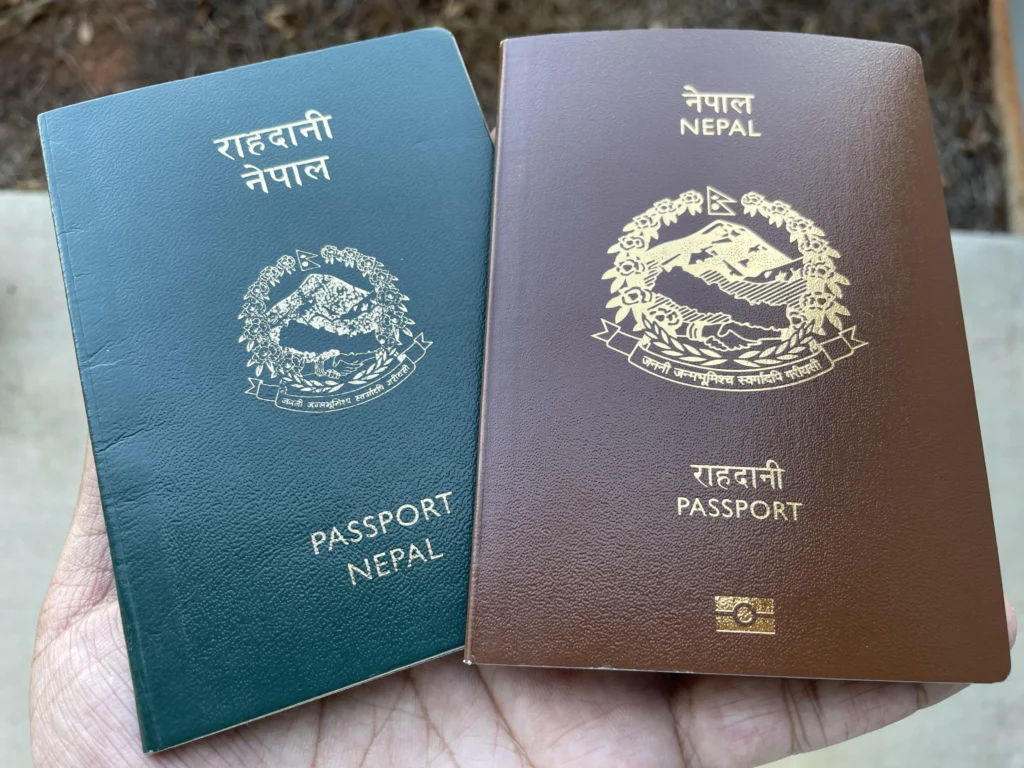
7. Nepal
Henley Rank: 98 | Destinations Accessible: 34
Nepal ranks seventh among the weakest passports in the world in 2026, with access to 34 destinations. The country is internationally recognised for its Himalayan landscapes, trekking routes and tourism industry, but its citizens still face significant restrictions when travelling abroad.
Nepali passport holders generally need advance visas for many destinations, including several major economies. The requirements can involve financial evidence, employment information, accommodation details, and other supporting documents.
These restrictions can affect Nepali citizens travelling for holidays, higher education and overseas employment. Since international migration and foreign employment are important parts of the country’s economy, visa requirements can also influence opportunities for workers seeking jobs abroad.
Nepal’s position in the ranking demonstrates that a country’s popularity as a tourist destination does not necessarily translate into greater travel freedom for its own citizens.
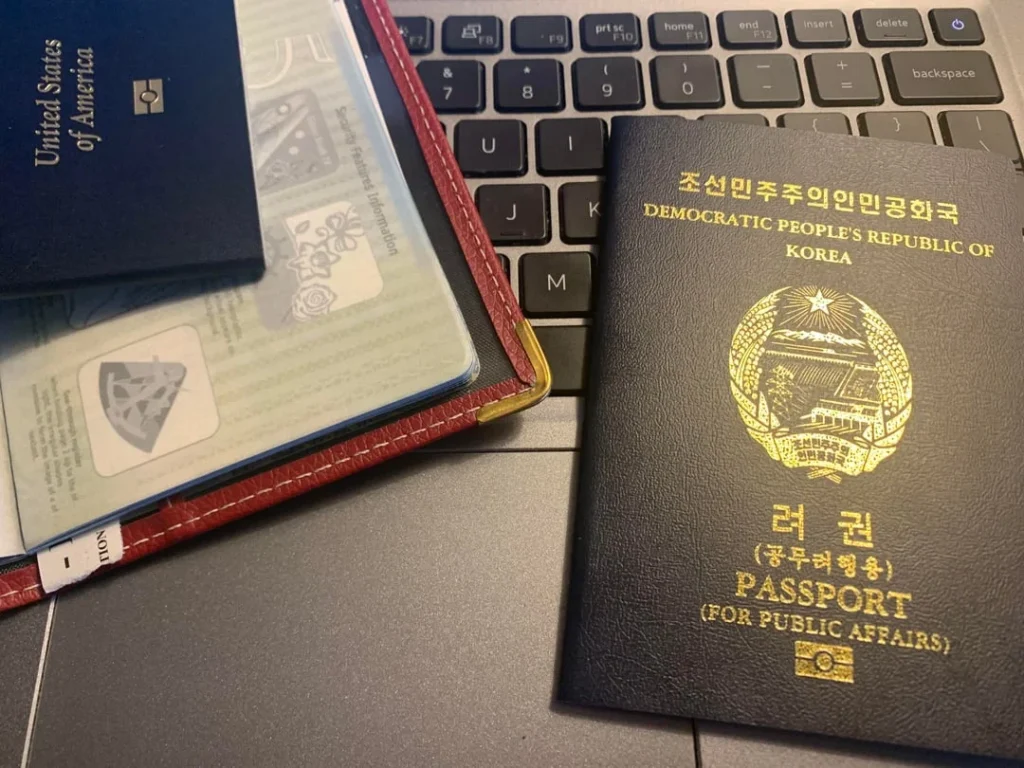
8. North Korea
Henley Rank: 97 | Destinations Accessible: 35
North Korea shares the 97th position in the 2026 ranking, with access to 35 destinations. Its passport holders face some of the most unusual international travel circumstances because of the country’s political system and strict controls over foreign relations.
International travel for North Korean citizens is heavily restricted by domestic regulations. Overseas journeys are generally subject to government approval, meaning that passport access figures alone do not fully represent the practical freedom available to ordinary citizens.
The country also has limited diplomatic and economic relations with many parts of the world. This contributes to the difficulties North Korean travellers may encounter when attempting to visit international destinations.
Although the passport has access to a number of destinations under the index’s methodology, the practical ability of citizens to travel internationally remains considerably more restricted.
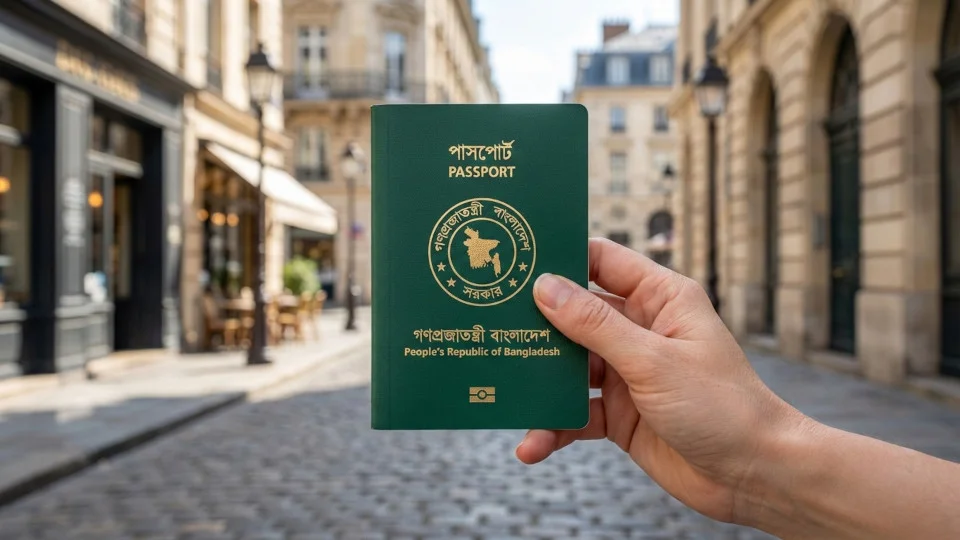
9. Bangladesh
Henley Rank: 97 | Destinations Accessible: 35
Bangladesh also holds the 97th position in the 2026 ranking, with access to 35 destinations. Despite its growing economy and extensive international workforce, Bangladeshi passport holders have relatively limited visa-free travel opportunities.
Citizens generally need to obtain visas before travelling to many major destinations, including countries across Europe and North America. These applications may require financial documents, employment details, accommodation information, and evidence of the purpose of travel.
The restrictions affect different groups of travellers, from tourists and students to businesspeople and migrant workers. For those seeking international education or employment, visa procedures can add time and expense to the process.
Bangladesh has developed stronger international trade and migration links over the years, but its passport ranking indicates that its citizens still face considerable barriers when travelling to many parts of the world.
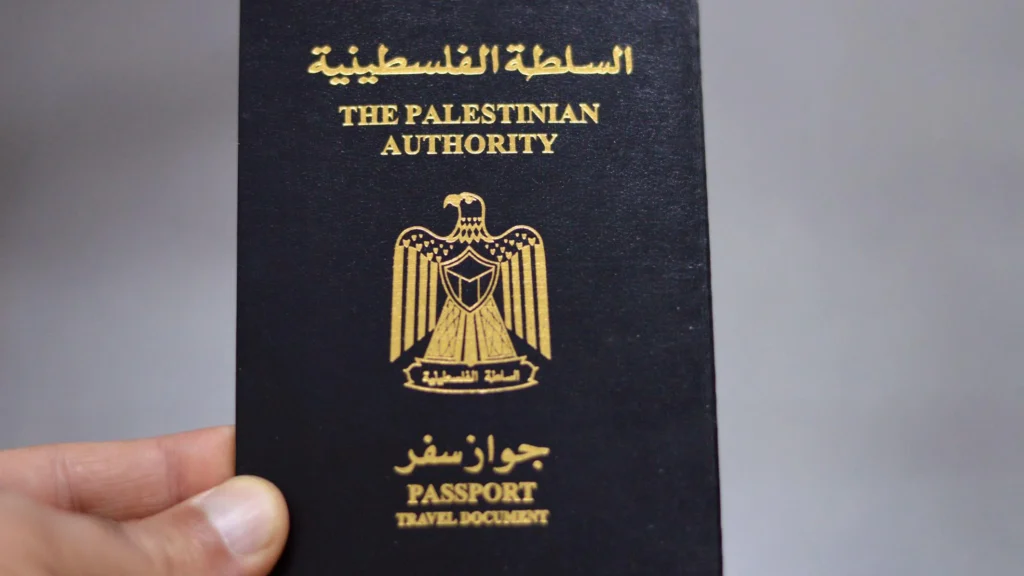
10. Palestinian Territory
Henley Rank: 97 | Destinations Accessible: 37
The Palestinian Territory completes the list of the 10 weakest passports in the world in 2026. It shares the 97th Henley rank with North Korea and Bangladesh, although its listed destination access figure is slightly higher at 37.
Palestinian travellers face a complicated international mobility situation, shaped by political circumstances, border arrangements and visa policies. Travel can involve additional administrative procedures, while access to certain routes and crossings may also be affected by changing conditions.
For many Palestinians, international journeys are important for education, employment, medical treatment and family visits. However, obtaining visas and arranging travel can be challenging, particularly when journeys involve multiple transit points.
Its position among the world’s weakest passports reflects the limited international mobility available to Palestinian travellers and the additional difficulties associated with travelling from the territory.
Why Do Some Countries Have Weak Passports?
Passport strength is influenced by several factors, including diplomatic relationships, international agreements, security considerations, and immigration policies. Countries whose citizens have visa-waiver arrangements with many other governments generally offer greater travel freedom.
Political instability and international conflicts can also affect passport mobility. Governments may introduce stricter entry requirements for certain nationalities, while diplomatic tensions can make it more difficult to negotiate visa-free agreements.
Economic factors and migration concerns may also influence visa policies. Some countries require advance visas from travellers whose nationalities are considered more likely to overstay or seek employment without the appropriate permissions.
It is important to remember that a low passport ranking does not measure the value, culture, or importance of a country. It reflects the travel access available to its citizens under the index’s methodology.
Bottom Line
The weakest passports in the world in 2026 highlight the considerable differences in international travel freedom. Afghanistan ranks last, with access to just 22 destinations, followed by Syria and Iraq. Pakistan, Yemen and Somalia also face significant restrictions, while Nepal, North Korea, Bangladesh and the Palestinian Territory complete the list.
For millions of people, passport strength can influence access to education, employment, tourism and family connections. These rankings therefore represent more than travel convenience; they also reflect the wider diplomatic and political relationships that shape international mobility.
Weakest Passport in the World FAQs
Afghanistan has the weakest passport in the supplied 2026 ranking, holding 104th place with access to 22 destinations.
North Korea, Bangladesh and the Palestinian Territory are listed at rank 97. However, their destination-access figures differ, with the Palestinian Territory having access to 37 destinations.
The Henley Passport Index ranks passports according to the number of destinations their holders can access without obtaining a visa in advance. Its methodology considers visa-free and qualifying visa-on-arrival access.
Stay tuned with us. Further, follow us on social media for the latest updates.
Join us on Telegram Group for the Latest Aviation Updates. Subsequently, follow us on Google News
