


The global travel and tourism industry is changing rapidly, with several emerging destinations making impressive progress in attracting visitors, developing infrastructure, and improving their tourism services. While established destinations such as Japan, Spain, France, and the United States continue to dominate international tourism, a different group of countries is making some of the fastest improvements.
According to the World Economic Forum’s Travel & Tourism Development Index (TTDI) 2026, Albania leads the world’s fastest-improving tourism economies, followed by Vietnam, Laos, Qatar, and Malaysia. Thailand, the Philippines, Morocco, Nepal, and Sri Lanka complete the top 10.
The index evaluates 110 economies using factors such as transport infrastructure, tourism services, natural and cultural resources, business conditions, and sustainability. Rather than simply counting international visitors, it examines how effectively countries are developing the conditions needed for long-term tourism growth.
Top 10 Fastest Improving Countries for Travel and Tourism
Global tourism has also recovered strongly, with approximately 1.52 billion international tourist arrivals recorded in 2025. Against this backdrop, these ten countries are demonstrating how investment, connectivity, affordability, and distinctive travel experiences can help destinations become increasingly competitive.

1. Albania
Albania ranks first among the world’s fastest-improving countries for travel and tourism in 2026, recording a 7.0% increase in its TTDI score between 2024 and 2026. The southeastern European country has emerged as an increasingly attractive destination, particularly among travellers looking for Mediterranean scenery without the prices associated with some neighbouring countries.
One of Albania’s greatest advantages is its coastline. The Albanian Riviera, including destinations such as Ksamil, Saranda, and Himara, offers clear waters, attractive beaches, and a growing selection of accommodation. Meanwhile, historic towns such as Berat and Gjirokaster provide visitors with traditional architecture, cultural heritage, and a different perspective on the country’s history.
Albania’s improvement is closely associated with developments in tourism services, air transport, and ground infrastructure. Better connections and expanding visitor facilities are helping the country accommodate growing demand.
However, rapid development also brings challenges. Coastal destinations face increasing pressure during the summer, while transport and public services require continued investment. Maintaining affordability and protecting natural landscapes will be important as Albania develops its tourism industry further.
2. Vietnam
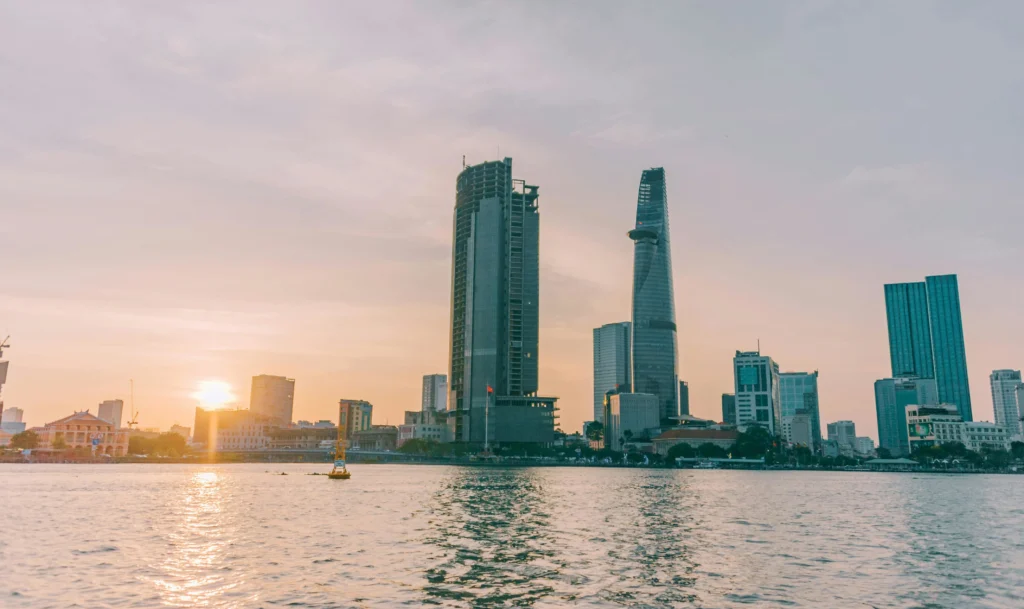
Vietnam secures second place with a 6.3% improvement in its tourism development score. The Southeast Asian country has become one of the region’s most attractive destinations, combining cultural heritage, dramatic landscapes, affordable accommodation, and a growing hospitality industry.
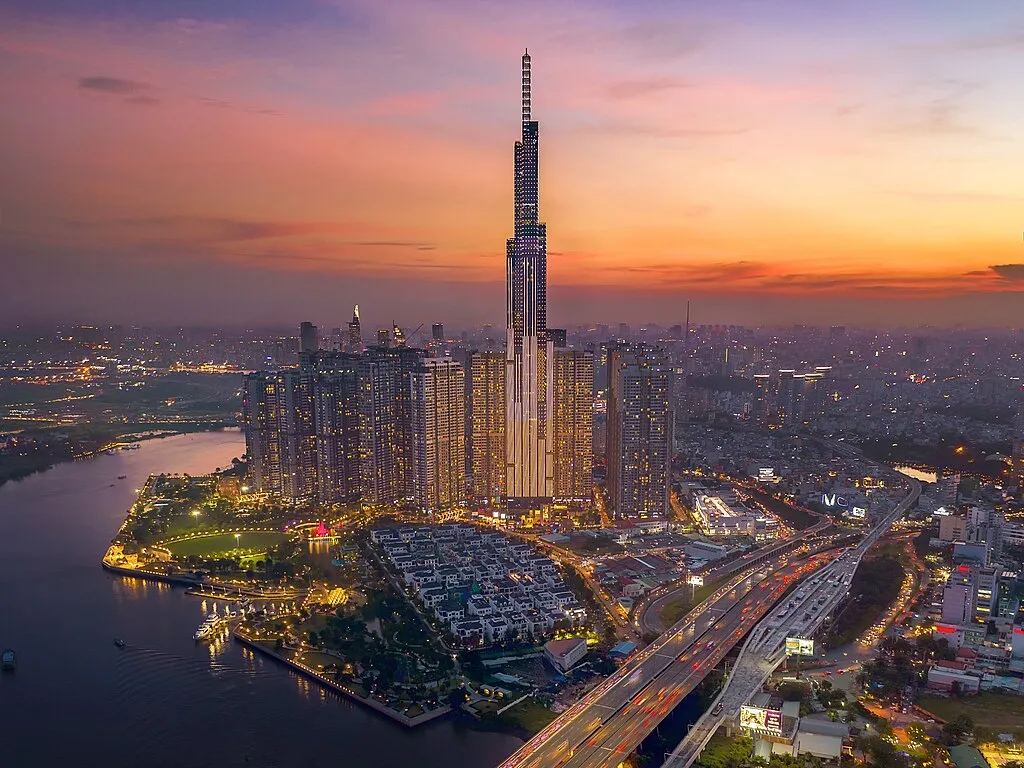
Vietnam’s tourism appeal extends across several regions. Hanoi attracts visitors with its historic streets, traditional markets, and food culture, while Ho Chi Minh City offers a lively urban environment. Ha Long Bay remains one of the country’s best-known natural attractions, and destinations such as Da Nang, Hoi An, and Phu Quoc cater to travellers seeking beaches and relaxation.
The country’s improving tourism position reflects its broader efforts to strengthen international connectivity, develop visitor services, and promote destinations beyond its established tourist centres. Its varied accommodation options also appeal to different budgets, from backpackers to luxury holidaymakers.
Vietnam has opportunities to expand adventure tourism, cultural travel, and sustainable tourism in rural areas. However, overcrowding at popular attractions, environmental protection, and infrastructure capacity remain important considerations.
With its combination of affordability, distinctive experiences, and an expanding tourism network, Vietnam is well positioned to remain a major destination in Asia.

3. Laos
Laos ranks third globally, recording a 6.1% improvement between 2024 and 2026. Although it receives less international attention than neighbouring Thailand and Vietnam, Laos is gradually strengthening its position as a destination for cultural tourism, nature-based holidays, and slower-paced travel.
The country is particularly appealing to visitors interested in traditional communities, Buddhist heritage, and scenic landscapes. Luang Prabang, a UNESCO World Heritage city, is known for its temples, historic buildings, and peaceful atmosphere. Vang Vieng attracts adventure travellers with its limestone mountains, rivers, caves, and outdoor activities.
Improving transport connections are helping make Laos more accessible. The Laos-China Railway, for example, has strengthened links between important destinations and created new opportunities for regional tourism.
Laos also benefits from its relatively uncrowded attractions and opportunities for community-based tourism. Travellers can explore rural villages, waterfalls, national parks, and the Mekong River while experiencing local traditions.
Nevertheless, accommodation standards, road infrastructure, and tourism services remain uneven outside established destinations. Continued investment and responsible development will be essential if Laos is to convert its natural and cultural strengths into sustainable economic benefits.
4. Qatar
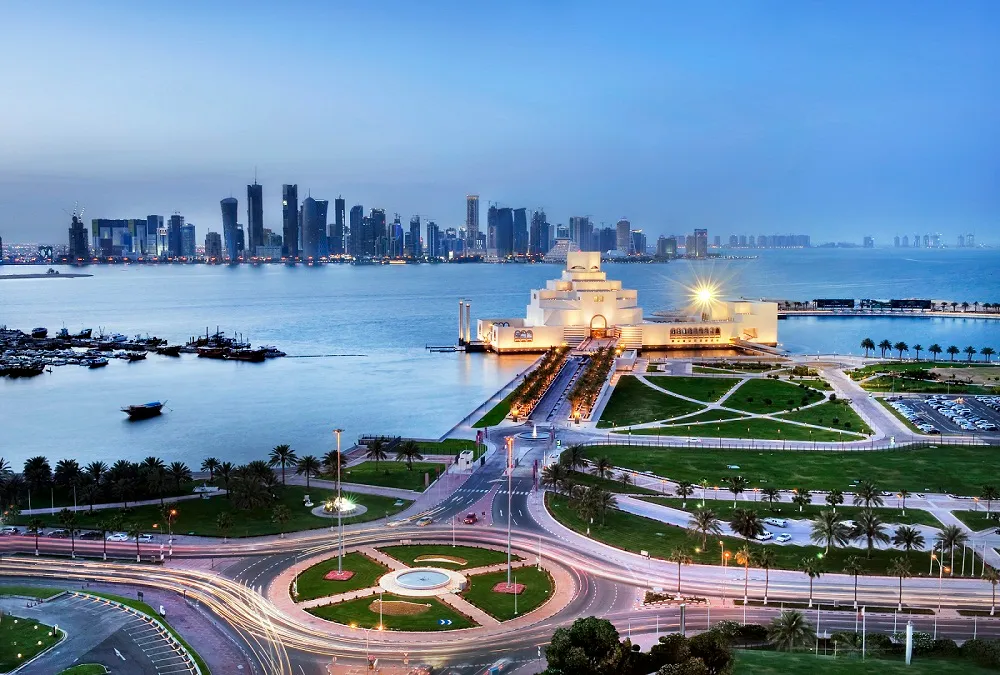
Qatar takes fourth place with a 6.0% improvement in its travel and tourism development score. The Gulf nation has invested heavily in aviation, hospitality, entertainment, and visitor infrastructure, transforming itself into an increasingly prominent international destination.
Doha serves as the centre of Qatar’s tourism industry. Visitors can explore the Museum of Islamic Art, the National Museum of Qatar, Souq Waqif, and the modern waterfront along the Corniche. Luxury hotels, shopping centres, restaurants, and entertainment attractions have also expanded the country’s appeal.
Qatar benefits from Hamad International Airport, a major international aviation hub connecting travellers across Europe, Asia, Africa, and the Americas. Qatar Airways further strengthens the country’s international visibility and accessibility.
The country has also developed its reputation for hosting international sporting events, conferences, and exhibitions. Infrastructure created around the 2022 FIFA World Cup continues to support tourism and business travel.
However, Qatar faces challenges associated with its hot summer climate and regional geopolitical uncertainty. Expanding its range of experiences beyond luxury tourism and short stopovers could help attract visitors seeking longer holidays.
Its modern infrastructure and international connectivity nevertheless make Qatar one of the fastest-developing tourism destinations in the Middle East.
5. Malaysia
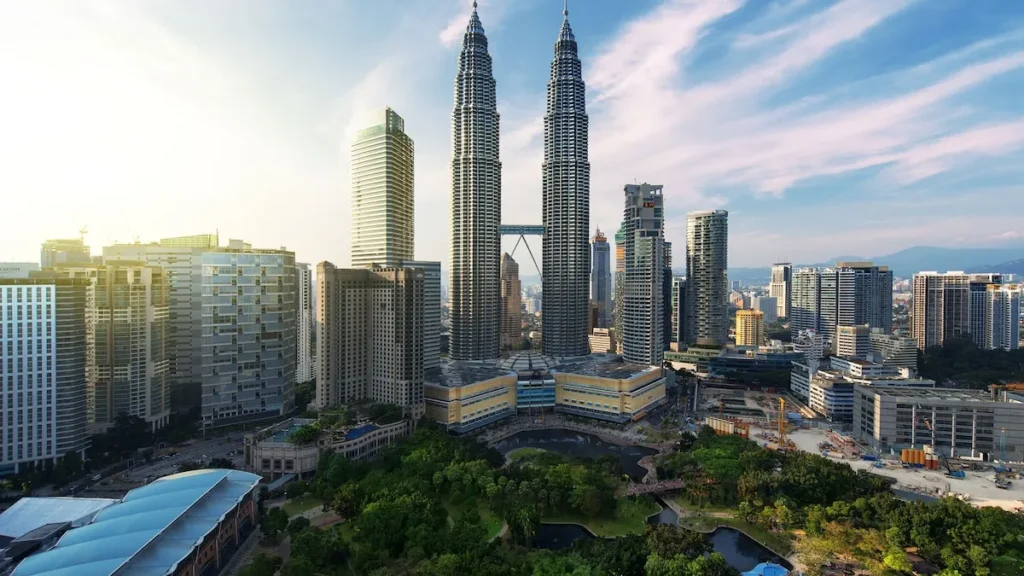
Malaysia ranks fifth with a 5.8% improvement, reflecting its growing strength as a diverse and accessible tourism destination. The country offers a combination of modern cities, tropical islands, rainforests, cultural attractions, and well-established hospitality services.
Kuala Lumpur remains a major attraction, with landmarks such as the Petronas Twin Towers, shopping districts, and a thriving restaurant scene. Penang is known for its historic architecture and food culture, while Langkawi attracts visitors seeking beaches and island resorts.
Malaysian Borneo offers a different experience, with rainforests, wildlife, national parks, and opportunities for nature-based tourism. Destinations in Sabah and Sarawak are particularly attractive to travellers interested in biodiversity and outdoor adventures.
Malaysia’s established aviation network and tourism facilities provide a foundation for further development. Its multicultural character, reflected in Malay, Chinese, Indian, and Indigenous traditions, also creates a distinctive visitor experience.
The country has opportunities to strengthen eco-tourism and encourage travellers to explore less-visited regions. Protecting sensitive environments, improving sustainability, and managing development around popular attractions will remain important priorities.
Malaysia’s variety and accessibility help explain why it continues to improve its position in international tourism.
6. Thailand
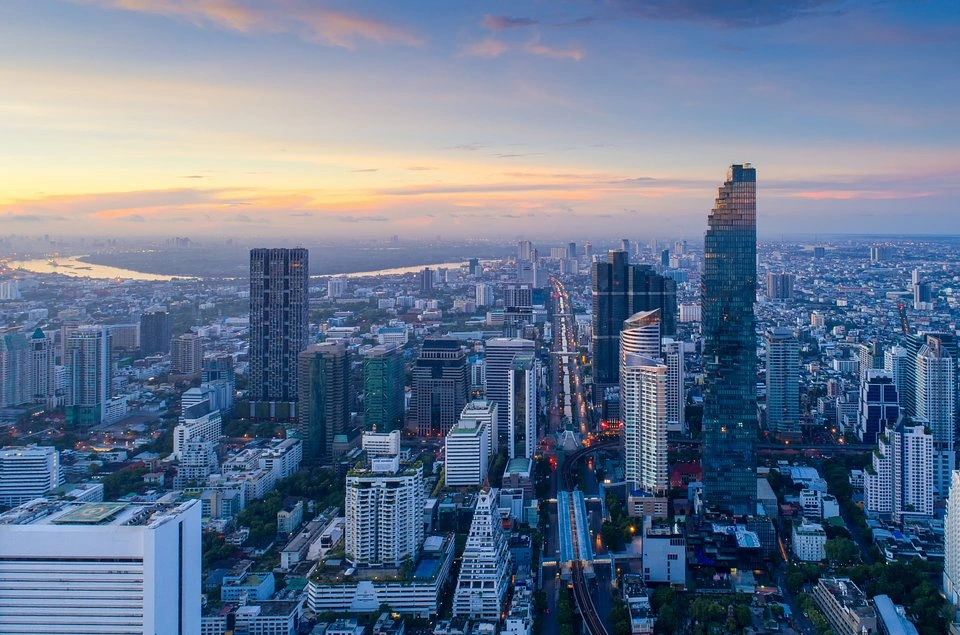
Thailand occupies sixth place with a 5.6% improvement in its tourism development score. Already one of Asia’s best-known holiday destinations, Thailand continues to strengthen its tourism industry through improved services, infrastructure, and a broad range of travel experiences.
Bangkok remains a major international gateway, attracting visitors with its temples, shopping centres, street food, nightlife, and cultural landmarks. Phuket, Krabi, and Koh Samui are popular for their beaches and resorts, while Chiang Mai offers temples, mountain scenery, and northern Thai traditions.
Thailand’s appeal lies partly in its ability to serve different types of travellers. Budget backpackers, families, honeymooners, wellness tourists, and luxury holidaymakers can all find suitable accommodation and activities.
The country also has a well-developed hospitality sector and extensive domestic tourism network. Medical and wellness tourism provide additional opportunities beyond conventional beach holidays.
However, Thailand faces challenges from overcrowding in certain destinations, environmental damage, and pressure on marine ecosystems. Tourism operators and authorities must balance visitor growth with conservation and community interests.
Its continued improvement demonstrates that even established tourism destinations can become more competitive by adapting to changing traveller expectations and strengthening their infrastructure.
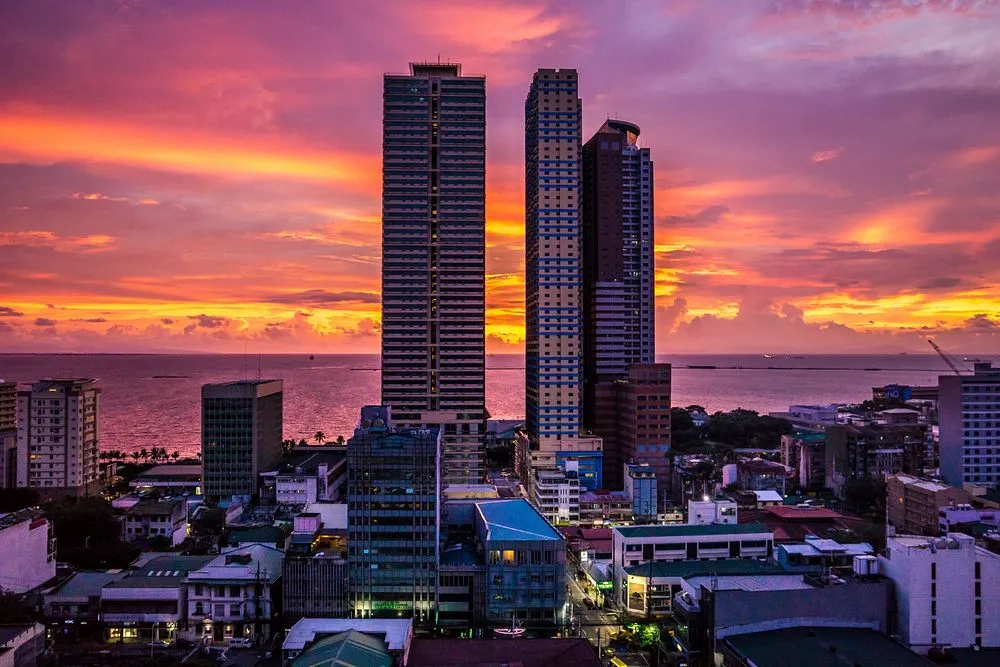
7. Philippines
The Philippines ranks seventh with a 5.5% improvement in its travel and tourism development score. The archipelago, consisting of more than 7,000 islands, offers extensive opportunities for beach holidays, diving, adventure tourism, and cultural experiences.
Palawan is internationally recognised for its limestone cliffs, turquoise lagoons, and island-hopping experiences. Boracay attracts visitors with its white-sand beaches, while Cebu and Bohol combine coastal attractions with historical sites and outdoor activities.
The country’s natural environment is one of its strongest tourism assets. Coral reefs, marine wildlife, waterfalls, mountains, and tropical forests provide opportunities for diving, snorkelling, trekking, and other adventure activities.
The Philippines also benefits from widespread English-language proficiency, making communication relatively straightforward for many international travellers.
Despite these advantages, travelling between islands can involve additional flights or ferry journeys. Transport reliability, airport capacity, and tourism infrastructure vary considerably between destinations.
The country is also vulnerable to typhoons and other extreme weather events, making resilient infrastructure particularly important.
As accessibility improves and more destinations develop their tourism services, the Philippines has considerable potential to attract visitors beyond its most established holiday islands.
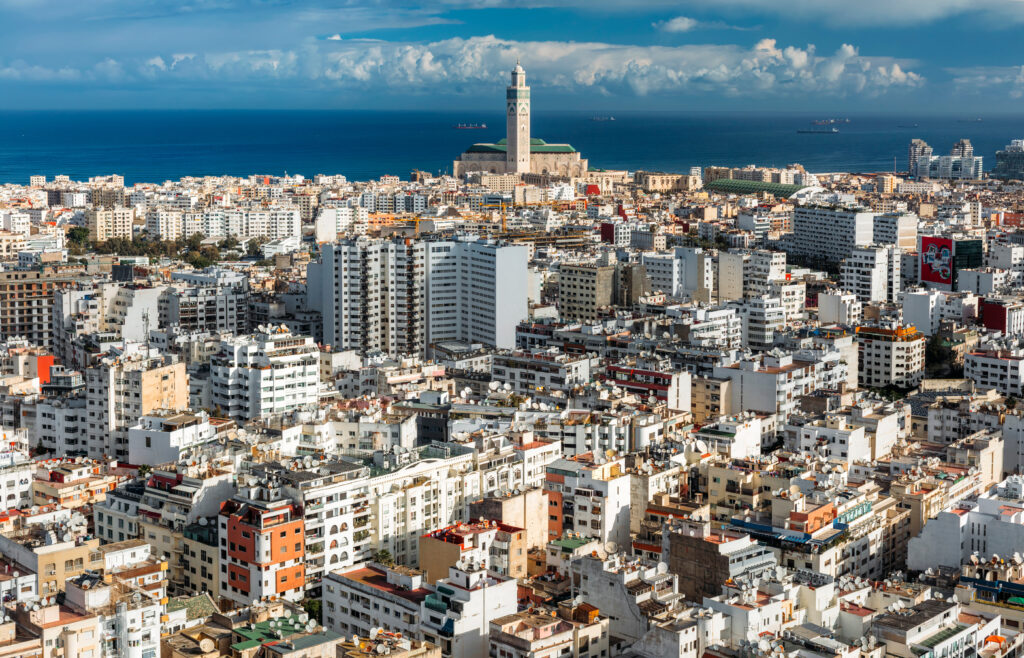
8. Morocco
Morocco shares a 5.5% improvement with the Philippines and ranks eighth on the list. The North African country has strengthened its position as a major international destination through improved connectivity, expanding accommodation, and its distinctive combination of culture, landscapes, and historic cities.
Marrakech remains one of Morocco’s most recognisable destinations, attracting travellers with its markets, palaces, gardens, and traditional riads. Fez offers an extensive historic medina, while Casablanca and Rabat provide a mixture of modern urban life and cultural heritage.
Beyond the cities, Morocco offers the Atlas Mountains, Atlantic beaches, desert landscapes, and opportunities for adventure tourism. Destinations such as Agadir and Essaouira attract visitors seeking coastal holidays.
Morocco welcomed approximately 19.8 million tourists in 2025, highlighting the scale of its tourism industry. Its preparations for co-hosting the 2030 FIFA World Cup are also encouraging further attention to transport, accommodation, and visitor infrastructure.
However, increasing tourist numbers can place pressure on historic districts, water resources, and local communities. Sustainable development will be essential as the country expands its tourism capacity.
Morocco’s cultural diversity and growing international accessibility make it one of Africa’s most promising tourism markets.
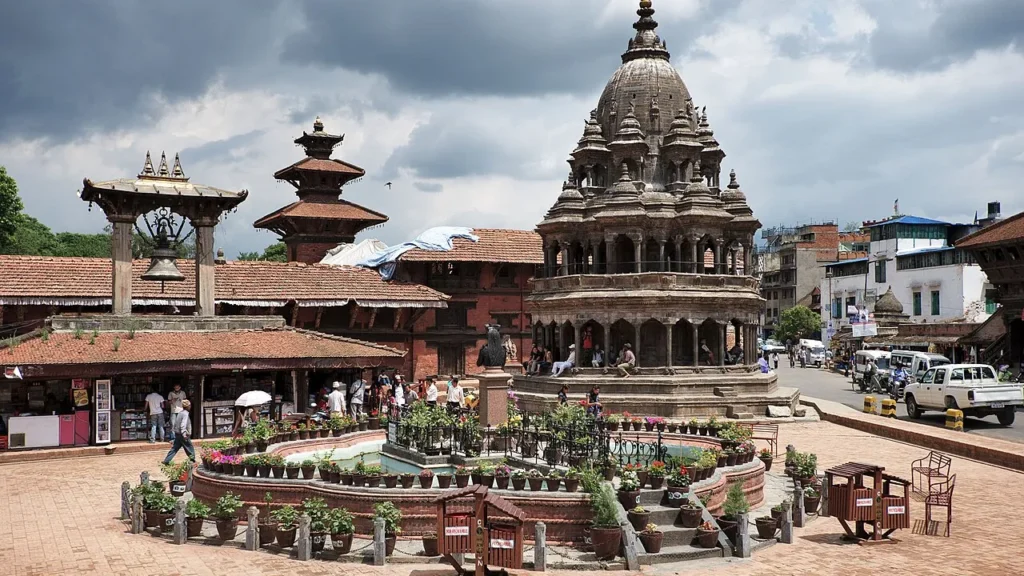
9. Nepal
Nepal ranks ninth with a 5.1% improvement in its tourism development score. The Himalayan nation is best known for mountain tourism, trekking, and adventure travel, but its cultural heritage and natural attractions offer a much broader range of experiences.
Mount Everest and the Annapurna region attract trekkers and climbers from around the world. However, Nepal also offers wildlife experiences in Chitwan National Park, lakeside tourism in Pokhara, and historic temples and squares throughout the Kathmandu Valley.
Tourism plays an important role in supporting local businesses, guides, accommodation providers, and mountain communities. Improvements in visitor facilities and connectivity can therefore have significant economic benefits.
Nepal’s appeal is closely linked to its natural environment and cultural identity. Trekking routes, traditional villages, Buddhist monasteries, and Hindu pilgrimage sites provide experiences that differ considerably from conventional resort tourism.
Challenges remain, particularly in mountain transport, infrastructure reliability, waste management, and visitor safety. The country’s mountainous geography makes development difficult, while extreme weather and natural hazards require careful planning.
Continued investment in sustainable trekking, transport, and tourism services could help Nepal attract a wider range of international visitors while protecting its fragile mountain ecosystems.
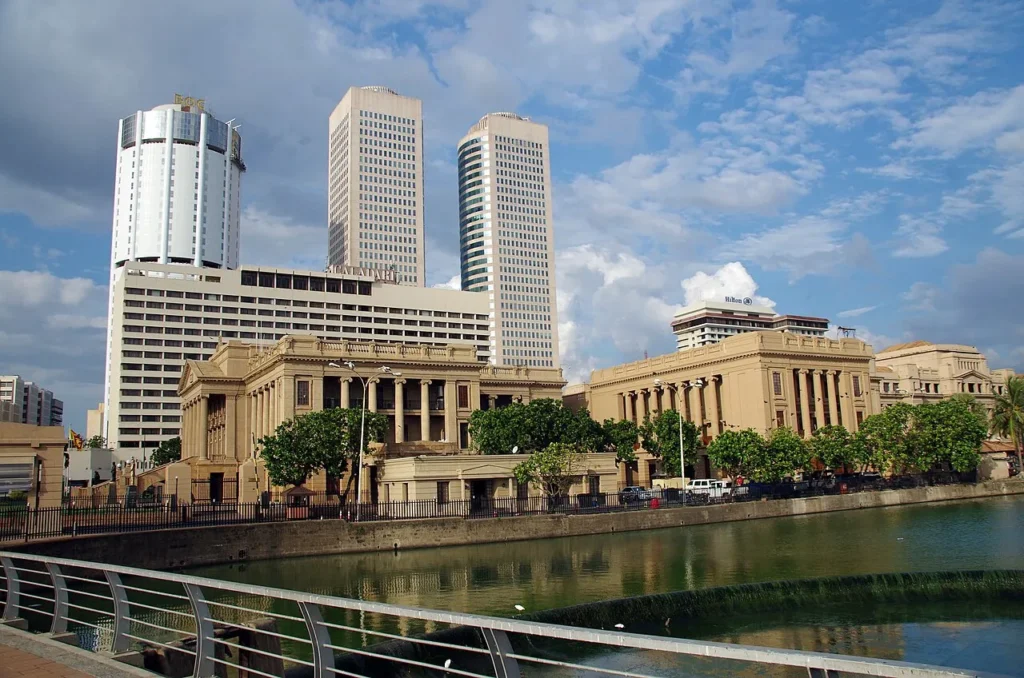
10. Sri Lanka
Sri Lanka completes the top 10 with a 4.3% improvement in its tourism development score. The island nation has been rebuilding its tourism industry following several years of economic difficulties and disruptions, while continuing to attract travellers with its beaches, wildlife, cultural heritage, and scenic landscapes.
Sri Lanka offers an unusually varied travel experience within a relatively compact area. Colombo provides urban attractions and coastal experiences, while Kandy is known for its cultural and religious significance. Sigiriya, Anuradhapura, and Polonnaruwa attract visitors interested in ancient history.
The central highlands, particularly around Ella and Nuwara Eliya, offer tea plantations, mountain scenery, and railway journeys. Coastal destinations such as Mirissa and Unawatuna are popular for beach holidays, while national parks provide opportunities to see elephants, leopards, and other wildlife.
Tourism is an important source of foreign exchange and employment for Sri Lanka. The country has been working to strengthen international promotion and attract visitors from established and emerging markets.
However, economic pressures, infrastructure requirements, and external disruptions continue to affect the industry. Sustainable tourism development and reliable visitor services will be important for maintaining progress.
Sri Lanka’s diverse attractions and improving tourism conditions give it considerable potential for further growth.
What Is Driving Tourism Improvements In These Countries?
The 2026 results reveal several common factors behind the progress made by these destinations.
Improved air connectivity is helping travellers reach destinations that were previously more difficult or expensive to access. Investment in airports, roads, railways, and accommodation is also making tourism more convenient.
Natural and cultural attractions remain major advantages, particularly for countries such as Nepal, Laos, Albania, and Sri Lanka. Meanwhile, destinations such as Qatar and Malaysia benefit from established aviation connections and expanding hospitality facilities.
Affordability is another important consideration. Countries offering attractive experiences at competitive prices can appeal to travellers who are increasingly conscious of holiday expenses.
However, tourism development is not simply about increasing visitor numbers. Environmental protection, workforce skills, local community benefits, and infrastructure resilience are equally important for long-term success.
The World Economic Forum’s findings show that developing tourism economies are making particularly strong progress, even though established destinations continue to lead the overall rankings.
Bottom Line
The top 10 fastest-improving countries for travel and tourism in 2026 demonstrate how emerging and established destinations are adapting to changing global travel patterns.
Albania leads with a 7.0% improvement, followed by Vietnam and Laos, which have strengthened their positions in Southeast Asian tourism. Qatar and Malaysia are benefiting from connectivity and infrastructure development, while Thailand and the Philippines continue to expand their appeal.
Morocco, Nepal, and Sri Lanka complete the list, highlighting the importance of cultural heritage, natural attractions, and continued investment.
These countries are not necessarily the world’s ten most visited or highest-ranked tourism destinations. Instead, they have recorded the strongest improvements in the conditions supporting tourism development between 2024 and 2026.
Their future success will depend on whether they can maintain this progress while protecting their environments, supporting local communities, and providing safe, accessible, and rewarding travel experiences.
FAQs
Albania ranks first in the World Economic Forum’s 2026 Travel & Tourism Development Index for improvement, recording a 7.0% increase in its score between 2024 and 2026. Improvements in transport infrastructure and tourism services contributed to its performance.
Vietnam, Laos, Malaysia, Thailand, the Philippines, Nepal, and Sri Lanka feature among the ten fastest-improving countries. These destinations benefit from a combination of natural attractions, cultural heritage, growing connectivity, and tourism investment.
The World Economic Forum’s Travel & Tourism Development Index evaluates conditions that support sustainable tourism development, including infrastructure, business conditions, safety, tourism services, natural and cultural resources, and environmental sustainability. The improvement percentages represent changes in index scores rather than increases in tourist arrivals.
Stay tuned with us. Further, follow us on social media for the latest updates.
Join us on Telegram Group for the Latest Aviation Updates. Subsequently, follow us on Google News
