


SINGAPORE– Singapore Airlines (SQ) received medical assistance from a former emergency room worker after a cabin crew member fell seriously ill onboard flight SQ843 from Chengdu, China, to Singapore on October 17.
The former healthcare worker responded to an onboard medical announcement, assessed the crew member’s condition, established an intravenous line and administered anti-nausea medication. Her intervention helped stabilise the patient before the aircraft reached Singapore.
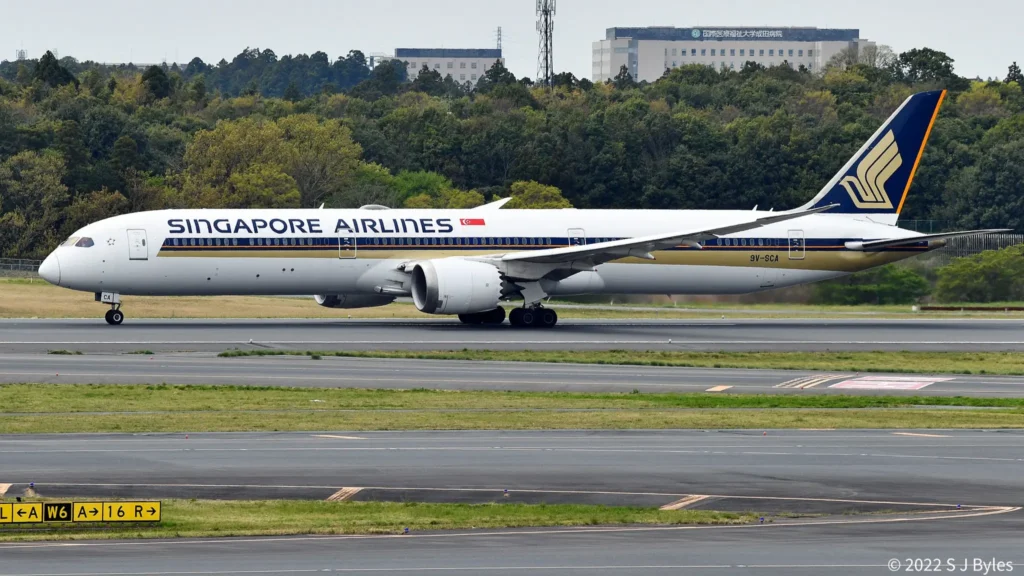
Former ER Worker Helps Stabilise Singapore Airlines Cabin Crew Member
Singapore Airlines flight SQ843 was operating from Chengdu Tianfu International Airport (TFU) in Chengdu, China, to Singapore Changi Airport (SIN) on October 17 when a cabin crew member required urgent medical attention.
According to a report by Shin Min Daily News, the incident occurred at approximately 7 pm local time. Flight tracking website FlightAware showed that the aircraft had departed Chengdu Tianfu International Airport at around 6.32 pm.
A passenger identified as Nicole K shared details of the incident in a Xiaohongshu post on October 21. She explained that the cabin crew made an announcement requesting medical assistance shortly after takeoff.
Nicole initially hesitated because she believed another doctor or medical professional might be onboard. She also felt nervous because she had not worked in an emergency room (ER) for a long time.
However, when the cabin crew made a second announcement, she decided to step forward and help.
She discovered a young male cabin crew member lying weakly on the aircraft floor. She immediately checked his pulse and found that it was present but extremely weak.
She also noticed that his hands and feet felt cold. The crew member appeared groggy and struggled to respond to questions.
He could barely communicate his condition and only managed to tell her that he felt nauseous.
Recognising the seriousness of his condition, Nicole began assessing his medical needs while requesting assistance from the cabin crew.

Former Healthcare Worker Conducts Medical Assessment
Nicole requested a stethoscope from the cabin crew and asked them to help check the patient’s blood pressure, oxygen saturation, and blood glucose levels.
The initial assessment allowed her to evaluate his condition and determine the next steps.
She concluded that the patient required an intravenous (IV) line to administer medication.
Nicole explained that the crew member’s veins were difficult to locate. She therefore asked the cabin crew to prepare additional catheters in case the first attempt failed.
Despite the challenge, she successfully established the IV line on her first attempt.
The former healthcare worker later expressed gratitude that her years of emergency room experience had helped her respond to the situation.
Her experience proved valuable as she continued monitoring the crew member and providing the necessary medical assistance, AsiaOne reported.
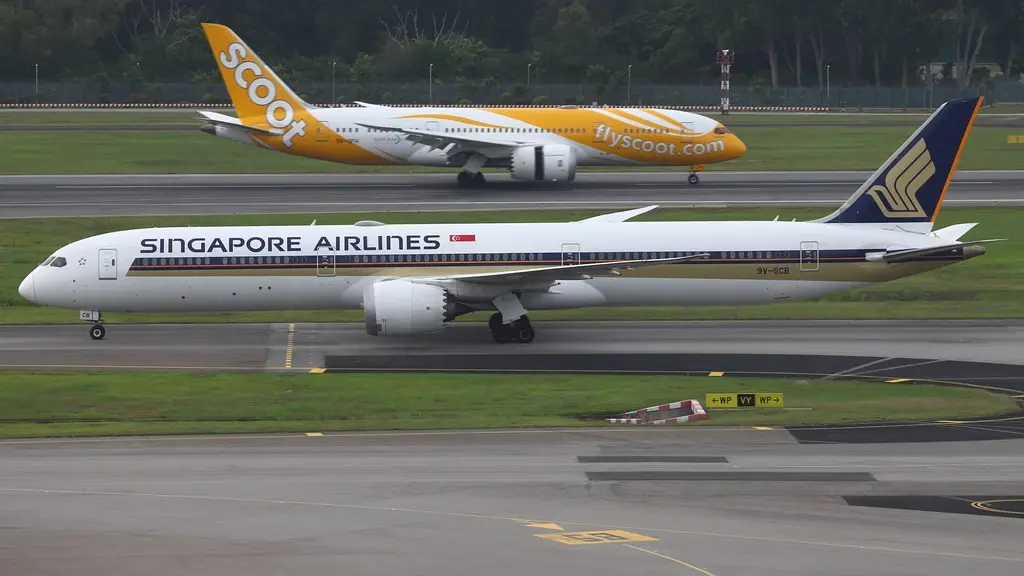
Singapore Airlines Crew Member Receives IV Medication
After establishing the IV line, Nicole administered anti-nausea medication to the cabin crew member.
She continued observing his condition and monitoring his vital signs to determine whether the treatment was working.
Approximately 30 minutes later, she noticed signs of improvement.
The patient’s pulse had become stronger, while his heart rate had decreased. These changes suggested that his condition had stabilised following the initial treatment.
Nicole continued monitoring him because the aircraft still had several hours remaining before arrival.
At approximately 8.30 pm, she noted that the flight was expected to land in around three hours.
Rather than returning to her seat, she decided to remain beside the patient throughout the remainder of the journey.
She continued observing his condition until the aircraft arrived in Singapore.
The former healthcare worker said she only felt relieved after handing the cabin crew member over to the medical team waiting on the ground.
The incident highlighted the importance of continued monitoring after an onboard medical emergency, particularly when a patient requires treatment before reaching a hospital.

Passenger Praises Singapore Airlines Crew for Emergency Response
Nicole praised the Singapore Airlines cabin crew for their cooperation throughout the medical emergency.
She explained that the cabin crew helped locate medical equipment and assisted with patient care while she administered treatment.
The former healthcare worker noted that coordinating medical assistance onboard required clear communication because the aircraft did not have a familiar medical team available.
She said the cabin crew communicated with her throughout the process and followed her instructions.
Their cooperation helped her locate the required equipment and continue treating the patient.
Nicole also acknowledged that she had felt nervous before stepping forward.
However, she expressed pride in her decision to assist the cabin crew member and use her medical experience during the emergency.
Her Xiaohongshu post received more than 12,000 likes and approximately 550 comments, with users praising her courage and willingness to help.
One passenger who was onboard SQ843 also commented on the incident.
The passenger said she had heard the medical announcement and realised that an emergency was taking place.
She added that seeing Nicole step forward made her feel reassured because professional medical assistance was available onboard.
The passenger thanked Nicole for her courage and kindness, explaining that knowing a medical professional was helping the crew member made the situation less frightening.
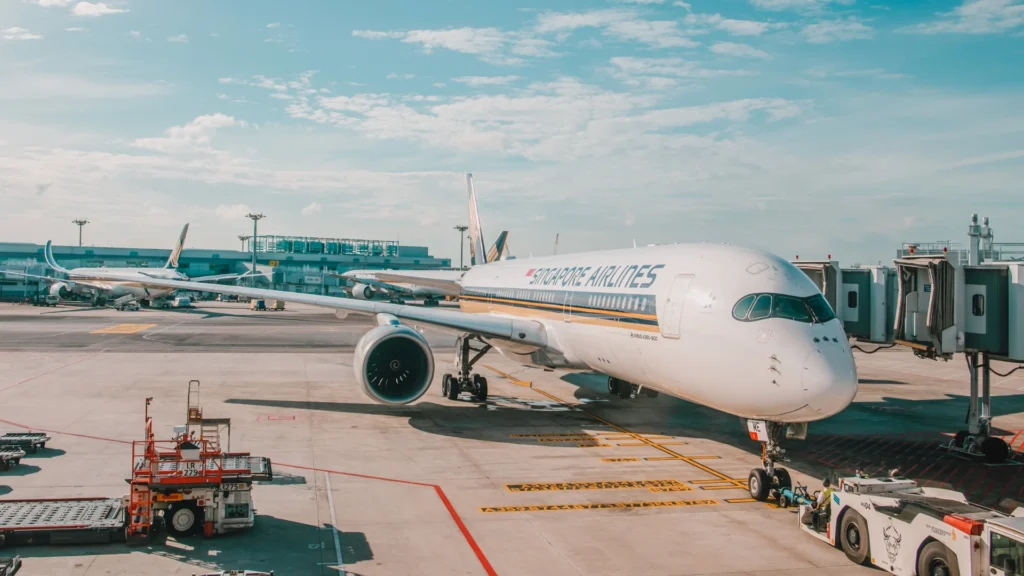
Medical Assistance Highlights Importance of Trained Passengers
The incident demonstrated how passengers with medical training can provide valuable assistance during an onboard emergency.
Although Nicole had not worked in an emergency room for a long time, her previous experience helped her assess the patient, establish an IV line, and administer medication.
The cabin crew also played an important role by helping locate equipment and supporting the treatment process.
The patient eventually received medical attention from the ground team after the aircraft arrived in Singapore.
The available report does not identify the cabin crew member, disclose his underlying medical condition, or confirm whether he required hospital admission.
It also does not provide details about the aircraft type or the airline’s subsequent medical assessment.
The incident nevertheless drew attention to the importance of passenger cooperation, cabin crew training and access to medical equipment during an emergency.
Stay tuned with us. Further, follow us on social media for the latest updates.
Join us on Telegram Group for the Latest Aviation Updates. Subsequently, follow us on Google News
