


GURUGRAM- IndiGo (6E) is ending its damp-lease arrangement with Norse Atlantic Airways (N0) for 6 Boeing 787-9 aircraft and shifting its long-haul strategy towards Airbus A321XLRs and A350s.
Mumbai (BOM) to Amsterdam (AMS) services will switch to the A321XLR from October 25, while London Heathrow (LHR) flights will remain suspended until A350 aircraft arrive. IndiGo aims to increase international capacity from 30% to 40% by FY30, supported by new routes and 13 codeshare partnerships.

Why IndiGo Is Reshaping Its Long-Haul Fleet
IndiGo is transitioning away from its leased Boeing 787-9 aircraft towards a fleet strategy built around Airbus A321XLRs and A350s. The damp-lease arrangement with Norse Atlantic Airways for 6 Boeing 787-9 aircraft is scheduled to end on October 31.
Financial Express reported the transition as part of IndiGo’s broader effort to expand its international network and establish a stronger presence in medium-haul and long-haul markets.
The change will affect the airline’s international operations in the near term. From October 25, IndiGo will operate Mumbai to Amsterdam services using the Airbus A321XLR. Flights to London Heathrow will remain suspended until the airline receives its A350 aircraft.
The strategy aims to increase the share of international capacity from 30% to 40% by FY30. IndiGo plans to achieve this target through additional routes, a larger long-range fleet and 13 codeshare partnerships that can extend its international reach.
Rather than relying exclusively on widebody aircraft, IndiGo is developing a fleet mix that can serve markets with different passenger volumes and travel distances.
Airbus A321XLR to Open New International Routes
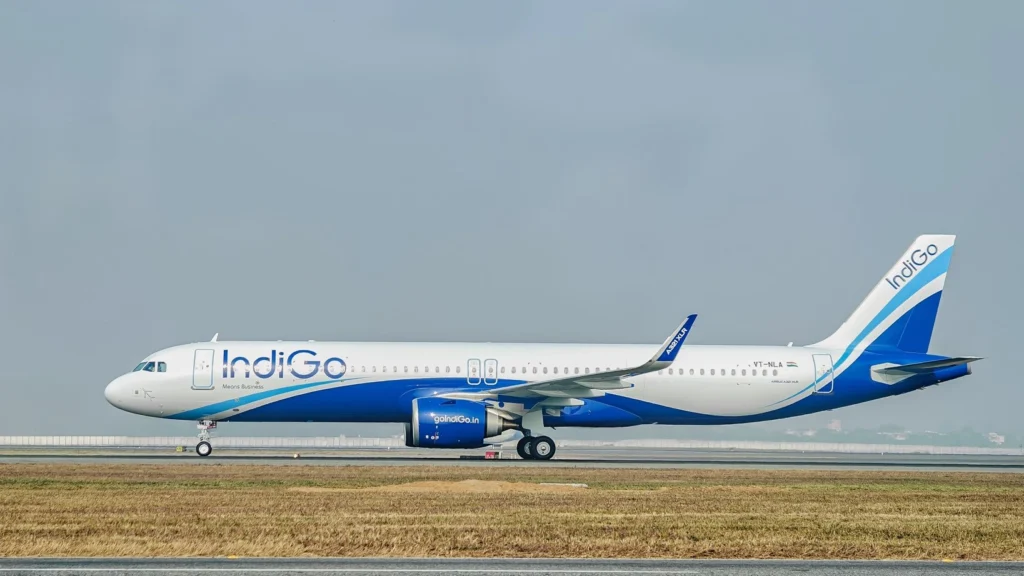
IndiGo has ordered 40 Airbus A321XLR aircraft. Four have been delivered, and nine are expected during calendar 2026. The airline plans to deploy these aircraft on routes including Athens (ATH), Istanbul (IST) and Denpasar (DPS), supporting its expansion into Europe and East Asia.
The A321XLR is designed for long-thin routes, which combine relatively long distances with passenger demand that may not justify a larger widebody aircraft. Its extended range allows IndiGo to consider markets that conventional A320-family aircraft cannot serve as efficiently over comparable distances.
This approach can help the airline expand its international network without needing to deploy high-capacity aircraft on every long-distance route. It also gives IndiGo more flexibility to match aircraft size with expected passenger demand.
Abhijit DasGupta, senior vice-president of network planning and revenue management at IndiGo, explained the commercial considerations behind this strategy.
“The success of these routes typically depends on the economy of demand, price and supply,” DasGupta said.
IndiGo estimates that it holds close to 30% of the short-haul international segment, which accounts for roughly 60% of India’s international passenger traffic. The airline’s established presence in this segment provides a foundation for further international expansion.
The A321XLR therefore serves a specific role in the airline’s plans: connecting Indian markets with additional international destinations while keeping capacity aligned with route economics.

Airbus A350-900 to Support Long-Haul Growth
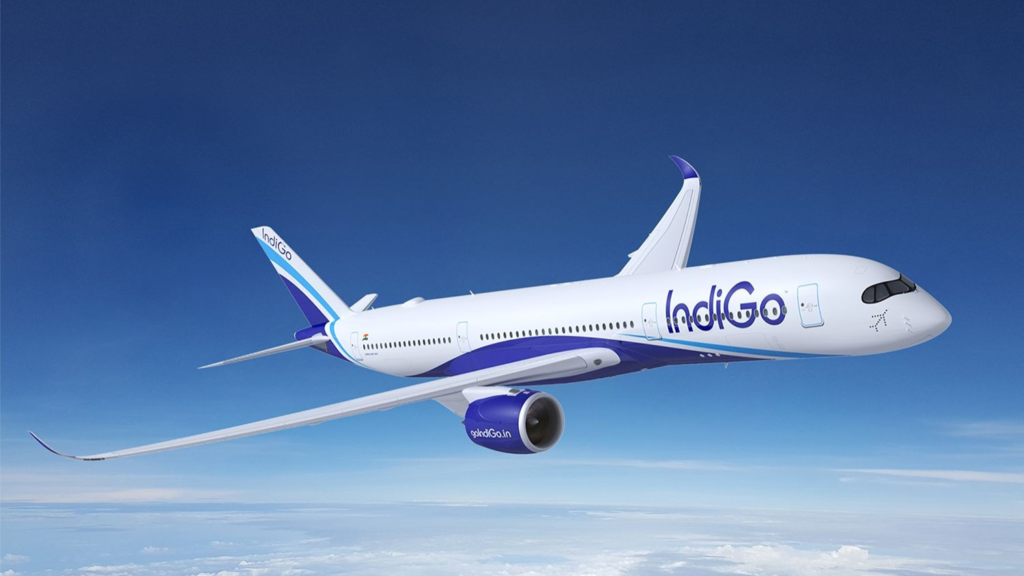
Alongside its A321XLR order, IndiGo has ordered 60 Airbus A350-900 aircraft, with deliveries expected from 2028 through 2032.
The A350 fleet is expected to support longer international routes that require the capacity and range of widebody aircraft. It could enable IndiGo to return to London and expand its presence across Europe and Australia, with North America identified as a potential longer-term market.
The two Airbus aircraft types will serve different purposes within the airline’s fleet strategy. The A321XLR will allow IndiGo to explore long-distance markets with comparatively limited demand, while the A350-900 will support routes that require a larger aircraft and greater long-haul capacity.
This combination could help the airline expand its network in stages, adding new destinations while developing the capacity needed for longer international services.
The timing of A350 deliveries remains important to this strategy. Until those aircraft arrive, IndiGo’s long-haul plans will rely more heavily on its existing network and the capabilities of the A321XLR, while London Heathrow flights remain suspended.
Domestic Network Provides a Foundation for Expansion
IndiGo’s domestic operations remain central to its international growth plans. The airline serves 95 domestic destinations through more than 500 nonstop routes. Its international network covers more than 40 destinations and includes over 150 routes.
This domestic reach provides a passenger feed platform for medium-haul and long-haul international services. Travellers from cities across India can connect through IndiGo’s network to reach international destinations without relying solely on demand from major metropolitan areas.
DasGupta said the airline’s domestic network would support its next stage of international growth as IndiGo works towards establishing a global footprint.
Rising incomes and improved access to air travel are expected to increase demand from tier-II and tier-III cities. These markets could widen the passenger base available for international flights and help support additional routes.
The relationship between domestic and international operations also benefits passengers. A connected network can give travellers from a broader range of Indian cities access to international destinations through coordinated connections.
This approach makes domestic connectivity an important part of IndiGo’s global strategy rather than a separate growth objective. A strong home network can direct passengers to international services and help the airline build demand across a wider range of destinations.

IndiGo’s FY30 Fleet and Passenger Targets
By FY30, IndiGo aims to operate more than 550 aircraft, offer nearly 3,000 daily departures and carry around 200 million passengers annually.
These targets reflect the scale of expansion planned across its domestic and international businesses. Fleet growth will provide additional capacity, while the development of new routes and international partnerships will help extend the network.
IndiGo is also working to increase revenue from services beyond base fares. Ancillary revenue per passenger has risen by around 30% over five years, supported by Fast Forward, seat upgrades and newer products.
These offerings include UpFront, cabin-baggage-only fares and IndiGoStretch. They give passengers additional choices and provide the airline with opportunities to generate revenue beyond standard ticket sales.
Ancillary revenue is a complementary part of the growth strategy. As IndiGo expands its passenger base and route network, these products can contribute to revenue performance alongside higher passenger volumes.
Aviation Infrastructure Will Shape Expansion
IndiGo’s ability to achieve its international targets will depend on more than aircraft deliveries and route planning. The wider aviation ecosystem must also support the increase in flights and passengers.
Airport capacity will be important as airlines add services and increase departures. Airspace availability, transit infrastructure, supply-chain resilience and access to skilled aviation professionals will also influence operational performance.
Aircraft availability alone cannot guarantee successful expansion. IndiGo will need reliable support across maintenance, airport operations, passenger transfers and other parts of the aviation system to sustain a larger network.
DasGupta highlighted the need for coordinated development across the sector.
“Realizing this opportunity, however, will require every part of the aviation ecosystem to evolve in line with the growing demand,” he said.
The infrastructure challenge is closely linked to IndiGo’s FY30 objectives. A fleet of more than 550 aircraft and nearly 3,000 daily departures will require an operating environment capable of accommodating higher traffic volumes while maintaining reliable services.

Future Outlook
IndiGo’s long-haul strategy centres on using the Airbus A321XLR to serve long-distance markets with more limited demand and the A350-900 to support larger international operations.
The transition away from the six leased Boeing 787-9 aircraft marks a change in how the airline plans to develop its international network. Its domestic connectivity, 13 codeshare partnerships and planned Airbus deliveries will contribute to its target of raising international capacity to 40% by FY30.
The strategy also depends on continued passenger demand, suitable route economics and sufficient aviation infrastructure. If these elements develop alongside its fleet, IndiGo will be better positioned to extend its reach into additional international markets.
Stay tuned with us. Further, follow us on social media for the latest updates.
Join us on Telegram Group for the Latest Aviation Updates. Subsequently, follow us on Google News
