

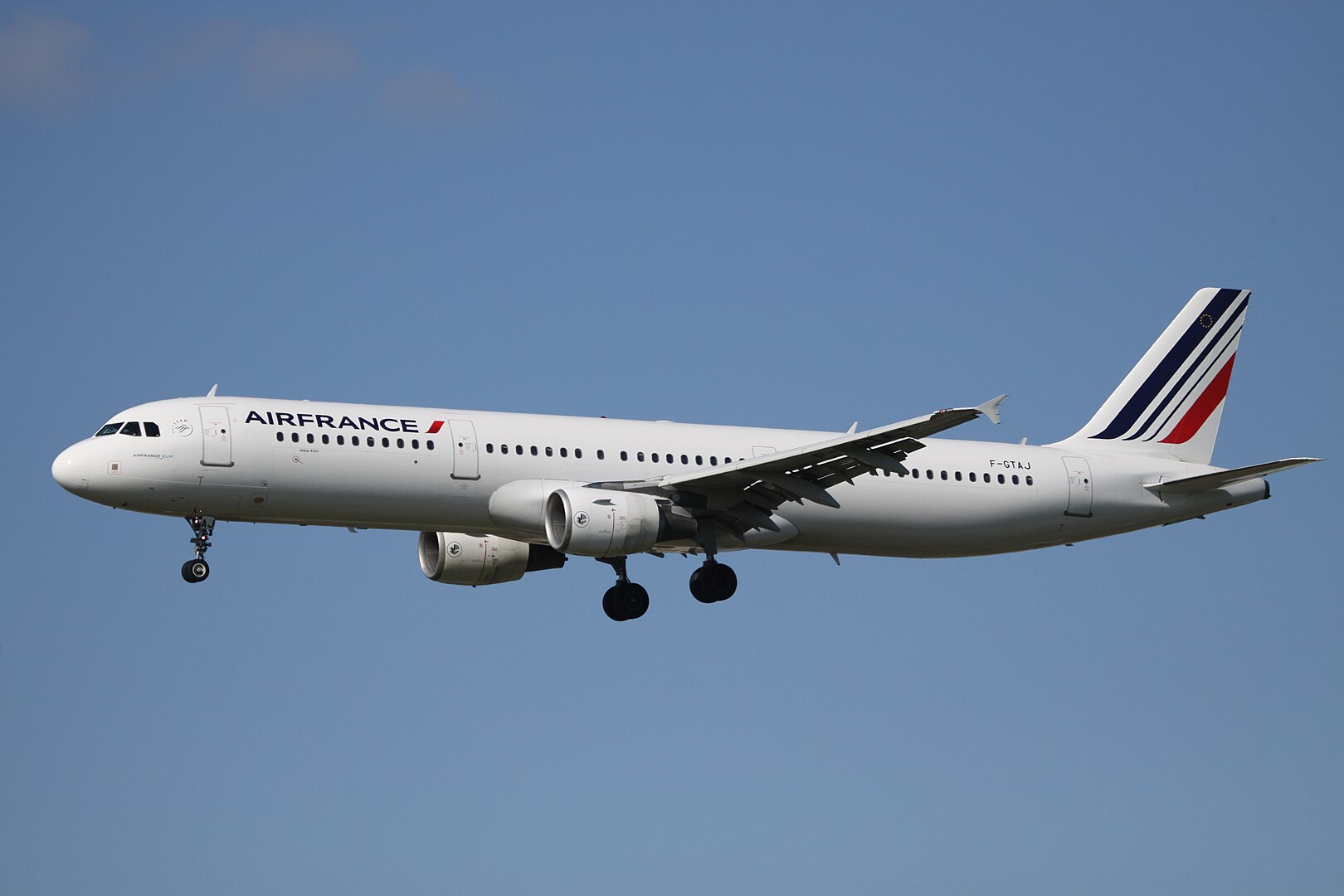
PARIS- Pope Leo XIV traveled with Air France (AF) from Tarbes-Lourdes-Pyrénées Airport (LDE) to Metz-Nancy-Lorraine Airport (ETZ) on September 28, 2026, during his first official visit to France. The flight used a dedicated Airbus A321 prepared for the papal journey.
During the Lourdes-Metz sector, Pope Leo XIV spent about 30 minutes in the cockpit, spoke with the flight crew and used the aircraft radio to bless two French Rafale pilots escorting the Airbus.
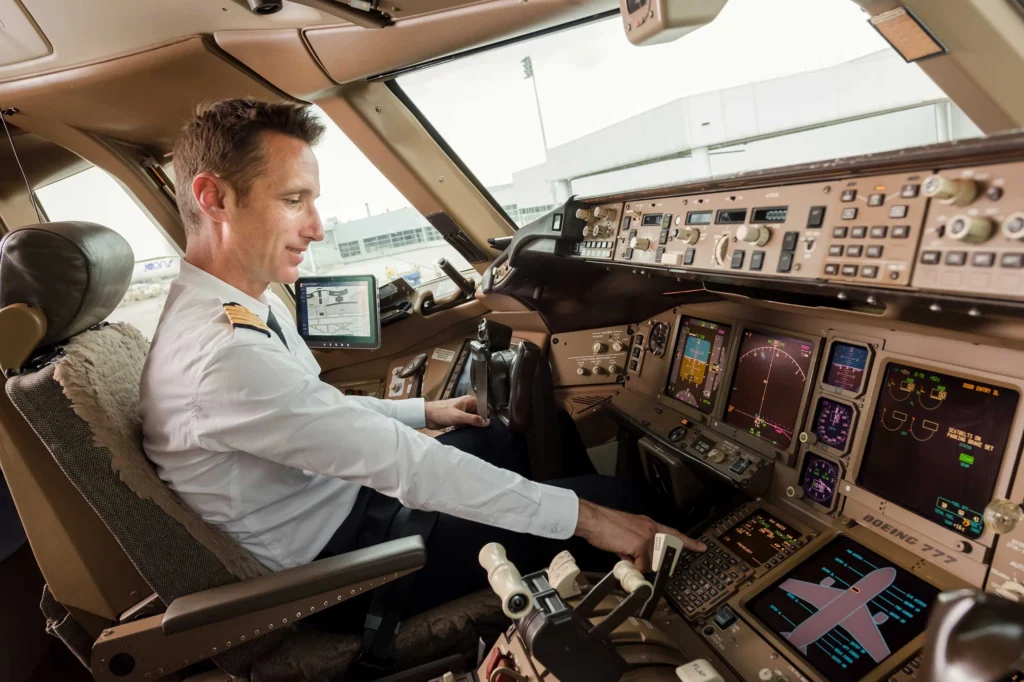
Inside Pope Leo XIV’s Air France Cockpit Visit
The cockpit encounter took place during Air France flight AF4005 on Monday, September 28.
Flightradar24 records show that the Airbus A321 departed Tarbes-Lourdes-Pyrénées at 05:51 UTC and landed at Metz-Nancy-Lorraine at 07:03 UTC, giving the flight an actual duration of one hour and 12 minutes. In local French time, the departure was at 7:51 AM and the arrival at 9:03 AM.
The flight was commanded by Captain Clémence Coussonneau, with Eric Marguerite serving as co-pilot. Marguerite told AFP that Pope Leo XIV remained in the cockpit throughout the cruise phase.
He described the conversation as informal and said the pope had an interest in aviation, cars and mechanics.
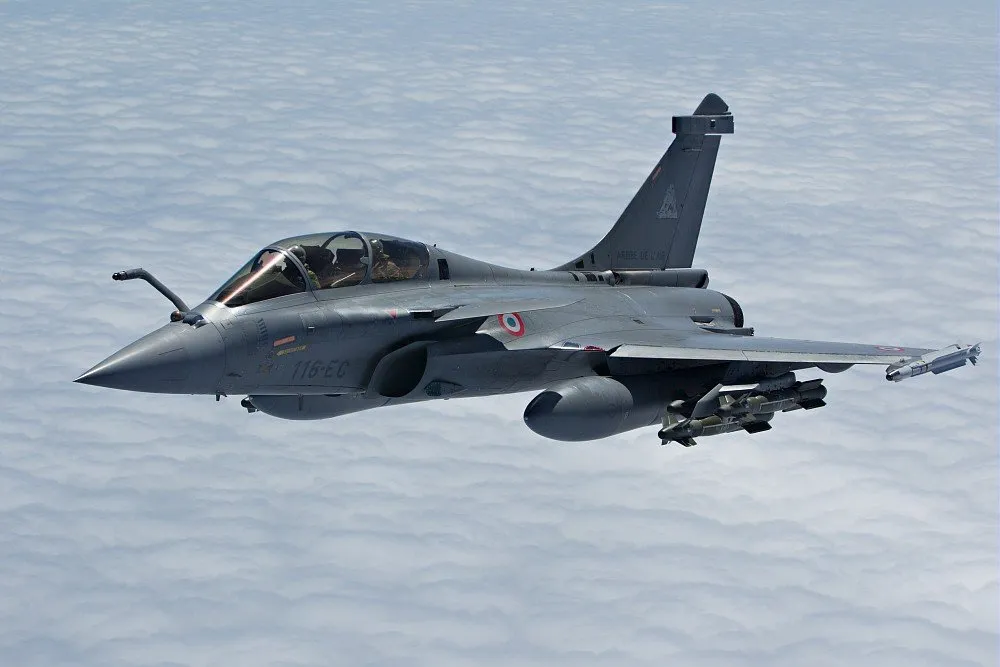
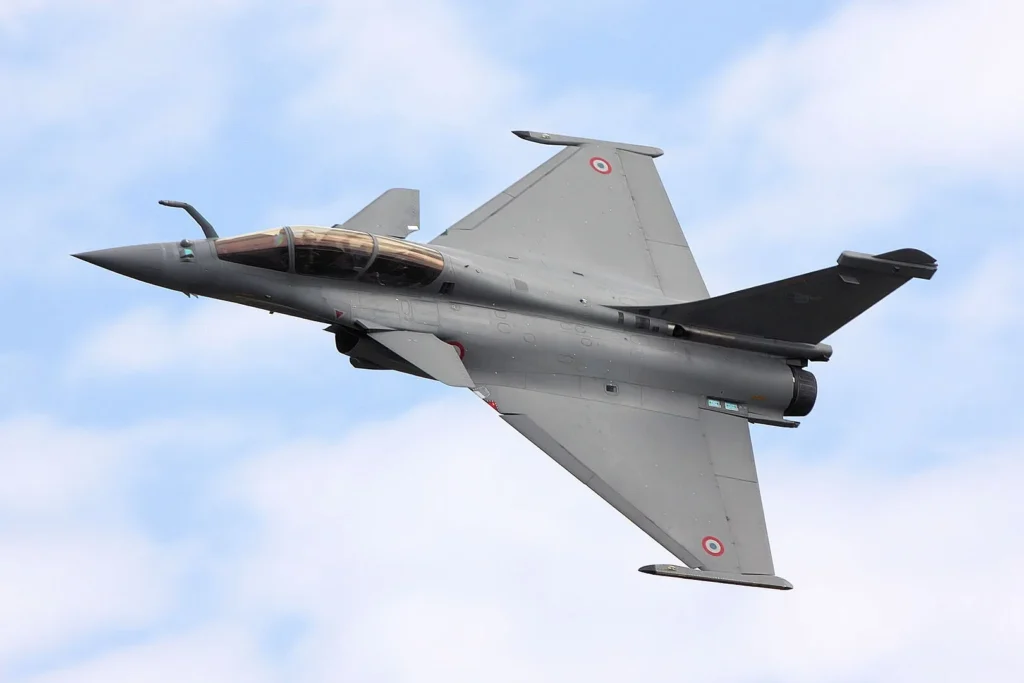
The special flight also included a French military escort. Two Rafale fighter jets accompanied the Air France A321 and flew about 50 meters from the passenger aircraft.
The flight crew handed the radio microphone to Pope Leo XIV, allowing him to speak directly to the Rafale pilots. He then offered a blessing to the pilots and military personnel involved in protecting people and promoting peace.
According to Simple Flying, The pope also greeted the cabin crew during the flight. Flight attendant Landee Van Keeken described receiving a personal blessing as a unique moment following the extensive planning required for the special operation.
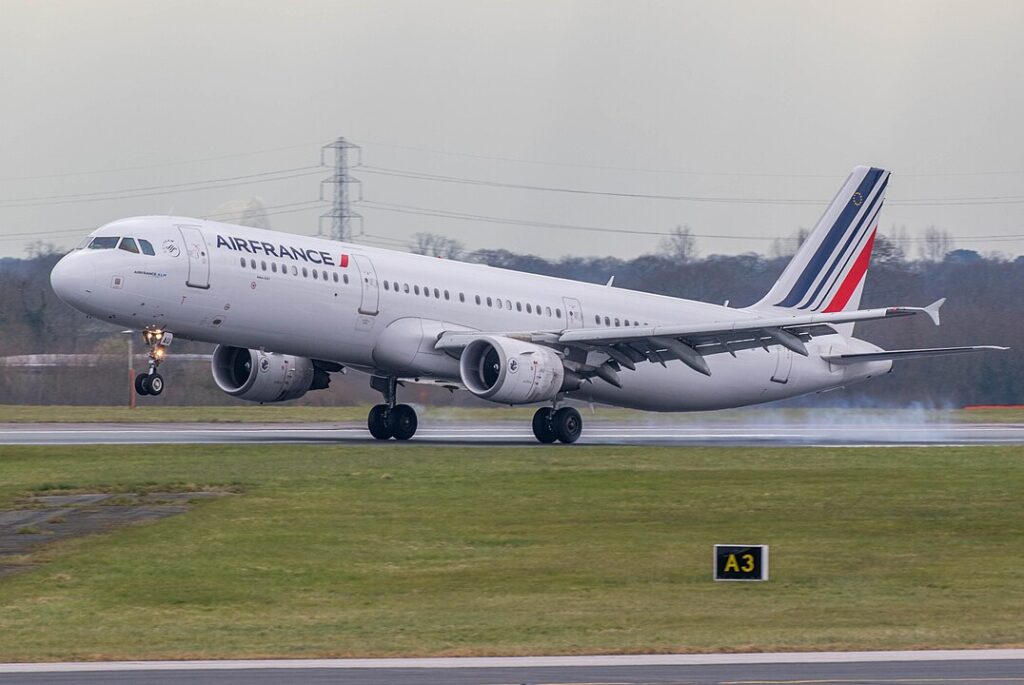
Air France Prepared Dedicated Airbus A321
Air France assigned one Airbus A321 specifically to Pope Leo XIV’s September 26 to 28 visit to France.
The aircraft was arranged with two cabins for the pope and his immediate entourage, a delegation of more than 70 people that included cardinals, bishops, senior Holy See officials, security staff and Swiss Guards, plus more than 80 accredited journalists.
The papal flights operated under state-flight procedures. Air France said the designation provided dedicated arrangements, including priority handling for the aircraft.
More than 100 Air France employees from flight operations, cabin crew, maintenance, ground handling, security, protocol, catering and operational coordination were involved in preparing the mission.
The wider operation also involved Transavia, an Air France-KLM Group airline, which operated a separate special flight between Paris-Orly and Lourdes for additional cardinals, bishops and journalists covering the visit.
F-GTAU Received Temporary Vatican Name
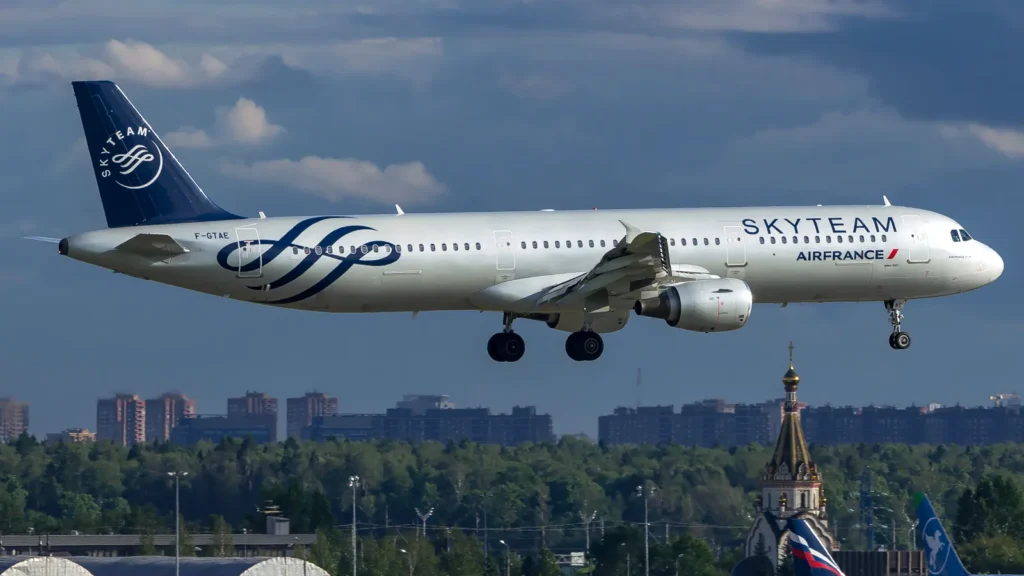
The aircraft used for the 3 main papal flights was Airbus A321-212 registered F-GTAU, manufacturer serial number 3814. Planespotters lists the aircraft as delivered to Air France in February 2009 and records its age at 17.6 years in September 2026.
F-GTAU normally carried the name Beaune, a name it had used since November 2021. For the papal mission, Air France temporarily renamed it Cité du Vatican, or Vatican City.
The temporary name was placed on the fuselage below the windows, while the coat of arms of Vatican City was displayed near the forward left-hand door used by the pope for boarding. Air France also said the Vatican coat of arms appeared inside the cabin.
The aircraft remained dedicated to the papal operation across all three Air France flights. Its temporary Vatican identity ended after the mission, and tracking records show that it returned to regular Air France passenger operations.
The first main flight was AF4004, which took Pope Leo XIV and his entourage from Paris-Orly Airport (ORY) to Tarbes-Lourdes-Pyrénées Airport (LDE) on September 26. Before that service, F-GTAU repositioned from Paris Charles de Gaulle Airport (CDG) to Paris-Orly.
Flightradar24 records the positioning flight departing CDG at 09:39 UTC and arriving at Orly at 09:59 UTC. AF4004 then departed Orly at 15:59 UTC and reached Lourdes at 17:00 UTC.
The second service, AF4005, was the Lourdes-to-Metz flight on September 28. This was the sector during which Pope Leo XIV visited the cockpit and spoke with the Rafale pilots by radio.
The final flight, AF4006, carried Pope Leo XIV and his entourage from Metz-Nancy-Lorraine Airport (ETZ) to Rome-Fiumicino Airport (FCO) later on September 28. Flightradar24 records an actual departure at 17:33 UTC and an arrival at 18:54 UTC.
Air France had published a scheduled departure time of 7:00 p.m. local time for the Metz-Rome service, while the flight-tracking record shows the aircraft actually departed at 7:33 p.m. local time.
Aircraft Returned to Normal Airline Service
F-GTAU did not remain in a special Vatican configuration after the visit. Following AF4006, the aircraft returned from Rome to Paris Charles de Gaulle before operating another Air France commercial flight.
Flightradar24 shows the aircraft operating AF7306 from Paris Charles de Gaulle to Nice on September 29.
Planespotters’ records show that the aircraft changed from the name Beaune to Cité du Vatican in September 2026, linking the temporary identity directly to the papal mission. The same record continues to list F-GTAU as an active Air France aircraft.
Pope Leo XIV Had Another Notable Airline Incident
The Air France cockpit visit was not the only aviation-related episode involving Pope Leo XIV during 2026.
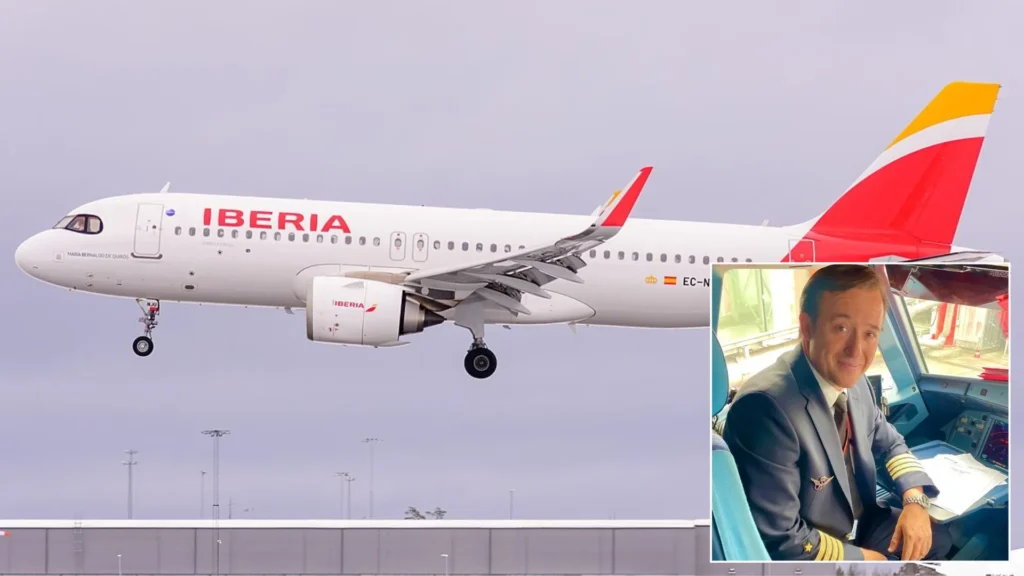
Earlier in the year, during his visit to Spain, his return from Tenerife was delayed after an Iberia Airbus A320 developed a technical problem that prevented the planned flight from departing.
The incident occurred at Tenerife North Airport (TFN). Vatican News reported that the Iberia A320 experienced an engine-related technical problem during preparations for departure.
Reuters reported that the aircraft failed to start and that the difficulty may have involved wind-related engine trouble, although Iberia described the issue more generally as a technical problem.
Spain’s King Felipe VI then provided his Dassault Falcon 900 for Pope Leo XIV’s return to Rome.
The pope and several delegates traveled on the smaller aircraft, while the rest of the papal delegation and accompanying journalists were scheduled to continue separately on a replacement Iberia aircraft sent from Madrid.
The Iberia aircraft had also received special preparation for the papal journey. The original account noted special antimacassars on the seat headrests, adding another example of the operational measures used to prepare aircraft for papal travel.
Special Flight Combining Civil and Military Aviation
The Lourdes-to-Metz service stood out because it brought together three distinct elements of the operation: a commercial Airbus A321, a formal state-flight arrangement and a military fighter escort. Pope Leo XIV’s cockpit visit added a personal element to an otherwise tightly coordinated aviation mission.
The journey also demonstrated how Air France adapted an existing narrowbody aircraft for a high-profile state mission.
The temporary Cité du Vatican name, Vatican markings, dedicated cabin arrangements, extensive employee coordination and military escort were all tied specifically to Pope Leo XIV’s September 2026 visit to France.
Stay tuned with us. Further, follow us on social media for the latest updates.
Join us on Telegram Group for the Latest Aviation Updates. Subsequently, follow us on Google News
